
Last Updated on July 28, 2026 by Daniel Globe
Mazatlán stays warm throughout the year, but rainfall, humidity, crowds, ocean conditions, and festival dates can make one month feel very different from another. The best time to visit Mazatlán depends on whether you want dry sightseeing weather, warm swimming water, lower hotel rates, whale watching, or the energy of Carnaval. Historical climate records for Sinaloa are available through Mexico’s Servicio Meteorológico Nacional.
Quick Answer
The best time to visit Mazatlán is December through April, when rain is scarce, humidity is lower, and daytime highs are usually in the upper 70s to low 80s°F. Choose November or May for lighter crowds and better rates; avoid July through September if you dislike heavy rain, humidity, or tropical-storm risk.
Key Takeaways
- December through April offers the most reliable combination of dry skies, lower humidity, and comfortable sightseeing weather.
- November and May are useful shoulder-season choices for smaller crowds and potentially lower rates.
- Rain and humidity rise sharply from late June through September, with August and September generally the wettest months.
- The Eastern Pacific hurricane season runs from May 15 through November 30.
- Whale-watching season runs from December through March, with the most activity commonly reported in January and February.
- Carnaval takes place immediately before Ash Wednesday, so its dates change every year and accommodation sells quickly.
- Travelers should review current government security advice for Sinaloa before booking or departing.
Warning: The Eastern Pacific hurricane season officially runs from May 15 through November 30. Storms are not guaranteed, but late-summer and early-fall travel carries a greater chance of heavy rain, rough seas, flight disruption, or canceled tours. Check live forecasts and review cancellation coverage before departure.
Disclosure: As an Amazon Associate I earn from qualifying purchases. Some links on this page are affiliate links, at no extra cost to you.
Best Time to Visit Mazatlán by Travel Style
| Travel Goal | Best Time |
| Best overall weather | December through April |
| Lowest humidity | January through March |
| Lower prices and fewer crowds | May, October, or November, outside major holidays |
| Warmest ocean water | July through October, with high humidity and rain |
| Whale watching | December through March; January and February are usually busiest |
| Carnaval | The five days before Ash Wednesday, usually in February or March |
| Outdoor sightseeing | November through April |
There is no single perfect month for every visitor. January and February are comfortable for walking and sightseeing, but the ocean may feel cool. May brings hotter beach weather and fewer winter visitors, while November often provides a useful balance of warmth, lower humidity, and lighter crowds.
Mazatlán Weather by Month
Mazatlán’s air temperatures change less dramatically than its rainfall and humidity. Long-term averages vary by weather station and climate period, so the figures below are approximate planning ranges rather than forecasts for a specific trip.
| Month | Approx. High / Low | Rain and Humidity | Trip Notes |
| January | 79°F / 56°F | Very dry; low humidity | Excellent for sightseeing, hiking, and whale tours; pack a light evening layer. |
| February | 79°F / 56°F | Very dry; usually comfortable | Good weather and whale activity; Carnaval can sharply increase crowds and prices. |
| March | 80°F / 56°F | Dry with abundant sunshine | Comfortable outdoors, but Spring Break and Semana Santa dates can bring crowds. |
| April | 83°F / 60°F | One of the driest months | Warm beach weather; Easter-week demand can be very high. |
| May | 86°F / 66°F | Mostly dry, but heat and humidity rise | A useful value month for travelers comfortable with hotter afternoons. |
| June | 88°F / 75°F | Rainy season begins; humidity climbs | Warm water and lighter crowds, but outdoor plans need flexibility. |
| July | 90°F / 77°F | Frequent rain and very high humidity | Hot, muggy, and quieter; afternoon or nighttime storms are common. |
| August | 89°F / 77°F | Among the wettest and muggiest months | Best for travelers prioritizing lower prices over predictable weather. |
| September | 89°F / 76°F | Very wet, humid, and storm-prone | Allow extra schedule flexibility and favor refundable bookings. |
| October | 88°F / 72°F | Rain gradually eases, but storms remain possible | Potential value period, especially later in the month. |
| November | 85°F / 64°F | Drier with falling humidity | One of the best shoulder-season choices before winter demand peaks. |
| December | 81°F / 58°F | Dry and less humid | Excellent weather and the start of whale season, with holiday crowds later in the month. |
Note: Monthly averages describe long-term patterns, not guaranteed daily weather. Check the short-range forecast immediately before packing and again before boat trips, hikes, or island excursions.
Peak Tourist Seasons in Mazatlán
Mazatlán’s main high season runs from December through April. Winter visitors arrive for dry weather and relief from colder climates, while Christmas, New Year, Carnaval, Spring Break, and Semana Santa create shorter periods of especially intense demand.
January and February usually deliver the mildest daytime conditions. Hotels, restaurants, beach clubs, and popular tours may be busy, particularly in Zona Dorada, along the Malecón, and around Centro Histórico. Travelers seeking specific accommodations should reserve early rather than relying on last-minute availability.
Carnaval can transform the waterfront and historic center with parades, concerts, fireworks, street events, road closures, and late-night noise. The celebration follows the Christian calendar, so the dates shift each year. Semana Santa also draws large numbers of domestic travelers, including families visiting during school holidays.
Peak-season visitors should expect higher room rates, more traffic, limited restaurant availability, and crowded beaches. The tradeoff is dependable weather and a full schedule of tours and entertainment.
Off-Peak Travel Times in Mazatlán
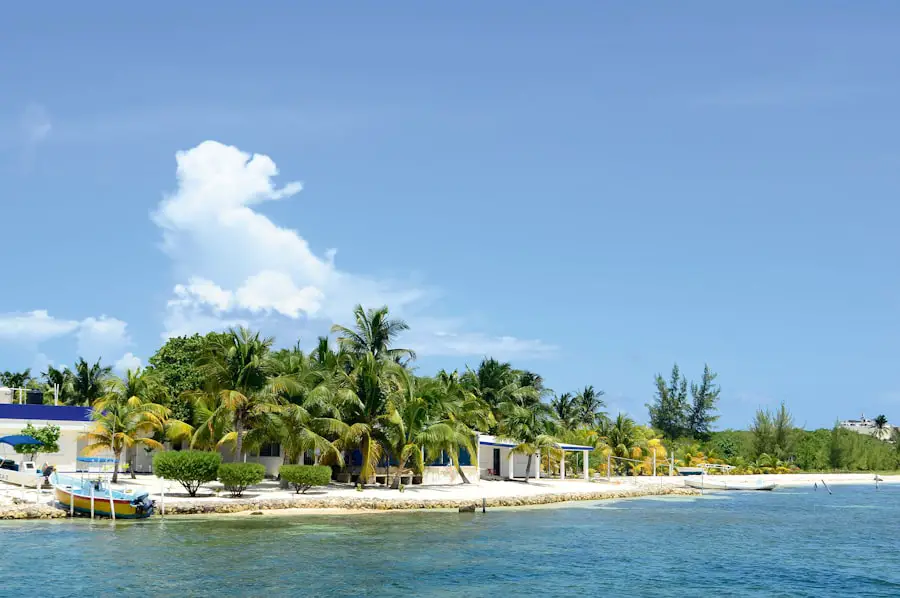
The quietest travel period generally falls between June and September, when heat, humidity, and rainfall discourage some visitors. Hotels may reduce rates or package meals and resort credits with stays, although savings vary by property and booking date.
Summer rain often arrives in bursts rather than continuing all day, but travelers should not assume every shower will be brief. Strong thunderstorms can flood streets, delay flights, suspend boat trips, produce rough surf, or make outdoor attractions temporarily unsuitable.
May, October, and November provide a better compromise for many visitors. May is still mostly dry but increasingly hot. October can offer lower rates, although tropical-weather risk remains. November becomes noticeably drier and less humid while usually staying quieter than the winter holiday period.
Pro Tip: Late November is often the strongest shoulder-season choice. The rainy season has usually eased, daytime weather remains warm, and winter crowds have not yet reached their holiday peak. Avoid assuming that late October is storm-free, since it remains within the official hurricane season.
Festivals and Events in Mazatlán
| Event | Typical Timing | Main Areas | Planning Notes |
| Carnaval Internacional de Mazatlán | The five days before Ash Wednesday | Olas Altas, Malecón, and Centro Histórico | Book early and check the official program for tickets, parade routes, and road closures. |
| Whale-watching season | December through March | Marina and offshore waters | January and February usually bring the most activity; sightings are never guaranteed. |
| Día de los Muertos | Late October through November 2 | Plaza Machado and Centro Histórico | Expect altars, cultural activities, and evening gatherings; programming changes yearly. |
| Festival Cultural Mazatlán | October through December | Teatro Ángela Peralta and other cultural venues | Theater, music, dance, opera, and visual-arts programming varies annually. Check Cultura Mazatlán. |
| Sport-fishing events | Often concentrated in fall | Local marinas and offshore waters | Dates, eligible species, rules, and host marinas change. Confirm directly with the current organizer. |
Mazatlán’s signature celebration is Carnaval. The official history records that the city’s modern committee-organized Carnaval tradition began in 1898, when decorated carts and bicycles paraded near Plazuela Machado.
Mazatlán’s modern committee-organized Carnaval tradition dates to 1898, making it one of the city’s longest-running and most important annual celebrations.
Visitors attending major events should verify dates through the organizer rather than relying on a generic annual calendar. Parade routes, security controls, street closures, ticketed concerts, and event locations can change from year to year.
Best Time for Beaches, Swimming, and Outdoor Activities
The best period for most outdoor activities is November through April. Lower humidity makes it easier to walk the Malecón, explore Centro Histórico, climb El Faro, visit nearby islands, or spend several hours on an outdoor tour.
Beach and Swimming Conditions
The Pacific is coolest during late winter and early spring and warms through late spring and summer. Some visitors swim comfortably throughout winter, while others prefer the warmer water found from May into fall. The warmest water overlaps with Mazatlán’s hottest, rainiest, and most humid months, so beachgoers must choose between more comfortable air and warmer sea temperatures.
Swimming safety depends on daily waves, currents, weather, and beach flags—not simply the month. Use beaches with lifeguards when available, follow posted warnings, and stay out of the water when authorities close a beach or display a no-swimming flag.
Hiking and Sightseeing
November through March is best for exposed walks and climbs. Start El Faro and similar routes early in the morning, carry water, use sun protection, and avoid steep outdoor exertion during the hottest part of the day. May through October can feel much harder because of humidity, even when the air temperature does not appear extreme.
Whale Watching
The official Mazatlán tourism office identifies December through March as the local humpback whale-watching season, with January and February bringing the highest reported activity. Choose an operator that follows wildlife-distance rules, provides life jackets, and explains how weather-related cancellations are handled. Sightings remain dependent on wildlife and sea conditions.
Sport Fishing and Boat Trips
Fishing is available in different forms throughout the year, but target species, sea conditions, tournament rules, and seasonal restrictions vary. Ask the charter which licenses are included, whether the trip is private or shared, what happens during rough weather, and whether catch-and-release practices are used.
Travel Deals and Discounts in Mazatlán
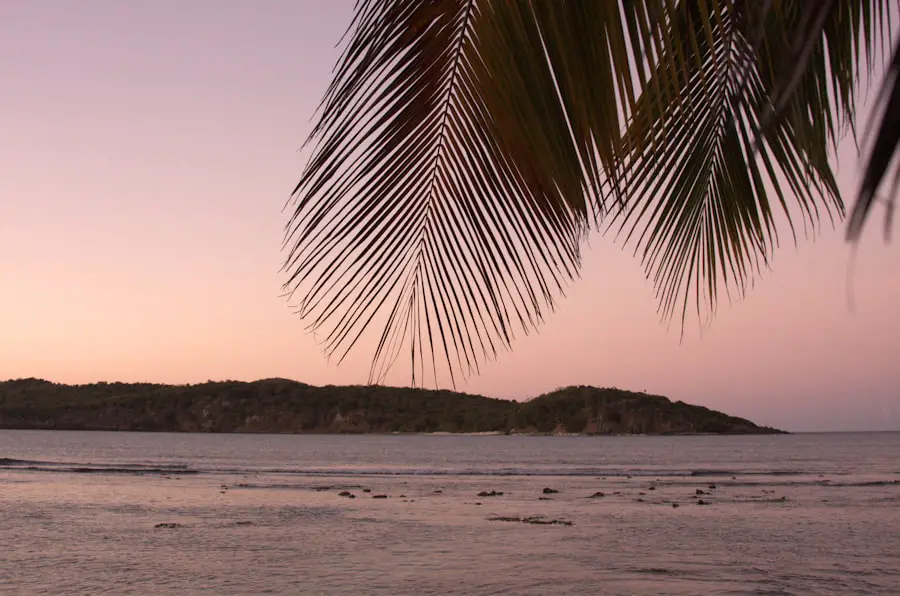
Hotel and package prices are often lower during the hot, rainy months, particularly outside Mexican school holidays and major event dates. The largest advertised discount is not always the best value, however. A nonrefundable reservation can become expensive if a storm, flight disruption, or health issue changes the trip.
Compare the total cost rather than the room rate alone. Check resort fees, taxes, airport transportation, breakfast, parking, cancellation deadlines, and whether included credits are useful. Package deals may reduce the total price, but travelers should still compare the flight and hotel separately.
For shoulder-season value without peak-summer humidity, search May and November first. October can also be inexpensive, but travelers must remain comfortable with hurricane-season uncertainty.
Pro Tip: Reserve a refundable room while comparing prices. Recheck the same dates before the free-cancellation deadline, since rates sometimes fall after the first booking.
What to Pack for Mazatlán
Pack for heat and sun in every season, then add rain or evening layers based on the month.
- December through March: Lightweight daytime clothing, a hat, sun protection, comfortable walking shoes, and a thin sweater or jacket for breezy evenings or boat rides.
- April through June: Breathable clothing, extra sun protection, a refillable water bottle, and footwear that handles hot sidewalks.
- July through October: Quick-drying clothing, an umbrella or compact rain shell, insect repellent, waterproof storage for electronics, and shoes with dependable wet-surface grip.
- Beach days: Swimsuit, cover-up, sandals, sunglasses, reusable water bottle, and a dry bag for phones and documents.
A pair of water-resistant walking shoes can help during the rainy season, although breathable footwear may be more comfortable in dry weather. Families navigating airports and the Malecón may benefit from a compact travel stroller. Clothing with secure or hidden pockets can also reduce the need to handle a wallet or phone in crowded areas; see these examples of travel pants with hidden pockets.
Hurricane, Rain, and Health Planning
The official hurricane-season dates describe the wider Eastern Pacific basin. They do not mean Mazatlán will experience a hurricane every year, nor do they mean travel outside those dates is risk-free.
Before booking a May–November trip:
- Read the airline and hotel cancellation terms before paying.
- Confirm whether travel insurance covers delays, cancellations, interruptions, or mandatory evacuation caused by severe weather.
- Do not assume a policy covers a named storm after it has already formed.
- Monitor the National Hurricane Center and Mexico’s weather service in the days before departure.
- Keep medication, documents, chargers, and one change of clothing in carry-on baggage.
- Allow extra time between separate flight and hotel bookings.
Rainy-season humidity also increases mosquito activity. The CDC’s Mexico traveler guidance recommends preventing insect bites with an EPA-registered repellent, suitable clothing, and screened or air-conditioned lodging. Travelers with medical conditions, pregnancy concerns, or vaccine questions should seek individualized advice from a qualified clinician before departure.
Safety and Security Considerations in Mazatlán
Warning: The current U.S. State Department advisory lists Sinaloa as “Do Not Travel” because of terrorism and crime. Its exception for U.S. government employees permits travel to Mazatlán only by air or sea and limits movement to specified tourist corridors and direct airport or port routes. Private travelers are not governed by employee restrictions, but they should understand the risk and review current advice before booking.
Travel advisories differ by nationality. U.S. travelers should read the current Mexico Travel Advisory, while other travelers should check the guidance issued by their own government. Conditions can change after an article is published.
Practical precautions include:
- Arrive by air or sea rather than planning an unnecessary long-distance road journey through Sinaloa.
- Use transportation arranged by the hotel, airport, cruise line, or another established provider.
- Travel on direct routes and avoid isolated areas, unfamiliar neighborhoods, and intercity driving after dark.
- Keep phones, jewelry, cameras, and cash discreet in crowded areas.
- Use the hotel safe for passports and valuables that are not needed during the day.
- Do not leave drinks unattended or accept transportation from unverified drivers.
- Tell a trusted person where you are going when taking a boat trip or traveling outside the main tourist area.
- Follow instructions from local authorities during security incidents or road closures.
Mexico’s national emergency number is 911. Save hotel contact details, travel-insurance assistance numbers, and the nearest consular contact before departure.
Note: A tourist district is not automatically risk-free. Advisory levels describe broader conditions and should be considered alongside local alerts, hotel guidance, and the traveler’s own risk tolerance.
Tips for Navigating Mazatlán’s Peak Travel Times
Peak-season travel is easier when the most time-sensitive parts of the trip are arranged first.
- Reserve accommodation early. Book several months ahead for Christmas, New Year, Carnaval, and Semana Santa when possible.
- Confirm the event location. Carnaval routes, concert venues, ticket requirements, and street closures change annually.
- Book popular tours in advance. Whale-watching boats, island trips, fishing charters, and private guides have limited capacity.
- Visit major sights early. Morning trips reduce heat, traffic, and competition for transportation.
- Allow extra travel time. Parades, cruise-ship arrivals, holiday traffic, and road closures can delay short journeys.
- Make dinner reservations. Popular restaurants around Plaza Machado, Centro Histórico, and Zona Dorada can fill quickly.
- Keep plans flexible. Sea conditions, rain, heat, and local security events can affect outdoor schedules.
Frequently Asked Questions
What is the best time to visit Mazatlán?
December through April is the best overall period for dry weather, lower humidity, and comfortable outdoor sightseeing. January and February are the coolest months, while March and April are warmer but may be busier around Spring Break and Semana Santa.
What is the cheapest month to visit Mazatlán?
The lowest rates are often available during the hot and rainy summer period, especially from July through September. May, October, and November may provide a better balance of lower prices and more manageable weather, depending on holidays and events.
What are the rainiest months in Mazatlán?
August and September are generally the rainiest months. July is also wet and humid, while rainfall usually eases during October and falls more sharply by November.
Is November a good time to visit Mazatlán?
Yes. November is one of the best shoulder-season months because rainfall and humidity usually decline while temperatures remain warm. Early November may still carry some tropical-weather risk, and prices rise as the winter holiday period approaches.
Can you swim in Mazatlán during winter?
Many visitors swim during winter, but the Pacific is cooler than it is in summer and fall. Travelers who prefer very warm water may be more comfortable from late spring through October, when the air is also hotter and more humid.
When is whale-watching season in Mazatlán?
The official local whale-watching season runs from December through March. January and February usually bring the most humpback activity, although wildlife sightings can never be guaranteed.
When does Carnaval take place in Mazatlán?
Carnaval takes place during the five days immediately before Ash Wednesday, usually in February or March. Dates change every year, and related concerts or ceremonies may begin earlier, so check the official program before booking.
Is Mazatlán safe to visit?
Travelers should make this decision using current official guidance. The U.S. State Department lists Sinaloa as Do Not Travel and applies specific movement restrictions to U.S. government employees visiting Mazatlán. Review your government’s latest advisory, use established transportation, and avoid unnecessary travel outside recognized tourist corridors.
Sources
- Servicio Meteorológico Nacional — Sinaloa Climate Normals — official temperature and precipitation records
- World Meteorological Organization — Mazatlán Climate Information — long-term monthly climate context
- National Hurricane Center — Eastern Pacific — official hurricane-season dates, forecasts, and advisories
- U.S. Department of State — Mexico Travel Advisory — current Sinaloa and Mazatlán security guidance
- Carnaval Internacional de Mazatlán — Official History — Carnaval timing and the start of its modern organized tradition in 1898
- Visit Mazatlán — Whale Watching — official December–March whale-watching season
