
Last Updated on July 28, 2026 by Daniel Globe
Panama has warm tropical weather throughout the year, but rainfall, sea conditions, crowds, and wildlife seasons change considerably by month and region. Panama City and the Pacific coast have a clear dry season, while Bocas del Toro and other Caribbean destinations follow a different pattern. Choosing the right dates therefore depends on where you plan to go and what you want to do.
Quick Answer
The best time to visit Panama is usually January through March for the driest Pacific-side weather. Choose July through October for Pacific humpback whales, September or October for calmer Bocas del Toro diving, and May through November for greener scenery and lower demand. Regional weather matters more than one nationwide “best” month.
Key Takeaways
- January through March usually offers the most dependable dry weather in Panama City and along much of the Pacific coast.
- The rainy or “green” season generally runs from May through November, but showers often leave usable portions of the day.
- Bocas del Toro does not follow the Pacific weather pattern exactly; March and September–October are among its drier periods, although rain is possible year-round.
- Pacific humpback whales are commonly seen from July through October, while much of Panama’s sea-turtle nesting and hatching activity overlaps the rainy season.
- The dry season brings greater visitor demand and usually higher accommodation rates around popular beaches, islands, and Panama City.
- Direct hurricane strikes are uncommon, but tropical waves and severe rainy-season weather can still cause floods, landslides, lightning, rough seas, and travel disruption.
Disclosure: As an Amazon Associate I earn from qualifying purchases. Some links on this page are affiliate links, at no extra cost to you.
Panama’s Dry and Rainy Seasons
Panama has two main seasons rather than four. The Smithsonian Tropical Research Institute explains that the Intertropical Convergence Zone moves over Panama between roughly May and November, creating the wet season. By mid-December, northeast trade winds usually produce predominantly dry conditions that last through April.
This division is clearest in Panama City, central Panama, the Azuero Peninsula, and much of the Pacific coast. Moisture arrives from the Caribbean, so the Caribbean slope generally receives more rain and has a less dependable dry season.
Panama’s Travel Seasons at a Glance
| Period | Best For | Main Trade-Off |
| Mid-December–April | Panama City, Pacific beaches, hiking, sightseeing, and dependable outdoor plans | More visitors, stronger demand, and sometimes brisk Pacific winds |
| May–August | Green landscapes, waterfalls, lower demand, and Pacific whale watching from July | Frequent showers, muddy trails, and occasional weather disruption |
| September–November | Whales, turtles, migratory birds, value travel, and calmer Bocas waters in September–October | Some of the wettest Pacific-side weather; November and December are especially wet in Bocas |
Dry Season: Best for Dependable Outdoor Weather
Weather in Panama City and the Pacific Lowlands
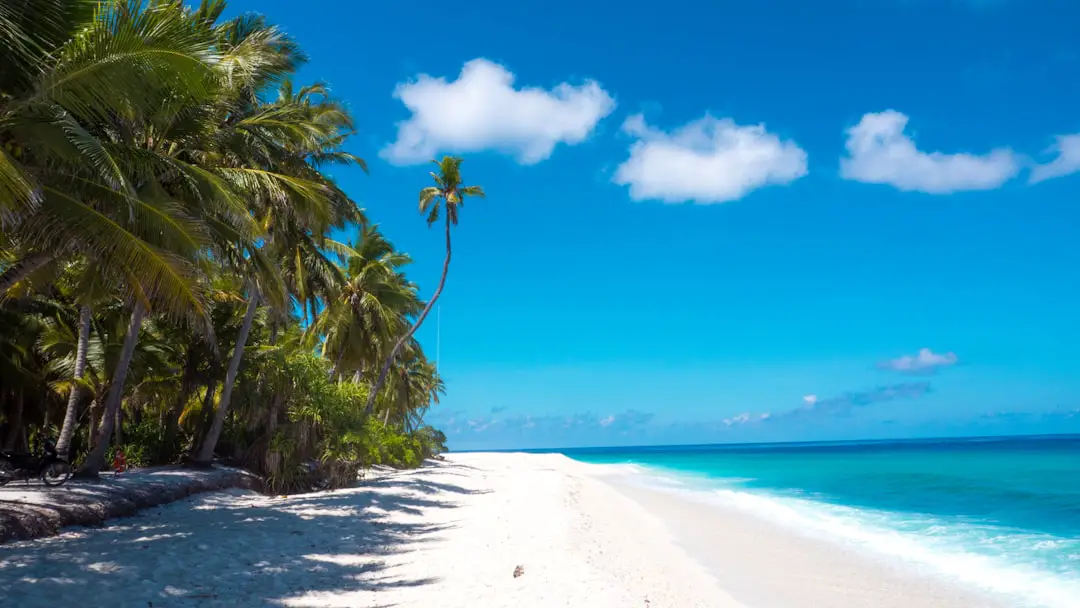
From mid-December through April, Panama City and much of the Pacific side receive substantially less rain. Lowland temperatures commonly stay within roughly 70–90°F (21–32°C), with warm afternoons, strong sun, and tropical humidity. January through March is usually the most dependable window for walking through Casco Viejo, visiting the Panama Canal, taking Pacific island trips, or planning several outdoor excursions in a row.
April remains a useful travel month, but heat builds and the transition toward the rainy season may begin before the month ends. Seasonal boundaries are not fixed, so an early or late shift is possible in any given year.
Hiking and Highland Trips
The dry season is generally the easiest time to hike in Soberanía National Park, El Valle de Antón, Boquete, and the Chiriquí highlands. Trails are less muddy, river crossings are easier, and unpaved access roads are more dependable. Boquete and higher elevations feel cooler than Panama’s coastal lowlands, especially early in the morning and at night.
Crowds and Prices
The same reliable weather that makes this the easiest period for touring also raises demand. Christmas and New Year travel, school holidays, Carnaval, and popular beach weekends can fill hotels and tours. Travelers visiting between late December and March should reserve limited-capacity island transfers, guided hikes, and popular lodging in advance.
Note: Dry weather does not always mean calm water. Seasonal trade winds can create choppy conditions in the Gulf of Panama, so confirm the marine forecast before snorkeling, fishing, or taking a small-boat transfer.
Rainy Season: Green Scenery, Wildlife, and Better Value
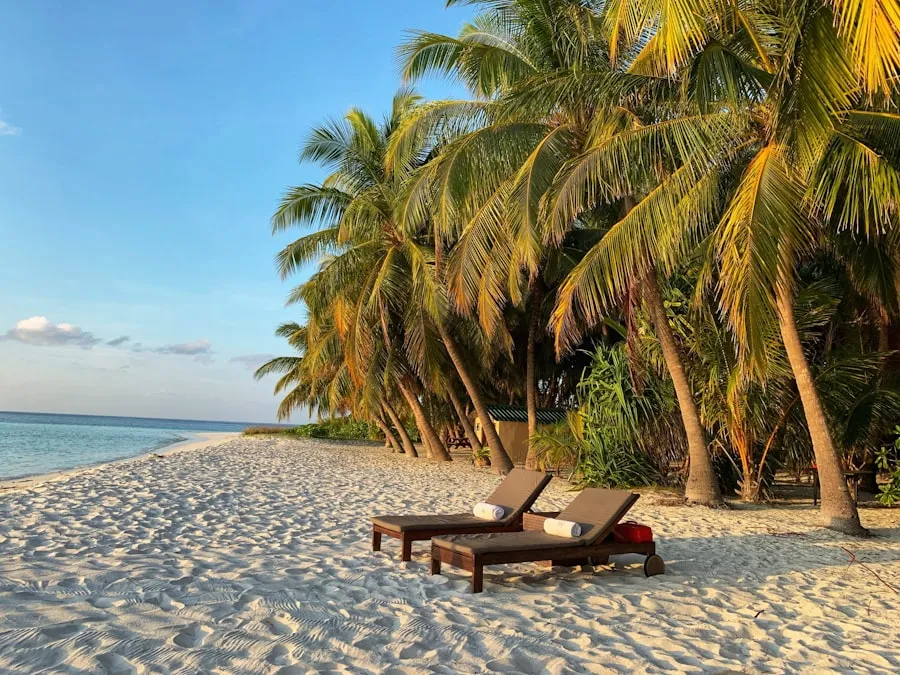
Panama’s rainy season generally runs from May through November. Rain becomes more frequent and humidity rises, but the season should not be confused with nonstop rain. Many days include a bright morning, increasing clouds, and a heavy afternoon or evening shower. Other days can be wet for longer, especially when a tropical wave or larger weather system crosses the region.
The countryside becomes greener, rivers and waterfalls strengthen, and visitor demand often drops outside holidays and wildlife events. Travelers who are comfortable adjusting plans can still visit Panama City, beaches, rainforests, and highland towns during these months.
October and November are commonly among the more difficult months for Pacific-side itineraries because repeated rainfall can saturate soil, increase river levels, and affect roads or trails. On the Caribbean side, the pattern differs; Bocas del Toro is often particularly wet in November and December.
Pro Tip: Schedule hikes, boat trips, and open-air sightseeing early in the day. Keep museums, markets, restaurants, and Casco Viejo cafés as flexible afternoon options if thunderstorms develop.
Warning: Heavy rain can cause flash floods, swollen rivers, landslides, falling trees, lightning, and rough seas. Check current SINAPROC alerts, follow local closures, and never walk or drive through moving floodwater.
Regional Microclimates: Where You Go Matters
Panama City, the Canal, and Pacific Beaches
Panama City, the Canal Zone, the Azuero Peninsula, and many Pacific beaches show the country’s strongest dry-versus-rainy contrast. January through March is the most dependable period for urban sightseeing, hiking, beaches, and day trips. May through November brings greener scenery and lower demand but requires a flexible schedule.
Boquete and the Chiriquí Highlands
Elevation keeps Boquete, Volcán, and other highland areas cooler than the coast. The December–April dry season is the easiest time for long hikes and clear views, but the rainy season adds mist, fuller waterfalls, and vivid vegetation. A light layer can be useful after sunset, while waterproof footwear is especially important from May onward.
Bocas del Toro
Bocas del Toro does not share the Pacific coast’s clearly defined dry season. According to Visit Panamá’s Bocas del Toro guidance, March and September–October are among the region’s drier periods, although showers remain possible. November and December are typically wetter.
Activity also matters. Surf conditions are often strongest from December through April and again around July. September and October can have smaller waves and calmer water, making them attractive for snorkeling and diving when local visibility and marine forecasts cooperate.
Guna Yala and the Caribbean Coast
Guna Yala, Portobelo, Colón, and other Caribbean destinations receive rain throughout the year. A sunny forecast in Panama City does not guarantee the same conditions on the Caribbean side. Pack rain protection in every season and leave extra time for small-plane, road, or boat transfers that may be affected by local weather.
Panama Weather by Month
| Month | Typical Travel Conditions | Good For |
| January | Dry and sunny on the Pacific side; breezy near exposed coasts | Panama City, hiking, Pacific beaches, and the Mil Polleras parade |
| February | One of the driest Pacific-side months; peak-season demand | Outdoor touring, island trips, and Carnaval when dates fall in February |
| March | Hot and mostly dry on the Pacific; one of Bocas’s relatively drier periods | Multi-region trips, beaches, hiking, and Bocas del Toro |
| April | Hot, with rain gradually returning as the month progresses | Late dry-season touring and lower demand after holiday periods |
| May | Green season begins; sunny periods alternate with showers | Value travel, greener scenery, and flexible city trips |
| June | Frequent showers and increasing river flow | Rainforests, waterfalls, and lower-demand travel |
| July | Rainy season continues; Pacific whale activity begins | Humpback whales, surfing, and turtle nesting |
| August | Warm, humid, and wet, with strong Pacific whale-viewing potential | Whale watching, wildlife trips, and green landscapes |
| September | Wet on much of the Pacific side; relatively drier and calmer in Bocas | Bocas diving, whales, turtles, migratory birds, and folklore events |
| October | Often very wet on the Pacific side; Bocas may still have useful marine conditions | Late whale season, turtle activity, bird migration, and Bocas snorkeling |
| November | Wet and changeable; Bocas enters one of its wetter periods | Budget-conscious trips with flexible indoor and outdoor plans |
| December | Transition month; Pacific weather usually improves by mid-to-late December | Early-month value or late-month dry-season trips |
Best Time to Visit Panama by Activity
- Panama City and the Canal: January through March offers the most dependable weather for walking tours, viewpoints, and outdoor attractions.
- Pacific beaches: January through March is usually best for sunny beach days, though trade winds can make exposed water choppy.
- Hiking: December through April generally provides firmer trails and more dependable road access.
- Bocas del Toro snorkeling and diving: September and October can offer calmer seas and favorable visibility, subject to daily conditions.
- Bocas del Toro surfing: December through April and around July commonly bring more active waves.
- Pacific humpback whales: July through October is the main season, with sightings often strongest in August or September depending on location.
- Sea turtles: Nesting and hatching seasons vary by coast and species, but much of the activity occurs from mid-year through January.
- Migratory birds: September through November is a notable southbound migration period, especially in areas such as Bocas del Toro and the Canal watershed.
Shoulder and Value Periods
Panama does not have one perfect nationwide shoulder season because the two coasts follow different rainfall patterns. However, several transition and lower-demand periods can work well when matched to the right itinerary.
| Travel Period | Advantages and Trade-Offs |
| Late April–May | Demand often eases as rain returns. Mornings may remain usable, but outdoor plans need flexibility. |
| June–August | Green scenery and lower general tourism demand, with the added benefit of Pacific whale watching from July. |
| September–October | A rainy value period on the Pacific side, but one of the more attractive windows for calmer Bocas del Toro marine activities. |
| Late November–early December | Pacific weather may begin improving before peak-season demand arrives, but rain can remain frequent and Bocas is often wet. |
Lower demand can produce attractive accommodation offers, but discounts are not guaranteed. Rates may still rise around public holidays, festivals, school breaks, or major wildlife events. Compare refundable bookings rather than assuming every rainy-season date will be inexpensive.
Festivals and Cultural Events
Panama’s calendar includes national, regional, Indigenous, religious, and folklore celebrations. Event dates can affect hotel availability, road traffic, opening hours, and domestic travel demand.
Carnaval
Carnaval takes place during the days before Ash Wednesday, normally in February or March. Las Tablas and other towns across the Azuero Peninsula are especially well known for parades, music, decorated floats, dancing, and water celebrations. Exact dates change each year, so confirm the annual program before booking.
Desfile de las Mil Polleras
The Panama Tourism Authority states that the Mil Polleras parade is held on the second Saturday of January. The event in Las Tablas celebrates Panama’s traditional pollera clothing and attracts large numbers of domestic and international visitors.
Festival Nacional de la Mejorana
The Festival Nacional de la Mejorana is traditionally held in Guararé in late September. It celebrates Panamanian folklore through music, dancing, clothing, crafts, and the five-string mejorana instrument. Travelers should verify the current year’s dates with organizers because schedules can change.
Wildlife Viewing in Panama
There is no single best wildlife month because each species follows a different cycle. Dry-season trails can make rainforest walks easier, but many of Panama’s most sought-after marine and migratory events occur during the rainy season.
Humpback Whales
Humpback whales arrive along Panama’s Pacific coast from roughly July through October. Official destination guidance identifies August or September as especially productive in several areas, although sightings are never guaranteed. Trips leave from locations near Panama City, the Pearl Islands, the Pacific Riviera, Pedasí, and the Veraguas coast.
Sea Turtles
Visit Panamá’s sea-turtle guide gives a broad national nesting window from mid-July through January, followed by hatching about 45–60 days after eggs are laid. Local seasons differ. Pacific Veraguas activity is strongest around September and October, while hawksbill turtles may nest in parts of Bocas del Toro from March through September.
Migratory Birds
Panama forms a major land bridge for migratory birds. September, October, and November are important months for southbound birds leaving northern regions for warmer areas. Soberanía National Park, Pipeline Road, Bocas del Toro, and other forest corridors can be rewarding, though rain gear and insect protection are essential.
Beach, Surfing, Diving, and Boating Conditions
Panama’s two coasts should not be treated as one beach destination. The Pacific and Caribbean respond differently to wind, rainfall, swell, and seasonal weather.
- Pacific beach weather: January through March generally provides the driest days, but seasonal winds can produce choppy water.
- Pacific surfing: Rainy-season swells can improve surf at several breaks, while the dry season may suit travelers who want to combine surfing with hiking and island excursions.
- Bocas surfing: December through April and July tend to have more active waves.
- Bocas diving and snorkeling: September and October can bring calmer seas and are commonly recommended for marine activities.
- Boat excursions: Always confirm the local marine forecast. Rainfall, wind, lightning, swell, and visibility can matter more than the nationwide season label.
What to Pack for Each Season
Dry-Season Packing
- Lightweight, breathable clothing
- High-SPF sunscreen, sunglasses, and a brimmed hat
- Refillable water bottle
- Comfortable walking shoes or trail shoes
- A light layer for air-conditioned buildings and highland evenings
- A compact rain shell, especially for the Caribbean coast
Rainy-Season Packing
- Lightweight rain jacket or poncho
- Quick-dry shirts, shorts, and trousers
- Water-resistant shoes with reliable grip
- Dry bags or waterproof covers for electronics and documents
- Spare socks for wet or muddy excursions
- Insect repellent and long sleeves for forest areas
- A flexible itinerary with indoor backup activities
The CDC’s Panama traveler page recommends taking precautions against mosquito bites. Travelers should also avoid contact with floodwater and contaminated mud, particularly after heavy rain.
Choosing the Right Time to Travel to Panama
Choose January through March when dependable Pacific-side weather is your top priority. Consider late April, May, June, or early December when you want fewer visitors and can tolerate some rain. Travel from July through October for Pacific humpback whales, and look at September or October when diving or snorkeling in Bocas del Toro is central to the trip.
Travelers focused on wildlife should plan around the target species rather than the dry season. Those combining Panama City, Boquete, Pacific beaches, and Caribbean islands should also avoid assuming that one forecast applies to the entire country.
Panama remains a practical year-round destination because many wet-season showers are intermittent. The best trip comes from matching the season to the region, leaving room for weather changes, and checking local forecasts and official alerts immediately before each outdoor or marine excursion.
Frequently Asked Questions
What is the best time to travel to Panama?
January through March is usually the best period for dependable dry weather in Panama City and on much of the Pacific side. The best dates may differ for Bocas del Toro, wildlife viewing, surfing, or lower-cost travel.
What is Panama’s weather like during the dry season?
The Pacific side is normally warm, sunny, and much less rainy from mid-December through April. Lowland temperatures commonly fall around 70–90°F (21–32°C). Panama remains tropical and humid, and the Caribbean side can receive rain in any month.
Is Panama worth visiting during the rainy season?
Yes. The rainy season brings greener landscapes, stronger waterfalls, major wildlife events, and often lower tourism demand. Plan outdoor activities for the morning, carry rain protection, and leave room to change plans during heavy weather.
When is the best time to visit Bocas del Toro?
March and September–October are among Bocas del Toro’s relatively drier periods, although rain remains possible. September and October can suit diving and snorkeling, while December through April and July tend to have stronger surf.
When can you see whales and sea turtles in Panama?
Pacific humpback whale season generally runs from July through October. Sea-turtle seasons vary by species and coast, but nesting and hatching activity commonly occurs from mid-year through January, with September and October especially active in some Pacific areas.
Which festivals take place during Panama’s dry season?
The Mil Polleras parade is held on the second Saturday of January, while Carnaval takes place before Ash Wednesday in February or March. Exact programs and Carnaval dates should be verified for the year of travel.
Does Panama get hurricanes?
Direct hurricane strikes are uncommon because Panama lies south of the most frequent Atlantic tracks. However, tropical waves, nearby systems, and rare tropical storms can still bring heavy rain, flooding, landslides, strong winds, and dangerous seas.
What should I pack for Panama’s rainy season?
Bring quick-dry clothing, a lightweight rain jacket, water-resistant footwear with good grip, insect repellent, spare socks, and a dry bag for electronics. Schedule important outdoor activities early and keep indoor backup plans.
Sources
- Smithsonian Tropical Research Institute — Why Panama? — Panama’s ITCZ-driven dry and wet seasons and Caribbean–Pacific rainfall differences
- Visit Panamá — Beaches in Bocas del Toro — Bocas del Toro’s drier and wetter periods
- Visit Panamá — Whale Watching — Pacific humpback whale timing and viewing areas
- Visit Panamá — Sea Turtles — national nesting and hatching guidance
- Panama Tourism Authority — Desfile de las Mil Polleras — official annual scheduling information
- SINAPROC — Rain and Thunderstorm Prevention Notice — flood, landslide, river, wind, and severe-weather risks