
Last Updated on July 28, 2026 by Daniel Globe
Peru has no single nationwide travel season. The best time to visit depends on whether your plans focus on the Andean highlands, the Pacific coast, or the Amazon rainforest. Trekking conditions, beach weather, river levels, festivals, crowds, and altitude can all change the best month for your itinerary.
Quick Answer
The best overall time to visit Peru is from May through September, when the Andes are usually driest and trekking conditions are most reliable. April, October, and early November can offer a better balance of weather and crowds. For Lima and the central coast, warmer beach weather is more likely from December through March.
Key Takeaways
- May through September is the most dependable period for trekking around Cusco, the Sacred Valley, and Machu Picchu.
- December through March is warmer on Peru’s central coast but wetter in the Andes and Amazon.
- April, October, and early November are useful shoulder periods for travelers who accept some rain in exchange for fewer peak-season crowds.
- The Amazon is hot and rainy throughout the year; the best month depends on whether you prefer higher rivers for boat travel or relatively drier trails.
- Altitude planning matters as much as weather. Build easier days into the start of any highland itinerary.
Disclosure: As an Amazon Associate I earn from qualifying purchases. Some links on this page are affiliate links, at no extra cost to you.
Peru’s Three Climate Zones
Peru stretches from a desert coast across the Andes and into the Amazon Basin. The country’s official tourism information describes three broad geographic regions—coast, highlands, and Amazon—with distinct weather patterns. That is why a sunny month in Lima can still be rainy near Cusco or Iquitos.
The Pacific Coast
Peru’s coast is generally dry, but temperature and cloud cover vary by location. Lima and much of the central and southern coast are warmest from December through March. From roughly June through September, these areas are often cooler, humid, and overcast, with coastal mist known as garúa.
The far northern coast, including places such as Máncora and Tumbes, is warmer and sunnier for more of the year. However, rainfall can increase during the Southern Hemisphere summer, especially when El Niño affects the region.
The Andean Highlands
The Andes have a clearer wet and dry pattern. Around Cusco, the Sacred Valley, Lake Titicaca, and the Cordillera Blanca, the driest weather usually falls between May and September. Days can be sunny, but nights are cold, and temperatures drop quickly after sunset.
Rain becomes more frequent from November through March. January and February are normally among the wettest months in the highlands, so trails can be muddy and transport disruptions are more likely.
The Peruvian Amazon
The Amazon stays hot, humid, and rainy throughout the year. May through October is often described as the less-wet period, but showers remain possible in every month. From roughly November through April, heavier rain can raise rivers and flood parts of the forest.
Higher water can improve boat access into flooded forest, while lower-water months can make some land-based walks easier. Conditions differ between Iquitos, Manu, and Puerto Maldonado, so ask your lodge what season best matches its activities.
Best Time to Visit Peru by Region
At a Glance: Regional Travel Calendar
| Cusco, Machu Picchu, and the Andes | May–September for the driest trekking weather; April and October for a crowd-weather compromise |
| Lima and the central coast | December–March for warmer, brighter conditions; June–September for cooler, cloudier weather |
| Northern beaches | Often warm year-round; check summer rain and El Niño conditions before booking |
| Amazon rainforest | May–October for relatively less rain; November–April for higher water and more boat access in some areas |
| Best overall compromise | April, October, and early November, with flexible plans and rain protection |
The Dry Season: Best for Trekking in the Andes
The Andean dry season, roughly May through September, is the most popular time for the Inca Trail, Salkantay Trek, Sacred Valley, Rainbow Mountain, and other high-elevation routes. Rain is less frequent, mountain views are often clearer, and trails are usually firmer than during the wet months.
The trade-off is demand. June through August commonly brings the largest visitor numbers, colder nights, and strong competition for popular entry times, trains, guides, and accommodation. Book fixed-date experiences early, especially if your trip centers on Machu Picchu or a regulated trek.
June also overlaps with Inti Raymi. The modern Festival of the Sun is staged in Cusco on June 24, with ceremonies at Qorikancha, the Plaza de Armas, and Saqsaywaman. It is a major cultural event, but it also increases demand for rooms and transportation.
Pro Tip: For dry trails with slightly less peak-season pressure, consider May or September rather than July. You still need warm layers because clear Andean nights can be very cold.
The Wet Season: A Quieter, Greener Peru
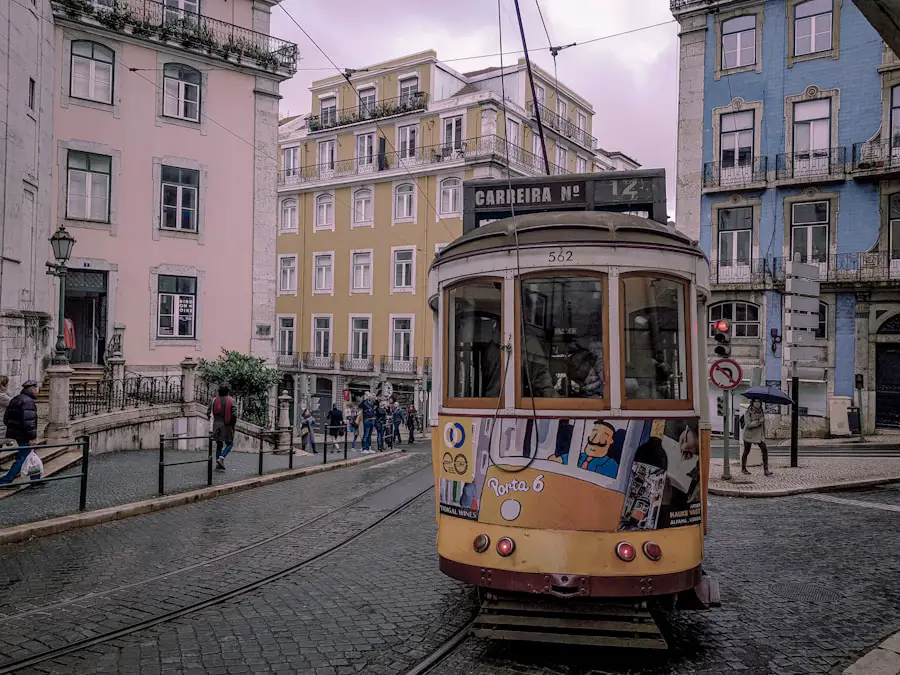
From roughly November through March, rain becomes more frequent in the Andes and much of the Amazon. The highlands turn green, waterfalls grow stronger, and visitor numbers are often lower outside holiday periods. Rain usually falls in bursts rather than as a constant all-day downpour, but prolonged storms can occur.
The main drawbacks are muddy trails, cloudier mountain views, landslide risk, and possible road or rail delays. The regulated Inca Trail network closes during February for annual conservation and maintenance. Machu Picchu itself normally remains open, but access conditions and transport can still be affected by severe weather.
In the Amazon, the wetter period changes river levels and access rather than simply making the region “better” or “worse.” Some boat routes become easier at high water, while hiking conditions may be muddier. Choose a lodge and itinerary first, then ask which season best supports its excursions.
Warning: During the rainy season, leave buffer time before international flights and check official transport updates. Heavy rain can disrupt roads, rail service, and trekking routes with little notice.
The Shoulder Season: A Practical Compromise
April, October, and early November can work well for travelers who want a balance of manageable weather and fewer peak-season crowds. April follows the wettest highland months, so the scenery is green and some trails may still be soft. October is warmer than midwinter but brings a rising chance of afternoon showers.
May and September also function as edge-of-season months. They often provide dry-season conditions without the same concentration of visitors seen in June, July, and August. Prices and crowd levels still depend on holidays, festivals, and local events, so shoulder season does not guarantee a bargain.
Peru Month by Month
January and February
These are among the wettest months in the Andes. Expect green landscapes, muddy trekking routes, and a higher chance of transport delays. The Inca Trail network closes in February for maintenance. Lima is warm, making this a better period for the central coast than for a trek-heavy highland trip.
March and April
Rain gradually eases in the highlands. March can still be very wet, while April often delivers greener scenery with improving trail conditions. Semana Santa can increase domestic travel and hotel demand in cities known for major Holy Week events, including Ayacucho and Cusco.
May and June
May usually marks the start of more reliable trekking weather. June is dry and festive, with Inti Raymi on June 24, but nights in the Andes become colder and demand increases.
July and August
These are prime trekking months with generally dry days and cold highland nights. They also fall within Peru’s busiest international travel period, so reserve major attractions and transport well ahead.
September and October
September often remains dry, while October begins the transition toward the rainy season. These months suit travelers who want trekking conditions with less midyear crowd pressure, though afternoon showers become more likely later in October.
November and December
Rain increases across the Andes and Amazon. Early November can still work as a shoulder period, while December brings holiday travel and warmer weather on the coast. Build flexibility into highland itineraries.
Planning Machu Picchu and the Inca Trail
Machu Picchu uses timed, route-specific admission. The official site currently organizes visits through three circuits containing several routes, and tickets are sold through Peru’s Ministry of Culture platform. Review the route descriptions before buying because each circuit emphasizes different viewpoints and sectors of the site.
- Buy from the official portal: Use Tu Boleto, the Ministry of Culture ticket platform.
- Review the current routes: Check the official Machu Picchu circuits and routes before selecting a ticket.
- Plan regulated treks early: Inca Trail access is limited and must be arranged through an authorized operator. February is unavailable because the trail network closes for annual maintenance.
- Keep weather flexibility: Rain, landslides, strikes, or maintenance can affect transport even when your entrance ticket remains valid.
The “best” month is the one that matches your main region: dry-season trekking weather in the Andes does not mean warm beach weather in Lima or rain-free days in the Amazon.
Altitude Considerations
Altitude affects travelers in every season. UNESCO places Cusco at about 3,400 meters (11,150 feet), while Machu Picchu stands at 2,430 meters (7,970 feet). Many visitors therefore sleep higher in Cusco than they do when visiting Machu Picchu.
Headache, nausea, dizziness, unusual fatigue, and poor appetite can be signs of acute mountain sickness after a rapid ascent. Fitness does not protect you. The safest planning tool is a gradual itinerary: the CDC advises allowing time to acclimatize, limiting hard exercise during the first 48 hours, and avoiding alcohol during that period.
When practical, spend one or two nights at a lower elevation in the Sacred Valley before sleeping in Cusco or heading higher. Do not continue ascending when altitude symptoms are worsening. Travelers with a history of altitude illness, heart or lung disease, pregnancy, or a rapid high-altitude itinerary should discuss the trip with a clinician.
Warning: Confusion, trouble walking straight, severe breathlessness at rest, chest congestion, or worsening symptoms are medical emergencies. Descend and seek urgent care. Do not rely on tea, oxygen cans, or over-the-counter tablets to continue climbing.
Note: Coca tea is a traditional Andean drink, but evidence that it prevents altitude illness is limited. Acetazolamide, also sold as Diamox, is a different medication that can speed acclimatization for some travelers. “Sorojchi” or “soroche” tablets are not another name for acetazolamide and may contain aspirin, caffeine, or other ingredients. Ask a clinician about medication before travel rather than treating the products as interchangeable.
Packing Tips for Peru’s Seasons and Regions
Layers are useful in every season because a single itinerary can move from warm lowlands to cold mountain passes. Choose clothing for your regions rather than packing for a single national forecast.
- Andes in the dry season: Bring sun protection, breathable daytime clothing, a warm fleece or insulated jacket, gloves, and a hat for cold mornings and nights.
- Andes in the wet season: Add a waterproof jacket or poncho, pack cover, quick-drying pants, and footwear with dependable traction.
- Coast: Pack light clothing for summer, but include a sweater or light jacket for Lima’s cool, damp winter evenings.
- Amazon: Choose lightweight long sleeves, quick-drying clothing, rain protection, insect repellent, and closed footwear.
Shoulder-season travelers need both sun and rain protection. A compact lightweight insulating layer is useful for cool mornings without taking much pack space.
Pro Tip: Carry a light rain shell even during the Andean dry season. Mountain weather can shift quickly, and a shell also blocks wind at exposed viewpoints.
Festivals and Events to Consider
Festival dates can improve a trip culturally while making accommodation and transport harder to secure.
- Virgen de la Candelaria, Puno: Celebrated each February with religious events, music, dance, and elaborate costumes. The festivity is recognized by UNESCO as intangible cultural heritage.
- Semana Santa: Holy Week falls in March or April, depending on the year. Ayacucho is especially well known for its processions, while Cusco also hosts major observances.
- Inti Raymi, Cusco: Held on June 24, with the main staged ceremonies at Qorikancha, the Plaza de Armas, and Saqsaywaman.
- Peruvian Independence celebrations: July 28 and 29 bring public events and heavier domestic travel in many parts of the country.
Book earlier around these dates and confirm the exact annual program. Some ceremonies, road closures, and ticket arrangements change from year to year.
Choosing the Best Time for Your Peru Adventure
Choose May through September when trekking and clear Andean views are the priority. Choose December through March for warmer weather in Lima and on much of the central coast. Consider April, October, or early November when you can tolerate occasional rain and value a less crowded highland trip.
For an itinerary that combines Lima, Cusco, Machu Picchu, and the Amazon, May or September is often the easiest compromise. Whatever month you choose, reserve Machu Picchu through official channels, allow time for altitude adjustment, and keep some flexibility for weather.
If your trip includes camping or a multi-day trek, compare insulation, packed size, and temperature rating when choosing a sleeping bag for backpacking travel. Cold Andean nights can occur even during the driest months.
Frequently Asked Questions
What is the best month to visit Peru?
May and September are strong all-around choices for many first-time visitors. They usually provide relatively dry Andean weather with less midyear crowd pressure than July and August. The best month still depends on whether your priority is trekking, the coast, or the Amazon.
When is the best time to visit Machu Picchu?
May through September usually offers the driest conditions and clearest mountain views. April and October can be good alternatives with a greater chance of rain but less peak-season pressure.
When is the rainy season in Peru?
The main rainy period in the Andes and Amazon is roughly November through March, with January and February often among the wettest months. The coast follows a different pattern and receives little rain in many areas.
Is Machu Picchu open in February?
Machu Picchu normally remains open in February, but the regulated Inca Trail network closes for annual maintenance. Heavy rain can also affect trains, roads, and alternative trekking routes, so confirm current conditions before travel.
What are Peru’s shoulder-season months?
April, October, and early November are the clearest shoulder periods. May and September also sit near the edges of peak season and can provide favorable trekking weather with fewer visitors than July and August.
How many days should I allow to adjust to Cusco’s altitude?
Plan at least one or two easy days before strenuous activity, and consider sleeping first in the lower Sacred Valley. Individual responses vary, so stop ascending if symptoms worsen and seek medical help for severe breathlessness, confusion, or trouble walking.
What is the best time to visit both Peru’s coast and Andes?
May or September is often the simplest compromise. The Andes are usually relatively dry, while coastal conditions remain workable even though Lima may be cooler and cloudier than during its summer.
Sources
- PROMPERÚ — Climate in Peru — supports the country’s regional and seasonal climate patterns.
- Ministry of Culture of Peru — Machu Picchu Circuits and Routes — supports current route-based visitor planning.
- SERNANP — 2026 Inca Trail Maintenance Closure — confirms the February closure and March reopening.
- UNESCO — Historic Sanctuary of Machu Picchu — confirms Machu Picchu’s elevation and Andean-Amazon setting.
- UNESCO — City of Cuzco — confirms Cusco’s approximate elevation.
- CDC Yellow Book — High-Altitude Travel and Altitude Illness — supports acclimatization, symptom, medication, and emergency guidance.

