Last Updated on September 11, 2026 by Daniel Globe
Patagonia is vast, so the best low-crowd month depends on where you go and what you want to do. For a classic hiking trip with most seasonal services still running, early November and the second half of March usually offer the best balance. You may find more space than in January or February, but you must still plan for wind, cold snaps, and sudden trail closures.
Quick Answer
Choose early November for longer spring days, active wildlife, and fresh green scenery. Choose late March for autumn color and a calmer feel. Neither month is quiet everywhere: March remains busy in El Chaltén, and both months can bring strong wind, rain, sleet, or snow.
Key Takeaways
- Early November works well for long days, spring scenery, and wildlife, though snow and high winds are still possible.
- Late March is best for autumn color, but it is still part of the high season in some hiking hubs.
- January and February offer the most dependable summer access, but they also bring the greatest demand for rooms, buses, tours, and campsites.
- Check official park alerts, border status, trail rules, and transport schedules shortly before each travel day.
Disclosure: As an Amazon Associate I earn from qualifying purchases. Some links on this page are affiliate links, at no extra cost to you.
When Is the Best Time to Visit Patagonia?
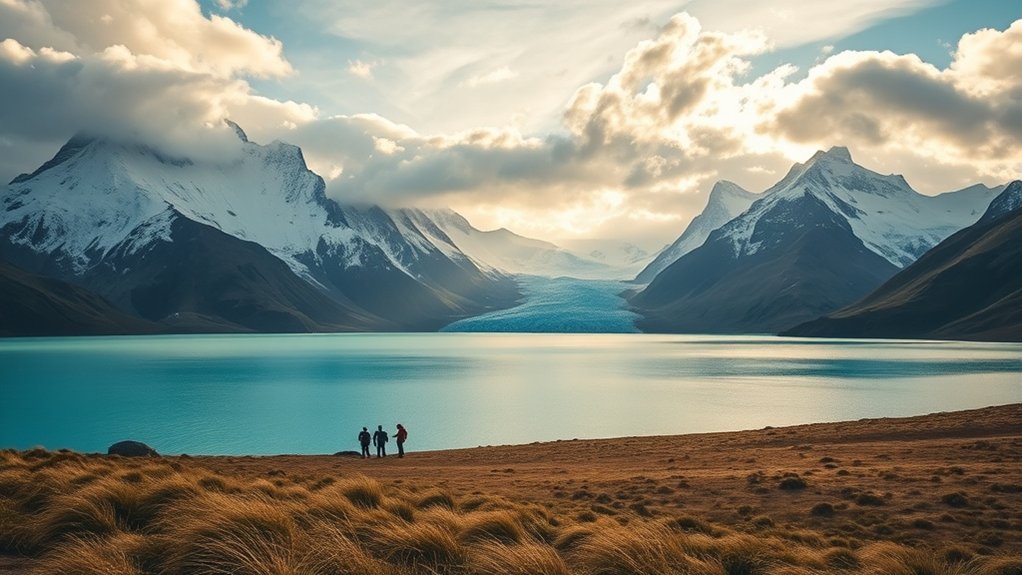
For fewer crowds without giving up most warm-season services, aim for early November or late March. These dates sit near the edges of Patagonia’s main outdoor season. They are often calmer than January and February, but they are not true low season everywhere.
On the Argentine side, official tourism guidance describes November through March as a strong period for trekking, glaciers, and outdoor travel. El Chaltén also treats January through March as high season, so March lodging can still sell out. On the Chilean side, March begins the broader low-season period, but major routes in Torres del Paine can close early when snow, ice, wind, or rockfall raise safety risks.
Note: “Shoulder season” is a useful planning label, not a fixed rule. Patagonia covers several climate zones in Argentina and Chile, and each park, town, hotel, and tour operator may define its seasons differently.
| Period | Crowd and access trade-off |
|---|---|
| Early November | Long spring days and rising service levels; moderate demand, with possible snow, mud, and wind. |
| January–February | Best summer access and longest daylight, but the greatest pressure on lodging, campsites, buses, and viewpoints. |
| Late March | Autumn color and somewhat lower demand in some areas; still busy in El Chaltén and vulnerable to early cold-weather closures. |
| October or April | Usually quieter, but more tours, refugios, transport links, and high routes may be limited or closed. |
Why Visit Patagonia in Shoulder Season
A well-timed November or March trip can give you more room on popular paths, more choice in some towns, and softer seasonal light. The trade-off is less predictable weather and a greater need to confirm what is open.
Fewer Crowds, Better Views
Outside the January–February peak, trailheads and viewpoints may feel less rushed. That gives you more time to watch changing light, listen for wildlife, and stop without blocking a busy path. The difference is often clearest early in November or late in March rather than during holiday weeks.
CONAF reported 367,426 visitors to Torres del Paine in 2024, which helps explain why traveling outside the main January–February rush can improve the experience.
Mild Weather Windows
Spring and early autumn can produce excellent hiking days, but there is no dependable Patagonia-wide temperature range. Ushuaia remains cool even in summer, while inland valleys and northern lake districts can be warmer. Plan for cold mornings, mild afternoons, sharp windchill, and rapid changes in visibility.
November gives you longer daylight as summer approaches. March days shorten quickly, but the lower sun can bring rich color to lenga forests and mountain slopes. In either month, start long hikes early and carry a headlamp.
Easier Lodge Availability
You may find more rooms than in January or February, especially when your dates are flexible. However, El Chaltén remains busy through March, and the W and O trekking corridors in Torres del Paine require advance planning. Compare direct rates, read cancellation terms, and reserve the nights that control your route before buying nonrefundable transport.
Pro Tip: Add one uncommitted weather day for each major hiking hub. That buffer is often more valuable than adding another tightly scheduled tour.
What Weather to Expect in November and March?
November is late spring and March is early autumn in the Southern Hemisphere. Both months can feel pleasant in the sun and wintry when wind, cloud, or precipitation arrives. Conditions differ sharply between Bariloche, El Calafate, Torres del Paine, and Ushuaia, so use a town-level forecast rather than a single Patagonia forecast.
| Factor | November | March |
|---|---|---|
| Seasonal feel | Spring growth, lingering snow, and longer days | Cooler nights, shorter days, and autumn color later in the month |
| Wind | Frequent; exposed routes can become difficult | Still frequent; storms can trigger short-notice closures |
| Trail surface | Mud, snow patches, and wet roots are possible | Rain, frost, early snow, and icy high sections are possible |
| Best advantage | Long daylight and spring wildlife activity | Autumn scenery and lower demand in some destinations |
Warning: Do not treat March as guaranteed summer. In March 2026, CONAF temporarily closed major Torres del Paine routes because of wind, precipitation, rockfall risk, snow, and ice. Check the park’s official alerts on the morning of your hike.
What Fewer Crowds Mean for Your Trip
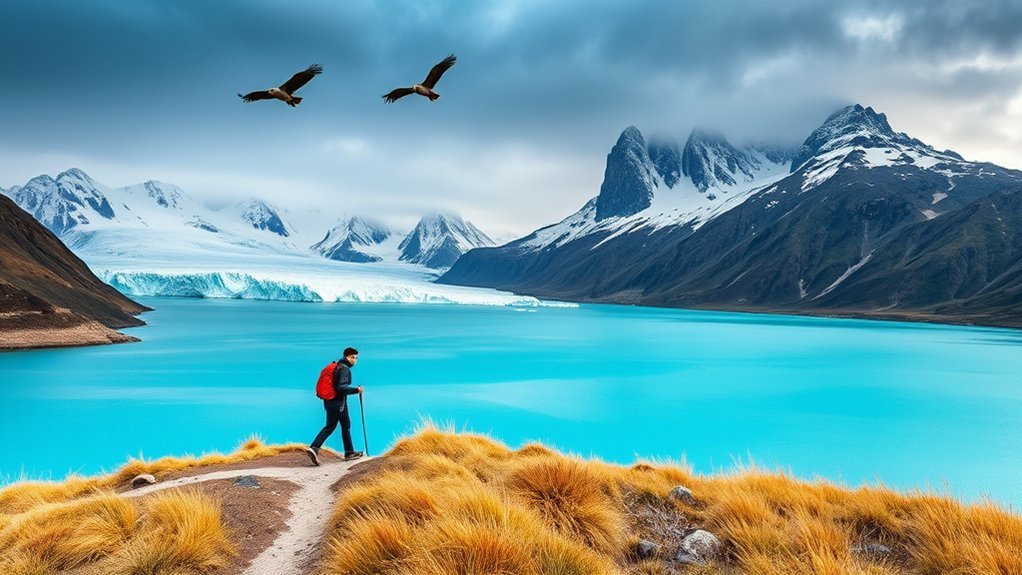
Lower demand can improve your pace and make last-minute adjustments easier. It does not remove the need to book route-critical services or follow park rules.
Quieter Trails, Better Pace
With fewer large groups, you can pause at overlooks and move at a safer speed. Quieter trails may also improve wildlife viewing, but sightings are never guaranteed. Stay on marked paths, keep noise low, and never feed or approach wild animals.
Easier Lodging Availability
Hotels, hostels, refugios, and cabins may have more openings outside the central summer peak. The best-located properties can still fill months ahead, especially in El Chaltén, El Calafate, Puerto Natales, and inside or near Torres del Paine. Book refundable rates when possible because weather can change your route.
More Flexible Itineraries
A lighter schedule makes it easier to swap a mountain day for a glacier visit, museum, scenic drive, or town day when weather turns. Keep at least one indoor or low-elevation alternative for each base, and avoid making a border crossing and a major hike dependent on the same day.
Best Places to Visit in Patagonia in Shoulder Season
Choose a small number of hubs instead of trying to cover the whole region. Patagonia’s distances are large, and slower travel gives you room for delays.
- Torres del Paine, Chile: Best for granite peaks, multi-day trekking, lakes, and guanacos. Buy park entry through the official Pases Parques page and check CONAF alerts before travel.
- El Chaltén and northern Los Glaciares, Argentina: Best for day hikes to Fitz Roy and Cerro Torre viewpoints. January through March is still high season, so reserve lodging early.
- El Calafate and Perito Moreno Glacier: Best for glacier viewpoints, boat trips, and easier day touring. The main glacier corridor operates year-round, with seasonal access hours.
- Ushuaia and Tierra del Fuego: Best for Beagle Channel trips, cool-weather hiking, penguin excursions, and Fuegian food. Expect colder conditions than in northern Patagonia.
- Península Valdés: Best for coastal wildlife. Magellanic penguins are generally present from September to March, while orca activity near Punta Norte is associated with March through May.
- Bariloche and the Lakes District: Best for road trips, forests, lakes, and a wider choice of indoor activities when mountain weather changes.
How to Choose Between November and March
Choose November If You Want
- Longer daylight for full-day hikes and scenic drives
- Spring growth, waterfalls, and possible wildflower displays
- Penguins and other seasonal wildlife returning to coastal areas
- A trip before the main January–February rush
Choose March If You Want
- Autumn color, especially later in the month
- Cooler hiking conditions and softer light
- A chance to combine hiking with the March–May orca season at Península Valdés
- Potentially easier availability after the central summer peak
Choose November for daylight and spring energy. Choose late March for fall scenery. Pick October or April only when you are comfortable with more limited services and a higher chance of winter-style conditions.
What to Pack for Patagonia’s Changeable Weather
Build a simple layering system that works in sun, rain, and wind. Avoid heavy cotton clothing for exposed hikes because it dries slowly.
- Base layer: Quick-drying top and hiking socks
- Mid layer: Fleece or light wool sweater
- Insulation: Packable synthetic or down jacket protected from rain
- Outer shell: Waterproof, windproof jacket with a secure hood
- Footwear: Broken-in hiking boots or trail shoes suited to mud and rock
- Accessories: Warm hat, gloves, neck gaiter, sunglasses, and sunscreen
- Day-hike safety: Water, food, map or offline navigation, headlamp, small first-aid kit, and an emergency layer
Argentina’s National Parks Administration advises visitors to Los Glaciares to carry warm and waterproof clothing, trekking footwear, extra food and water, sunglasses, a flashlight, and sunscreen. It also warns that mobile service may be weak or absent.
How to Plan Around Borders and Transport
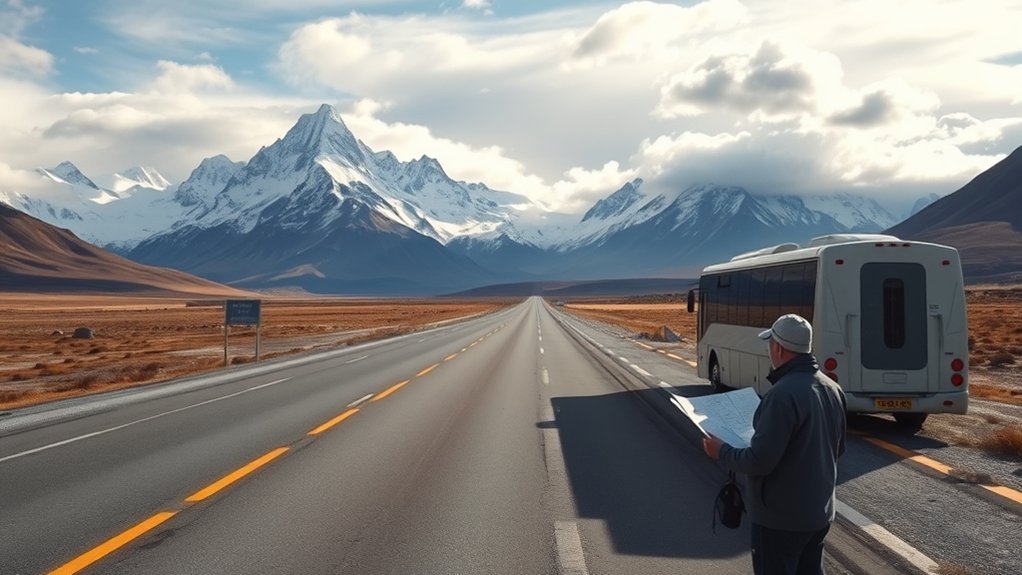
Crossing between Argentina and Chile can make an itinerary much richer, but border hours and road conditions can change. Check the live status of the exact crossing on Argentina’s international border-pass portal and confirm the Chilean side’s hours before departure.
- Allow flexible time: Immigration, customs, agricultural checks, tour-bus queues, and weather can make the process short or lengthy. There is no dependable two-hour rule.
- Declare food: Chile requires travelers to declare plant and animal products. Fresh produce and other items are not governed by one simple “open package” rule; a SAG inspector decides whether an item may enter. Review the official SAG entry guidance.
- Check rental-car permission: Many rental vehicles need advance written authorization and country-specific insurance for a border crossing. Confirm this with the rental company before paying.
- Use buses for common links: El Calafate–El Chaltén services run year-round, with more departures during the October–April tourist season. Cross-border links may be seasonal.
- Use flights to reduce long transfers: Domestic flights can save time, but fares change constantly. Compare the total cost, baggage rules, airport transfers, and the risk of separate-ticket connections.
Warning: Never carry undeclared food into Chile. Declare every plant or animal product, even when it is packaged, dried, cooked, or sealed.
Where to Eat and Stay in Shoulder Season
Patagonian lamb is a regional specialty, often slow-roasted beside a fire on a metal cross. In Ushuaia, king crab and other cold-water seafood are also local highlights. Calafate-berry desserts and preserves appear across southern Argentina.
In El Calafate, La Tablita is a long-running grill known for Patagonian lamb. In El Chaltén, Los Cerros Boutique Hotel offers a central base with valley views. The Feria de Artesanos in Ushuaia is better described as an artisan market for handmade goods than as a food market; look to restaurants and cafés for empanadas, lamb, seafood, and calafate flavors.
Shoulder-season hours can be shorter, and some properties close between outdoor seasons. Confirm opening dates directly, reserve dinner in small towns, and keep a backup meal option for late arrivals.
Best Things to Do in a Quieter Patagonia
Use the quieter edges of the summer season for activities that benefit from space, flexible timing, and soft light.
| Season | Best experiences |
|---|---|
| Spring / November | Magellanic penguins, longer hiking days, waterfalls, green valleys, and spring photography |
| Autumn / March | Lenga-forest color, cool-weather trekking, golden light, and Península Valdés orca season |
- Hike a shorter trail at sunrise, then keep the afternoon open for changing weather.
- Visit Perito Moreno Glacier early or late in the access window.
- Photograph lenga forests near El Chaltén, Ushuaia, or Torres del Paine.
- Take a wildlife trip with a licensed local operator and keep a respectful distance.
- Spend a bad-weather day in a museum, café, estancia, or visitor center.
- Visit artisan markets and buy directly from local makers.
How Long to Spend in Patagonia
Ten days is enough for one focused region or two nearby hubs. Two weeks is a better minimum for a cross-border trip, while three weeks gives you useful weather buffers and less rushed travel.
- 7 days: El Calafate and El Chaltén, or Puerto Natales and Torres del Paine
- 10 days: One major trekking hub plus a glacier or wildlife destination
- 14 days: El Calafate, El Chaltén, Puerto Natales, and Torres del Paine with a border crossing
- 18–21 days: Add Ushuaia, Bariloche, or Península Valdés without turning every day into a transfer
Patagonia Shoulder-Season Booking Checklist
- Choose one region before selecting flights.
- Reserve route-critical campsites, refugios, and remote lodges.
- Book refundable town lodging around the fixed nights.
- Confirm park tickets, trail rules, and seasonal opening dates.
- Check whether tours operate on your exact dates.
- Verify border permission and insurance for any rental car.
- Download offline maps and save emergency contacts.
- Recheck weather, roads, trails, and border status 24–48 hours before each move.
Frequently Asked Questions
When should you not visit Patagonia?
Avoid winter for a first classic trekking trip unless you have the right experience, equipment, and guides. Many high routes and seasonal services close or become much harder from May through September. January and February are not bad months, but they are the busiest. March is often excellent, not a month to avoid.
How much time do you need in Argentine Patagonia?
Plan at least 10 days for El Calafate and El Chaltén at a comfortable pace. Allow about two weeks for several southern hubs, and 18–21 days when adding Ushuaia, Bariloche, or a long overland route.
What is the top predator in Patagonia?
The puma is the best-known terrestrial apex predator across much of Patagonia. Marine ecosystems are different, and orcas are major predators along parts of the Patagonian coast. Wildlife sightings depend on habitat, season, weather, and luck.
What is Patagonia’s national food?
Patagonia is a region, not a country, so it has no official national food. Patagonian lamb is one of its best-known regional dishes. In Tierra del Fuego, king crab and other seafood are also important local specialties.
Is November or March better for Patagonia?
November is better for longer daylight, spring growth, and early-season wildlife. March is better for autumn color and cooler hiking days. Choose early November or late March for the strongest chance of avoiding the central summer peak.
Do you need to book Patagonia in advance?
Yes for route-critical lodging, campsites, refugios, park entry, popular tours, and some buses. Town hotels may be easier to find in early November or late March, but El Chaltén and Torres del Paine can still be busy.
Conclusion
For a quieter Patagonia hiking trip, early November and late March are smart targets, but neither is a guaranteed low season. November gives you longer spring days; March brings autumn color. In return for fewer peak-season crowds, you accept faster weather changes and a greater chance of limited services or trail closures. Keep the route focused, book the essentials, pack for four seasons, and leave room to change plans.
Sources
- CONAF — Torres del Paine National Park — official alerts, trail conditions, access rules, and seasonal closures.
- Pases Parques — Torres del Paine — official park-entry information, hours, and current requirements.
- Argentina National Parks — Los Glaciares Visitor Recommendations — weather, hiking gear, trail safety, camping, and low-signal guidance.
- Argentina Government — International Border Passes — live crossing status and official operating information.
- Chile Agricultural and Livestock Service — Entry to Chile — mandatory declaration and inspection of plant and animal products.
- Argentina Travel — Patagonian Marine Wildlife Calendar — penguin and orca viewing seasons.