Last Updated on July 28, 2026 by Daniel Globe
Alaska is not a one-season destination. Summer brings long days, the widest choice of tours, and the easiest road access, while fall and winter offer dark skies, snow activities, and better northern-lights viewing. The best time to visit depends on where you plan to go and what you most want to experience.
Quick Answer
For most first-time visitors, the best time to visit Alaska is June through August because the weather is mild, daylight is long, and the most tours are operating. Choose May or September for fewer crowds, or travel from late August through early April when northern-lights viewing is the priority.
Key Takeaways
- June through August: Best for mild weather, long daylight, wildlife tours, hiking, fishing, cruises, and first-time trips.
- May and September: Often less crowded and less expensive, but some tours and seasonal businesses may have limited schedules.
- Late August through early April: The main northern-lights viewing period, provided skies are dark and clear.
- Weather: Conditions vary sharply by region, so pack waterproof outerwear and warm layers even in summer.
- Wildlife: Moose, caribou, bears, whales, sea otters, puffins, and eagles may be seen, but sightings are never guaranteed.
- Transportation: Alaska trips often combine driving, rail, ferries, boats, and flights because many communities are not connected by road.
- Reservations: Book popular summer lodging, park transportation, cruises, and wildlife tours early.
Disclosure: As an Amazon Associate I earn from qualifying purchases. Some links on this page are affiliate links, at no extra cost to you.
Best Time to Visit Alaska by Season
There is no single best month for every traveler. Summer is the easiest season for a first trip, but spring, fall, and winter each offer a different balance of weather, prices, daylight, and activities.
| Season | Best For | Main Trade-Offs |
|---|---|---|
| June–August | First visits, road trips, cruises, hiking, fishing, wildlife tours, and long daylight | Highest demand, higher prices, mosquitoes, and limited darkness for aurora viewing |
| May | Lower crowds, drier conditions in many areas, spring scenery, and early-season savings | Some trails, park roads, tours, and businesses may not yet be fully open |
| September | Fall color, fewer visitors, cooler hiking weather, and the return of dark skies | Increasing rain or snow risk, shorter days, and reduced tour schedules |
| October–April | Northern lights, dog mushing, skiing, snowmobiling, winter festivals, and snowy scenery | Cold weather, short daylight, icy roads, fewer tours, and weather-related delays |
Note: Alaska’s seasons do not change at the same pace statewide. Snow may linger in the mountains after low-elevation trails have opened, and communities in Southeast Alaska can have very different weather from Fairbanks or the Arctic.
Alaska Weather and Temperature
Alaska is too large for one statewide forecast or temperature range. Maritime areas are generally cooler and wetter, while the Interior has warmer summers and much colder winters. Always check the local National Weather Service forecast for each stop rather than relying on a statewide average.
| Region | Typical Summer Pattern | What to Expect |
|---|---|---|
| Inside Passage Juneau, Ketchikan, Sitka |
Cool to mild, often in the 50s and 60s | Frequent clouds and rain; waterproof clothing is essential |
| Southcentral Anchorage, Kenai Peninsula, Mat-Su |
Mild days, commonly in the upper 50s to upper 60s | Fast weather changes, cool coastal winds, and colder mountain conditions |
| Interior Fairbanks, Denali area |
Warmer and drier; July highs often reach the 70s and can rise into the 80s | Large temperature swings, mosquitoes, thunderstorms, and possible wildfire smoke |
| Arctic Utqiaġvik, Coldfoot, Brooks Range |
Cooler, windier, and highly variable | Tundra conditions, limited services, remote travel, and possible summer cold or snow |
| Southwest and Aleutians | Cool, maritime, windy, and often wet | Frequent flight disruptions and rapidly changing marine weather |
Winter differences are even greater. Fairbanks and Arctic communities can fall well below 0°F, while Southeast coastal communities usually have milder but wetter winter conditions. Snow and ice can appear during spring and fall, especially at higher elevations.
Pro Tip: Check the forecast for your exact destination on the evening before an excursion. A sunny forecast in Anchorage does not describe conditions at a glacier, mountain pass, coastal fjord, or Interior trail.
Outdoor Activities
Alaska’s outdoor activities change with the season and region. In summer, visitors can hike, paddle, fish, take glacier cruises, join wildlife tours, camp, and explore national parks. Long daylight gives travelers more flexibility, but it does not remove the need to plan turnaround times or carry emergency supplies.
Summer Activities
- Hiking: Choose maintained trails near Anchorage, Juneau, Fairbanks, the Kenai Peninsula, or national-park visitor areas unless you have backcountry navigation experience.
- Kayaking and rafting: Guided trips are the safer choice around glaciers, tidal water, and fast rivers.
- Fishing: Salmon and other fishing opportunities vary by location, run timing, regulations, and permit requirements.
- Glacier viewing: Day cruises, road-accessible viewpoints, flightseeing, and guided walks offer different levels of access.
- Camping: Reserve popular summer campgrounds early and follow local food-storage rules.
Winter Activities
Winter visitors can try cross-country skiing, downhill skiing, snowshoeing, dog-sled tours, snowmobiling, ice fishing, and aurora excursions. Conditions can be severe, so beginners should use maintained routes or reputable guides rather than treating a winter trail like a summer hike.
Warning: Cold, wind, wet clothing, and an unexpected delay can cause hypothermia even when temperatures are above freezing. Carry insulation, rain protection, food, water, navigation, and a way to call for help. Tell someone where you are going and when you expect to return.
Wildlife Viewing
Alaska supports moose, caribou, brown bears, black bears, Dall sheep, wolves, sea otters, seals, whales, puffins, bald eagles, and many other species. What you can see depends on the region, habitat, season, and simple luck.
Denali is well known for large mammals, while Kenai Fjords, Glacier Bay, Prince William Sound, and Southeast Alaska offer marine-wildlife opportunities. Moose may appear near roads and communities, but that does not make them tame. Coastal boat tours can provide chances to see humpback whales, orcas, sea otters, sea lions, puffins, and other seabirds.
Wildlife Viewing by Season
- Spring: Migrating birds return, bears emerge, and marine tours begin in many coastal areas.
- Summer: The widest range of land and marine wildlife tours operates, though vegetation can make some land animals harder to spot.
- Fall: Moose and caribou activity may increase during breeding seasons, but visitors must give animals extra space.
- Winter: Tracks are easier to see in snow, but many wildlife tours are limited and some animals are less active or harder to access.
Warning: Never approach, follow, surround, or feed wildlife. In Denali, the National Park Service advises staying at least 300 yards from bears and 25 yards from other animals. Carry bear spray where appropriate, keep it accessible, and learn how to use it before entering bear country. TSA does not allow bear spray in carry-on or checked baggage, so rent or purchase it after arrival.
Northern Lights
| Alaska Location | Viewing Potential | Practical Viewing Period |
|---|---|---|
| Fairbanks and Interior Alaska | Strong potential with frequent clear, dark winter nights | Late August or early September through early April |
| Anchorage and Southcentral | Possible during stronger displays; travel away from city lighting | Fall through early spring |
| Arctic Alaska | Excellent darkness and latitude, but weather and access are challenging | Fall, winter, and early spring when the sky is dark |
| Southeast Alaska | Possible, but persistent cloud cover can reduce opportunities | Fall through early spring |
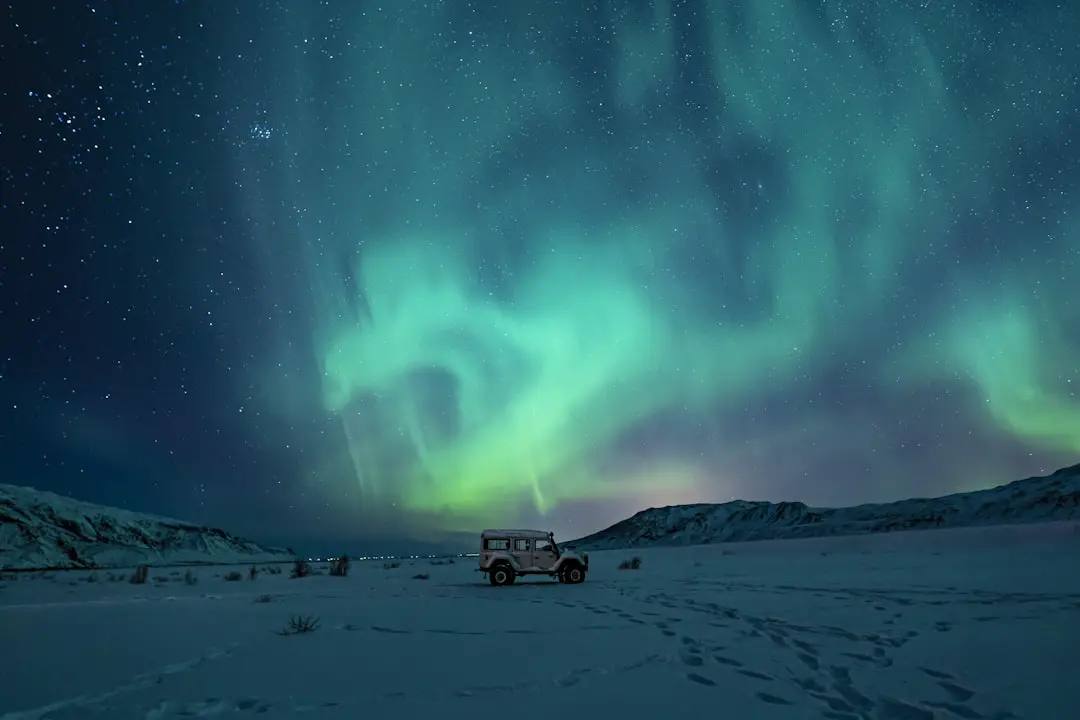
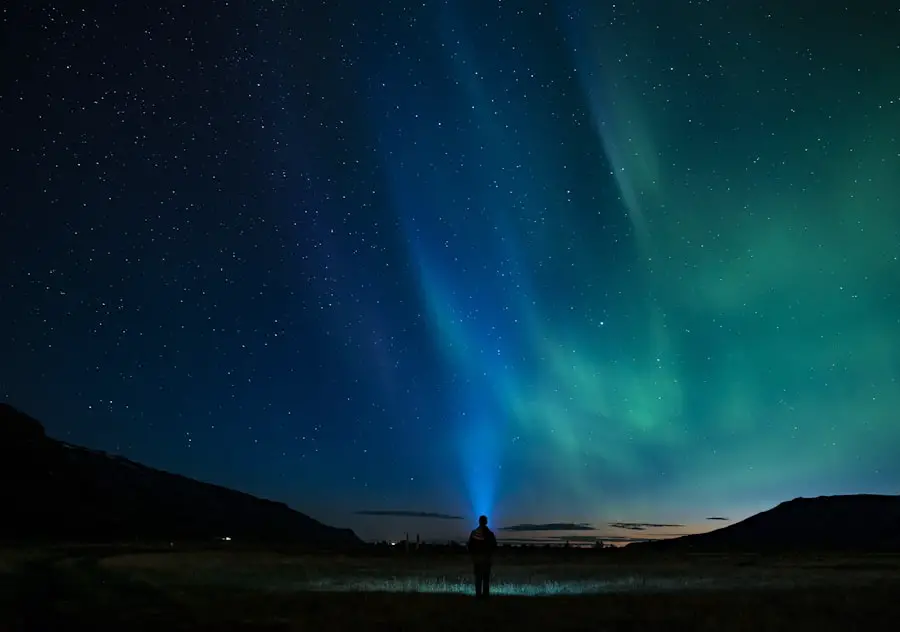
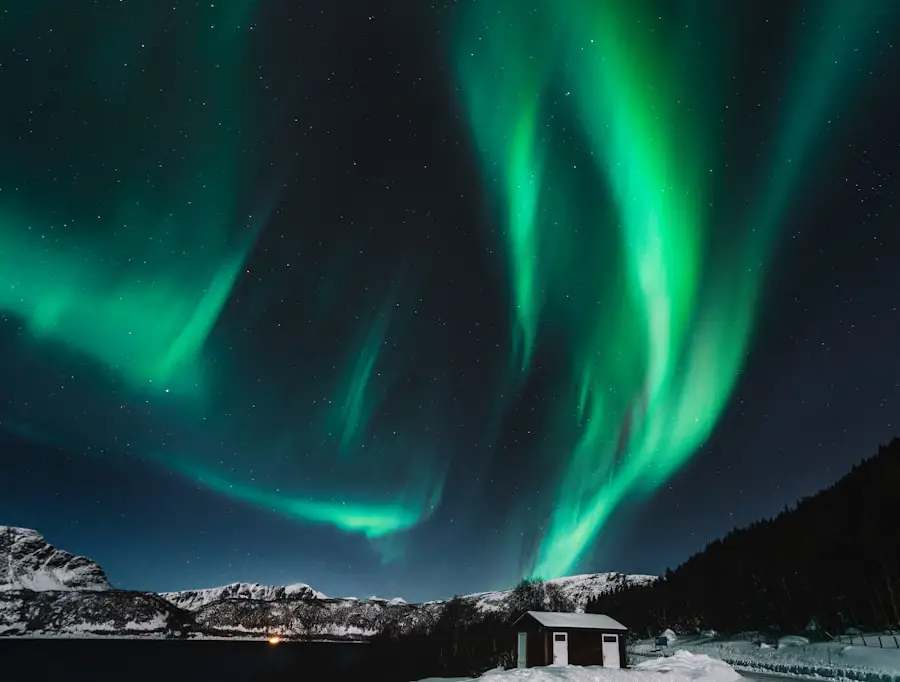
The aurora borealis forms when charged particles interact with gases in Earth’s upper atmosphere. Displays may appear green, pink, red, violet, or white, but color and brightness vary. The lights can occur at any hour of darkness, although the University of Alaska Fairbanks Geophysical Institute identifies the hours around midnight—roughly 9 p.m. to 3 a.m.—as a productive viewing window in Interior Alaska.
Darkness alone is not enough. You also need clear skies and sufficient auroral activity. Even a multi-night tour cannot guarantee a display.
Pro Tip: Stay at least three nights in one aurora-friendly location instead of changing hotels every day. A longer stay gives you more chances to work around clouds and weak activity.
Cultural Festivals and Events
Alaska’s festivals include summer-solstice celebrations, Alaska Native games and arts events, winter carnivals, music festivals, fishing celebrations, and dog-mushing races. Examples include the World Eskimo-Indian Olympics in Fairbanks, the Midnight Sun Festival, the Iditarod Trail Sled Dog Race, and community events held throughout the Inside Passage, Southcentral, Interior, and Arctic regions.
Dates, venues, and visitor access can change each year, so check the official calendar before planning a trip around one event. Lodging and transportation may sell out quickly in smaller communities.
Alaska Native cultures are living cultures, not historical attractions. Cultural centers, museums, Native-owned tours, artist demonstrations, dance events, and community programs can help visitors learn directly from local people. The Alaska Native Values Pledge encourages visitors to respect the land, residents, sacred places, and local protocols.
Note: Ask before photographing people, artwork, ceremonies, performances, or culturally sensitive places. Buy directly from Alaska Native artists and Native-owned businesses when possible.
Cost and Accommodation
Accommodation Costs and Affordable Options
Summer is Alaska’s busiest travel season, and rooms in popular destinations can be expensive. The official state travel site notes that peak-season accommodations are commonly $200 or more per night, although prices vary widely by location, room type, and booking date.
Hotels are not the only choice. Hostels, public-use cabins, campgrounds, locally owned inns, vacation rentals, and rooms with kitchen access may reduce costs. A lower room rate outside town can be offset by rental-car, fuel, parking, or transfer costs, so compare the full trip price.
Factoring in Additional Expenses
Transportation is often the largest cost of an Alaska trip. Flights, rental vehicles, fuel, ferries, rail tickets, cruises, small-plane transfers, and guided excursions can add up quickly. Glacier landings, bear-viewing flights, fishing charters, and remote lodges usually cost far more than self-guided city walks or road-accessible hikes.
Build a weather buffer into the itinerary when taking small planes, ferries, or boats. A missed connection may require another hotel night or a changed reservation.
Dining Options and Budgeting
Dining ranges from food trucks and cafes to seafood restaurants and remote lodges. Prices are often higher in communities where supplies arrive by air or sea. A room with a refrigerator or kitchen can help lower breakfast and lunch costs, especially on a longer trip.
Travelers can also save by focusing on one region instead of trying to connect Anchorage, Southeast Alaska, Denali, Fairbanks, and the Arctic in one short visit.
Pro Tip: Spend less on repeated transportation and more time enjoying the trip by choosing one main corridor, such as Anchorage–Kenai Peninsula, Anchorage–Denali–Fairbanks, or an Inside Passage itinerary.
Getting Around Alaska
Alaska is not fully connected by road. A successful trip may combine rental cars, motorcoaches, trains, ferries, cruise ships, scheduled flights, and small aircraft. Southeast communities such as Juneau, Sitka, and Ketchikan are commonly reached by air or sea rather than by driving from Anchorage.
- Driving: Useful in Southcentral and Interior Alaska. Check Alaska DOT traveler information for construction, closures, road weather, and Alaska 511 updates.
- Rail: Useful for selected routes linking Southcentral Alaska, Denali, and Fairbanks, but it does not cover the whole state.
- Ferry: The Alaska Marine Highway System connects many coastal communities. Schedules are seasonal and advance reservations may be necessary.
- Flights: Essential for many remote, Arctic, island, and bush destinations. Weather delays are possible.
- Cruises and day boats: Convenient for the Inside Passage, glaciers, marine wildlife, and communities without road access.
Warning: Do not judge Alaska driving time from mileage alone. Gravel sections, construction, wildlife, frost damage, mountain passes, fuel stops, and changing weather can slow travel. Keep the fuel tank comfortably above empty on remote routes.
What to Pack for Alaska
Layering is more useful than packing one heavy coat. Even in July, a traveler may experience sun, rain, wind, and cold conditions during the same day.
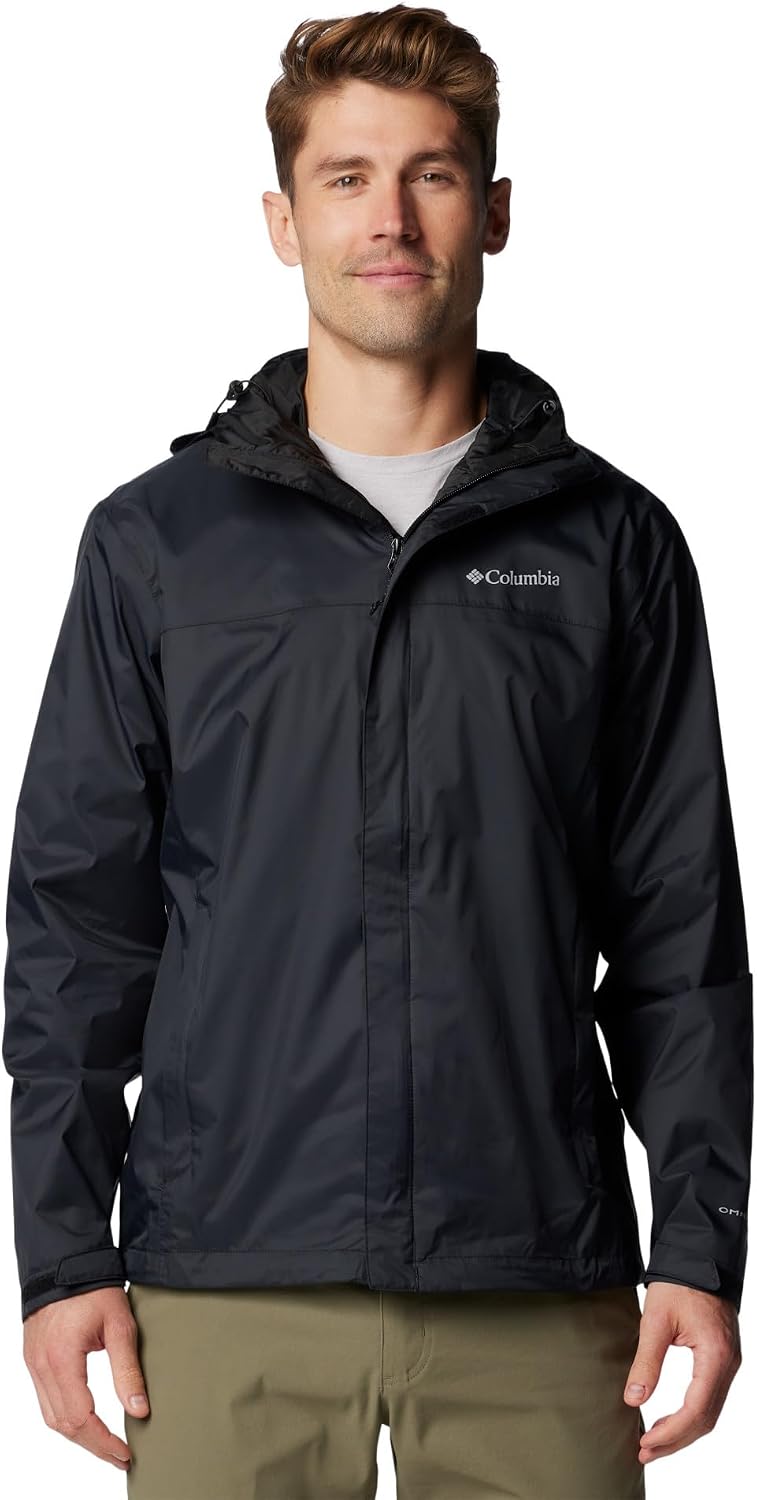
- A waterproof rain jacket with a hood
- A warm fleece, wool sweater, or light insulated jacket
- Quick-drying shirts and pants
- Comfortable waterproof walking or hiking shoes
- Warm hat and light gloves
- Sun protection, including sunglasses and sunscreen
- EPA-registered insect repellent for summer travel
- A refillable water bottle and compact snacks
- Binoculars for wildlife viewing from a safe distance
- A sleep mask for long summer daylight
- A headlamp for fall and winter travel
- Offline maps or downloaded park information
- A small dry bag for boat trips and wet-weather excursions
Backpackers should match their shelter to the expected wind, rain, insects, and overnight temperatures. This guide to choosing the best ultralight tent for backpacking can help compare weight and protection before an Alaska camping trip.
The CDC recommends EPA-registered insect repellent, loose long sleeves, and long pants to reduce mosquito bites. In summer, also check the AirNow Fire and Smoke Map when wildfire smoke could affect the Interior or other parts of the state.
Daylight Hours
Daylight changes dramatically by season and latitude. Near the June solstice, Juneau receives about 18 hours of direct daylight, Anchorage receives more than 19 hours, and Fairbanks receives more than 21 hours plus extended twilight. Farther north, some Arctic communities experience weeks when the sun does not set.
The pattern reverses in winter. Around the December solstice, Fairbanks has fewer than four hours of daylight, Anchorage about five and a half hours, and Juneau a little more than six hours. Arctic communities can experience polar night, when the sun remains below the horizon for an extended period.
Long summer days allow late-evening sightseeing, but they can disrupt sleep. Bring a sleep mask and keep a regular bedtime. In winter, schedule scenic driving and outdoor sightseeing during the limited daylight, then reserve evenings for aurora tours, dining, museums, or other nighttime activities.
Popular Tourist Attractions
Alaska attractions are spread across a vast area, so choose destinations that fit one practical route rather than collecting an unrealistic statewide wish list.
Southcentral Alaska
- Anchorage: Museums, coastal trails, cultural attractions, wildlife facilities, and a major transportation hub
- Kenai Peninsula: Seward, Homer, Kenai Fjords, fishing, hiking, marine wildlife, and glacier cruises
- Prince William Sound: Glaciers, fjords, kayaking, and day cruises from coastal communities
Interior Alaska
- Denali National Park and Preserve: Mountain scenery, wildlife, hiking, and park-bus trips subject to current road operations
- Fairbanks: Northern-lights tours, summer-solstice events, museums, hot springs, and access toward the Arctic
Inside Passage
- Juneau: Glacier access, whale watching, hiking, museums, and Alaska Native cultural experiences
- Sitka: Tlingit culture, Russian colonial history, coastal scenery, and wildlife
- Ketchikan: Totem-pole collections, rain-forest excursions, fishing, and cultural tours
- Glacier Bay: Glaciers, marine wildlife, fjords, and boat-based exploration
Remote and Arctic Alaska
Katmai, Lake Clark, Wrangell–St. Elias, Gates of the Arctic, Kobuk Valley, Nome, Utqiaġvik, and other remote destinations can be extraordinary, but they require more time, money, weather flexibility, and logistical planning than a standard road trip.
Note: Seven to ten days is a practical starting point for one major Alaska region. Visiting several distant regions often requires two weeks or more because transportation days and weather buffers take a meaningful share of the itinerary.
Frequently Asked Questions
What is the best time to travel to Alaska?
June through August is best for most first-time visitors because it offers the mildest weather, longest daylight, and widest choice of tours. May and September may provide fewer crowds and lower prices, while late August through early April is better for northern-lights trips.
What is the weather like in Alaska during summer?
Summer weather varies by region. Coastal areas are generally cool and can be rainy, while Interior Alaska is warmer and often reaches the 70s. Cold wind, rain, and sudden temperature changes are possible anywhere, so bring waterproof outerwear and layers.
What are the most popular summer activities in Alaska?
Popular activities include wildlife viewing, hiking, fishing, kayaking, glacier cruises, rail trips, flightseeing, camping, and visiting national parks. Availability depends on the region, weather, and seasonal operating dates.
Which festivals should I consider when planning an Alaska trip?
Options include the Midnight Sun Festival, World Eskimo-Indian Olympics, Iditarod events, Native arts gatherings, music festivals, fishing celebrations, and local winter carnivals. Confirm exact dates and visitor details through official event organizers before booking.
Can you see the northern lights in Alaska during summer?
The aurora may occur, but Alaska’s bright summer skies usually make it impossible to see. Dark-sky viewing commonly returns in late August or early September and continues into early April, depending on latitude and local daylight.
How many days do I need for a first Alaska trip?
Plan at least seven to ten days for one main region or travel corridor. Ten to fourteen days provides more room for Denali, the Kenai Peninsula, Fairbanks, or an Inside Passage extension without rushing every transfer.
Do I need a rental car in Alaska?
A car is useful for many Southcentral and Interior itineraries, but it is not always necessary. Rail packages, cruises, ferries, motorcoaches, flights, and guided transfers can connect selected destinations. Southeast Alaska trips commonly rely on air and sea transportation.
What should I pack for Alaska in summer?
Pack a waterproof jacket, warm mid-layer, quick-drying clothes, sturdy shoes, a hat, light gloves, insect repellent, sunscreen, binoculars, and a sleep mask. Add specialized gear for camping, boating, fishing, or remote travel.
Sources
- Travel Alaska: Alaska Weather — regional seasons, temperatures, precipitation, and trip-planning conditions
- National Park Service: Wildlife Safety in Alaska — safe wildlife distances and responsible viewing
- University of Alaska Fairbanks Geophysical Institute: Aurora Forecast — aurora activity and recommended viewing hours
- Alaska Department of Transportation: Traveler Information — road conditions, construction, weather, and Alaska 511 resources
- Alaska Marine Highway System — official ferry schedules, fares, routes, and reservations
- Centers for Disease Control and Prevention: Preventing Mosquito Bites — insect-repellent and protective-clothing guidance