

Last Updated on July 28, 2026 by Daniel Globe
The Mediterranean stretches across southern Europe, North Africa, and the eastern Mediterranean, so there is no single perfect month for every destination. Still, timing makes a major difference. Late spring and early fall are usually the easiest seasons for sightseeing, hiking, and outdoor dining, while midsummer is best for travelers who put beaches, swimming, and nightlife first.
Quick Answer
For most travelers, the best time to visit the Mediterranean is late spring, from April through June, or early fall, from September through October. These periods often combine warm weather with easier sightseeing. Choose July and August for beaches and nightlife, while winter works well for quieter city and cultural trips.
Key Takeaways
- Spring: Excellent for sightseeing, walking, cycling, nature, and comfortable outdoor days.
- Summer: Best for beaches, swimming, sailing, nightlife, and island trips, but also the hottest and often busiest season.
- Fall: A strong choice for warm-weather sightseeing, food, wine, harvest events, and often fewer crowds than midsummer.
- Winter: Often quieter and better value for city breaks and cultural trips, although some seasonal resorts and services reduce their schedules.
- Check your exact destination: Weather varies considerably between coastlines, islands, inland cities, mountains, and the northern and southern sides of the Mediterranean.
Disclosure: As an Amazon Associate I earn from qualifying purchases. Some links on this page are affiliate links, at no extra cost to you.
Best Time to Visit the Mediterranean by Travel Style
The best month depends less on the Mediterranean as a whole and more on what you want to do. Use this quick guide as a starting point, then check the normal weather and local event calendar for your exact destination.
| Sightseeing and city breaks | April–June and September–October |
| Beaches and swimming | June–September in many coastal destinations |
| Hiking and cycling | Spring and fall, avoiding the hottest periods |
| Food, wine, and harvest travel | September–November |
| Nightlife and busy island resorts | July–August |
| Quieter or lower-cost city trips | November–March outside major holidays and special events |
Pro Tip: For a trip that mixes beaches with sightseeing, September is often especially appealing. Many destinations remain warm after summer, while the most intense July and August crowds begin to ease. Conditions still vary by location, so check local forecasts before booking.
Products Worth Considering

Safe and Natural Material:When opening the product, you may notice some powder on the surface. This is simply natural cornstarch from the inside, which can seep out during shipping due to shaking or compression. It is completely non-toxic, safe, and harmless.

[Cute Preppy Sunscreen Bag for Women & Beach Lovers] Stylish clear bag with trendy blue chenille “SUN” letter patches - the perfect preppy beach accessories that women love for organized sun protection. Essential necessities for fashionable beach vacation organization and Instagram-worthy pool days.

Spring: Ideal for Sightseeing and Outdoor Activities
Spring brings longer days, greener landscapes, and generally milder conditions across many Mediterranean destinations. It is one of the easiest seasons for travelers who want to spend full days walking through historic centers, archaeological sites, villages, and coastal landscapes without relying on midsummer heat.
Official tourism information for both Spain and Italy highlights spring as a favorable period for outdoor travel. The exact conditions vary widely, however. A sunny island, an inland city, and a mountain trail can feel very different on the same day.
Spring is well suited to walking, cycling, birdwatching, and nature trips. Mediterranean wetlands, including the Camargue in southern France, attract birdwatchers, while destinations such as Cinque Terre in Italy and Crete in Greece offer memorable walking landscapes. Some mountain and gorge routes have seasonal opening dates, so always check official trail or park notices before building a trip around one hike.
Local markets also begin to fill with spring produce. That makes this a rewarding season for travelers interested in food without needing to plan around the larger harvest celebrations of fall.
One drawback is that beach conditions are less predictable than in summer. Air temperatures may feel warm while the sea is still cool, particularly early in the season or farther north.
Summer: Peak Season for Beaches and Water Sports

Summer is the classic Mediterranean beach season. Long sunny days and warm coastal conditions draw travelers to the Greek Islands, Spain’s Balearic Islands, Italy’s coast and islands, southern France, Croatia, Turkey, Malta, Cyprus, and other seaside destinations.
Popular nightlife centers such as Mykonos and Ibiza are at their busiest in summer. Travelers can also choose from swimming, snorkeling, scuba diving, sailing, kayaking, and windsurfing. Malta and Sardinia are among the destinations known for clear coastal waters and diving opportunities.
The trade-off is heat and demand. July and August can bring very hot conditions, busy beaches, crowded attractions, and strong demand for hotels, ferries, rental cars, and popular restaurants.
Warning: Hot, dry summer weather can coincide with extreme heat and wildfire risk. The European Commission has increased wildfire preparedness as risks grow. Check local weather, civil-protection alerts, park closures, and evacuation instructions before hiking or driving through affected areas.
Plan strenuous sightseeing for the morning or evening when possible. Carry water, use sunscreen and a hat, and take heat warnings seriously. Travelers who dislike intense heat may enjoy the same coastline more in June or September.
Fall: A Great Time for Wine, Food, and Harvest Travel
Fall combines two major advantages: the end of the hottest part of summer and the arrival of harvest season. September and October can work particularly well for travelers who want a mix of sightseeing, rural drives, local food, and time near the coast.
Tuscany is a good example. Official Visit Tuscany information lists a number of recurring September grape and wine celebrations.
| Event Name | Location | Usual Timing | Featured Wine or Produce | Experience |
|---|---|---|---|---|
| Expo Chianti Classico | Greve in Chianti, Tuscany | Second weekend of September | Chianti Classico | Wine tastings plus local olive oil, cheeses, cured meats, art, and cultural events |
| Festa dell’Uva | Impruneta, Tuscany | September | Grapes and Tuscan wines | Tastings, local products, exhibitions, performances, and traditional parade celebrations |
| Festa dell’Uva | Scansano, Tuscany | From the third weekend of September | Morellino di Scansano and local products | Open wineries, traditional foods, crafts, and town events |
Note: Festival dates can change from year to year. Treat recurring dates as planning guidance and confirm the current program with the event organizer or official tourism office before booking transportation or accommodation.
Fall is also olive-harvest season in many producing regions. Markets can feature olives, figs, grapes, pomegranates, mushrooms, chestnuts, and other seasonal products depending on the destination.
Culinary tours, vineyard visits, and olive-oil tastings can be especially rewarding at this time of year. Renting a car can help in rural wine regions, but travelers who plan to taste alcohol should use a designated driver, organized tour, taxi, or other safe transportation.
Fall weather is not guaranteed to be dry. Rain and storms become more likely in parts of the Mediterranean as the season progresses, so travelers should build some flexibility into outdoor itineraries.
Winter: Often Quieter and Better Value
Winter can be a rewarding time for travelers who care more about museums, historic centers, food, and local life than swimming. In many destinations, visitor numbers fall outside Christmas, New Year, major events, and ski periods.
Spain’s official tourism site notes that autumn, winter, and early spring can offer quieter and cheaper off-season experiences. That does not mean every Mediterranean destination is inexpensive in winter, but it can make city trips easier to plan.
Coastal cities such as Nice, Barcelona, Valencia, Naples, Athens, and others can remain active through winter, although conditions vary. Museums, markets, restaurants, archaeological sites, and cultural performances become more important when beach weather is unreliable.
Winter festivals, Christmas markets, seasonal foods, and local traditions also give cities a different atmosphere from summer. Travelers interested in snow can combine a broader Mediterranean-country itinerary with mountain destinations in Spain, France, Italy, Greece, Turkey, or elsewhere, but travel times from the coast vary greatly.
The main disadvantage is reduced seasonal activity. Some island resorts, beach businesses, excursion operators, accommodations, and transport services may run shorter hours or close for part of the winter. Check schedules before choosing a quiet resort instead of a year-round city.
Weather and Climate Around the Mediterranean
A classic Mediterranean climate is associated with dry summers and wetter winters, but the basin is too large and geographically varied to treat as one weather zone. Coastlines, mountains, islands, deserts, elevation, latitude, and local wind patterns all influence conditions.
The UN Environment Programme’s Mediterranean Action Plan reports that the Mediterranean region is warming about 20% faster than the global average, making heat and climate extremes increasingly important when choosing travel dates.
Temperature Varies Widely Across the Region
Coastal locations often experience smaller temperature swings than inland areas, while mountainous regions can be much cooler. The Greek National Tourism Organisation, for example, notes that Greece can experience different climatic conditions within the same season because of its geography, mountains, mainland, and islands.
That is why a single temperature range such as 70°F to 80°F cannot accurately describe the entire Mediterranean in spring or fall. Check climate averages for the exact city or island you plan to visit.
Rainfall Is Seasonal but Not Uniform
Many Mediterranean-climate locations have drier summers and wetter cool seasons. However, the timing and amount of rain differ across the western, central, and eastern parts of the basin. Mountain terrain can create additional local differences.
For travelers, the practical point is simple: summer usually offers the highest chance of sustained beach weather, while spring, fall, and winter require more flexibility for rain.
Regional Differences Matter
The western Mediterranean includes destinations in Spain and southern France; the central Mediterranean includes much of Italy, Malta, and nearby islands; and the eastern and southern sides include Greece, Turkey, Cyprus, Egypt, and other coastal areas. These regions do not warm and cool at the same rate.
Southern and eastern destinations may feel hot earlier in spring and stay warm later into fall. Northern coasts and mountain areas may be cooler. Islands can also be windy even when temperatures are high.
Plan Around the Weather You Actually Need
Travelers visiting archaeological sites, historic cities, or hiking trails often benefit from spring or fall. Travelers whose main goal is swimming may prefer summer or early fall. A winter city break can work well when museums and food matter more than beach time.
Check both historic climate averages and a short-range forecast close to departure. A seasonal average cannot predict the weather during a specific week.
Tips for Traveling During Each Season
Products Worth Considering

High quality special waterproof and windproof fabric offers a breathable and comfortable wear experience in any kinds of weather condition
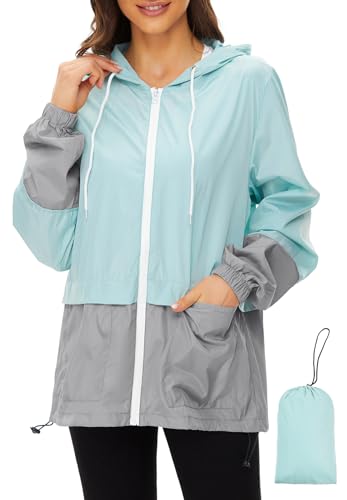
[Pack & Go Convenience] — Designed for convenience, this light rain jacket women is easy to fold and store, making it the perfect travel companion for travel, work, or spontaneous outings. Its compact design fits easily into backpacks or totes, so you're always prepared for unexpected weather. It provides better rain protection than a short rain jacket yet is more flexible than a long raincoat.
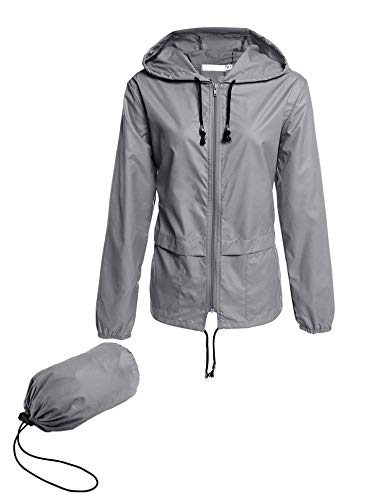
WATER-RESISTANT & LIGHTWEIGHT – Crafted from water-resistant fabric, this women's rain jacket helps keep you comfortable during light rain and windy days. Lightweight, breathable, and soft against the skin, it offers all-day comfort.
Spring Travel Tips
- Pack light layers because mornings and evenings can feel much cooler than afternoons.
- Bring a compact rain layer, especially for trips involving several regions.
- Check opening dates for seasonal trails, boat trips, and island businesses.
- Book major attractions ahead around Easter and other holiday periods.
Summer Travel Tips
- Book popular hotels, ferries, rental cars, and major attractions well in advance.
- Carry water and sun protection and schedule demanding outdoor activities away from the hottest part of the day.
- Check heat, wildfire, air-quality, and local emergency alerts.
- Expect the busiest conditions in many coastal resorts during July and August.
Fall Travel Tips
- Look for vineyard, olive, food, and harvest events, but confirm each year’s dates before booking.
- Pack for both warm afternoons and cooler or wetter days.
- Consider September for a trip that combines swimming with sightseeing.
- Use organized transportation or a designated driver for wine-tasting days.
Winter Travel Tips
- Choose year-round cities if restaurants, museums, and reliable transport are priorities.
- Check ferry, hotel, attraction, and excursion schedules before visiting smaller resort areas.
- Pack warm layers and rain protection even if daytime forecasts look mild.
- Compare prices around Christmas, New Year, festivals, and ski periods instead of assuming all winter dates are cheap.
Choosing the Best Time to Travel to the Mediterranean
For a first Mediterranean trip built around sightseeing, food, and outdoor exploration, late spring and early fall are usually the most balanced choices. You avoid some of the strongest midsummer heat while still enjoying long days and plenty of outdoor activity.
Choose July or August when the beach is the main attraction and you enjoy a lively atmosphere. Choose fall for vineyard landscapes, harvest food, and warm-weather sightseeing. Choose winter when cultural attractions, quieter streets, and possible off-season savings matter more than swimming.
There is no single best month for the entire Mediterranean. A May trip to the Greek Islands can feel very different from May in southern France, just as October in coastal Turkey can differ from October in northern Italy. Start with your preferred activity, then compare the climate, transport schedule, events, and safety conditions for the specific places on your itinerary.
For more information about the publication itself, see the Take Travel Info About Us page. For weather, events, safety alerts, and seasonal operating information, verify important trip details with official destination and government sources before departure.
Products Worth Considering

Comprehensive Cruising Guide: Be an Informed Traveler
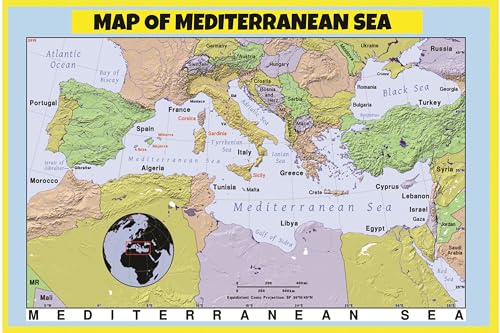
Expertly Designed Cartography: Created by professional cartographers, this 18x24 laminated Map of Mediterranean Sea features vivid imagery and bright colors, highlighting the continent's geography in stunning detail.
Frequently Asked Questions
What is the best time to travel to the Mediterranean?
For most sightseeing trips, late spring from April through June and early fall from September through October offer a good balance of warm weather and outdoor comfort. Beach-focused travelers often prefer June through September, while winter can suit city breaks and cultural travel.
What is the weather like during the best time to visit?
Spring and early fall are generally milder than midsummer, but there is no accurate temperature range for the whole Mediterranean. Weather varies by latitude, elevation, coast, island, and inland location, so check climate averages for each destination on your itinerary.
Are there festivals during the best months to travel?
Yes. Examples include the Festival de Cannes in May, Barcelona’s Sant Joan celebrations around June 23–24, and Tuscany’s September wine and grape festivals such as Expo Chianti Classico. Dates and programs can change each year, so confirm them through the Festival de Cannes, Barcelona Tourism, or the relevant official event site.
Which Mediterranean destinations are popular in spring and fall?
Popular choices include Italy’s Amalfi Coast and Tuscany, the Greek Islands, the French Riviera, Barcelona and Spain’s Mediterranean coast, Croatia’s Adriatic destinations, Malta, and coastal areas of Turkey. The best choice depends on whether you prioritize beaches, cities, hiking, food, or nightlife.
What should I pack for a spring or fall Mediterranean trip?
Pack breathable daytime clothing, comfortable walking shoes, a light sweater or jacket, sun protection, and a compact rain layer. Layers work better than relying on one heavy item because temperatures can change considerably between daytime, evening, coast, and higher elevations.
Is September better than July for the Mediterranean?
September is often better for travelers who want to combine beaches with sightseeing because many coastal areas remain warm after summer while peak-season crowds may begin to ease. July is usually a stronger choice for travelers who want maximum summer atmosphere, nightlife, and the broadest range of beach services.
Sources
- UN Environment Programme — Climate Change in the Mediterranean — regional warming and climate-change context.
- Greek National Tourism Organisation — Climate — Mediterranean climate and geographic variation in Greece.
- Spain.info — Weather in Spain — seasonal weather patterns and spring/autumn travel conditions.
- Spain.info — Off-Season Travel — quieter and lower-cost off-season travel context.
- European Commission — EU Ready for Summer Wildfires — current wildfire risk and preparedness context.
- Visit Tuscany — September Wine Festivals — verified harvest and wine-event examples.
