
Last Updated on July 28, 2026 by Daniel Globe
Maine offers a different kind of trip in every season, from warm coastal days and island ferries to brilliant fall foliage and snowy mountain trails. The best time to visit Maine depends on what matters most to you: comfortable weather, fewer crowds, lower prices, wildlife, festivals, or winter sports.
Quick Answer
September is the best overall time to visit Maine for mild weather, lighter crowds, and early fall color. Choose July or August for beaches and the fullest activity schedule, late September through October for foliage, January through March for snow sports, and late May or early June for a quieter spring trip.
Key Takeaways
- Best overall: September balances pleasant weather, open attractions, and fewer visitors than midsummer.
- Best for warm weather: Late June through August, although coastal fog and cool evenings are still possible.
- Best for foliage: Late September in northern Maine, early to mid-October inland, and mid- to late October near the southern coast.
- Best for winter adventure: January through March, when snow conditions are usually more dependable.
- Best for fewer crowds: Late May, early June, late October, and much of winter outside ski areas and holiday weekends.
Disclosure: As an Amazon Associate I earn from qualifying purchases. Some links on this page are affiliate links, at no extra cost to you.
Best Time to Visit Maine at a Glance
At a Glance
| Best Overall | September |
| Warmest Weather and Beaches | Late June through August |
| Fall Foliage | Late September through late October, depending on region |
| Whale Watching | Mid- to late May through October |
| Snow Sports | January through March |
| Lower Crowds and Better Value | Late May, early June, late October, and non-holiday winter dates |
Summer: Warm Weather, Coastal Trips, and Peak Crowds
Summer is Maine’s busiest travel season. Long daylight hours, open seasonal businesses, ferry service, beaches, hiking trails, boat tours, and community events make late June through August the easiest time to build a full itinerary. Families often choose this period because schools are out and nearly every major attraction is operating.
Do not assume every day will be hot. At Acadia National Park, the National Park Service lists a broad summer daytime range of 45°F to 90°F, with ocean temperatures around 50°F to 60°F. Fog, wind, and quick shifts from sunshine to cool rain are common along the coast, so pack a light jacket and rain layer even in July or August. See the official Acadia weather guide before heading into the park.
The trade-off is cost and congestion. Acadia’s parking areas can fill early during peak season, and Bar Harbor, Portland, Ogunquit, Kennebunkport, and other popular coastal towns can feel crowded on weekends. Reserve lodging, rental cars, boat tours, and campsites as early as possible when traveling in July or August.
Pro Tip: In Acadia, start early, visit busy overlooks outside the middle of the day, and use the fare-free Island Explorer shuttle where available. For 2026, a separate vehicle reservation is required to drive Cadillac Summit Road from May 20 through October 25; an Acadia entrance pass alone is not enough.
Fall: Foliage, Hiking, and Cooler Days
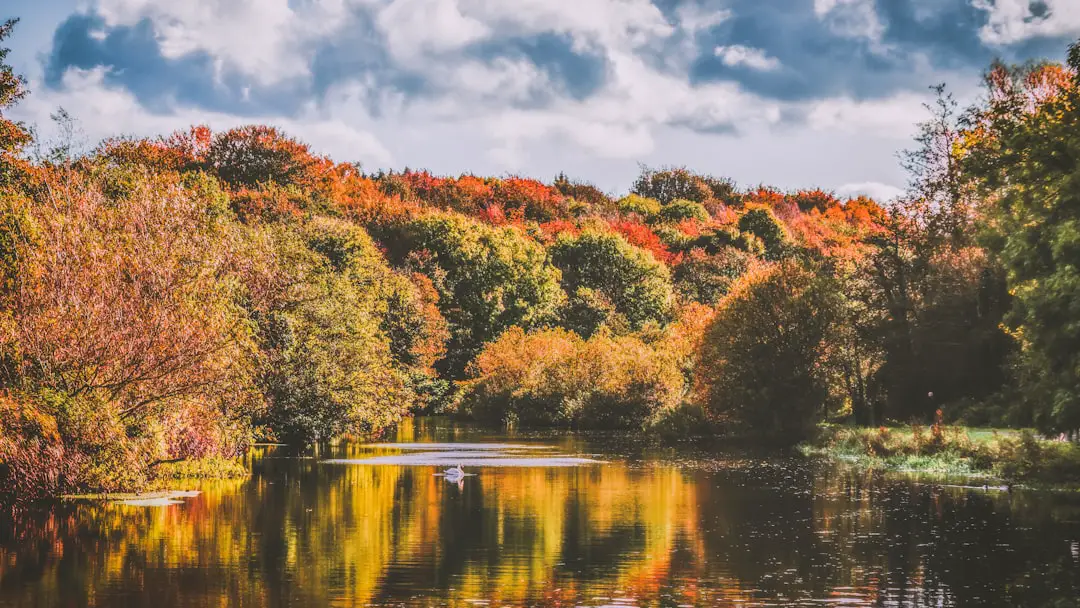
Fall is the best season for travelers who value scenery, crisp air, and a calmer pace. The leaves do not peak across Maine at the same time. Color generally develops first in the north and at higher elevations, then moves south and toward the coast.
- Northern Maine: Often best from late September into early October.
- Western and central Maine: Commonly strongest in early to mid-October.
- Southern and coastal Maine: Often reaches peak or near-peak color from mid-October through the end of the month.
Weather controls the exact schedule each year, so use the State of Maine foliage reports rather than booking around one fixed “peak” date. Acadia often sees its strongest color around mid-October, but conditions can shift from year to year.
September is especially appealing because many summer services are still open, daytime weather is often comfortable, and crowds usually begin to ease after Labor Day. October brings stronger foliage but also colder mornings, shorter days, and a greater chance that seasonal restaurants, boat tours, or lodging properties will reduce their schedules.
Winter: Snowy Adventures and Quiet Retreats
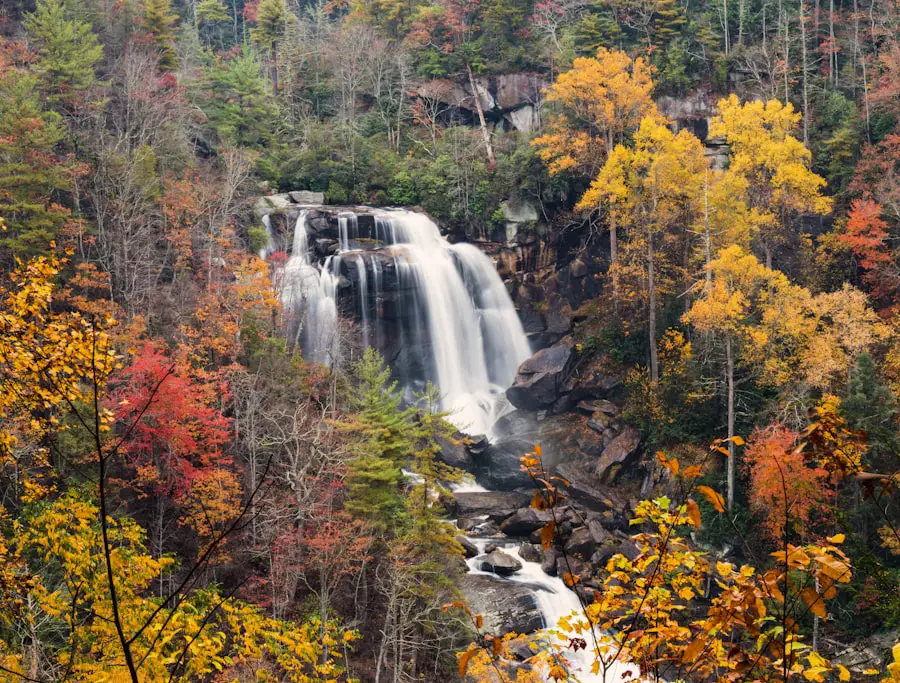
Winter transforms Maine into a destination for downhill skiing, cross-country skiing, snowshoeing, snowmobiling, ice skating, and quiet cabin stays. January through March usually offers the most reliable window for snow-based trips, although conditions vary by location and elevation.
Western and northern Maine are the main choices for ski resorts and deep-winter recreation. Coastal communities can be peaceful and atmospheric, but many seasonal businesses operate reduced hours or close. In Acadia, some roads and facilities are unavailable in winter, and the National Park Service warns that snow can hide trail markers and ice, making mountain hiking dangerous.
Warning: Maine winter weather can change quickly. Check forecasts and road conditions before driving, avoid unnecessary travel during major storms, carry warm clothing and an emergency kit, and never rely on a summer driving schedule when roads are snowy or icy.
Winter can be one of the least expensive times to visit coastal Maine, but ski areas may charge peak prices on holiday weekends. Book early for Christmas week, New Year’s, Presidents’ Day weekend, and school vacation periods.
Spring: Wildflowers, Waterfalls, and Variable Weather
Spring brings snowmelt, rushing streams, migrating birds, budding trees, and the first wildflowers. It also brings some of Maine’s most changeable conditions. March can still feel like winter, April is often wet and muddy, and May is generally milder but may include chilly nights.
| Maine Wildflower | Typical Blooming Period | Common Color |
|---|---|---|
| Rhodora | Spring | Pink to purple |
| Wild lupine | Late spring to early summer | Blue to lavender |
| Blue flag iris | Late spring to early summer | Blue to violet |
| New England aster | Late summer to fall | Purple |
Bloom timing changes with latitude, elevation, and the year’s weather. Observe flowers from trails and do not pick plants in parks or protected areas. Spring is also a strong time for birding, waterfalls, freshwater fishing, and uncrowded scenic drives.
Note: Black flies are often most noticeable from mid-May to mid-June, especially after a wet spring. Ticks are active from late spring into fall. Carry repellent, wear long pants in brushy areas, stay near the center of trails, and check your body and clothing after outdoor activities.
Off-Season: Fewer Crowds and Lower Prices
Traveling outside the main summer and foliage periods can provide a quieter and more affordable experience. Late May, early June, late October, November, and much of winter may offer lower lodging rates and easier access to restaurants and attractions that remain open.
The main drawback is reduced availability. Some coastal hotels, restaurants, ferries, boat tours, park roads, visitor centers, and recreation services are seasonal. Weather can also limit hiking, boating, and driving. Confirm operating dates directly with each attraction rather than assuming that a listing marked “open” applies year-round.
For many travelers, September is the most practical shoulder season. It keeps much of summer’s activity schedule while reducing heat, family-vacation traffic, and peak-season pressure. Late October can be even quieter, but foliage may be past peak in northern and inland areas.
Festivals and Events: Planning Around Local Celebrations
Summer Seafood and Music Festivals
Maine’s summer calendar includes seafood festivals, outdoor concerts, art fairs, road races, and community celebrations. For 2026, the North Atlantic Blues Festival was scheduled for July 11–12 in Rockland, the Yarmouth Clam Festival for July 17–19, and the Maine Lobster Festival for July 29–August 2. Annual dates change, so check the official event site before booking transportation or lodging.
Fall Harvest and Community Events
Fall brings agricultural fairs, apple and pumpkin events, craft markets, and harvest celebrations. These events pair well with foliage drives, but they can also create local traffic and sell out nearby rooms. Reserve early when a festival overlaps with a peak-color weekend.
Supporting Local Economies
Planning around a local event can add music, food, traditional crafts, and conversations with residents to a trip. Spending with locally owned lodging properties, restaurants, guides, artists, and vendors also helps keep more tourism revenue in the community.
Outdoor Activities: Choose the Right Season
Different parts of Maine have different adventure seasons. Coastal conditions can be cool and foggy while inland lakes and mountain areas are warmer. Always check local forecasts, trail reports, water conditions, and operating schedules before leaving.
- Hiking: Late spring through October is the main season, with September offering a strong balance of weather and crowds. High-elevation or shaded trails can hold snow and ice well into spring.
- Beach trips and swimming: July and August provide the warmest air, but Maine’s ocean remains cold. Use caution with waves, fog, and changing tides.
- Kayaking and sailing: Summer through early fall offers the broadest range of tours. Wear a personal flotation device and prepare for cold water even on warm days.
- Freshwater fishing: Spring can be productive as waters open, while summer and fall offer different species and conditions. Check current Maine license and season rules before fishing.
- Skiing, snowshoeing, and snowmobiling: January through March is usually the most dependable period, with the best conditions generally found inland and at higher elevations.
There is no single best month for every Maine trip: match the season to your main activity, then check local conditions before you book.
Wildlife Watching: Time Your Visit for Better Sightings
Wildlife sightings are never guaranteed, but timing can improve your chances. Maine’s official tourism guidance places the main whale-watching season from mid- to late May through October, when feeding whales are present off the coast. Boat trips may also encounter seals, porpoises, dolphins, and seabirds.
Spring and fall are strong birding seasons because of migration. Puffins are viewed from boat tours to offshore islands rather than from Mount Desert Island itself. Inland travelers may see moose, deer, loons, and other wildlife, especially around quieter habitats and lower-light periods.
Warning: Never approach, feed, call, or block wildlife for a photo. Give animals space, follow guide and park instructions, and slow down on rural roads—especially near dawn and dusk.
Practical Planning Tips for Every Season
- Book around your priority: Reserve summer lodging and Acadia campsites early. For fall, watch the state foliage tracker instead of relying on one historic peak date.
- Check reservations separately: An Acadia entrance pass does not replace a Cadillac Summit Road vehicle reservation when the seasonal reservation system is in effect.
- Pack layers: Bring rain protection, a warm layer, sturdy footwear, sun protection, and insect repellent. Clothing with secure storage can be useful on trails and in crowded towns; this guide to travel pants with hidden pockets may help with packing.
- Expect limited cell service: Download maps, confirmations, and tickets before entering remote coastal or mountain areas.
- Confirm seasonal operations: Check ferry, restaurant, tour, park-road, and visitor-center schedules directly before driving long distances.
- Build a weather backup: Keep one indoor option for fog, rain, heat, or winter storms.
Frequently Asked Questions
What is the best time to travel to Maine?
September is the best overall month for many travelers because temperatures are usually comfortable, most major attractions are still operating, and crowds are lighter than in July and August. Choose midsummer for beaches and events or October for peak foliage in many central and coastal areas.
What is the weather like in Maine during summer?
Summer is generally Maine’s warmest season, but conditions vary sharply between the coast, mountains, and inland areas. Coastal fog, cool evenings, rain, and cold ocean water are common. Acadia can experience summer daytime temperatures from 45°F to 90°F, so layers are essential.
When is the best time to see fall foliage in Maine?
Plan for late September in northern Maine, early to mid-October in western and central Maine, and mid- to late October along much of the southern coast. Peak color varies with weather, so check Maine’s official foliage report close to your trip.
Are there festivals during the best time to visit Maine?
Yes. Summer has many seafood, music, art, and community festivals, including the Maine Lobster Festival, Yarmouth Clam Festival, and North Atlantic Blues Festival. Fall adds agricultural fairs and harvest events. Confirm annual dates on each event’s official website.
What outdoor activities are popular in Maine?
Warm-season options include hiking, paddling, sailing, fishing, camping, whale watching, and coastal sightseeing. Winter travelers can ski, snowshoe, snowmobile, and stay in quiet cabins or lodges. Conditions and operating seasons vary by region.
Is Maine crowded in summer?
Popular coastal towns and Acadia National Park can be crowded from late June through September, especially on weekends and holidays. Reserve lodging and tours early, start sightseeing in the morning, and consider September or early June for a quieter visit.
What is the cheapest time to visit Maine?
Late fall, winter outside ski destinations, and early spring often have the lowest coastal lodging prices. Savings come with trade-offs, including colder weather, shorter hours, seasonal closures, and fewer tours.
Sources
- Maine Office of Tourism: Seasons in Maine — seasonal trip ideas and activity planning.
- Maine Department of Agriculture, Conservation and Forestry: When and Where to Visit — regional foliage timing.
- National Park Service: Plan Your Visit to Acadia — passes, reservations, road access, closures, and visitor planning.
- Maine Office of Tourism: Whale Watching — seasonal whale-watching guidance.
- Centers for Disease Control and Prevention: Preventing Tick Bites — tick exposure and prevention steps.
- Maine Department of Transportation: Winter Driving Preparation — road-condition checks and winter vehicle safety.

