

Last Updated on July 27, 2026 by Daniel Globe
Fiji, an archipelago of over 300 islands in the South Pacific, is renowned for its tropical landscapes, vibrant culture, and world-class marine sanctuaries. Divided into two primary islands—Viti Levu (home to the capital, Suva) and Vanua Levu—the nation is characterized by lush rainforests, palm-lined beaches, and expansive coral systems. Central to Fijian life is the spirit of hospitality, often greeted with a warm “bula” (meaning hello and life).
Quick Answer
The best time to visit Fiji is during the dry season from May to October. Temperatures average between 25°C and 30°C (77°F–86°F), rainfall is low, and humidity is manageable. This period provides ideal weather for resort stays, island hopping, and underwater visibility exceeding 30 meters for diving.
Key Takeaways
- Peak Season (May–October): Sunny, dry weather ideal for outdoor excursions, but with higher accommodation rates and busier resort areas.
- Off-Peak Season (November–April): Tropical rainfall and higher humidity, compensated by lower flight rates, quiet beaches, and discounted hotel stays.
- Shoulder Months (May & October): Offers a strong balance of mild weather, lower tourist density, and competitive pricing.
- Cultural Events: Major highlights include the Bula Festival (July), Hibiscus Festival (August), and Diwali (October/November).
Disclosure: As an Amazon Associate I earn from qualifying purchases. Some links on this page are affiliate links, at no extra cost to you.
Weather and Climate in Fiji
Fiji features a tropical maritime climate with warm temperatures throughout the year. Data from the Fiji Meteorological Service indicates average daytime temperatures ranging consistently between 25°C and 30°C (77°F to 86°F). Rather than four distinct seasons, Fiji experiences two main periods: a dry season and a wet season.
The dry season (May to October) brings steady trade winds, lower humidity, and reduced rainfall. These conditions keep water clarity high and trail conditions dry across main island groups like the Mamanuca and Yasawa chains. Conversely, the wet season (November to April) exhibits warmer temperatures, higher humidity, and short, heavy tropical showers—often in the afternoon—interspersed with sunshine.
Pro Tip: Coastal areas and smaller outer islands generally receive less rainfall during the wet season compared to the mountainous interior regions of Viti Levu.
Peak Season for Travel to Fiji (May to October)

Peak travel season aligns with the dry winter months, particularly from June through September. During this period, clear skies and warm waters draw international visitors seeking winter relief from the Southern Hemisphere. Major tourist hubs including Nadi, Denarau Island, and the Coral Coast see peak occupancy.
Because demand is elevated, flights and accommodations should be booked 4 to 6 months in advance. While prices for luxury villas and resort stays reach their annual highs, the weather conditions for outdoor recreation, boat charters, and island tours are consistently favorable.
Off-Peak and Shoulder Seasons in Fiji
Off-Peak Travel Metrics at a Glance
| Tourist Density | Decreases by ~30% |
| Hotel Occupancy | Averages around 50% |
| Flight Pricing | Drops up to 20% |
| Landscape Condition | Lush, verdant vegetation & peak waterfall flow |
The off-peak season coincides with the tropical wet months from November through April. While rainfall increases during this period, showers are often brief and intense rather than day-long downpours. Budget-conscious travelers benefit from promotional resort rates, quieter beaches, and reduced airfares.
For many, the shoulder months of May and October represent the sweet spot for travel. During these transition periods, weather conditions remain stable while visitor numbers and rates stay below peak levels.
Warning: The South Pacific cyclone season officially runs from November to April, peaking between January and March. Always secure comprehensive travel insurance covering weather disruptions if traveling during these months.
Special Events and Cultural Festivals
Fiji’s multicultural society features dynamic events throughout the calendar year:
- Bula Festival (July): Held in Nadi, this week-long festival celebrates Fijian music, dance, food, and brass band parades.
- Hibiscus Festival (August): Located in Suva, this major event features floats, traditional arts showcases, local cuisine competitions, and cultural pageantry.
- Diwali (October/November): The Hindu Festival of Lights is celebrated national holiday across Fiji, marked by light displays, traditional sweets, and community gatherings.
Tips for Traveling to Fiji

Products Worth Considering

REEF SAFE SUNSCREEN 23.5% NON-NANO ZINC OXIDE - Minimal white cast, rubs in easy, faster absorption and less greasy compared to traditional mineral SPF 50 sunblocks. The reef-friendly formula is formulated without Oxybenzone or Octinoxate to help protect fragile reef ecosystems. 80 min sweat & water resistant is perfect for any outdoor adventure.

BROAD SPECTRUM SPF 45 MINERAL PROTECTION — Non-nano zinc oxide creates a physical UVA/UVB shield that protects without chemical filters. EWG Verified formula trusted for sensitive and eczema-prone skin. Lightweight, non-greasy, and non-comedogenic for daily wear.
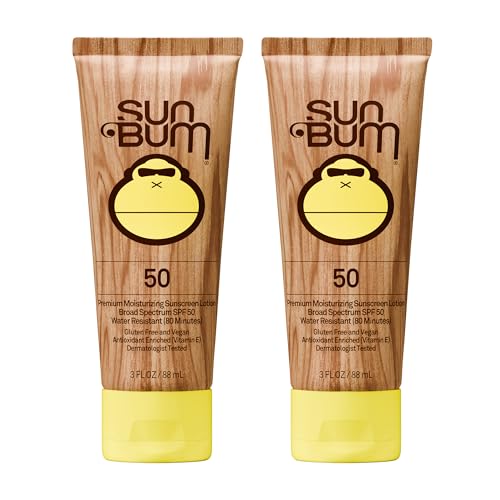
Original SPF 50 sunscreen Lotion. This is the stuff we use every day. It's the formula that started it all. People say it smells like summer. We like that. Whether we're spending a lazy day at the beach or just Hang in out, our original formula is our fav.
Respect Local Customs and Etiquette
When visiting traditional Fijian villages (sevusevu), modesty is important. Dress conservatively, covering shoulders and knees, and remove hats and sunglasses upon entry, as touching the head is considered disrespectful in local culture.
Plan Ahead and Stay Prepared
While tap water in major resorts on Viti Levu is generally treated, bottled or filtered water is recommended in remote areas. Ensure your medical insurance includes emergency evacuation coverage when visiting isolated island chains.
Protect Yourself from the Elements
The tropical sun in Fiji is powerful year-round. Apply reef-safe sunscreen to protect delicate coral systems, stay hydrated, and wear light, breathable clothing during outdoor excursions.
Activities and Attractions in Fiji
Fiji provides diverse activities suited for both adventure and leisure seekers:
- Scuba Diving & Snorkeling: Known as the “Soft Coral Capital of the World,” Fiji features premier diving spots like the Rainbow Reef in the Somosomo Strait and the Great Astrolabe Reef surrounding Kadavu Island. Official guides from Tourism Fiji highlight peak underwater visibility from July through September.
- Rainforest Hiking: Explore Bouma National Heritage Park on Taveuni Island to access coastal forest trails and the three-tiered Tavoro Waterfalls.
- Cultural Ceremonies: Experience a traditional kava ceremony, sharing a ceremonial root drink with village elders to signify respect and community connection.
Products Worth Considering

220°+ Wide View for an Immersive Underwater Experience: Whether you're a beginner or a seasoned snorkeler, this 3-side lens snorkeling gear for adult delivers over 220° of panoramic clarity for exploring coral reefs during beach vacations or family snorkeling trips, it eliminates image distortion and dizziness so you can fully enjoy the ocean world

COMFORTABLE BREATHING EXPERIENCE: Breathe naturally and comfortably through your nose and mouth. Flowtech provides up to 600% percent easier work of breathing compared to other full face snorkeling masks on the market. Flowtech has two chambers and 4 intake valves to allow air to circulate in and out freely. Using one-way valves and a separate breathing chamber ensures fresh air is always circulating through the mask
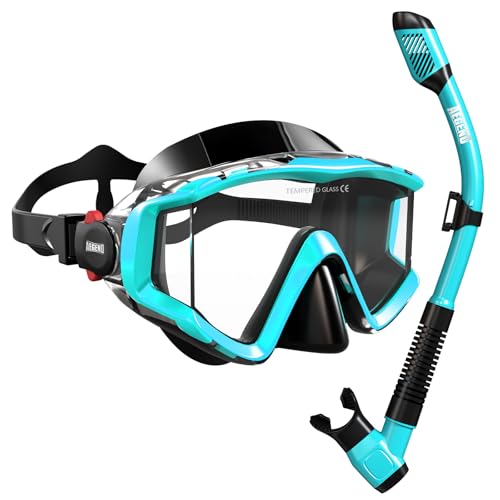
220°+ Wide View for an Immersive Underwater Experience: Whether you're a beginner or a seasoned snorkeler, this 3-side lens snorkeling gear for adult delivers over 220° of panoramic clarity for exploring coral reefs during beach vacations or family snorkeling trips, it eliminates image distortion and dizziness so you can fully enjoy the ocean world
Conclusion and Recommendations for Traveling to Fiji
Choosing the ideal time to visit Fiji depends on your individual priorities. If guaranteed sunshine, lower humidity, and optimal diving visibility are paramount, plan your itinerary between May and October. If you prefer quieter resorts, greener tropical scenery, and lower costs, the off-peak and shoulder seasons offer significant value. By planning around seasonal patterns and respecting local traditions, you can ensure a rewarding trip to this South Pacific destination.
Frequently Asked Questions
What is the overall best time to travel to Fiji?
The best time to travel to Fiji is during the dry season, which runs from May to October. This period offers clear skies, lower humidity, and daytime temperatures ranging between 25°C and 30°C (77°F–86°F).
What is the weather like during the peak dry season?
During the dry season, the weather is consistently warm and sunny with lower rainfall and pleasant evening trade winds. Water visibility for diving and snorkeling is also at its peak.
Are there specific festivals to attend during the dry season?
Yes. Highlights include the Bula Festival in July (Nadi), the Hibiscus Festival in August (Suva), and Diwali in October or November nationwide.
Is traveling to Fiji significantly more expensive during peak season?
Yes, accommodation and airfare prices are higher from June through August and during Australian/New Zealand school holiday periods. Traveling in shoulder months like May and October provides a balance of fair rates and favorable weather.
What water activities are best during peak travel months?
The dry season is ideal for scuba diving, snorkeling, surfing, paddleboarding, and boat cruising due to calmer seas and clear water visibility exceeding 30 meters.
Sources
- Tourism Fiji Official Site — Official seasonal travel guidelines, regional activity details, and event calendars.
- Fiji Meteorological Service — Historical weather, climate data, and seasonal precipitation metrics.
