
Last Updated on September 11, 2026 by Daniel Globe
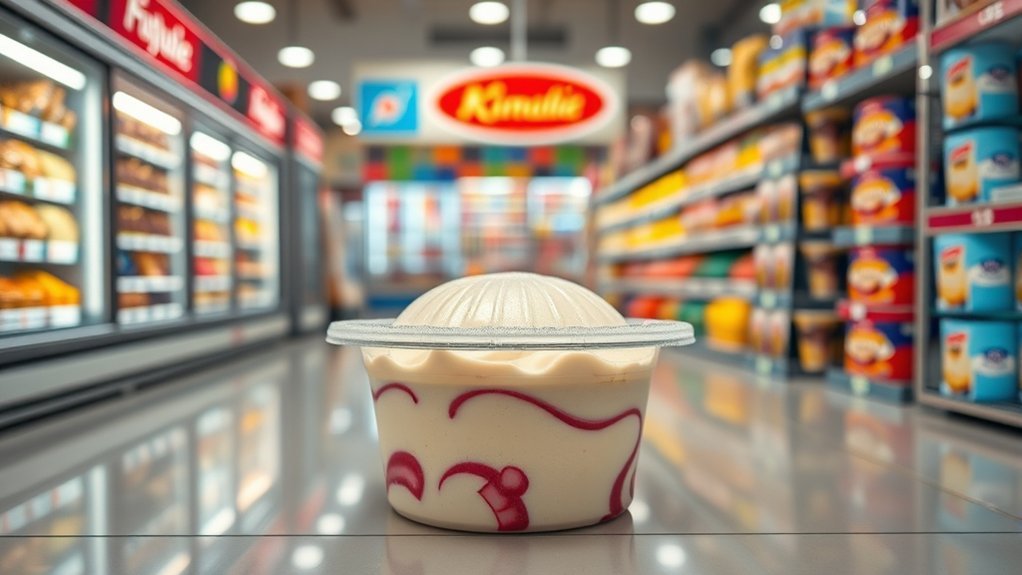
In Istanbul, you can buy Turkish dondurma in supermarket tubs as well as from ice cream shops and street vendors. The tub version is convenient, but the label matters: some products follow a dense Maraş-style formula with salep and goat milk, while others use cow’s milk, added stabilizers, or no mastic. This guide shows you what to look for, where to buy it, and how to keep its texture at home.
Quick Answer
Dondurma in a tub is packaged Turkish ice cream, often sold in plain, pistachio, chocolate, fruit, or mastic flavors. For the chewiest texture, look for salep or sahlep on the ingredient list. Goat milk and mastic may be present, but they are not included in every supermarket product.
Key Takeaways
- “Dondurma” simply means ice cream in Turkish, but visitors often use the word for the stretchy Maraş style.
- Salep is the main ingredient linked to the dense, elastic texture; mastic is optional.
- Supermarket formulas vary, so check the ingredients instead of relying only on the package picture.
- Keep the tub at 0°F (-18°C), tightly closed, and avoid repeated softening and refreezing.
- Prices and stock can change by store, neighborhood, tub size, and delivery address.
Disclosure: As an Amazon Associate I earn from qualifying purchases. Some links on this page are affiliate links, at no extra cost to you.
What Is Dondurma in a Tub?
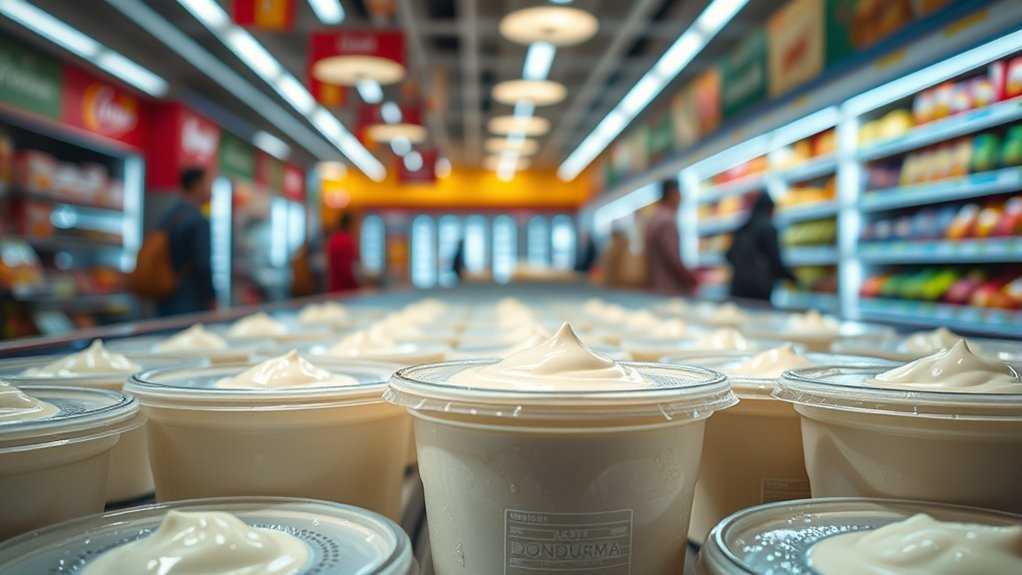
Dondurma is the Turkish word for ice cream. Outside Türkiye, the term often refers to the dense, stretchy style associated with Kahramanmaraş. A tub makes that dessert easier to carry home, store, scoop, or slice.
Traditional Maraş dondurma is known for salep, milk, sugar, intensive mixing, and a firm texture. However, packaged products are not identical. A current supermarket tub may contain goat milk, cow’s-milk ingredients, salep, guar gum, cellulose gum, emulsifiers, flavorings, or a mix of these. Mastic may be used in some recipes, but it is not universal.
The ingredient label tells you more than the front of the tub: “Maraş style” does not guarantee that every product uses the same milk, amount of salep, or traditional flavoring.
Why Istanbul Supermarkets Sell Dondurma
Supermarkets carry dondurma because it is a familiar frozen dessert that works for everyday use. Tubs and cups let shoppers take it home without waiting at a specialty shop, and larger stores can offer several flavors and package sizes in one freezer aisle.
Convenient Everyday Treat
A sealed tub is practical for families, shared desserts, and serving with baklava or künefe. Smaller cups are useful when you want to try a flavor without buying a large package. Online supermarket listings can also help you check sizes and ingredients before visiting, although availability depends on the selected branch or delivery area.
Accessible Local Favorite
Packaged dondurma gives residents and visitors an easy way to try the Maraş-style texture at home. It also offers a quieter alternative to the street-vendor routine, where servers use long paddles and playful cone tricks as part of the experience.
How Dondurma Differs From Regular Ice Cream
| Feature | Dondurma | Typical Standard Ice Cream |
|---|---|---|
| Texture | Dense, chewy, elastic, or sliceable | Soft, creamy, and easier to scoop |
| Key thickener | Traditionally salep; packaged versions may add other gums | Recipe-dependent stabilizers, egg yolk, or no added stabilizer |
| Milk | Goat milk is traditional in Maraş versions, but commercial tubs vary | Often cow’s milk and cream |
| Melting behavior | Usually holds its shape longer, especially in dense styles | Usually softens and drips sooner |
What Makes Turkish Dondurma Stretchy?
The stretch comes from the formula and the way the ice cream is worked. Salep raises viscosity and helps build the dense body associated with Turkish-style ice cream. Repeated mixing or beating strengthens the cohesive texture. Milk solids, sugar, temperature, and any added gums also affect the final result.
Salep’s Elastic Magic
Salep, also written sahlep, is a powder traditionally made from orchid tubers. Its glucomannan-rich structure acts as a hydrocolloid, thickening the mix and changing how it flows. A published study on Turkish-type ice cream found that salep content strongly affects rheological behavior, which helps explain the dessert’s distinctive body. See the Journal of Food Engineering study on salep and ice-cream rheology.
Goat Milk Richness
Goat milk can add a distinct dairy flavor and is closely tied to traditional Maraş production. It is not, by itself, the main source of elasticity, and it should not be described as automatically high-fat. Some supermarket products use a small amount of low-fat goat milk alongside cream, milk powder, whey, and cow’s-milk ingredients.
Mastic’s Chewy Texture
Mastic is an aromatic tree resin with a light pine or herbal note. Some Turkish and eastern Mediterranean ice creams use it for flavor and chew, but many supermarket Maraş-style tubs do not list it. If you specifically want that taste, look for sakız, damla sakızı, or mastic on the package.
Note: Wild orchid collection for salep has conservation impacts. Türkiye restricts the export of Orchidaceae tubers and salep forms, and registered cultivation is being developed. Buy finished products from established producers rather than loose, untraceable salep powder.
Key Ingredients in Turkish Dondurma
There is no single ingredient list for every tub. Use the label to see which style you are buying:
- Salep or sahlep: The traditional thickener most closely linked to the stretchy texture.
- Milk and cream: Products may use goat milk, cow’s milk, cream, milk powder, whey, or several dairy ingredients together.
- Sugar or syrups: These sweeten the product and help control softness at freezer temperature.
- Mastic: Optional. It adds a resinous aroma and extra chew in some recipes.
- Guar gum, cellulose gum, or other stabilizers: Common in commercial tubs to support body, consistency, and freeze-thaw stability.
- Flavor ingredients: Pistachio, cocoa, fruit concentrates, vanilla, nuts, or flavorings vary by product.
Pro Tip: For a more traditional-style tub, look for salep plus goat milk near the main part of the ingredient list. For a mastic flavor, confirm that mastic or sakız is actually listed.
Best Dondurma Flavors to Try
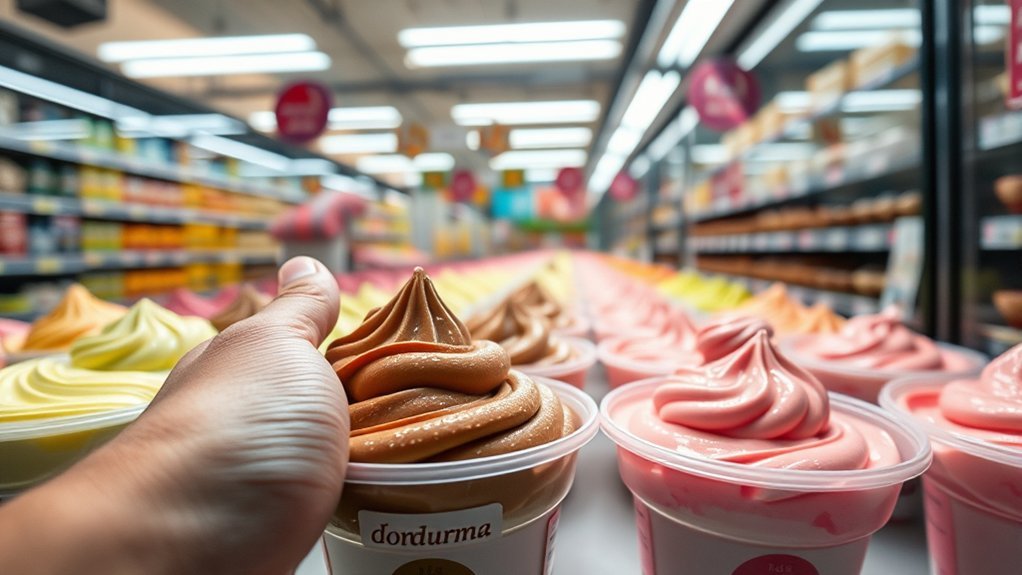
Start with a simple flavor so you can notice the texture, then try richer or fruit-based options:
- Sade: Plain or milk flavor. This is the best baseline for judging the dairy taste and chew.
- Antep fıstıklı: Pistachio, often with visible nut pieces.
- Çikolatalı: Chocolate, which can soften the herbal note of salep.
- Çilekli, vişneli, or limonlu: Strawberry, sour cherry, or lemon for a brighter flavor.
- Sakızlı: Mastic-flavored, with a fragrant resinous note.
- Kesme dondurma: A dense, sliceable format rather than a flavor; it may be sold plain or with pistachio.
Dondurma also pairs well with warm desserts such as baklava and künefe. The cold, dense ice cream balances syrup, nuts, and melted cheese.
How to Buy Dondurma in Istanbul
You can find packaged dondurma in large supermarkets, neighborhood markets, specialty food shops, and some branded ice cream stores. In supermarket apps and freezer aisles, useful search terms include Maraş dondurması, Maraş usulü, kesme dondurma, sade, and sakızlı.
- Choose the format. Pick a small cup for one serving, a family tub for scooping, or kesme dondurma if you want slices.
- Read the ingredient list. Check for salep, the type of milk, mastic, gums, nuts, and any allergens.
- Compare by weight or volume. A low sticker price may only reflect a smaller package.
- Check the seal and surface. Avoid a damaged lid, leaking package, heavy frost, or signs that the tub softened and froze again.
- Confirm live stock. Online listings may change after you select an Istanbul address or store.
- Protect the cold chain. Buy frozen food near the end of your shopping trip and take it to a freezer promptly.
Current retail pages show why label reading matters. For example, an Algida Maraş-style kesme product lists salep, goat milk, dairy ingredients, guar gum, cellulose gum, and pistachio, while other cups from the same range use a different formula. Prices and stock are too changeable for a fixed citywide price claim.
How to Store Dondurma at Home
Keep dondurma at 0°F (-18°C) or colder, following the package directions. The U.S. Food and Drug Administration also recommends 0°F (-18°C) for freezers. Store the tub in the main freezer compartment rather than in a door shelf, where temperature changes are greater.
Press the lid down tightly after each use. If the original lid is loose, place the tub in a freezer-safe bag or airtight container. Use a clean, dry scoop so water droplets do not freeze into coarse crystals.
| Step | Why It Helps | Result |
|---|---|---|
| Seal tightly | Limits air and moisture exposure | Less freezer burn and fewer ice crystals |
| Freeze at 0°F (-18°C) | Keeps the product fully frozen | More consistent texture |
| Limit softening | Reduces repeated temperature swings | Smoother scoops |
| Follow the best-before date | Uses the maker’s quality window | Better flavor and aroma |
For easier scooping, leave the closed tub at room temperature for about 5 to 10 minutes, then return it to the freezer as soon as you finish serving. Very dense kesme dondurma may be easier to cut with a warm, dry knife.
Warning: Do not refreeze ice cream that has melted or become warm. Even when safety is not the main concern, melted and refrozen ice cream develops large crystals and loses its intended texture. USDA guidance specifically advises discarding soft or melted ice cream after a freezer failure.
How to Serve Dondurma From a Tub
Use a sturdy scoop for softer tubs and a knife for dense kesme dondurma. Chill serving bowls if the room is warm. Small portions are easier to manage because the product is rich and dense.
Popular pairings include baklava, künefe, fresh fruit, crushed pistachios, Turkish coffee, or a light drizzle of sour-cherry sauce. Serve mastic-flavored dondurma with simpler toppings so its aroma stays noticeable.
What Makes Maraş Dondurma Special
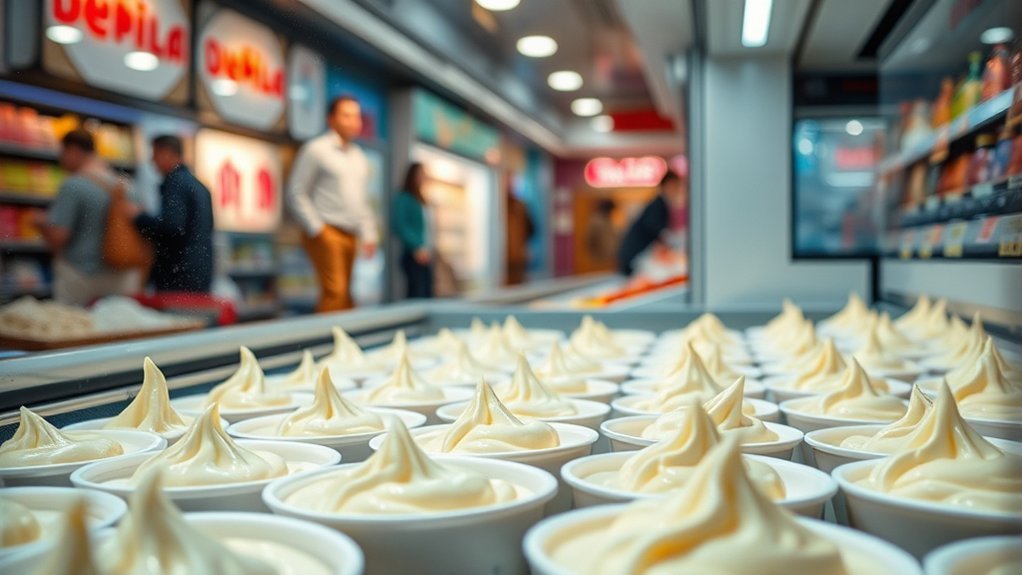
Maraş Dondurması is more than a general style name. It is a registered Turkish geographical indication connected with Kahramanmaraş. The Turkish Patent and Trademark Office lists registration number 344, dated April 18, 2018.
The traditional identity comes from the regional production method, salep, milk, and the dense structure created by beating the mix. Firmer versions can hold their shape well enough to be cut and eaten with a knife and fork. A supermarket package labeled “Maraş usulü” or “Maraş style” may aim for a similar eating experience, but you should still read its ingredients and producer information rather than assume every formula is identical to the registered product.
Nutrition, Allergens, and Dietary Notes
Dondurma is a sweet dairy dessert, not a health food or an unhealthy food by definition. Calories, sugar, saturated fat, and serving size vary by brand and flavor. Compare the nutrition panel per 100 grams as well as per serving, because package serving sizes are not always the same.
Most traditional and Maraş-style products contain milk. Pistachio, hazelnut, walnut, almond, soy, wheat, sesame, or egg may appear as ingredients or trace-allergen warnings. People with food allergies, lactose intolerance, or dietary restrictions should use the package label as the final guide. Do not assume that a fruit flavor is dairy-free or that a plain flavor is nut-free.
Frequently Asked Questions
What’s the difference between ice cream and dondurma?
Dondurma is the Turkish word for ice cream, but the style most visitors mean is denser and more elastic than standard ice cream. Salep and the production method give it a chewy body, and some versions also include goat milk or mastic.
What is the Turkish ice cream trick?
Street vendors use long metal paddles to spin, lift, and pull the cone away before finally handing it over. The routine is entertainment, and the dense texture helps the ice cream stay attached during the tricks.
Is Turkish ice cream unhealthy?
It is a sweet dessert, so portion size matters. Sugar, calories, and fat vary widely by product. Check the nutrition label and enjoy it in a way that fits your overall diet.
What is the tastiest ice cream in the world?
There is no objective winner. Dondurma is a strong choice if you like a chewy texture and milky or mastic flavors, while gelato, kulfi, and other regional styles offer different textures and tastes.
Does every tub of dondurma contain goat milk and mastic?
No. Some products contain goat milk, some use mostly cow’s-milk ingredients, and many do not list mastic. Salep may also be combined with guar gum, cellulose gum, or other stabilizers. Always check the label.
Where can I buy dondurma in Istanbul?
Look in supermarket freezer aisles, online grocery apps, specialty Turkish dessert shops, and branded ice cream stores. Search for Maraş dondurması, Maraş usulü, kesme dondurma, sade, or sakızlı. Stock varies by neighborhood and delivery address.
Can I refreeze dondurma after it melts?
Do not refreeze melted or warm dondurma. The texture will become icy, and a broken cold chain can create a food-safety concern. Keep it frozen and serve only the amount you need.
Conclusion
A tub of dondurma can bring the dense, chewy character of Turkish ice cream into your own freezer, but products vary. Look for salep, check whether goat milk or mastic is actually listed, compare package sizes, and keep the tub at 0°F (-18°C). For the most traditional experience, try plain or pistachio kesme dondurma and serve it slowly, either on its own or beside a warm Turkish dessert.
Sources
- Turkish Patent and Trademark Office: Maraş Dondurması — geographical-indication registration and date.
- Journal of Food Engineering: Effect of salep content on Turkish-type ice cream — the role of salep in rheology and viscosity.
- Algida Maraş Usulü Kesme product page — current example of ingredients, allergens, and nutrition.
- Migros product listing for Maraş-style tub dondurma — current retail label and -18°C storage instruction.
- U.S. Food and Drug Administration: Are You Storing Food Safely? — freezer temperature and airtight storage guidance.
- Türkiye Ministry of Agriculture and Forestry: Natural flower bulb export notice — restrictions covering Orchidaceae tubers and salep forms.
