
Last Updated on September 10, 2026 by Daniel Globe
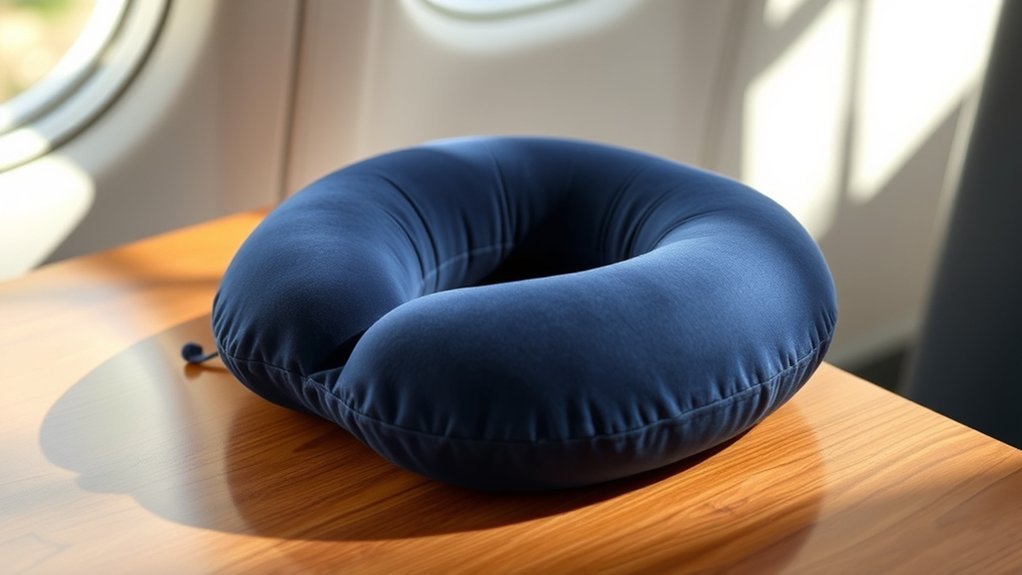
When it comes to choosing a travel pillow for large necks, sizing and firmness make all the difference between a restful flight and severe cervical strain. Standard U-shaped travel pillows often pinch or fail to close around necks measuring 17 to 21 inches or more. Opting for a pillow sized around 15” x 18” with adjustable straps, high-density memory foam, or customizable air chambers ensures proper spinal support. Accurate measurement from the base of your neck to your outer shoulder guarantees the best fit, preventing chin drop and lateral neck fatigue on long journeys.
Quick Answer
For neck sizes 20 to 21+ inches, standard travel pillows are typically too small. Choose a large-profile pillow (approx. 15” x 18”) with a high-density memory foam or inflatable core. Look for adjustable front clasps, a flattened back profile to prevent forward head push, and at least 4 to 5 inches of side height to align your head with your shoulders.
Key Takeaways
- Measure Correctly: Check both your neck circumference and shoulder distance to select the right pillow profile height.
- Focus on Adjustability: Look for back zippers, toggles, or velcro straps to expand the circumference up to 21+ inches.
- Prevent Head Push: Choose pillows with thin rear profiles so upright seat backs do not push your head forward.
- Material Matters: High-density memory foam provides contouring support, while inflatable designs offer customizable firmness and compact packing.
Disclosure: As an Amazon Associate I earn from qualifying purchases. Some links on this page are affiliate links, at no extra cost to you.
Recommended Pillow Sizes for Comfort and Support

When you have a larger neck frame, finding the right travel pillow is crucial for preventing posture-related stiffness during long hours in transit. Standard travel pillows sold at airport kiosks are generally designed for average neck circumferences (14 to 16 inches). For broader necks, opt for a large-sized pillow—ideally around 15” x 18”—to guarantee broad lateral support.
Memory foam is an exceptional material choice because it adapts to your unique contours while maintaining structural integrity under weight. Additionally, consider pillows with adjustable circumference features, such as expandable front toggles or flexible rear hinges, which expand to fit larger circumferences without choking or slipping off during sleep.
Understanding the Importance of Travel Pillow Size for Large Necks
Choosing an improperly sized travel pillow can exacerbate neck strain. If a pillow is too small, it tightens uncomfortably around the throat or leaves a wide gap in front, causing your head to tilt forward or collapse sideways. According to research on cervical spine alignment, maintaining a neutral neck position during rest is essential for reducing muscle fatigue and stress on the intervertebral discs.
Recommended Dimensions by Neck Size
| Neck Size | Pillow Profile Height | Recommended Materials |
| 21+ inches | High profile (5” – 6”) | High-density memory foam, breathable mesh |
| 20 inches | Medium-high profile (4.5” – 5”) | Polyurethane foam, adjustable fill |
| 19 inches | Medium profile (4”) | Inflatable TPU cores, soft microfleece |
| Custom / Adjustable | Customizable profile | Hybrid air-foam, tension-strap designs |
Essential Features to Look for in Travel Pillows for Large Necks
Finding a travel pillow that offers genuine relaxation requires looking beyond basic aesthetics. Key structural features to prioritize include:
- Adjustable Circumference: Look for heavy-duty front drawstrings, sliding locks, or velcro closures that expand to accommodate wider neck dimensions without slipping loose.
- Flat Back Profile: Thick padding behind the head pushes larger heads forward against airplane seat headrests. A pillow with a slimmed-down rear spine keeps your head aligned over your shoulders.
- Raised Side Bolsters: Taller side support compensates for wider shoulders, preventing severe lateral neck bending when leaning sideways.
- Breathable Cover Fabrics: Larger neck structures generate and retain more body heat. Moisture-wicking fabrics or cooling gel panels help regulate temperature during long trips.
Pro Tip: Turn your U-shaped pillow around 180 degrees so the thickest opening rests under your chin. This completely stops your head from falling forward when sleeping in fully upright airplane seats.
Measuring Your Neck for the Perfect Pillow Fit
Before purchasing a travel pillow, taking two quick measurements guarantees you order the correct profile height and opening size.
Neck Measurement Techniques
To measure your neck circumference accurately:
- Use a flexible tailor’s tape measure.
- Wrap the tape around the base of your neck where a collared shirt rests.
- Keep one finger between the tape and your neck to ensure a comfortable fit that isn’t too tight.
“Proper cervical support requires matching the pillow’s side height directly to the distance between your ear canal and the tip of your shoulder.”
Finding Ideal Pillow Height
In addition to circumference, measure the gap between the side of your neck and the point of your shoulder. If this shoulder shelf is wide (5 inches or more), low-profile pillows will allow your head to tilt too far to the side, causing muscle strain. Choose a pillow with elevated lateral bolsters to bridge this space smoothly.
Comparing Travel Pillow Shapes for Large Necks
Different pillow geometry caters to different sleeping styles on planes, trains, and automobiles:
- Extended U-Shape: Traditional design scaled up to 15” x 18”. Best for all-around support if equipped with a front locking strap.
- Wrap-Around/Scarf Style: Uses internal support ribs wrapped in soft fabric. Works well for side leaners, provided the internal frame fits wider necks without pressing into the jawline.
- Inflatable Ergonomic Pillows: Allow precise air adjustment. You can inflate to maximum capacity for firm side support or release air to adjust the circumference on the fly.
Why Memory Foam Pillows Are Great for Neck Support
Memory foam (viscoelastic polyurethane) remains the gold standard for travel neck support due to its pressure-relieving qualities. Unlike air or fiberfill, memory foam yields to high-pressure points (like the jawline or trapezius muscles) while providing firm support to hollow areas around the cervical spine.
For larger travelers, high-density memory foam is preferred because low-density foam compresses completely flat under heavier weight, losing its supportive benefits within minutes.
Best Adjustable Travel Pillows for Large Necks
Adjustable models offer the greatest flexibility for wide neck circumferences. Designs featuring dual locking cords allow you to adjust top and bottom tension independently, allowing plenty of throat space while maintaining snug support under the jaw.
Warning: Avoid excessively tight chin straps or restrictive neck collars if you experience severe snoring or obstructive sleep apnea, as tight neck enclosures can restrict airway passage when relaxed.
Packing Tips for Large Travel Pillows
Larger travel pillows offer superior comfort, but take up more room in carry-on bags. Use these packing strategies to save space:
- Use Compression Bags: High-density memory foam can safely compress down to 50% of its original volume in a dedicated travel pouch.
- Leverage Luggage Straps: Snap or clip your pillow to the top handle of your backpack or rolling carry-on rather than stuffing it inside.
- Deflate Fully: If using inflatable models, fold them flat into a zip pouch for minimal weight and volume.
User Feedback on Travel Pillows for Large Necks
Comfort Level Experiences
Travelers with 20+ inch neck sizes frequently report that standard off-the-rack pillows feel like restrictive neck braces. User reviews highlight that adjustable front clasps and cooling covers significantly increase overall satisfaction on long-haul flights over 8 hours.
Fit and Support Concerns
The most common complaint among larger-framed travelers is head push—when thick padding behind the head forces the chin down toward the chest. Selecting travel pillows with thin back panels resolves this issue by allowing the head to rest naturally back against the seat headrest.
Frequently Asked Questions
Can I use a regular bed pillow instead of a travel pillow?
You can, but standard bed pillows lack lateral structural support for seated sleep. They slip down behind your back and offer zero chin support, which leads to head dropping and neck strain.
How do I clean my travel pillow after a trip?
Unzip and remove the outer fabric cover to machine-wash it on a cold gentle cycle, then air-dry. Never submerge memory foam cores directly in water; spot-clean memory foam with a damp cloth and mild detergent instead.
Are inflatable pillows suitable for large necks?
Yes. Inflatable travel pillows allow you to customize firmness and expansion easily. Partial inflation can offer a flexible, wide fit for larger neck circumferences while packing down small when empty.
What features indicate a travel pillow is best for large necks?
Look for high side bolsters (4.5″+), an expandable front toggle or locking strap, a thin back profile, and dimensions near 15″ x 18″ with high-density foam or adjustable air volume.
How do I store my memory foam travel pillow when not traveling?
Store memory foam uncompressed in a cool, dry room. Leaving memory foam compressed inside tight travel sacks for extended months can degrade foam elasticity and ruin its shape recovery.
Conclusion
Finding the right travel pillow for a larger neck isn’t just about soft materials—it is about matching the pillow’s geometry and height profile to your shoulder width and neck circumference. Taking a moment to measure your neck before buying ensures you choose a model with proper bolsters, thin back panels, and adjustable clasps. Investing in a high-density memory foam or customizable air pillow transforms upright travel from a painful endurance test into a comfortable, restful journey.
Sources
- National Center for Biotechnology Information (NCBI) — Research on Ergonomics and Cervical Spine Alignment
- Cabeau Ergonomic Design Specs — Travel Pillow Size & Ergonomic Adjustment Technical Specifications
