Last Updated on July 30, 2026 by Caleb Warren
Travel backpack sizes are usually listed in liters, but the number alone does not tell you whether a pack will fit your body, hold your gear, or qualify as airline carry-on baggage. The best size depends on trip length, climate, activity, packing habits, and the bag’s actual outside dimensions.
Quick Answer
Choose 10–20L for light day use, 20–30L for fuller day trips or minimalist overnights, 30–50L for weekend travel, 50–70L for multi-day backpacking, and 70L+ for long or winter expeditions. For flights, check the packed bag’s dimensions and weight—not just its liter rating.
Key Takeaways
- Capacity in liters describes internal volume, while airline rules are based mainly on external dimensions, weight, route, fare, and aircraft.
- A smaller, well-organized pack often carries more useful gear than a larger bag with poor access or bulky dividers.
- Trip length is only a starting point; cold-weather layers, camping equipment, camera gear, and family items can raise the capacity you need.
- Fit matters as much as volume. Match the pack to your torso length and hips, then test it with realistic weight.
Disclosure: As an Amazon Associate I earn from qualifying purchases. Some links on this page are affiliate links, at no extra cost to you.
Understanding Backpack Capacity and Measurement
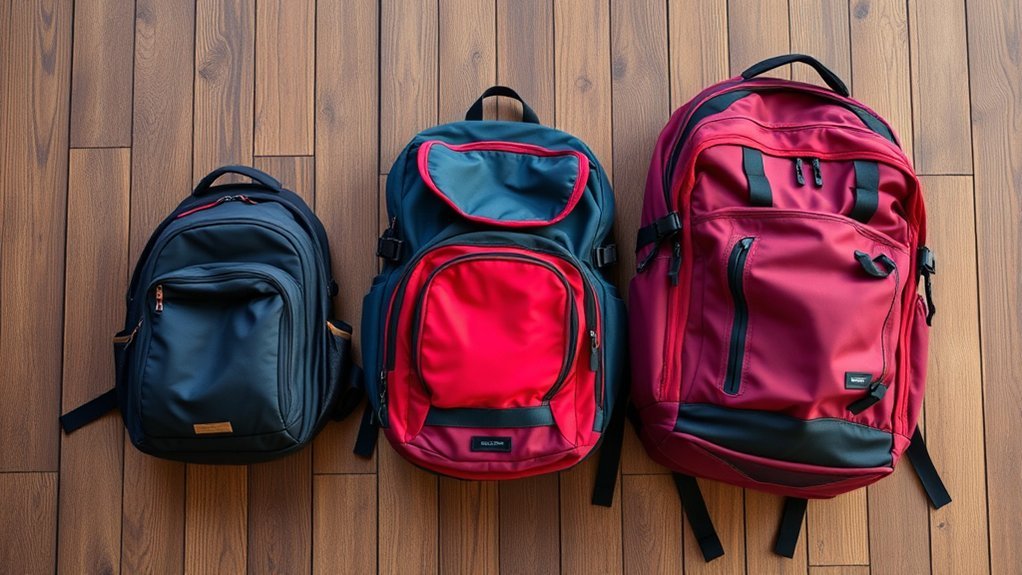
Backpack capacity is normally stated in liters. One liter is one cubic decimeter, and it equals about 61.02 cubic inches. This measurement helps compare general capacity, but it does not show how efficiently the space is shaped or divided.
Some manufacturers measure all closed compartments, while others may treat expandable sections or exterior pockets differently. A tall 35L pack can also feel very different from a wide 35L pack. Compare the manufacturer’s listed dimensions, compartment layout, opening style, and empty weight along with the liter figure.
Note: Liter ratings are useful for capacity comparisons, but they do not guarantee that two packs will hold the same real-world load. Shoes, camera cubes, rigid containers, curved frames, and thick padding can reduce usable space.
Travel Backpack Sizes at a Glance
Backpack Size at a Glance
| 0–10 liters | Running, cycling, short walks, hydration, or a few daily essentials |
| 10–20 liters | Light day hikes, sightseeing, commuting, or compact personal-item use |
| 20–30 liters | Full-day outings, work and travel, or a minimalist overnight trip |
| 30–40 liters | Weekend travel, minimalist one-bag trips, or light overnight hiking |
| 40–50 liters | Long weekends, bulky travel gear, or efficient 1–3-night backpacking |
| 50–70 liters | Multi-day backpacking, camping, or travel with substantial equipment |
| 70+ liters | Extended, self-supported, winter, expedition, or family-gear trips |
These ranges are practical starting points rather than strict rules. Experienced ultralight travelers may use less space, while beginners, winter campers, photographers, or adults carrying children’s gear may need more.
How to Choose the Right Backpack Size for Your Needs
Consider Trip Duration and Trip Type
Start with how long you will be away, then consider what the trip requires. A city weekend with laundry access may fit in 25–35L, while a two-night camping trip may need 40–50L because you must carry shelter, sleep gear, food, and water treatment. Current backpacking capacity guidance commonly places efficient 1–3-night loads around 30–50L, multi-day loads around 50–80L, and extended or winter loads at 70L or more.
Your activity also changes the answer. Running and cycling packs stay compact for stability. Hiking daypacks need room for water, layers, food, navigation, and emergency items. Camera, climbing, ski, and technical packs may need dedicated compartments or attachment points that reduce general storage space.
Evaluate Packing Style, Climate, and Gear
A minimalist who rewears clothing and uses compact toiletries may travel for a week with 30–40L. A “just in case” packer may fill 45L on the same trip. Before buying, place your actual gear on the floor, remove duplicates, and estimate the bulk of the final load.
- Warm-weather city travel: usually needs less space because clothing is lighter and shelter is not required.
- Cold or wet conditions: require bulkier insulation, rain protection, gloves, and spare dry layers.
- Camping: adds a sleep system, shelter, stove, food, and safety equipment.
- Work or photography: may require a laptop sleeve, charger organization, or a padded camera insert.
- Family travel: often means one adult carries shared items, snacks, or children’s clothing.
Pro Tip: Pack your planned load into a box or an existing bag before shopping. This reveals whether your problem is true lack of capacity or simply inefficient packing.
Check Carry-On and Personal-Item Dimensions
A bag’s liter rating does not determine whether it is airline compliant. Airlines set their own limits, and allowances can vary by carrier, fare, cabin, route, and aircraft. IATA’s passenger baggage guidance notes that many airlines use limits near 56 × 45 × 25 cm (22 × 18 × 10 inches), but this is only a general reference—not a universal rule.
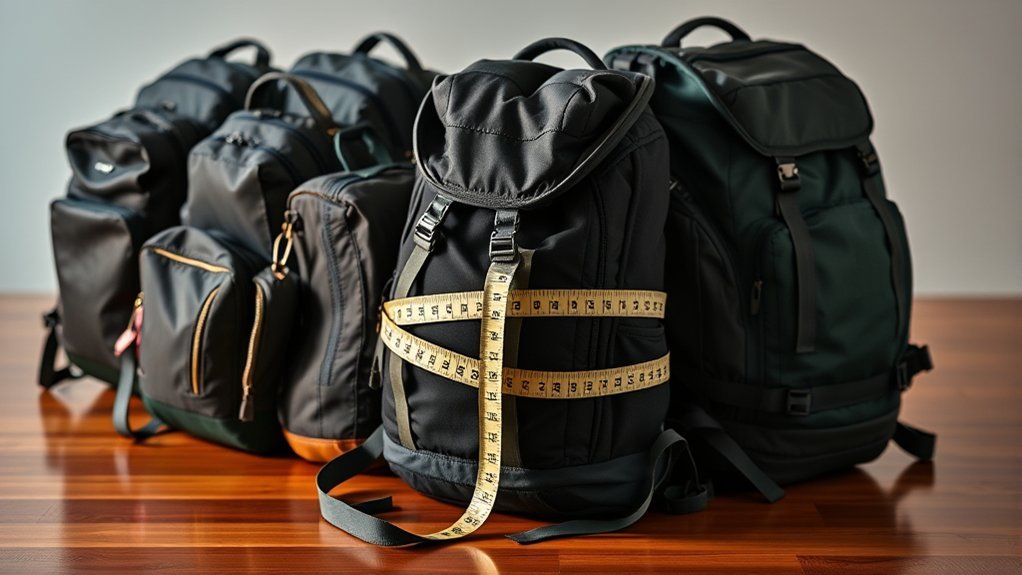
Measure the packed backpack at its longest, widest, and deepest points, including handles, rigid frames, stuffed pockets, and wheels. Check both the size and weight rules on the operating airline’s website before every flight. A soft 40L bag may compress into a sizer when lightly packed, while another 35L bag with a rigid frame may not.
Warning: Do not buy a bag solely because it is advertised as “carry-on size.” Airline limits change, and a fully packed bag can exceed the listed dimensions. Budget and regional carriers may also enforce lower weight limits.
Essentialist Packs: 0–10 Liters for Minimal Loads
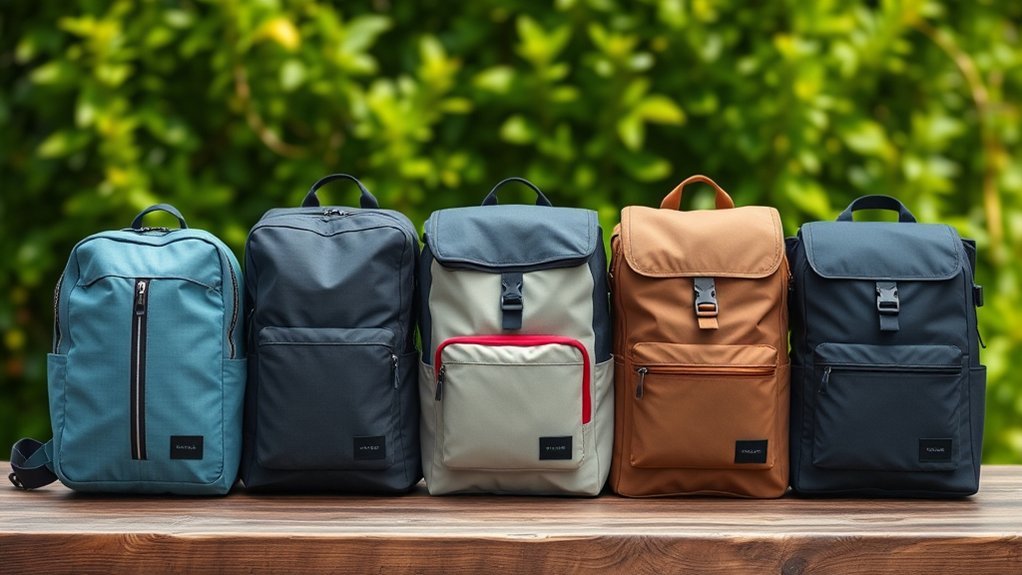
Packs from 0–10L work best when speed and mobility matter more than storage. They are common for running, cycling, short walks, hydration, theme parks, or carrying a phone, wallet, keys, snack, and a very light layer.
This range can be too small for a full day outdoors if you need several liters of water, substantial food, rain gear, first aid supplies, sun protection, navigation tools, or extra insulation. Choose it only after confirming that your safety essentials fit comfortably.
Compact Daypacks: 10–20 Liters
A 10–20L daypack suits light hikes, sightseeing, commuting, and short outings. It can usually hold water, snacks, a packable jacket, small first aid supplies, and a compact camera or tablet. It may also work as an airline personal item when its packed dimensions meet the carrier’s under-seat limit.
For outings lasting most of the day, stay near the upper end if you carry extra layers, lunch, more water, or gear for changing weather. A supportive back panel and sternum strap become more useful as the load grows.
Day and Minimalist Overnight Packs: 20–30 Liters
This range is versatile for full-day hiking, daily commuting, short business trips, and highly efficient overnight travel. A 20–30L pack can hold a change of clothes, compact toiletries, electronics, snacks, and a light layer without feeling bulky.
For outdoor overnights, 20–30L generally works only with compact equipment, favorable weather, and disciplined packing. It is not automatically enough for a tent, warm sleep system, cooking equipment, food, and water.
Weekend Travel Packs: 30–40 Liters
A 30–40L travel backpack is a practical choice for many two- to four-day city trips and minimalist one-bag journeys. Look for a clamshell or panel opening, internal compression straps, a secure laptop compartment, and shoulder straps that can be protected during transit.
Many bags in this range are marketed for carry-on travel, but capacity is not proof of compliance. Compare the exact packed dimensions with every airline on your itinerary.
Weekend and Light Backpacking Packs: 40–50 Liters
A 40–50L pack provides more room for long weekends, bulkier clothing, hiking equipment, or a compact 1–3-night backpacking load. This is where a supportive frame, load lifters, and a well-fitted hip belt become especially important.
For air travel, many 45–50L packs are too deep or too tall when full. A removable daypack, long frame, or top lid can also push the bag beyond cabin limits, so plan to check it unless the manufacturer’s dimensions and your airline’s rules clearly align.
Multi-Day Backpacking Packs: 50–70 Liters
Multi-day backpacking packs in the 50–70L range can carry a tent or shelter, sleeping bag, sleeping pad, clothing, stove, food, water, and safety gear. They are suitable for many three- to five-night trips and shorter journeys with bulky or cold-weather equipment.
- Fit: Choose the correct torso size and make sure the hip belt wraps the iliac crest securely.
- Organization: Use accessible pockets for water, rain gear, snacks, navigation, and first aid supplies.
- Load control: Keep dense items close to your back and avoid hanging heavy objects far behind you.
- Restraint: Extra space can encourage overpacking, so choose the smallest pack that safely holds your required gear.
Specialized Packs: 70+ Liters for Extended and Winter Trips
Packs of 70L or more are designed for extended self-supported trips, winter camping, expeditions, remote routes, or situations where one person carries shared gear. The extra volume can accommodate a warmer sleeping bag, four-season shelter, additional food, technical equipment, and more clothing.
Large packs can become dangerously heavy when filled. Prioritize a stable frame, adjustable torso system, substantial hip belt, load lifters, durable fabric, and compression straps. Test the complete load before departure and remove items that do not serve a clear safety or trip need.
The Importance of Fit and Comfort in Backpack Selection
Capacity tells you how much a pack may hold; fit determines whether you can carry it comfortably. Pack size is based mainly on torso length, not a person’s total height. Hip-belt shape and size also affect how well the load transfers from the shoulders to the hips.
Measure Your Torso and Hips
To measure torso length, find the C7 vertebra—the prominent bone at the base of your neck when you tilt your head forward. Then find the top of your hip bones, called the iliac crest. Measure along the spine from C7 to the level of the iliac crest. Measure your hips around the iliac crest rather than at the narrowest part of your waist. The Osprey size and fit guide provides a visual reference for these measurements.
Test the Pack With Realistic Weight
Try several models because two packs with the same capacity and torso range can fit differently. Add a realistic load, loosen all straps, position the hip belt over the iliac crest, tighten the shoulder straps, adjust the load lifters, and lightly secure the sternum strap. Walk, climb stairs, and move your arms for at least 10–15 minutes.
Reject a pack that creates numbness, sharp pressure, severe shoulder loading, rubbing, or a gap that cannot be corrected with normal adjustment. People between sizes should compare both sizes with weight rather than relying only on a chart.
Packing Strategies for Different Backpack Sizes
- Under 20L: carry only essentials and use flat, compact items. Keep water balanced and easy to reach.
- 20–30L: roll or fold clothing neatly, decant toiletries, and limit shoes to the pair worn plus one compact alternative.
- 30–40L: use packing cubes or internal compression, keep travel documents accessible, and protect electronics from liquids.
- 40–50L: place dense items close to the back, fill dead space inside shoes or cookware, and compress soft layers without blocking access.
- 50L and above: keep the sleep system low, heavy food or equipment near the middle of the back, and frequently used items near the top or in exterior pockets.
A two-bag setup can work well for air travel: use a main backpack for clothing and a smaller bag for documents, medication, electronics, and in-flight essentials. Confirm that your ticket permits both items and that each bag meets its assigned size limit.
The best backpack is not the largest one you can carry. It is the smallest one that safely holds your required gear and still fits your body and travel rules.
Tips for Traveling With the Optimal Backpack Size
- Check dimensions before capacity: use liters to compare storage, then verify length, width, depth, and weight.
- Pack for the hardest day: include the clothing, water, food, and safety gear needed for the most demanding part of the trip.
- Leave expansion space: do not depart with every pocket stretched tight; you may need room for food, wet gear, or an extra layer.
- Use compression carefully: compression straps reduce bulk but cannot make a rigid frame or back panel shorter.
- Recheck airline rules: confirm allowances shortly before departure, especially when separate airlines operate different legs.
- Weigh the loaded bag: a compact bag can still exceed a carrier’s weight limit or become uncomfortable to carry.
Frequently Asked Questions
What materials are best for a durable travel backpack?
High-denier nylon and polyester are common durable choices. Ripstop weaves can limit the spread of small tears, while reinforced stitching and abrasion-resistant panels protect high-wear areas. A water-resistant coating helps in light rain, but true waterproof performance normally requires sealed seams, waterproof zippers, or a separate rain cover.
How do I clean and maintain my travel backpack?
Follow the manufacturer’s care label first. In general, empty the pack, shake out debris, clean it with mild soap and warm water using a sponge or soft brush, rinse thoroughly, and air-dry it away from direct heat. Avoid machine washing or harsh chemicals unless the manufacturer specifically allows them.
Can I carry a backpack as a personal item on a flight?
Usually, yes, when the packed backpack fits the airline’s personal-item dimensions and can go under the seat. The permitted size may depend on the airline and fare. Check the operating carrier’s current rules and measure the full bag, including stuffed pockets and rigid parts.
What features should I look for in a travel backpack?
Prioritize a comfortable harness, suitable torso range, secure zippers, useful organization, durable fabric, compression straps, and an opening style that matches your trip. Air travelers may also benefit from stowable straps, lockable zipper pulls, a laptop compartment, and dimensions that remain compliant when packed.
Are there specific brands known for quality travel backpacks?
Osprey, Deuter, Gregory, Patagonia, Cotopaxi, and several specialist luggage brands offer established travel or hiking lines. Brand reputation is less important than the fit and design of the exact model. Compare warranty terms, torso sizing, empty weight, dimensions, materials, and replacement-part support before choosing.
Is a 40-liter backpack always carry-on size?
No. A 40L bag may be carry-on compliant on one airline and too tall, wide, deep, or heavy on another. Shape, frame length, wheels, handles, exterior pockets, and how tightly it is packed all affect the final measurements.
Conclusion
The right travel backpack size balances capacity, fit, trip needs, and transport rules. Use liters to narrow your options, then compare actual dimensions, harness sizing, organization, and loaded comfort. A compact daypack may be perfect for sightseeing, while a 50–70L pack makes sense for multi-day camping. Choose the smallest pack that safely holds your required gear, test it with weight, and verify airline limits before you leave.
Sources
- REI Co-op: How to Choose a Backpack — capacity ranges, trip length, pack features, and fit
- REI Co-op: How to Choose a Daypack — daypack capacities and activity needs
- Osprey: Backpack Size and Fit Guide — torso and hip-belt measurement
- IATA: Passenger Baggage Rules — airline-specific cabin baggage limits
- TSA: What Can I Bring? — reminder to check airline size and weight restrictions
- Osprey: How to Clean Your Backpack — cleaning and drying guidance