
Last Updated on August 23, 2026 by Mason Reed
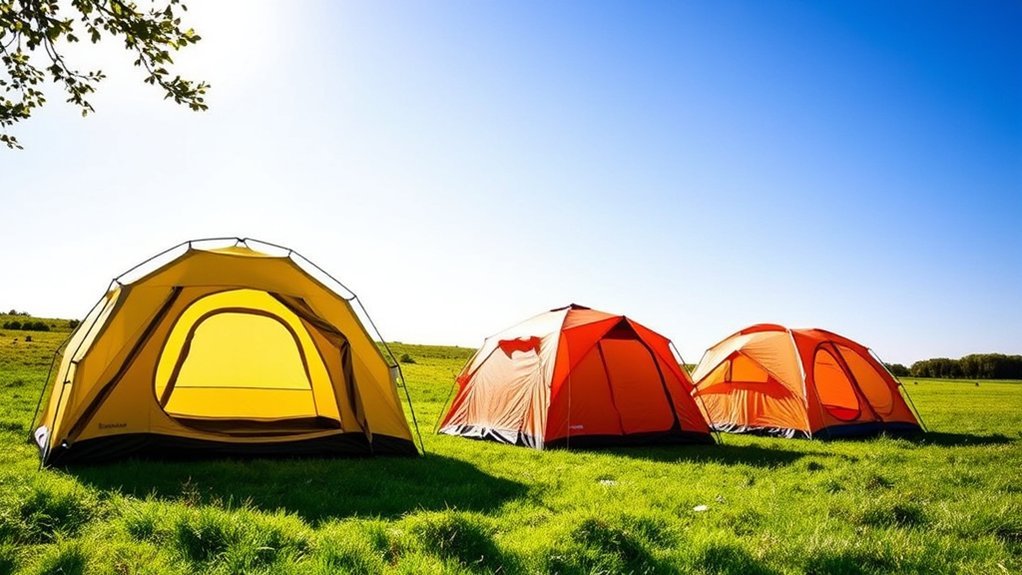
Choosing the right tent size can make the difference between a comfortable camping trip and a cramped night outdoors. The best tent depends on your group size, sleeping setup, gear, camping style, and expected weather. A tent’s advertised capacity is usually the maximum number of people it can hold, but many campers choose a larger size for extra comfort and storage.
Quick Answer
Choose a tent based on how much living space you need, not just the number of people sleeping inside. A two-person tent works for two backpackers with minimal gear, but couples or families often prefer a tent rated one or two people higher for sleeping comfort, equipment storage, and easier movement.
Key Takeaways
- Tent capacity ratings show the maximum sleeping capacity, not always the most comfortable capacity.
- Choose a larger tent when you need extra room for bags, pets, children, or bad-weather time indoors.
- Backpacking tents prioritize low weight, while family tents prioritize space and comfort.
- Always consider floor dimensions, tent height, vestibules, and weather conditions before buying.
At a Glance
| Time Required | 10–20 minutes to compare sizes and layouts |
| Difficulty | Easy for most campers |
| Tools Needed | Tent measurements, sleeping gear sizes, camping needs list |
| Cost | Varies by tent size, materials, and features |
Disclosure: As an Amazon Associate I earn from qualifying purchases. Some links on this page are affiliate links, at no extra cost to you.
Understanding Tent Sizes and Capacities
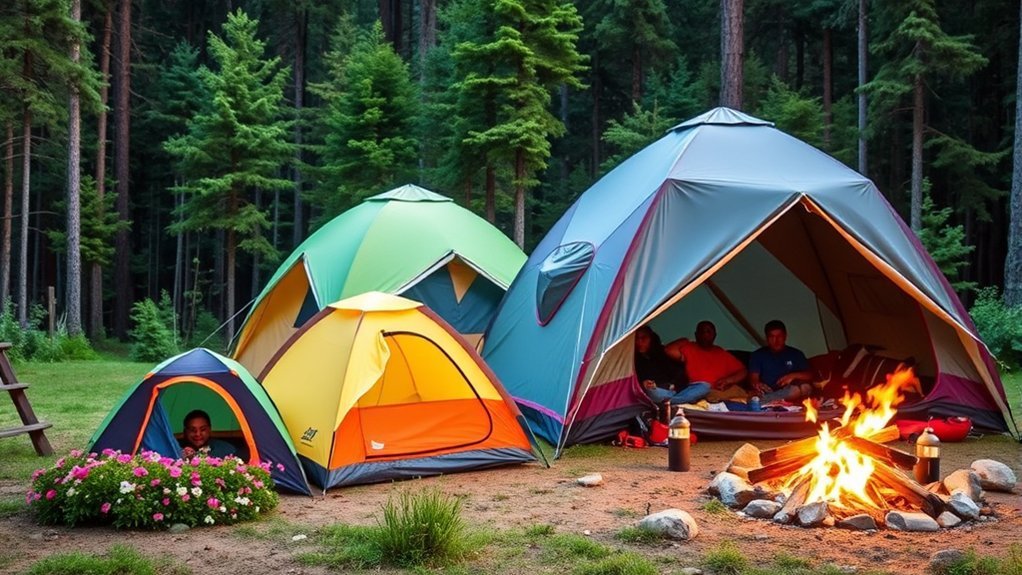
Tent capacity ratings describe how many people can sleep inside a tent when using standard sleeping arrangements. A four-person tent can technically fit four campers, but that usually leaves very little space for bags, clothing, and movement.
For many campers, choosing a tent rated for one or two more people than the group size creates a better balance between sleeping space and comfort. For example, a couple may prefer a three- or four-person tent if they bring large sleeping pads, extra gear, or camp during rainy conditions.
Camping Tent Size Chart
| Tent Rating | Best For |
| 1–2 person tent | Solo campers or couples carrying minimal gear |
| 3–4 person tent | Couples, small families, or campers wanting extra room |
| 5–6 person tent | Families and groups needing storage space |
| 8+ person tent | Large families or group camping |
Factors Influencing Tent Size Selection
The number of people is only one part of choosing the right tent size. Your camping style, equipment, and environment also affect how much space you need.
- Sleeping gear: Wide sleeping pads and air mattresses require more floor space.
- Gear storage: Backpacks, shoes, coolers, and clothing need protected storage areas.
- Camping style: Backpackers usually accept smaller spaces to save weight, while car campers often prefer comfort.
- Weather: Extra room is valuable when rain or cold temperatures force you to spend more time inside.
Warning: A tent that fits the maximum listed capacity may feel crowded once sleeping bags, gear, and personal items are inside.
Backpacking vs Family Tent Sizing
Backpacking tents are designed around weight savings and portability. They often have less floor space and lower ceilings because hikers carry them long distances.
Family and car camping tents usually sacrifice lightweight design for comfort. They often include taller walls, larger doors, room dividers, and more storage options.
Pro Tip: If you mainly camp near your vehicle, prioritize interior comfort over saving a few pounds of tent weight.
How to Accurately Measure Tent Dimensions
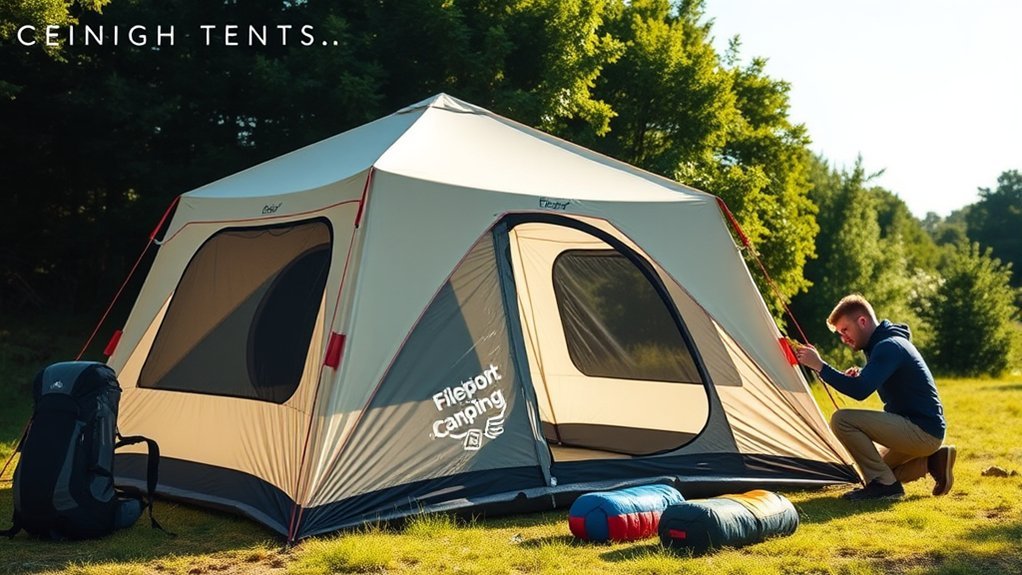
Look beyond the person rating and check the tent’s actual measurements. The floor length and width tell you whether your sleeping pads will fit comfortably, while peak height shows how easy it is to sit or stand inside.
Also check vestibule space, which provides covered storage for shoes, backpacks, and wet equipment without taking away sleeping room.
Tips for Choosing the Ideal Tent Size
- Measure your sleeping pads before choosing a tent.
- Add space if you camp with children or pets.
- Choose extra room if you expect bad weather.
- Consider cabin-style tents for standing space and dome tents for easier transport.
- Check door placement and storage areas before buying.
Making the Final Decision for the Perfect Tent
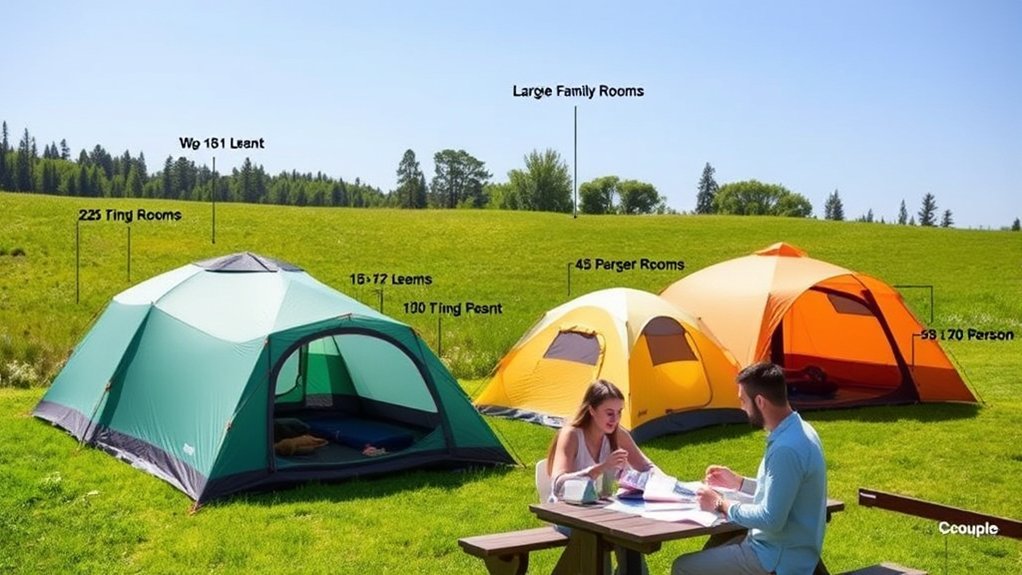
Before purchasing, compare the tent size with your real camping habits. Think about who will sleep inside, what equipment you bring, and how much comfort you want.
- Choose the right capacity: Do not rely only on the maximum listed number of sleepers.
- Check dimensions: Confirm sleeping pads, bags, and gear will fit.
- Consider weather: Extra space helps during rain and cold conditions.
- Review materials: Match the tent design to your expected environment.
Note: A larger tent is not always better for backpacking because extra weight can make long-distance hiking more difficult.
Frequently Asked Questions
What are the best tent brands for larger groups?
Brands such as Coleman, REI Co-op, and Big Agnes offer tents in larger capacities with different designs for family camping, backpacking, and outdoor comfort.
Can I fit a dog inside my tent comfortably?
Yes, but choose extra floor space for your dog’s sleeping area, especially if you already have multiple campers or large gear inside.
How do weather conditions affect tent size choice?
Rain and cold weather increase the value of extra interior space because campers may spend more time inside organizing gear or waiting out storms.
Are there specific tents for different terrains?
Yes. Backpacking tents, family tents, and four-season tents are designed for different environments, weather conditions, and performance needs.
What additional gear should I consider when selecting tent size?
Consider sleeping pads, sleeping bags, backpacks, clothing storage, lanterns, and any equipment that must stay protected inside the tent.
Conclusion
The perfect tent size is not just about fitting the maximum number of people. It is about creating enough room for sleeping, storing gear, handling weather, and enjoying your outdoor experience. Choose based on your real camping style, and you will be much more comfortable on every trip.
Sources
- REI Tent Buying Guide — camping tent selection and sizing considerations.
- Coleman Tents — examples of family camping tent capacities and designs.
- The North Face Tent Guide — tent design and outdoor use considerations.

