
Last Updated on July 23, 2026 by Daniel Globe
Bed bugs can hide in mattress seams, headboard gaps, luggage racks, and furniture near a sleeping area. A careful room check before you unpack can lower the chance of carrying them home. You cannot prove a room is completely clear in a few minutes, but you can look for the strongest warning signs and respond quickly if you find evidence.
Quick Answer
When you enter a hotel room, keep your closed luggage in the bathroom or on another hard surface while you inspect. Check the luggage rack, mattress seams, box spring edges, headboard, and nearby furniture with a flashlight. Look for live bugs, eggs, shed skins, dark fecal spots, and rusty stains.
Key Takeaways
- Keep luggage closed and away from the bed while you inspect the room.
- Inspect the luggage rack before placing a bag on it.
- Look for live bugs, eggs, shed skins, dark fecal spots, and rusty blood stains.
- Bites alone cannot confirm a bed bug infestation because reactions vary and may resemble other skin problems.
- If you find evidence, photograph it, seal your belongings, notify hotel management, and request an inspected room that is not beside, above, or below the affected room.
- After travel, inspect your luggage and use a clothes dryer at the hottest setting the fabric can safely tolerate. Washing alone may not kill every bed bug.
What’s in This Article
- Before You Begin
- Signs of Bed Bug Infestation
- How to Prepare Before You Check In
- How to Check Your Hotel Room
- Inspecting the Bed
- Inspecting the Furniture
- Inspecting the Walls and Floors
- What to Do if You Find Bed Bugs
- Reporting Bed Bugs to Hotel Staff
- Preventing Bed Bugs from Coming Home
- What to Do if You Find Signs After Travel
- Frequently Asked Questions
- Stay Ahead of Bed Bugs on Every Trip
- Sources
Disclosure: As an Amazon Associate I earn from qualifying purchases. Some links on this page are affiliate links, at no extra cost to you.
Before You Begin
At a Glance
| Time Required | 5 to 10 minutes |
| Difficulty | Easy |
| Tools Needed | Flashlight, phone camera, white tissue, and sealable bags |
| Cost | Usually free if you use items you already have |
You do not need specialized equipment to inspect a hotel room. These items make the process faster and easier:
- Flashlight: Your phone’s flashlight works well for dark seams and narrow gaps.
- Phone camera: Use it to document suspicious stains, insects, or shed skins before you leave the room.
- White tissue: A light background can make dark spots, rusty stains, and pale shed skins easier to see.
- Sealable bags: Keep clean clothes, dirty laundry, and possibly exposed items separated.
- Hard temporary surface: Keep your closed luggage in the bathroom or on a clean hard surface until you have inspected the luggage rack.
Note: Inspect only areas you can reach safely. Do not remove electrical outlet covers, dismantle hotel furniture, or lift a heavy mattress or box spring by yourself.
Signs of Bed Bug Infestation
Adult bed bugs are flat, wingless, reddish-brown insects that can be about the size of an apple seed. Young bed bugs may be smaller and lighter. The U.S. Environmental Protection Agency recommends looking for several kinds of physical evidence instead of relying on one clue.
- Live bugs: Adults and young bed bugs may hide in seams, folds, screw holes, and narrow cracks.
- Eggs and eggshells: Bed bug eggs are tiny, pale, and often attached to rough surfaces in protected gaps.
- Shed skins: Pale, shell-like exoskeletons remain after young bed bugs molt.
- Dark fecal spots: These may look like small black or brown ink dots on fabric, wood, or bed frames.
- Rusty or reddish stains: These may come from blood or crushed, recently fed bugs.
- Sweet, musty odor: A noticeable odor is more often associated with a larger infestation and should not be used as the only sign.
Bites may appear as itchy red marks, clusters, lines, or no visible reaction at all. The Centers for Disease Control and Prevention explains that reactions differ from person to person and may appear days later. Bites alone cannot prove that bed bugs are present.
The strongest confirmation is physical evidence, such as a live bug, eggs, shed skins, or characteristic fecal spots, not a bite pattern by itself.
How to Prepare Before You Check In
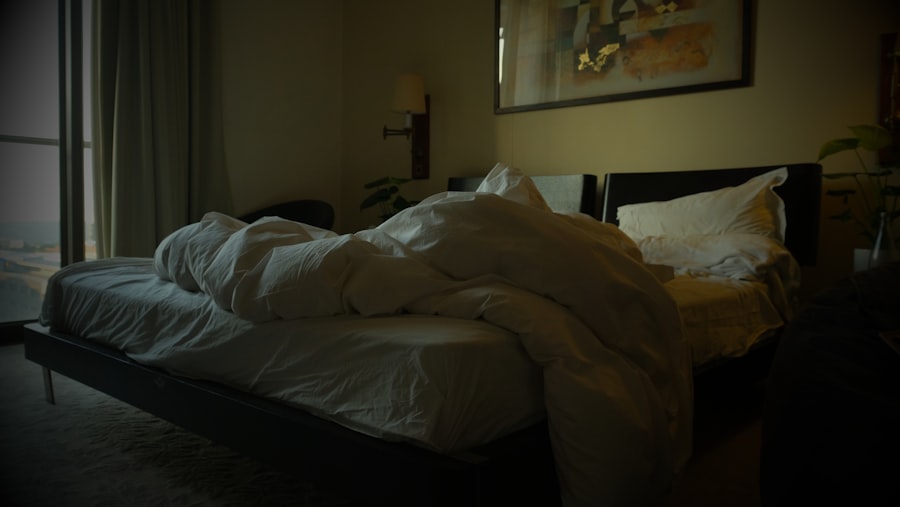
You can read recent guest reviews before booking, but reviews cannot prove that a hotel is currently free of bed bugs. Bed bugs can be introduced into any property by travelers, and cleanliness or room price does not determine whether they are present.
Pack a small flashlight and several sealable bags. Keep clothing organized inside your suitcase, place dirty laundry in a separate sealed bag, and keep the suitcase closed when you are not using it. A hard-sided case may be easier to wipe and inspect, but no suitcase material is bed bug-proof because bugs can hide around zippers, seams, handles, and pockets.
How to Check Your Hotel Room
Complete the inspection before you unpack. Start close to the bed, where bed bugs are most likely to hide, then move outward to nearby furniture and visible wall gaps.
| Location | What to Check | When |
|---|---|---|
| Luggage rack | Straps, joints, screw holes, and underside | Before placing luggage on it |
| Mattress and box spring | Seams, piping, labels, corners, and visible underside edges | Every time you check in |
| Headboard and bed frame | Visible gaps, joints, slots, and screw holes | Every time you check in |
| Nightstands and dressers | Drawer joints, tracks, undersides, and cracks | Every time you check in |
| Pictures and nearby walls | Visible frame edges, loose wallpaper, baseboards, and cracks | During a fuller inspection |
- Keep luggage in the bathroom. Leave your closed bags on a dry hard surface while you inspect. Do not put them on the bed, carpet, sofa, or an unchecked luggage rack.
- Inspect the luggage rack. Shine your flashlight around the straps, joints, screw holes, and underside. Move your bag to the rack only after it appears clear, then keep the rack away from the bed and wall.
- Pull back the bedding gently. Check the sheets and expose the mattress seams and corners. You do not need to strip the entire bed or remove pillowcases.
- Inspect the mattress and box spring. Follow the piping, labels, folds, and corner seams. Check visible box spring edges and the fabric underneath only if you can do so without lifting heavy furniture.
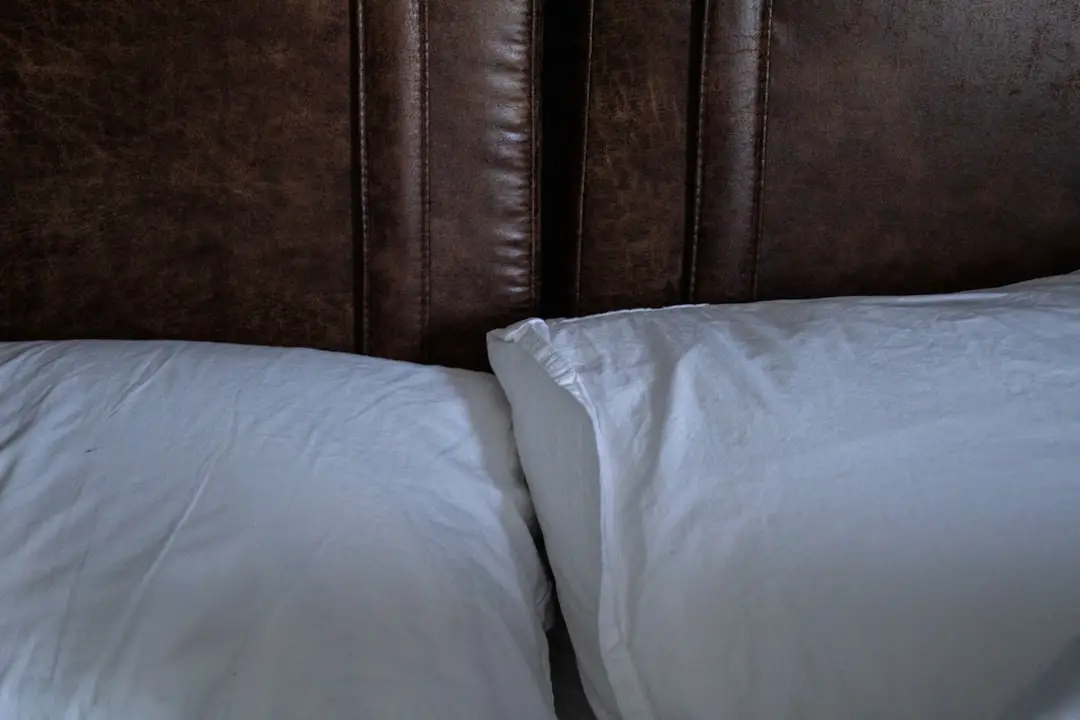
- Check the headboard and bed frame. Use your flashlight along visible gaps, joints, slots, and screw holes. Do not detach a fixed headboard.
- Examine nearby furniture. Check nightstands, dressers, upholstered chairs, and picture-frame edges, especially within several feet of the bed.
- Scan visible walls and floors. Look along baseboards, carpet edges, loose wallpaper, and cracks near the bed. Do not remove outlet or switch covers.
Inspecting the Bed
Pro Tip: Hold your flashlight almost parallel to a seam. Side lighting creates small shadows that can make eggs, young bugs, shed skins, and fecal spots easier to see.
Start at one mattress corner and follow the seam around the bed. Check piping, stitched labels, handles, folds, and the area under the mattress pad. Look at the sheet and mattress surface for dark spots, reddish stains, shed skins, eggs, or live insects.
Next, inspect the visible edges of the box spring and bed frame. Bed bugs often use narrow joints and protected fabric folds. Check the headboard last, including the visible gap between the headboard and wall. Stop if the furniture is fixed, heavy, or unsafe to move.
Inspecting the Furniture
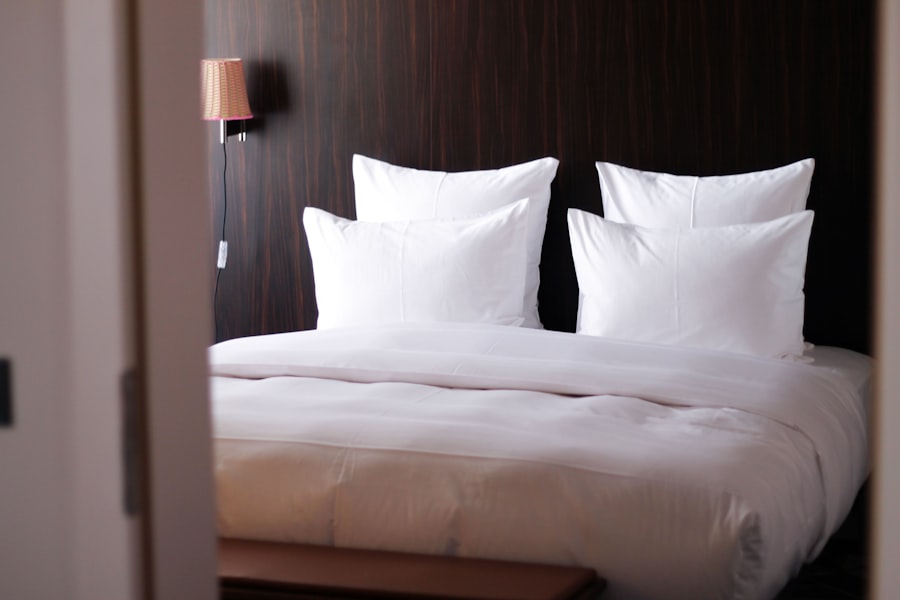
After checking the bed, inspect furniture close to where people sleep or rest. Upholstered chairs and sofas provide seams, folds, and hidden edges where bed bugs can shelter.
Check cushion seams, fabric folds, and the underside of loose cushions. On wooden nightstands and dressers, inspect joints, drawer tracks, screw holes, and visible cracks. Look for the same physical evidence you checked on the bed. Avoid using any furniture that shows suspicious signs until hotel staff has inspected it.
Inspecting the Walls and Floors
Bed bugs may hide along baseboards, carpet edges, loose wallpaper, picture-frame edges, and cracks near a sleeping area. They can also move through gaps between rooms in a building.
Note: Use your flashlight to inspect visible gaps around outlets and switches, but do not remove covers or insert tools into electrical openings.
Check under the edge of a movable rug and along the perimeter of nearby carpet without pulling up installed flooring. Report dark spotting, shed skins, live insects, or eggs to hotel staff.
What to Do if You Find Bed Bugs
Warning: Do not spray the hotel room, use a fogger, or apply a pesticide to luggage or clothing unless the product label specifically allows that exact use. Misuse can expose people and pets, fail to reach hidden bugs, and complicate professional treatment.
- Stop unpacking. Close your suitcase and keep belongings away from the bed and upholstered furniture.
- Document the evidence. Take clear photos or video that show the item and its location. If you can do so safely, trap a suspected bug with clear tape or in a sealed container for identification.
- Seal exposed belongings. Put clothing and small items into sealable bags before moving them through the hotel.
- Leave the room. Take your belongings to the front desk or another hard-surface area instead of moving directly into a second room.
- Notify management. Explain exactly what you found and where you found it.
- Request a safe alternative. Ask for a professionally inspected room that is not beside, directly above, or directly below the affected room. Consider changing hotels if management cannot provide a suitable room.
Reporting Bed Bugs to Hotel Staff
Give hotel staff specific information, such as the mattress corner, headboard gap, luggage rack joint, or chair seam where you found evidence. Show your photos and ask that the room be taken out of service for professional inspection.
Write down the date, time, room number, name of the staff member, and the resolution offered. Ask for written confirmation of a room change, refund, laundering assistance, or luggage treatment when appropriate. Local lodging and public-health reporting rules differ, so check the destination’s official health department if the hotel does not respond.
Preventing Bed Bugs from Coming Home
When you return home, keep luggage away from bedrooms and upholstered furniture. Unpack in a laundry area, bathroom, garage, or another easy-to-clean space. Transfer clothing directly from sealed bags into the washer or dryer.
The EPA’s travel guidance states that high dryer temperatures kill bed bugs and that washing alone generally does not. For items that can tolerate it, use the hottest dryer setting allowed by the care label. The EPA’s treatment guidance specifies 30 minutes on high heat for suitable clothing, bedding, and similar items.
- Washable clothing: Wash as the care label allows, then dry at the hottest safe setting.
- Dryer-safe items that do not need washing: A high-heat dryer cycle can be used when the material and care label allow it.
- Dry-clean-only items: Keep them sealed and tell the cleaner about the possible exposure before handing them over. Do not heat delicate items unless the care label permits it.
- Luggage: Inspect seams, zippers, pockets, handles, and wheels. Vacuum inside and outside, then seal and discard the vacuum contents immediately.
- Storage: Store suitcases away from sleeping areas, not under a bed.
Do not rely on a closed car as a guaranteed treatment. The inside of the item may not stay hot enough for long enough. For non-washable belongings, use a purpose-built heat chamber exactly as directed or consult a licensed pest management professional. Only use an EPA-registered pesticide when bed bugs are listed on the label and the label permits use on the specific item or surface.
What to Do if You Find Signs After Travel
If you find a suspected bed bug, shed skin, egg, or new fecal spotting after you return home, avoid carrying belongings from room to room. Seal exposed items, keep luggage away from beds and sofas, and photograph or capture a specimen for identification.
Contact a licensed pest management professional with bed bug experience. Early identification and treatment can limit spread, but a home infestation often requires more than one method and may take time to control. Do not use rubbing alcohol, gasoline, kerosene, space heaters, or repeated pesticide applications.
Bed bugs are not known to spread disease, but bites can cause itching, sleep loss, secondary skin infection from scratching, and rare allergic reactions. Seek medical care for trouble breathing, facial or throat swelling, widespread hives, signs of infection, or another severe reaction.
Frequently Asked Questions
What are bed bugs?
Bed bugs are small, flat, wingless insects that feed on the blood of people and animals. Adults are usually reddish-brown and may be about the size of an apple seed. They hide in seams, cracks, furniture joints, and other protected areas near places where people sleep or rest.
How can I check a hotel room for bed bugs?
Keep your luggage closed in the bathroom while you inspect. Check the luggage rack, mattress seams, box spring edges, headboard, bed frame, nightstands, upholstered furniture, picture-frame edges, baseboards, and visible cracks. Use a flashlight and look for live bugs, eggs, shed skins, dark spots, and rusty stains.
Can bites confirm that a hotel room has bed bugs?
No. Bed bug bites can resemble bites from other insects or skin conditions, and some people do not react at all. Treat bites as a reason to inspect, not as proof. Physical evidence or expert identification provides a stronger basis for confirmation.
What should I do if I find bed bugs in my hotel room?
Stop unpacking, photograph the evidence, seal exposed belongings, and notify hotel management. Ask for an inspected replacement room that is not beside, directly above, or directly below the affected room. Do not spray the room or move loose belongings directly into another room.
Can I prevent bed bugs from coming home with me?
You cannot remove all risk, but you can lower it. Keep luggage off beds and floors, inspect the room and luggage rack, keep dirty clothes sealed, inspect the suitcase after travel, dry suitable items at the hottest safe setting, and store luggage away from bedrooms.
Does washing clothes kill bed bugs?
Washing may remove or kill some bed bugs, but washing alone is not considered reliable. Heat from a clothes dryer is the key step. Use the hottest setting the fabric can safely tolerate, and follow the item’s care label.
Are bed bugs only found in cheap or dirty hotels?
No. Bed bugs can be introduced into any hotel, rental, dormitory, train, cruise ship, or home. Price, star rating, and cleanliness do not determine whether bed bugs are present.
Do bed bugs transmit diseases?
Bed bugs are not known to transmit diseases to people. Their bites can still cause itching, loss of sleep, scratching-related skin infection, and rare allergic reactions.
Health Disclaimer: This article is for general information and does not replace medical advice or professional pest-control guidance. Contact a healthcare provider for a severe bite reaction and a licensed pest management professional for a suspected home infestation.
Stay Ahead of Bed Bugs on Every Trip
A short inspection before unpacking can help you spot warning signs early and keep your luggage away from a possible infestation. Start with the luggage rack, mattress seams, box spring edges, and headboard, then check nearby furniture and visible wall gaps. If you find evidence, document it, seal your belongings, report it, and move only to an inspected non-adjacent room. After travel, inspect your luggage and use safe dryer heat for suitable items.
Sources
- Centers for Disease Control and Prevention: About Bed Bugs – identification, bite reactions, health effects, spread, and hiding places.
- U.S. Environmental Protection Agency: Tips for Travel – hotel inspection, luggage placement, unpacking, drying, and suitcase storage.
- U.S. Environmental Protection Agency: How to Find Bed Bugs – physical signs, behavior, life stages, and reproduction.
- U.S. Environmental Protection Agency: Preparing for Treatment Against Bed Bugs – sealed transport and high-heat dryer treatment.
- U.S. Environmental Protection Agency: Stay Legal and Safe in Treating for Bed Bugs – pesticide, fogger, and unsafe heat-treatment precautions.
- University of Minnesota Extension: Bed Bug Prevention and Control – hotel inspection details, non-adjacent room guidance, luggage cleaning, and professional control.
