
Last Updated on September 10, 2026 by Daniel Globe
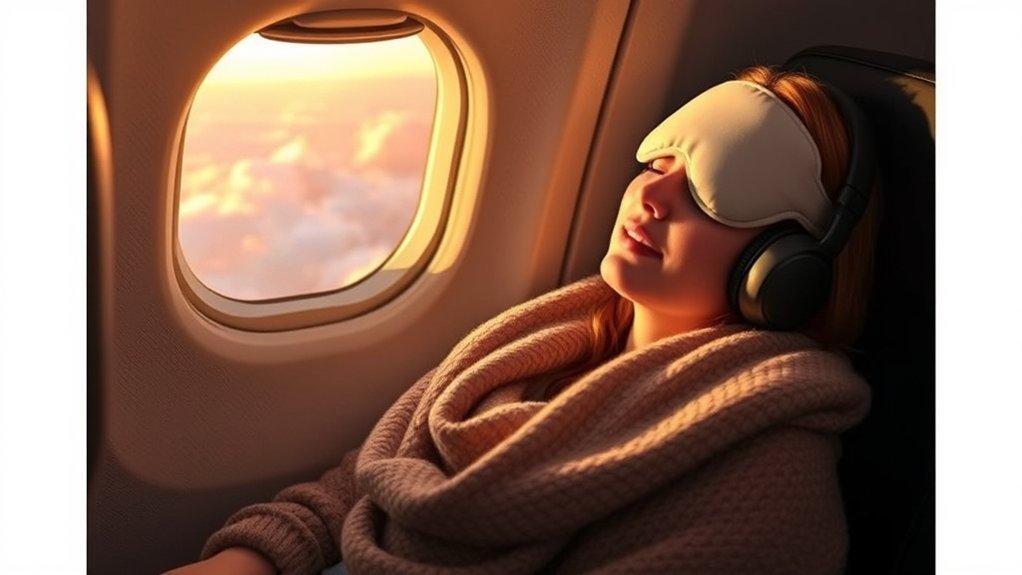
Sleeping upright on a plane can leave your head dropping forward or leaning sharply to one side. A better setup supports your lower back, keeps your neck close to a neutral position, and limits unsupported head movement. The right travel pillow can improve comfort, but its fit and position matter more than a specific material or brand.
Quick Answer
To sleep on a plane without neck pain, sit fully back, support your lower back, and use a travel pillow that stops your head from dropping forward or sideways. Recline slightly if permitted, keep devices near eye level, move regularly, and stop any stretch that causes pain, dizziness, numbness, or tingling.
Key Takeaways
- Choose a pillow based on where your head usually falls, not only on softness or material.
- Support your lower back and keep your feet stable before adjusting your neck pillow.
- A slight recline may help, but there is no universal seat angle that prevents neck pain.
- Use gentle chin tucks, controlled turns, and shoulder movements instead of full neck circles.
- Keep your seat belt fastened while seated and move your legs regularly on long flights.
At a Glance
| Time Required | About 5 to 10 minutes to set up your seat and support |
| Difficulty | Easy |
| Tools Needed | Travel pillow, rolled jacket or small lumbar cushion, eye mask, and earplugs or headphones |
| Cost | $0 with items you already own; optional travel accessories vary by style and brand |
Disclosure: As an Amazon Associate I earn from qualifying purchases. Some links on this page are affiliate links, at no extra cost to you.
Why Neck Pain Happens During Flights and How to Prevent It
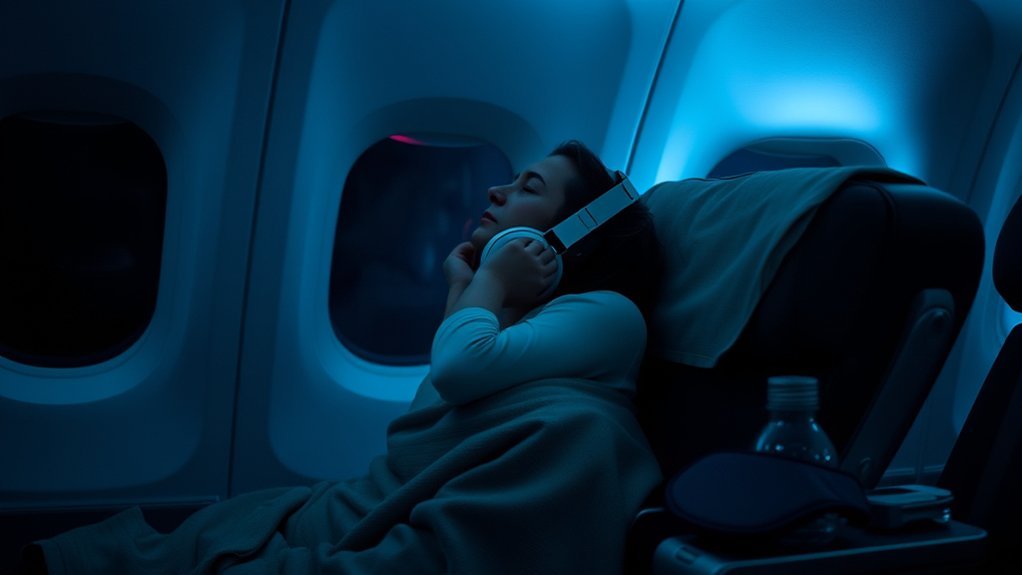
Neck discomfort often develops when you hold your head in one position for a long time or let it fall forward while sleeping. Looking down at a phone or tablet can add more strain. Poor posture and prolonged head-down positions are common triggers for muscle tightness and neck pain, according to Mayo Clinic guidance on neck pain.
A headrest or travel pillow may improve comfort by giving your head somewhere stable to rest. However, research on aircraft seating has not shown that head support guarantees lower muscle activity or prevents pain. A peer-reviewed aircraft-seat study found that head support improved expected comfort, while the long-term effects still required more research.
Warning: Do not rely on stretches or a travel pillow if your neck pain follows an injury, is severe, spreads into an arm or leg, or comes with weakness, numbness, tingling, fever, or a strong headache. Seek medical advice instead.
Set Up Your Seat Before You Sleep
Your neck pillow cannot work well if the rest of your body is sliding or twisting. Build a stable sitting position first, then add head and neck support.
Choose a Window or Aisle Seat
A window seat gives you a fixed surface to lean toward, but place a pillow or folded layer between your head and the wall. Do not press your neck directly against a hard window frame. An aisle seat makes it easier to stand and walk, which can be helpful on a long flight, but it offers less side support and exposes you to passing passengers and carts.
A middle seat gives you the fewest support options. If you cannot change seats, a wrap-around pillow with firm side and chin support may help limit side-to-side movement.
Create a Stable Sitting Position
- Sit with your hips fully against the seatback.
- Place a rolled jacket or small cushion behind your lower back if the seat leaves a gap.
- Keep both feet on the floor or on a stable footrest.
- Keep your shoulders relaxed instead of pulling them upward.
- Recline slightly if the airline permits it and the position keeps your head supported.
There is no single ideal recline angle for every traveler. Your height, seat design, pillow shape, and usual sleep direction all affect comfort. Avoid reclining so far that your head loses contact with its support or rolls sharply to one side.
Keep Your Seat Belt Fastened
The Federal Aviation Administration recommends keeping your seat belt buckled while seated because turbulence can occur without warning. If you use a blanket, fasten the belt over it so cabin crew can see that you are secured without waking you.
Essential Features for Effective Travel Pillows
A useful travel pillow should support the direction in which your head tends to fall. It should feel secure without forcing your head forward, lifting your shoulders, or pressing against your throat.
Ergonomic Design Considerations
Look for a shape that keeps your head close to its natural position while you sit upright. Firm side panels can help if your head falls toward one shoulder. Chin support may help if your head drops forward. A scarf-style support may suit travelers who mainly lean to one side.
The pillow should fill the space between your neck, shoulder, and head without pushing your head away from the seatback. More padding is not always better. A thick pillow behind the neck can push the chin toward the chest and create more strain.
Adjustable Support Features
Adjustability helps because airplane seats, neck lengths, shoulder widths, and sleeping habits differ. Useful features include:
- Adjustable Firmness: Inflatable sections or removable filling let you reduce pressure or add support.
- Secure Closure: A loose strap, snap, or wrap can keep the pillow from sliding without tightening around the throat.
- Removable Inserts: Inserts let you change the height or place extra support on one side.
- Chin Support: A raised front section can reduce forward head droop when it fits correctly.
Remove or loosen the pillow if it makes breathing, swallowing, or turning your head uncomfortable.
Material Quality and Comfort
Memory foam offers a firm, molded feel, but it can be bulky and warm. Inflatable pillows are easier to pack and allow firmness adjustments, though some feel less stable. Fiber-filled pillows are soft but may compress too much to support the head.
Choose a breathable outer fabric and a removable, washable cover when possible. The best material is the one that provides enough support without causing heat, pressure, or skin irritation.
Best Travel Pillow Styles to Reduce Neck Strain
No single pillow style works for every traveler. Choose a design based on your usual head movement, seat position, body size, and packing needs.
Ergonomic Design Features
- U-Shaped Pillow: Easy to find and use, but the open front may provide little support when your chin drops.
- Wrap-Around Pillow: Supports the sides and front of the neck and may reduce head bobbing.
- Scarf-Style Support: Uses a firm internal panel to support one side of the head with less bulk.
- Forward-Lean Pillow: Sits on the tray table or lap and supports the face and arms. Use it only when permitted and never during taxi, takeoff, landing, or turbulence.
Material Comfort Levels
Firm foam usually gives more structure than loose fiber filling. Inflatable designs let you control the pressure and pack the pillow into a smaller space. Soft fabric may feel comfortable at first, but the support beneath it must be firm enough to hold your head without collapsing.
Test the pillow at home in a dining chair or office chair before traveling. Wear the same type of clothing you expect to use on the flight because a thick jacket or hood can change the fit.
Adjustable Support Options
Consider these options based on how you normally sleep:
- For Forward Head Droop: Choose a wrap-around pillow with chin support.
- For Side Leaning: Choose a pillow with one firm side panel or use a window-side cushion.
- For Changing Positions: Choose an inflatable or modular pillow that lets you move the support.
- For Minimal Luggage: Choose a compact inflatable or scarf-style design.
Pro Tip: Turn a traditional U-shaped pillow around so the thicker section sits under your chin if your head usually falls forward. Use this position only if it feels stable and does not press against your throat.
How to Position a Travel Pillow Correctly
- Set your body position first. Sit fully back and support your lower back.
- Identify the direction of head droop. Notice whether your head falls forward, left, or right when you relax.
- Place the firmest support in that direction. Put chin support in front or a firm panel beside the shoulder you lean toward.
- Check the height. The pillow should not lift your shoulder or push your chin sharply toward your chest.
- Test before sleeping. Close your eyes, relax your neck, and make sure the support catches your head without creating pressure or breathing difficulty.
Keep the back of your head near the seat or headrest when possible. Avoid stacking several thick pillows behind your neck because this can push your head forward.
Essential Exercises to Alleviate Neck Discomfort
Gentle movements can reduce stiffness during a flight. Perform them slowly and stay within a comfortable range. The following movements are similar to exercises used in NHS neck-care guidance.
- Chin Tucks: Sit tall and slide your chin straight backward without looking down. Hold for three to five seconds and repeat five times.
- Controlled Rotation: Turn your head slowly toward one shoulder, return to the center, and repeat on the other side. Perform up to five turns per side.
- Side Tilt: Bring one ear gently toward the same-side shoulder without lifting the shoulder. Hold for three to five seconds and change sides.
- Shoulder Rolls: Move both shoulders gently backward five to ten times, then relax them.
- Shoulder-Blade Squeeze: Draw your shoulder blades slightly together, hold for three seconds, and repeat five times.
Note: Avoid forceful stretching and repeated full neck circles. Stop if a movement causes sharp pain, dizziness, weakness, numbness, tingling, or symptoms spreading into an arm.
Maintain Good Posture While Flying
Good posture does not mean holding your body rigidly. It means using support so your muscles do not have to work constantly to hold you in place.
- Support Your Lower Back: Use a small cushion, folded blanket, or rolled jacket to fill the space behind your waist.
- Keep Your Feet Stable: Place both feet on the floor or use a secure footrest. Avoid sitting on one foot or twisting your legs for long periods.
- Recline Carefully: Use a slight recline when allowed, but confirm that your head still contacts the pillow or headrest.
- Raise Your Screen: Hold your phone or tablet closer to eye level rather than bending your neck toward your lap.
- Change Position Regularly: Small posture changes can reduce stiffness better than trying to hold one perfect position for hours.
A comfortable head position is one your support can hold without forcing your neck forward, backward, or sharply to one side.
How to Make Your Sleep Environment Comfy
Light, noise, temperature, and interruptions can make it harder to relax. Prepare the items you need before trying to sleep so you do not have to twist toward the overhead bin later.
| Element | How It Helps | Practical Use |
|---|---|---|
| Eye Mask | Reduces distracting cabin light | Choose one that does not press tightly around the temples |
| Earplugs or Headphones | Reduces engine noise and nearby conversations | Keep the volume low enough to hear safety instructions |
| Supportive Travel Pillow | Limits unsupported forward or sideways head movement | Place the firmest section where your head normally falls |
| Lumbar Support | Reduces slumping and helps stabilize the upper body | Use a rolled jacket or small cushion behind the waist |
| Light Blanket | Helps you stay warm without a bulky layer around the neck | Fasten the seat belt over the blanket |
Aircraft cabin air is usually dry. The CDC Yellow Book reports typical cabin humidity of about 10% to 20%. Drink water regularly, but do not force yourself to follow a fixed hourly amount. Travelers with heart, kidney, or other conditions that affect fluid intake should follow their clinician’s advice.
When crossing time zones, try to sleep during the destination’s nighttime rather than sleeping simply because you are on the plane. An eye mask and earplugs may help you follow that schedule.
Additional Tips for Staying Comfortable on Long Flights
- Move Every One to Two Hours: On trips longer than four hours, the CDC recommends moving your legs frequently and walking every one to two hours when it is safe and permitted.
- Exercise Your Calves: Raise and lower your heels, raise and lower your toes, and tighten and release your leg muscles while seated.
- Drink Water Regularly: Sip according to thirst and personal needs. Limit excess alcohol because it can disturb sleep and worsen dehydration-related symptoms.
- Use Caffeine Strategically: Caffeine may help when you need to stay awake, but avoid it close to the planned sleep period.
- Keep Essentials Nearby: Place your pillow, water, eye mask, medication, and headphones in the under-seat bag before takeoff.
- Avoid Sleeping on the Tray Table: Bending forward for a long period can place the neck and upper back in an awkward position.
- Reset After Landing: Walk, change position, and perform a few gentle neck and shoulder movements if you feel mildly stiff.
When to Seek Medical Advice
Mild stiffness after sitting often improves with normal movement. Contact a healthcare professional if the pain is intense, continues for several days, repeatedly returns after travel, or limits your ability to turn your head.
Seek urgent medical care if severe neck pain follows an injury or occurs with weakness, numbness, tingling, pain spreading into an arm or leg, fever, balance problems, or a severe headache. These symptoms need assessment rather than a new pillow or self-directed exercise.
Frequently Asked Questions
Can Sleeping Pills Help Alleviate Neck Pain During Flights?
No. Sleeping pills do not treat neck pain or correct an unsupported position. They may also cause prolonged drowsiness, confusion, reduced movement, or effects that continue after landing. The CDC advises caution with hypnotic medicines and recommends avoiding sedatives with long half-lives. Use a sleep medicine during travel only after discussing it with a qualified clinician.
What Are the Best Positions to Sleep in While Flying?
Sit fully back with your lower back supported, both feet stable, and your head resting against a pillow or headrest. A slight recline may help when permitted. Avoid allowing your chin to fall sharply toward your chest, leaning into the aisle, or sleeping bent over the tray table.
How Often Should I Move Around During a Long Flight?
Move your legs frequently and try to stand or walk every one to two hours on a journey longer than four hours. Wait until the seat-belt sign is off, follow cabin-crew instructions, and use seated calf exercises when you cannot leave your seat.
Are There Specific Exercises for Neck Pain Relief Before Flying?
Gentle chin tucks, controlled left-to-right turns, side tilts, shoulder rolls, and shoulder-blade squeezes may reduce mild stiffness. Perform them slowly and within a comfortable range. Do not exercise through sharp pain, dizziness, weakness, numbness, or tingling.
Can Using a Blanket Reduce Neck Discomfort While Sleeping?
A folded blanket can provide light lumbar or side support, but a loose blanket does not replace a stable neck pillow. Avoid placing a thick bundle behind your head if it pushes your chin forward. Keep your seat belt fastened over the blanket while seated.
Is a Window Seat or Aisle Seat Better for Neck Comfort?
A window seat offers a stable side for supported leaning, while an aisle seat makes regular walking easier. Choose a window seat if side support is your priority. Choose an aisle seat if frequent movement is more important or you have a higher risk of blood clots.
Can a Travel Pillow Make Neck Pain Worse?
Yes. A pillow may increase discomfort if it is too high, too soft, too tight, or positioned behind the neck in a way that pushes the head forward. Loosen or remove it if you feel pressure on your throat, increased pain, restricted movement, numbness, or tingling.
Conclusion
Sleeping comfortably on a plane depends on your full sitting position, not only the pillow around your neck. Support your lower back, keep your feet stable, and place firm pillow support where your head naturally falls. Use only a slight recline when it keeps your head supported, raise devices closer to eye level, and change position regularly.
A travel pillow may reduce head droop and improve comfort, but it cannot guarantee a pain-free flight. Stop any movement that worsens your symptoms, keep your seat belt fastened while seated, and seek medical advice for severe pain or neurological symptoms.
Sources
- CDC: Understanding Your Risk for Blood Clots With Travel — movement, walking, and long-distance travel guidance
- CDC Yellow Book: Air Travel — aircraft cabin conditions and medical considerations
- CDC Yellow Book: Jet Lag Disorder — hydration, sleep timing, alcohol, caffeine, and sedative guidance
- Federal Aviation Administration: Turbulence Safety — seat-belt guidance while seated
- North Bristol NHS Trust: Neck Exercises — controlled chin tucks, turns, and side movements
- PubMed: Neck Posture and Muscle Activity in an Aircraft Seat — evidence and limitations concerning head support and comfort
