
Last Updated on September 10, 2026 by Daniel Globe
Quick Answer
Yes, a travel pillow can contribute to a headache if it pushes your head forward, lets it fall sideways, creates pressure, traps heat, or exposes you to an allergen. It is rarely the only possible cause. Adjust or remove it, restore a neutral neck position, hydrate, and watch for severe or unusual symptoms.
Key Takeaways
- A travel pillow may contribute to neck strain or a waking headache when it holds your head in an awkward position.
- There is no single best height, firmness, shape, fill, or brand for everyone; fit matters more than marketing terms.
- Dust mites, natural rubber latex, heat, odors, dehydration, stress, skipped meals, and migraine triggers can mimic a “pillow headache.”
- Stop using the pillow and seek urgent medical help for a sudden severe headache or one accompanied by weakness, confusion, vision loss, seizure, fever, or a stiff neck.
At a Glance
| Time Required | 5–10 minutes for a fit and position check |
| Difficulty | Easy |
| Tools Needed | Your pillow, seat headrest, optional rolled clothing, and water |
| Cost | Usually $0; replace the pillow only if it cannot hold its shape, stay inflated, or be cleaned safely |
Disclosure: As an Amazon Associate I earn from qualifying purchases. Some links on this page are affiliate links, at no extra cost to you.
Common Causes of Headaches From Travel Pillows
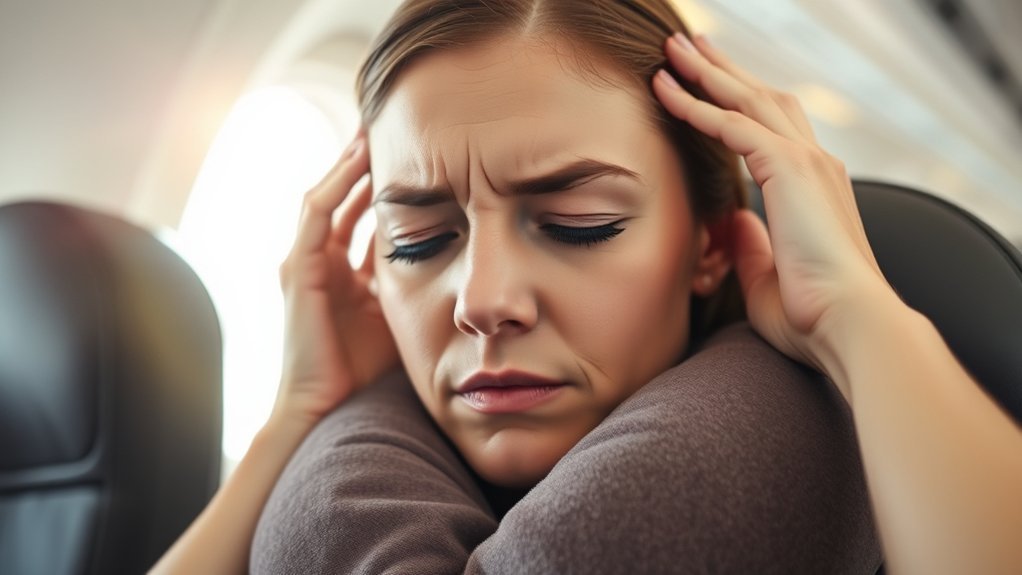
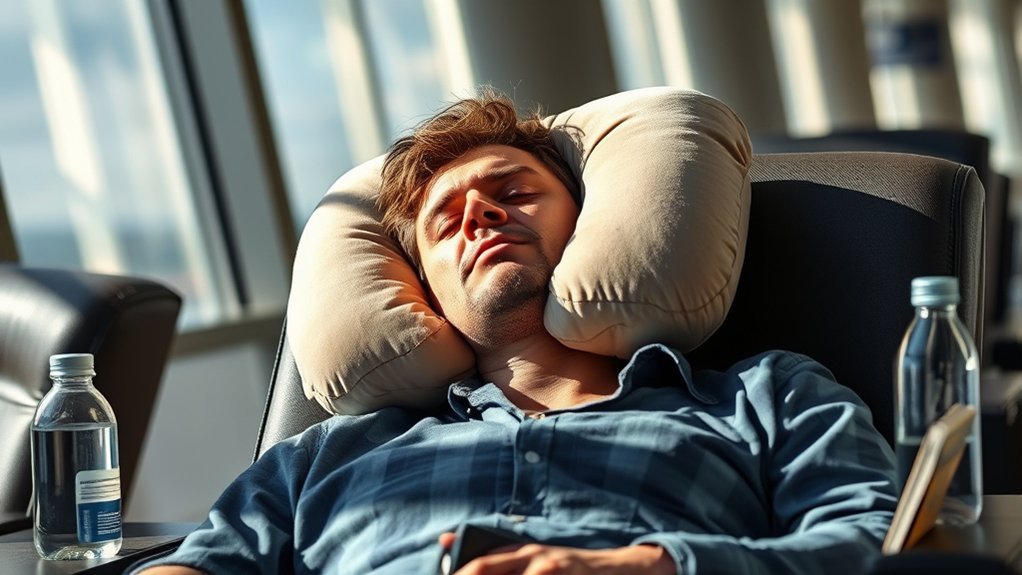
A travel pillow is most likely to contribute to discomfort when it changes your head position or creates steady pressure. Research on ordinary sleep pillows suggests that pillow design can affect waking neck pain and headache symptoms. A 2025 systematic review screened over 29,000 records but found only five qualifying studies, and concluded that firm conclusions about the best pillow parameters are still difficult to draw.
Your Head Is Pushed Forward
A thick pillow behind your neck can move your head away from the seatback and push your chin toward your chest. That position may feel fine for a few minutes but become tiring over a long trip. Try turning a U-shaped pillow so the opening is behind your neck, reducing the inflation level, or using the seat headrest instead.
Your Head Falls Sideways or Your Chin Drops
A pillow that is too low, too soft, or poorly placed may let your head tilt far to one side. Your chin may also drop when you fall asleep. Either position can leave the neck feeling stiff. The goal is not to hold your neck rigidly; it is to limit large, sustained bends while allowing you to relax.
Pressure, Heat, and Jaw Tension
A very tight pillow can press on the sides of your neck, jaw, ears, or the back of your head. Dense foam can also feel warm, while straps, hooded designs, or high collars may feel restrictive. Jaw clenching brought on by a pillow pressing against the chin or cheek can add to head and temple discomfort on its own. If discomfort begins where the pillow touches you, loosen it or remove it. Do not tighten a pillow enough to affect comfortable breathing or swallowing.
The Pillow May Not Be the Main Cause
Headache guidance from NINDS lists factors such as dehydration and stress among possible contributors. During travel, poor posture, missed meals, too little sleep, alcohol, caffeine changes, eyestrain, migraine, or an illness may also play a role. The CDC Yellow Book notes that aircraft cabin air is usually dry, and congestion can make pressure changes more uncomfortable. Notice whether the pain improves after removing the pillow, drinking water, eating, resting your eyes, or changing position.
Note: A headache that happens while using a travel pillow does not prove the pillow caused it. Treat the pillow as one possible factor and check for other triggers.
Tension-Type vs. Cervicogenic Headache: Why the Distinction Matters
Not every headache linked to poor neck support behaves the same way, and knowing the general pattern can help you describe symptoms to a clinician. Tension-type headache is the most common form and usually feels like a dull, band-like pressure affecting both sides of the head. A cervicogenic headache, by contrast, originates from a problem in the neck itself and often presents as one-sided pain that starts at the back of the head or neck and spreads forward, sometimes worsened by neck movement or sustained awkward positioning such as an unsupportive travel pillow. Because the two can overlap and are easy to confuse, a headache that keeps returning after long trips, or that consistently follows a stiff or restricted neck, is worth mentioning to a healthcare professional rather than self-diagnosing.
The Role of Neck and Spine Alignment in Travel Pillow Discomfort
Your travel pillow should help your head rest near a comfortable, neutral position. In practical terms, your ears should remain roughly over your shoulders rather than far in front of them, and your head should not be forced into a deep side bend. Exact alignment varies with your body, the seat, and your preferred resting position.
Importance of Pillow Height
The right height depends on where the pillow sits and which direction your head tends to move:
- For side support: Use enough height to reduce the gap between your head and shoulder or between your head and the seat wing. Too much height can push your head to the opposite side.
- For back support: Avoid a thick pad directly behind the neck if it pushes the head forward. A thinner rear section with more support at the sides often works better in an upright seat.
- For adjustable pillows: Add air or fill in small amounts. Stop when your head feels supported without pressure, chin tuck, or neck strain.
Effects of Firmness Levels
Firmness is personal. A pillow that is too firm may create pressure, while one that is too soft may collapse when you fall asleep. “Medium-firm” is a useful starting point for some travelers, not a medical rule. Choose the least pressure that still limits unwanted head movement.
Contoured Shapes Support Alignment
Contoured designs can help when their raised areas match your neck and seat. They can also fit poorly if the contour is too high, too narrow, or placed in the wrong direction. A well-fitted contoured pillow will:
- Support the direction your head actually falls: Side supports matter more if your head tilts sideways; front support matters more if your chin drops.
- Avoid forcing a fixed posture: You should be able to shift slightly without fighting the pillow.
- Work with the seat: A large rear cushion can be uncomfortable against a high headrest, while a compact wrap may work better.
How to Tell if Your Travel Pillow Is Causing the Headache
Use a simple comparison rather than assuming the pillow is responsible:
- Remove the pillow for 10–15 minutes. Sit with your back supported and your head against the headrest when possible.
- Relax your jaw and shoulders. Unclench your teeth, lower your shoulders, and avoid looking down at a phone.
- Check basic triggers. Drink water, eat if you skipped a meal, rest your eyes, and consider whether you are congested or sleep-deprived.
- Reapply the pillow differently. Reduce its height or inflation, rotate it, or place support only on the side where your head falls.
- Compare the result. If pain repeatedly starts with one position and eases after changing it, the pillow or posture may be contributing.
Pro Tip: Test a new travel pillow at home in a dining chair or recliner for 20–30 minutes. Return it if you cannot keep your head supported without pressure or a forward chin position.
Choosing the Right Travel Pillow Height and Firmness
Choose a travel pillow by fit, not by a universal label. Your shoulder width, neck length, seat shape, and sleeping direction all matter. Before buying, look for an adjustable design or a return policy that lets you test the pillow.
- If your head falls sideways: Look for taller side panels that fill the gap without pushing your head past center.
- If your chin drops: Consider gentle front or under-chin support that does not press on your throat.
- If the seat pushes your head forward: Avoid bulky foam at the back of the neck.
- If you run hot: Choose a washable, breathable cover and avoid wrapping the pillow too tightly.
- If you have neck pain or a diagnosed cervical condition: Ask a clinician or physical therapist about positioning that fits your condition.
Replace the pillow when it no longer supports you, will not stay inflated, has damaged seams, develops an odor that cleaning does not remove, or cannot be cleaned according to its care label. There is no evidence-based replacement schedule that applies to every travel pillow.
How Pillow Materials Can Trigger Headaches
Material can matter, but the original explanation needs nuance. Dust mites live in bedding and soft furnishings; they are not limited to feather fill. Natural rubber latex can cause allergic reactions in sensitized people, but headache alone is not a typical way to diagnose latex allergy. Heat, fragrance, cleaning residue, or a strong new-foam odor may also be uncomfortable without being a true allergy.
Common Allergenic Pillow Materials
- Natural rubber latex: Avoid it if you have a known latex allergy. Symptoms can include hives, swelling, sneezing, wheezing, breathing trouble, nausea, or dizziness.
- Dust-mite-contaminated fabric or fill: Any washable or nonwashable pillow can collect allergens over time. Use a washable cover and follow the care label.
- Fragrances and cleaning products: Scented sprays or detergent residue may bother travelers who are sensitive to odors. Rinse removable covers well and let the pillow air out fully before packing it.
A “hypoallergenic” label does not guarantee that a pillow will suit every person. Check the actual materials, choose a removable washable cover, and avoid any substance that has caused you a previous reaction.
Warning: Stop using the pillow and seek emergency help for trouble breathing, throat or facial swelling, widespread hives, faintness, or other signs of a severe allergic reaction.
Impact of Material Density
Density and firmness are related but not identical. Dense memory foam may hold its shape well, yet it can feel too firm or warm for some people. A low-density pillow may feel softer but collapse under the weight of the head.
Instead of choosing by density alone, test whether the pillow supports you without pressure and returns to shape after use.
Cleaning and Allergen Control
Follow the manufacturer’s care label because foam, inflatable bladders, and filled pillows require different cleaning methods. Wash removable covers regularly, dry them completely, and store the pillow in a clean, dry bag. People with confirmed dust-mite allergy may benefit from a tightly woven allergen-resistant cover as part of a broader allergy-control plan.
Hydration and Stress Management Tips for Travelers
Hydration and stress management cannot correct a poorly fitted pillow, but they can reduce other common headache triggers:
- Carry water: Drink regularly according to your needs, destination, activity level, and medical guidance. Do not force excessive amounts.
- Eat regular meals: Pack a snack if delays could cause you to skip food.
- Limit prolonged screen use: Raise your device closer to eye level and take visual breaks instead of bending your neck for long periods.
- Relax tense muscles: Drop your shoulders, unclench your jaw, and take slow breaths.
- Protect your sleep routine: Migraine-prone travelers may benefit from keeping sleep, meals, caffeine, and prescribed treatment as consistent as possible.
How to Use Travel Pillows for Maximum Comfort
- Sit fully back in the seat. Support your lower back so you are not sliding forward.
- Adjust the headrest first. Use its wings when available before adding a bulky pillow.
- Position the pillow for your movement pattern. Put support where your head falls rather than automatically placing the thickest section behind your neck.
- Adjust gradually. Reduce air, remove fill, loosen straps, or rotate the pillow until your chin and head feel natural.
- Keep the seat belt usable. The pillow should not cover, alter, or interfere with the required seat-belt position.
- Take movement breaks when allowed. Change position, gently move your shoulders, and walk during longer trips when it is safe to do so.
- Stop if symptoms build. A travel pillow is optional; remove it if it increases pain, numbness, dizziness, pressure, or breathing discomfort.
What to Do if a Headache Starts
Remove or loosen the pillow, sit in a supported position, rest your eyes, drink water, and eat if you have missed a meal. Use only headache medicine that is safe for you and follow the label or your clinician’s instructions. Travelers with migraine should follow their established treatment plan and keep prescribed medicine accessible rather than packed in checked luggage.
If headaches repeatedly occur during travel, keep a brief diary of the pillow position, seat, sleep, food, fluids, caffeine, symptoms, and what relieved the pain. Patterns can help you and a healthcare professional identify the likely trigger.
When to Seek Medical Care
Most headaches are not emergencies, but do not assume a serious or unusual headache comes from a pillow. The NHS headache guidance recommends urgent assessment for several neurological and infectious warning signs. Seek urgent medical help for a headache that:
- starts suddenly and is extremely painful;
- follows a significant head injury;
- comes with weakness, numbness, confusion, trouble speaking, trouble walking, seizure, fainting, or vision loss;
- comes with a high fever, stiff neck, or a rash that does not fade under pressure; or
- is new, worsening, persistent, or different from your usual headaches.
Regular headaches, changing migraine patterns, or pain that does not improve after removing the pillow should be discussed with a healthcare professional.
Frequently Asked Questions
Can I Use a Regular Pillow Instead of a Travel Pillow?
Yes. A small regular pillow, rolled sweatshirt, or folded blanket can work if it supports your head without pushing it forward, blocking another passenger’s space, or interfering with the seat belt. Large bed pillows are usually impractical in tight seats.
How Often Should I Replace My Travel Pillow?
There is no universal one-, two-, or three-year rule. Replace it when the foam no longer rebounds, the inflatable bladder leaks, fasteners fail, the cover cannot be cleaned, or the pillow no longer supports you comfortably. Follow the manufacturer’s care instructions.
Are Inflatable Travel Pillows Better for Neck Support?
Not necessarily. Their main advantage is adjustable air volume and compact packing. An inflatable pillow can still be too tall, too hard, or unstable. Inflate it only enough to support your head without forcing your chin down or creating pressure.
Can Travel Pillows Trigger Migraines in Sensitive Individuals?
A poorly fitted pillow may add neck discomfort, pressure, heat, or odor during a migraine-prone trip, but it is rarely possible to identify the pillow as the sole trigger. Sleep disruption, stress, dehydration, missed meals, light, noise, and caffeine changes may also contribute. Follow your migraine plan and discuss changing symptoms with a clinician.
What Are the Best Travel Pillow Brands for Comfort?
There is no independently proven best brand for every traveler. Trtl and Cabeau are popular examples with different support systems, but comfort depends on your neck length, shoulder width, seat, heat tolerance, and sleeping direction. Compare dimensions, adjustability, washable parts, materials, and the return policy before choosing.
How Can I Tell Whether the Pillow Is the Problem?
Remove it for 10–15 minutes, return your head to a supported neutral position, and check other triggers such as water, food, sleep, congestion, and screen posture. If the same pain repeatedly begins with one pillow position and eases when that position changes, the pillow may be contributing.
Conclusion
A travel pillow can contribute to headaches when it pushes, pulls, overheats, or poorly supports your head and neck, but it is only one possible factor. The most useful test is practical: remove or adjust the pillow, restore a comfortable position, and check other travel triggers. Choose a design that fits your body and seat rather than relying on a universal firmness, material, replacement schedule, or brand claim. Seek medical care when a headache is severe, unusual, or persistent.
Sources
- National Institute of Neurological Disorders and Stroke: Headache — headache types, triggers, management, and warning signs.
- PubMed: Effect of Pillow on Pain, Disability and Sleep Quality in Patients With Chronic Neck Pain — 2025 systematic review and limits of the current pillow evidence.
- CDC Yellow Book: Air Travel — dry cabin air and sinus-pressure considerations.
- American Academy of Allergy, Asthma & Immunology: Indoor Allergens — dust mites, bedding, and allergen-control guidance.
- American Academy of Allergy, Asthma & Immunology: Latex Allergy — latex reaction symptoms and emergency precautions.
- NHS: Headaches — common causes, self-care, and urgent red-flag symptoms.
- National Headache Foundation: Cervicogenic Headache — distinguishing neck-originating headache from tension-type headache.
