

Last Updated on September 11, 2026 by Daniel Globe
London transport prices depend on the payment method you use, the zones you cross, and whether you travel during peak hours. As of July 24, 2026, adults pay no more than £8.90 a day for eligible pay-as-you-go travel in Zones 1-2. Contactless and Oyster usually charge the same adult fares, while Travelcards, child discounts, and group tickets suit specific types of trips.
Quick Answer
For most adult visitors, contactless or Oyster pay as you go offers the best value. The Zone 1-2 daily cap is £8.90, compared with £16.60 for the cheapest adult Day Travelcard. A Group Day Travelcard can be useful for 10 or more people who remain together.
Key Takeaways
- The 2026 adult daily cap is £8.90 for Zones 1-2 and £16.30 for Zones 1-6.
- Contactless and Oyster generally use the same adult pay-as-you-go fares and caps.
- A Visitor Oyster card includes a £10.50 non-refundable card fee, plus prepaid travel credit.
- The current bus and tram fare is £1.75, with a £5.25 daily cap, until November 1, 2026.
- Children aged 11-15 can receive 50% off adult pay-as-you-go fares when a Young Visitor Discount is added to an Oyster card.
Disclosure: As an Amazon Associate I earn from qualifying purchases. Some links on this page are affiliate links, at no extra cost to you.
London Transport Ticket Prices Explained
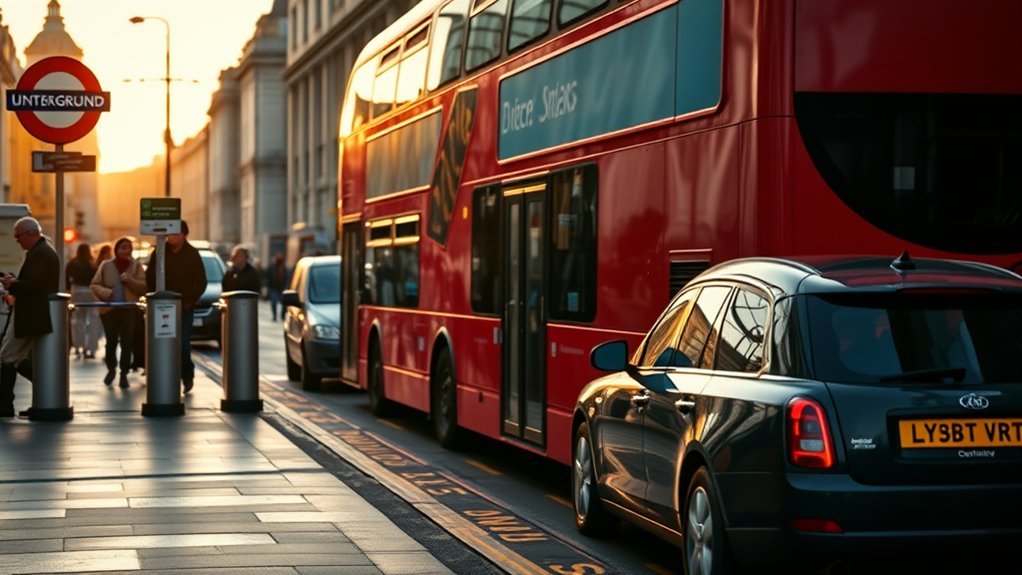
London uses a zonal fare system for the Tube, DLR, London Overground, Elizabeth line, and many National Rail journeys. Your fare can depend on the zones your route passes through, the service used, and the time you touch in.
The following adult prices apply as of July 24, 2026. Individual rail journeys can vary, so use the official TfL Single Fare Finder when you need the exact cost between two stations.
| Journey or ticket | 2026 adult price |
|---|---|
| One Tube or rail zone including Zone 1 | £3.10 peak or £3.00 off-peak |
| Two zones including Zone 1 | £3.60 peak or £3.10 off-peak |
| Six zones including Zone 1 | £5.90 peak or £4.00 off-peak |
| Bus or tram pay as you go | £1.75 |
| One-Day Bus & Tram Pass | £6.00 |
| Anytime Day Travelcard, Zones 1-4 | £16.60 |
| Off-Peak Day Travelcard, Zones 1-6 | £16.60 |
| Anytime Day Travelcard, Zones 1-6 | £23.60 |
Most Tube and rail peak fares apply from 6:30 AM to 9:29 AM and from 4:00 PM to 6:59 PM, Monday through Friday. Off-peak fares generally apply at other times, including weekends and public holidays, although route-specific exceptions can apply.
Fare update: Tube and TfL rail single fares increased on March 1, 2026, but daily caps and Travelcard prices were frozen. Current bus and tram fares remain frozen until November 1, 2026.
Compare Contactless, Oyster, Travelcards, and Group Passes
Contactless, Oyster, and Travelcards all let you use London’s public transport network, but their fees, discounts, and capping rules differ.
| Option | Main cost | Best for | Important limitation |
|---|---|---|---|
| Contactless card or device | No TfL card fee; pay-as-you-go fares and caps apply | Most adults with an accepted card | Foreign transaction fees may apply, and child discounts cannot be loaded |
| Standard Oyster card | £7 card cost, plus travel credit | Visitors buying a card after reaching London | Requires topping up before the balance runs out |
| Visitor Oyster card | £10.50 non-refundable fee, plus prepaid credit | Visitors who want a card delivered before arrival or need a Young Visitor Discount | A Travelcard or Railcard discount cannot be added to it |
| Day Travelcard | From £16.60 for an adult | Travelers who want a dated paper ticket or need a qualifying child ticket | Usually costs more than the Zone 1-2 adult pay-as-you-go cap |
| Group Day Travelcard | Official Visitor Shop prices start from £11 per person | Groups of at least 10 fare-paying passengers | The group must travel together, and the ticket is off-peak |
For a standard adult, Oyster and contactless generally charge the same pay-as-you-go fare and apply the same daily and weekly caps. Contactless can still cost more overall when your bank charges foreign transaction or currency-conversion fees.
A Visitor Oyster card can be worthwhile when you want the card before arriving, your bank card may not work reliably in the United Kingdom, or a traveler aged 11-15 needs the Young Visitor Discount. Check the current card terms on the official TfL Visitor Oyster Card page.
Warning: Each traveler needs a separate contactless card, device, Oyster card, or ticket. You cannot tap one payment card repeatedly to pay for several adults.
How London Zones Affect Ticket Prices
London’s rail network uses nine main fare zones. Central London and many major attractions are in Zones 1 and 2, while Heathrow Airport is in Zone 6. Your fare is normally based on the zones and services used, not simply the straight-line distance between two stations.
Adult Daily Caps in 2026
Daily capping limits eligible pay-as-you-go spending during a TfL travel day, which runs from 4:30 AM until 4:29 AM the following day.
| Zones used | Adult all-day cap | Seven-day Travelcard or weekly cap |
|---|---|---|
| Zones 1-2 | £8.90 | £44.70 |
| Zones 1-3 | £10.50 | £52.50 |
| Zones 1-4 | £12.80 | £64.20 |
| Zones 1-5 | £15.30 | £76.40 |
| Zones 1-6 | £16.30 | £81.60 |
Weekly pay-as-you-go capping runs from Monday through Sunday. It is not a rolling seven-day period. If your seven-day visit starts late in the week and continues beyond Sunday, a seven-day Travelcard may sometimes provide more predictable value than relying on weekly capping.
Pro Tip: Use the same physical card or the same mobile device for every journey. A bank card and a phone wallet linked to that card are treated as different payment methods, so their journeys will not combine toward one cap.
Airport and Premium-Service Exceptions
Airport journeys can cost more than normal central London travel. The Tube and Elizabeth line serve Heathrow, but express services may have separate fares. Pay-as-you-go journeys on Heathrow Express, Gatwick Express, the London Cable Car, and Thames Clippers River Bus do not count toward standard daily or Monday-to-Sunday caps.
Check the exact airport route before loading credit because Gatwick is outside London’s numbered fare zones and different National Rail fares can apply.
Which London Travel Pass Is Best for You?

The best option depends on your age, group size, bank fees, trip length, and whether you need to travel before 9:30 AM.
| Traveler | Usually the best starting option | Why |
|---|---|---|
| Adult visiting for one to five days | Contactless or Oyster pay as you go | You pay only for completed journeys, up to the applicable daily cap |
| Adult without a suitable contactless card | Standard Oyster or Visitor Oyster | Avoids relying on an unsupported bank card |
| Traveler aged 11-15 | Oyster with Young Visitor Discount | Provides 50% off adult pay-as-you-go fares for up to 14 days |
| Group of at least 10 | Group Day Travelcard | Can reduce per-person costs when everyone travels together off-peak |
| Heavy travel for seven consecutive days | Weekly capping or a seven-day Travelcard | The right choice depends on whether the trip fits within one Monday-to-Sunday capping week |
For most solo adults staying in central London, a Day Travelcard is not the cheapest option. The minimum adult Day Travelcard costs £16.60, while eligible Zones 1-2 pay-as-you-go spending caps at £8.90.
A Group Day London Travelcard can be useful for schools, tour groups, and large families. At least 10 fare-paying passengers must have tickets for the same date, and the group must remain together while traveling.
London Transport Prices for Children
Child fares depend on age, service, residency, and the ticket or photocard used.
- Children under 5: Travel free with a fare-paying adult on TfL services.
- Children aged 5-10: Travel free on buses and trams without a photocard. They can also travel free on the Tube, DLR, London Overground, Elizabeth line, and some National Rail services when accompanied by a fare-paying adult. Up to four children can accompany one adult under the applicable TfL rule.
- Children aged 11-15: Visitors can ask station staff to add a Young Visitor Discount to an Oyster or Visitor Oyster card. It gives 50% off adult pay-as-you-go fares for up to 14 days.
- Children using Group Day Travelcards: Child-rate group tickets are available for eligible travelers aged 5-15, but the group must contain at least 10 fare-paying passengers and remain together.
Note: Free child travel is not identical across every National Rail service. Check the operator’s rules when your journey goes beyond the core TfL network.
Ways to Save on London Transport
- Use pay as you go for central London: Adult Zones 1-2 travel caps at £8.90 a day.
- Travel off-peak: Many Tube and rail single fares are lower outside weekday rush hours.
- Use the Hopper fare: The £1.75 bus and tram fare covers unlimited bus and tram journeys started within one hour of your first touch-in.
- Use one payment method: Switching between a card, phone, and watch prevents the fares from combining toward one cap.
- Avoid card clash: Remove the payment card you intend to use from your wallet before touching the reader.
- Touch correctly: Touch in and out on Tube and rail services. Touch in only when boarding buses and trams.
- Use pink readers: When your route avoids Zone 1, touching a pink reader at the interchange can help TfL charge the correct route.
- Check bank fees: A foreign bank’s transaction or exchange fee can make contactless more expensive than Oyster overall.
- Apply child discounts: Ask staff to load the Young Visitor Discount for eligible travelers aged 11-15.
- Compare weekly dates: Weekly capping resets on Monday, so a seven-day Travelcard may help when a trip crosses two capping weeks.
Warning: Missing a touch-in or touch-out can produce an incomplete journey and a maximum fare. Continue touching correctly even after you believe you have reached a daily or weekly cap.
For a typical adult visitor staying in Zones 1-2, the most you will pay for eligible capped travel in one day is £8.90, provided you use the same Oyster card, contactless card, or device correctly.
Frequently Asked Questions
Is It Cheaper to Pay by Card or Oyster?
Contactless and Oyster generally charge the same adult pay-as-you-go fares and use the same daily and weekly caps. Contactless has no TfL card fee, but an overseas bank may add transaction or currency-conversion charges. Oyster is useful when you need a child discount, do not have a supported contactless card, or want to control spending with prepaid credit.
What Is the 1 Hour Bus Rule in London?
TfL’s Hopper fare lets you make unlimited bus and tram journeys within one hour of your first paid touch-in for one fare. You must use the same contactless card, mobile device, or Oyster card for every touch-in.
What Is the Cheapest Way to Pay for Transport in London?
For most adults, contactless or Oyster pay as you go is the cheapest and simplest option. Both apply daily capping, including an £8.90 cap for eligible Zones 1-2 travel. The best choice can change when you have foreign bank fees, qualify for a discount, or travel in a group of at least 10.
Is £250 Enough for 3 Days in London?
£250 can cover local transport, modest meals, and some low-cost activities for one person if accommodation is already paid for. Three days of eligible Zones 1-2 pay-as-you-go travel would cost no more than £26.70 at the current adult daily cap. Hotels, airport transfers, premium attractions, and nightlife could raise the total considerably.
Can Two People Use the Same Oyster or Contactless Card?
No. Each passenger must use a separate Oyster card, contactless card, device, or valid ticket. One adult cannot tap the same card several times to pay for several adults traveling together.
Does London Have a Weekly Transport Cap?
Yes. Adult pay-as-you-go travel can receive weekly capping when the same contactless card, device, or Oyster card is used. The capping week runs from Monday through Sunday and resets on Monday morning.
Conclusion
For most adult visitors, contactless or Oyster pay as you go is the easiest and lowest-cost way to use London transport. Both methods offer daily and weekly capping, and the current Zone 1-2 daily cap is £8.90. A Visitor Oyster card is more useful when you need it before arrival, want prepaid credit, or need a Young Visitor Discount.
Choose a Group Day Travelcard only when at least 10 fare-paying passengers can travel together, and compare a seven-day Travelcard with weekly capping when your stay crosses a Sunday. Always use the same card or device, touch correctly, and verify airport or premium-service fares separately.
Sources
- Mayor of London: March 2026 TfL Fare Changes — Tube fares, daily caps, Travelcard prices, weekly prices, and bus fares.
- Mayor of London: July 2026 Fare Changes — extended bus fare freeze and scheduled November 2026 increases.
- Transport for London: Best Ways for Visitors to Pay — contactless, Oyster, Travelcards, and child travel.
- TfL Visitor Shop: Visitor Oyster Card — card fee, prepaid credit, eligible services, and card restrictions.
- TfL Visitor Shop: Group Day London Travelcard — group size, zones, validity, and togetherness rules.
- Transport for London: How to Pay the Right Fare — touching rules, card clash, incomplete journeys, and maximum fares.
