
Last Updated on July 24, 2026 by Daniel Globe
Italy’s islands range from vast regions packed with cities and archaeological sites to tiny volcanic outposts and protected marine parks. This guide narrows the choice to 10 standout island destinations, each selected for a different mix of beaches, scenery, culture, food, outdoor activities, and ease of planning.
Quick Answer
The 10 most beautiful Italian island destinations are Sicily, Sardinia with La Maddalena, Capri, Ischia, the Aeolian Islands, the Egadi Islands, the Pelagie Islands, Ustica, Giglio, and Ponza. Choose Sicily for history, Sardinia for beaches, Capri for glamour, Ischia for wellness, and the smaller archipelagos for nature and quieter coastal escapes.
Key Takeaways
- For the broadest mix of beaches, food, history, and road trips, start with Sicily or Sardinia.
- Capri suits a polished short break, while Ischia offers more space, thermal parks, gardens, and longer stays.
- The Aeolian, Egadi, Pelagie, and La Maddalena archipelagos reward travelers who plan ferries, permits, and weather-dependent activities in advance.
- Late May, June, and September usually provide the best balance of warm weather and lighter crowds.
- Volcano trails, protected beaches, and marine parks can have changing access rules, so check official notices before setting out.
Disclosure: As an Amazon Associate I earn from qualifying purchases. Some links on this page are affiliate links, at no extra cost to you.
Why Visit the Most Beautiful Italian Islands
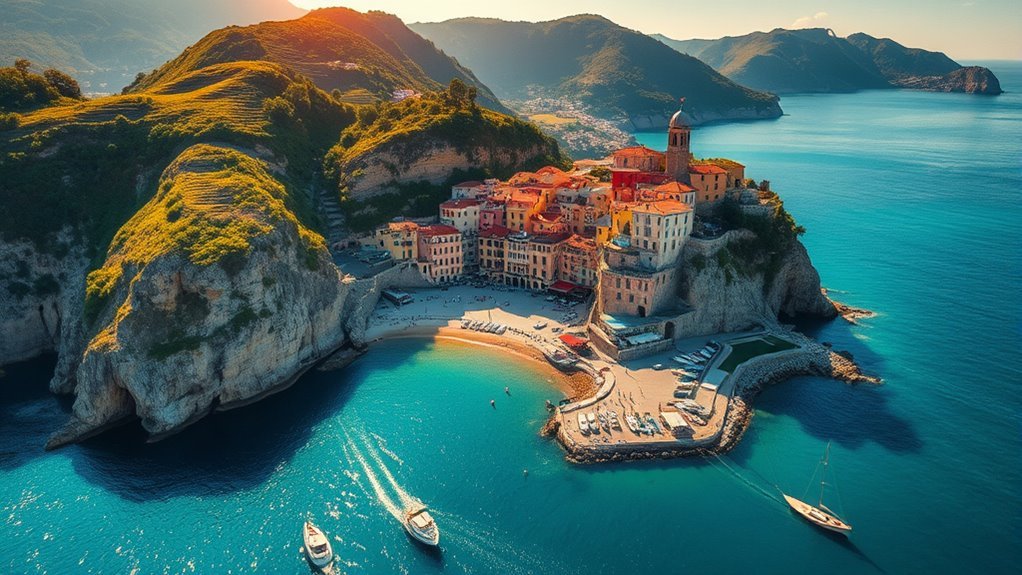
Italy’s islands give you far more than attractive coastlines. Sicily combines Greek temples, baroque towns, active Mount Etna, street food, and long beaches. Sardinia adds granite coves, mountain landscapes, nuragic heritage, and the protected waters of La Maddalena. Around Naples, Capri brings dramatic cliffs and Roman history, while Ischia pairs beaches with thermal parks and gardens.
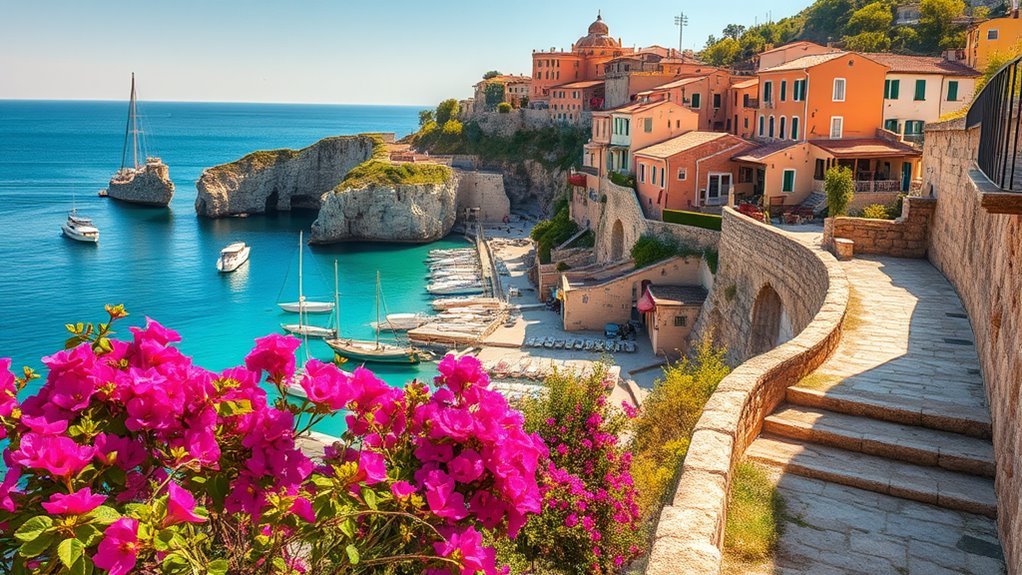
The smaller islands feel more focused. The UNESCO-listed Aeolian Islands are shaped by ongoing volcanic processes. The Egadi Islands offer cycling, snorkeling, fishing traditions, and marine protection. Lampedusa and Linosa in the Pelagie group feel remote and wildlife-rich, while Ustica is known for diving. Giglio and Ponza round out the list with Tuscan trails, sea caves, clear coves, and compact harbor towns.
You can also find cultural surprises away from the best-known names. On San Pietro, off Sardinia, Carloforte preserves Tabarchino traditions shaped by Ligurian families who had lived in Tunisia before settling there in 1738. It is a strong side trip for travelers who value food history and small-town character.
Which Italian Island Is Best for You?
| Island destination | Best for | Ideal stay | Main planning point |
|---|---|---|---|
| Sicily | History, food, cities, beaches | 7 to 14 days | Choose one region rather than rushing the whole island |
| Sardinia and La Maddalena | Beaches, sailing, road trips | 7 to 12 days | A car helps on Sardinia; boats need park permits |
| Capri | Views, luxury, Roman sites | 2 to 3 nights | Stay overnight to enjoy quieter mornings and evenings |
| Ischia | Wellness, gardens, beaches | 3 to 5 nights | Pick a base near the sights or thermal park you value most |
| Aeolian Islands | Volcanoes, hiking, island-hopping | 4 to 7 nights | Volcano access and ferries depend on official rules and conditions |
| Egadi Islands | Cycling, snorkeling, quiet bays | 3 to 5 nights | Base on Favignana and add Levanzo or Marettimo |
| Pelagie Islands | Remote beaches, wildlife, diving | 4 to 7 nights | Reserve protected-beach access and allow for distance |
| Ustica | Diving, snorkeling, volcanic coast | 2 to 4 nights | Book marine activities through authorized local operators |
| Giglio | Hiking, coves, village charm | 2 to 4 nights | Use boats or trails to reach quieter coastlines |
| Ponza | Boat days, coves, colorful harbor life | 3 to 4 nights | Some famous beaches are closed or accessible only from the sea |
1. Sicily: Best for History, Food, and Variety
Sicily is the best all-round choice when you want an island trip with more than beaches. Palermo, Catania, Syracuse, Taormina, and the baroque southeast each offer a different city experience. Between them, you can visit Greek and Roman sites, lively food markets, fishing towns, vineyards, and long stretches of coast.
Iconic Islands Around Sicily
Sicily also works as a gateway to several smaller archipelagos. The Aeolian Islands sit off the north coast, the Egadi Islands lie west of Trapani, and the Pelagie Islands are far to the south. Ustica is north-west of Palermo. That range lets you combine a city-and-history trip with a few quieter island days.
- Aeolian Islands: choose them for volcanic scenery, black-sand coastlines, hiking, and multi-island ferry routes.
- Egadi Islands: choose them for Favignana’s coves, easy cycling, snorkeling, and fishing heritage.
- Pelagie Islands: choose them for Lampedusa’s protected beaches, Linosa’s dark volcanic landscape, and remote Mediterranean scenery.
Ustica adds another distinct option, especially for divers and snorkelers who want a compact island with a protected marine environment.
Coastal Beauty and Culture
Along Sicily’s coast, scenery and history are closely linked. Palermo mixes Arab-Norman landmarks with markets and street food. Catania sits beneath Mount Etna and is known for dark lava stone architecture. Taormina pairs an ancient theater with high sea views, while Syracuse and Ortigia bring Greek remains, baroque streets, and waterfront walks.
In Agrigento, the Valley of the Temples is one of the island’s defining archaeological sites. Sicily’s food also reflects centuries of exchange. Arancini, cannoli, couscous in the west, seafood, citrus, pistachios, and regional pasta dishes make food a central part of the trip rather than a side attraction.
Best Activities and Views
- Walk Ortigia’s lanes and visit Syracuse’s archaeological area.
- Explore Palermo’s historic center and food markets.
- See the Valley of the Temples near sunset when the light is softer.
- Visit Mount Etna only with current access information and suitable clothing.
- Add an island stay rather than squeezing the Aeolian or Egadi Islands into a rushed day trip.
Pro Tip: Sicily is large. For a one-week trip, focus on either the east, the west, or the south-east instead of trying to see the entire island.
2. Sardinia and La Maddalena: Best for Beaches and Sailing
Sardinia combines pale-sand beaches, granite headlands, rugged mountain country, archaeological sites, and villages with strong local traditions. The north-east is famous for polished resorts and emerald water, but the island also rewards travelers who explore the quieter west coast, the mountainous interior, or the long beaches of the south.
Food is part of the experience. Look for culurgiones, pane carasau, fregola, local cheeses, roast dishes, and fresh seafood. On San Pietro, Carloforte adds a distinctive Tabarchino culture with Ligurian roots and historical links to Tunisia.
La Maddalena Beaches and Sailing
Off Sardinia’s north-east coast, the La Maddalena Archipelago National Park protects more than 60 islands and islets, granite shores, clear channels, and sensitive marine habitats. La Maddalena town is the practical base, while Caprera offers beaches, nature trails, and sites connected with Giuseppe Garibaldi.
Sailing and boat tours are among the best ways to see the archipelago, but this is a protected park rather than unrestricted open water. Private boats need the appropriate park permit to sail, moor, or anchor within regulated coastal areas. Pink Beach on Budelli is under strict protection, and swimming, anchoring, mooring, and beach access are prohibited in the protected zone.
- Use Palau or La Maddalena town as your main departure point.
- Choose a licensed excursion if you do not want to handle permits and navigation rules yourself.
- Respect buoyed zones, anchoring restrictions, and Posidonia seagrass protection.
- Leave time for Caprera’s trails rather than spending every day on a boat.
3. Capri: Best for Dramatic Views and a Polished Escape
Capri blends steep limestone cliffs, villas, gardens, designer shops, and deep Roman history. The Gardens of Augustus provide broad views toward the Faraglioni sea stacks, while Anacapri offers a slower atmosphere and access to Monte Solaro. Villa San Michele adds art, architecture, and gardens, and the chairlift gives you one of the island’s widest panoramas.
The Blue Grotto is Capri’s most famous sea cave, but entry depends on safe sea conditions and can involve a long wait. Treat it as an optional activity rather than the single reason for your visit. A boat trip around the island can still reveal arches, caves, and cliff formations when the grotto is unavailable.
Capri also has a serious historical side. Villa Jovis was one of Emperor Tiberius’s island residences and remains one of the most important archaeological walks on Capri. The route is uphill, so allow time, carry water, and avoid the hottest part of a summer day.
Capri is crowded during daytime ferry hours. Staying for two or three nights lets you see the Piazzetta, Anacapri, and quieter lanes before day visitors arrive or after they leave.
4. Ischia: Best for Thermal Parks, Gardens, and a Longer Stay
Ischia is larger and more varied than Capri. It offers beaches, coastal towns, mountain paths, vineyards, the Aragonese Castle, and a long thermal tradition. Italy’s official tourism site lists 103 thermal springs, along with numerous fumaroles and bathing establishments.
Thermal Waters
Ischia’s thermal parks use naturally heated mineral water in pools of different temperatures. Poseidon Gardens and Negombo are among the best-known options, but facilities, age rules, health guidance, and pool access vary. Follow the operator’s instructions, limit time in very hot water, stay hydrated, and ask a medical professional before using thermal facilities if you are pregnant or have a heart, blood-pressure, respiratory, or other relevant condition.
- Choose a thermal park for a full day rather than rushing between several spas.
- Bring suitable footwear because pool areas and natural surfaces can be slippery.
- Do not treat thermal bathing as a proven cure for arthritis, breathing problems, or skin disease.
Lush Gardens
Ischia’s mild climate supports Mediterranean and subtropical planting. La Mortella, created by Susana Walton, is the island’s leading garden visit and combines terraces, water features, rare plants, and views over Forio. The Aragonese Castle adds historic terraces and sea panoramas, while island trails bring you through vineyards, woodland, and volcanic landscapes.
| Place or experience | Highlight |
|---|---|
| La Mortella | Layered botanical design and subtropical planting |
| Aragonese Castle terraces | Historic setting and broad coastal views |
| Guided garden tours | More context on design, plants, and island history |
| Botanical experiences | A calm alternative to beach-focused days |
| Island trails | Vineyards, volcanic terrain, and open-air views |
Wellness Retreats
Ischia works best when you build a slow rhythm into the trip. Alternate a thermal day with a garden visit, a beach, a village walk, or a short hike. This approach gives you more variety and avoids turning the island into a checklist of spas.
- Visit a thermal park in the morning or on a cooler day.
- Walk La Mortella’s shaded paths at an unhurried pace.
- Spend an evening in Ischia Ponte with views of the Aragonese Castle.
5. The Aeolian Islands: Best for Volcanoes and Island-Hopping
The Aeolian archipelago has seven main islands: Lipari, Salina, Vulcano, Stromboli, Panarea, Filicudi, and Alicudi. UNESCO recognizes the group for its exceptional record of volcanic island-building, destruction, and ongoing geological processes.
The Aeolian Islands are seven distinct destinations, not one single experience: Lipari is the main hub, Salina is green and food-focused, Stromboli is volcanic, and Alicudi and Filicudi feel far more remote.
Active Volcano Spectacles
Stromboli and Vulcano are the archipelago’s best-known volcanic islands, but they should not be treated like ordinary sightseeing attractions. Activity, gas levels, trail access, boat zones, and viewing rules can change. On Vulcano, crater walks should follow current municipal and Civil Protection guidance. Historic mud pools or geothermal areas may also have access limits, so do not assume old guidebook descriptions are current.
- Lipari: best for ferry connections, museums, restaurants, and a practical first base.
- Salina: best for green landscapes, capers, Malvasia wine, and a slower stay.
- Stromboli: best for controlled volcano viewing and black-sand scenery.
- Vulcano: best for stark volcanic terrain and crater views when access is permitted.
- Panarea: best for stylish stays, bright coves, and short coastal walks.
- Filicudi and Alicudi: best for quiet trails and a remote atmosphere.
Stromboli Night Eruptions
Stromboli is famous for frequent explosive activity, but there is no reliable promise that eruptions will occur at a fixed 15-to-30-minute interval during your visit. The strength and frequency of activity vary, and rare larger explosions can occur with limited warning.
Warning: Stromboli is an active volcano. As of July 2026, Italy’s Civil Protection Department lists a yellow alert level, and official guidance states that trail and sea access are controlled by local orders. Check the current alert page and the Municipality of Lipari’s ordinances before hiking or booking a volcano excursion. Do not enter closed high-altitude zones.
Safer options may include authorized guided walks to permitted viewpoints or licensed boat excursions that observe exclusion zones. Listen for local sirens, learn your accommodation’s evacuation route, and follow crew or guide instructions without delay.
Island Summit Panoramas
The best Aeolian views are not limited to active crater areas. Salina’s Monte Fossa delle Felci has green ridges and wide views across the chain. Filicudi and Alicudi offer quieter paths, while Panarea combines low volcanic forms with bright water. On every island, summer heat, loose ground, limited shade, and changing weather can make hiking harder than the distance suggests.
6. The Egadi Islands: Best for Clear Bays and Easygoing Days
West of Trapani, the Egadi Islands include Favignana, Levanzo, and Marettimo. Their clear water and pale coves often draw Caribbean comparisons, but their character is distinctly Sicilian, shaped by tuna fishing, limestone quarries, small harbors, and protected marine habitats.
Favignana is the easiest base. Its flatter roads make cycling practical, and Cala Rossa, Cala Azzurra, Lido Burrone, and other coastal stops provide a mix of rocky platforms and sandy areas. The former Florio tuna-processing complex adds history and helps explain the fishing traditions that still shape local food.
Levanzo is smaller and quieter. The Grotta del Genovese is known for prehistoric art, but visits require advance arrangements. Marettimo is the wildest of the three, with steeper terrain, sea caves, and longer hiking options.
- Stay on Favignana for the widest choice of food and transport.
- Add Levanzo for a calm day or overnight stay.
- Choose Marettimo when hiking and a remote atmosphere matter more than convenience.
- Use authorized operators for diving, fishing tourism, and protected-zone boat trips.
7. The Pelagie Islands: Best for Remote Beaches and Wildlife
The Pelagie group consists of Lampedusa, Linosa, and the small uninhabited islet of Lampione. Lampedusa is the main base and Italy’s southernmost island destination. It is known for pale coves, clear water, fishing culture, and the protected area around Rabbit Beach.
Rabbit Beach access is limited in summer, and advance booking may be required. The protected setting is important for loggerhead sea turtles and other wildlife, so visitors should stay within marked areas, follow time slots, and remove all waste.
Linosa offers a different landscape with dark volcanic rock, colorful houses, and fewer visitors. Divers and travelers seeking a remote atmosphere may prefer it, but transport and services are more limited than on Lampedusa. Build flexibility into your itinerary because sea conditions can affect connections.
8. Ustica: Best for Diving and Snorkeling
Ustica lies north-west of Palermo and is one of Italy’s strongest island choices for underwater activities. Its volcanic coast includes dark rock, natural pools, caves, and clear water. The Ustica Marine Protected Area was established in 1986 and supports protected habitats, marine life, and underwater archaeological routes.
Experienced divers can explore deeper sites through authorized centers, while snorkelers can enjoy shallower rocky areas and selected archaeological routes. On land, the island offers murals, small archaeological sites, coastal walks, and the Guardia dei Turchi hill.
Note: Marine protected areas use zones with different rules. Confirm where swimming, snorkeling, diving, fishing, anchoring, or boat access is allowed before entering the water.
9. Giglio Island: Best for Tuscan Trails and Coastal Charm
Giglio is a compact island in the Tuscan Archipelago with clear water, granite slopes, fishing-village character, and a good mix of walking and swimming. Giglio Porto is the arrival point, Giglio Castello brings medieval lanes and hilltop views, and Giglio Campese has the island’s broadest beach setting.
Walkers can follow the route toward the Capel Rosso lighthouse or use coastal paths between Cannelle and Caldane. Arenella is a useful snorkeling stop, while boat trips open access to quieter coves such as Cala dell’Allume and Cala del Corvo.
- Walk scenic paths to high coastal viewpoints.
- Stay in Giglio Castello for atmosphere or near the port for convenience.
- Use a small boat excursion to see coves that are awkward to reach on foot.
- Carry water and sun protection because many trails have limited shade.
Giglio feels calmer than Italy’s most famous resort islands, yet it still has enough beaches, villages, and trails for several full days.
10. Ponza: Best for Boat Days and Hidden Coves
Ponza’s curved coastline is filled with pale cliffs, arches, sea stacks, caves, and coves. Cala Feola is known for its sheltered setting and nearby natural pools, while Cala dell’Acqua and other inlets are often best appreciated from the sea. A boat tour is one of the most useful activities because it reveals sections of coast that roads and footpaths cannot reach.
Chiaia di Luna is visually striking, but the beach and its Roman access tunnel are closed because of landslide risk. The official Italian tourism site states that you should admire Chiaia di Luna only from the sea at a safe distance. Do not plan to swim ashore or walk beneath the cliffs.
Ponza town adds colorful harbor buildings, restaurants, and evening energy. For a quieter day, walk selected inland routes or take a licensed boat to less exposed coves. Always follow the skipper’s advice when wind or swell makes a landing unsafe.
Why La Maddalena Is Great for Sailing
La Maddalena deserves extra attention because the archipelago turns sailing into the main way of experiencing the landscape. Short distances between granite islands create a varied route of channels, coves, beaches, and open-water views. You can sail from Palau or La Maddalena, pause near Spargi, and combine a boat day with Caprera’s trails.
The water may look calm, but wind and marine rules still matter. The park’s 2026 maritime regulations control navigation, mooring, anchoring, and seasonal activity. Use a licensed skipper if you lack local experience, and never anchor on protected seagrass or enter a closed zone.
- Glide through turquoise channels without treating every beach as open for landing.
- Use established moorings where required.
- Keep a respectful distance from protected shores and wildlife.
- Check the forecast and park notices before departure.
How to Plan an Italian Island Trip
Best Time to Visit
For most travelers, late May, June, and September offer the best balance of warm weather, working seasonal services, and lighter crowds than July and August. Peak summer brings the greatest choice of ferries and boat tours, but also hotter temperatures, higher demand, and fuller beaches.
April and October can work well for Sicily, Sardinia, Capri, Ischia, and hiking-focused trips, but smaller islands may have reduced transport and fewer open seasonal businesses. Winter suits cultural travel on Sicily and Sardinia better than beach-focused island-hopping.
Getting There and Moving Around
Sicily, Sardinia, and Lampedusa have airports, while most smaller islands rely on ferries or hydrofoils from regional ports. Routes, departure points, and frequencies change by season. Sea conditions can delay or cancel services, so avoid placing a time-sensitive international flight immediately after a small-island ferry connection.
A car is useful for many parts of Sicily and Sardinia. Capri, Favignana, Ustica, and several smaller islands are easier to explore by foot, local bus, bicycle, scooter, taxi, or boat. Check vehicle restrictions before taking a car onto a small island during summer.
How Long to Stay
- Sicily or Sardinia: at least one week, with 10 to 14 days for a broader road trip.
- Capri, Ustica, Giglio, or Ponza: two to four nights.
- Ischia: three to five nights.
- Aeolian, Egadi, or Pelagie Islands: four to seven nights if visiting more than one island.
Easy Island Combinations
- Naples plus Capri and Ischia: a practical mix of city history, views, beaches, and wellness.
- Western Sicily plus the Egadi Islands: combine Palermo, Trapani, or Marsala with Favignana.
- North-eastern Sicily plus the Aeolian Islands: pair Taormina or Milazzo with Lipari, Salina, or Stromboli.
- Northern Sardinia plus La Maddalena: combine a road trip with two or three boat days.
- Rome or the Lazio coast plus Ponza: allow enough buffer for weather-dependent sea transport.
Frequently Asked Questions
What are the 10 most beautiful islands in Italy?
A balanced top 10 is Sicily, Sardinia with La Maddalena, Capri, Ischia, the Aeolian Islands, the Egadi Islands, the Pelagie Islands, Ustica, Giglio, and Ponza. The list is subjective, and Elba, Procida, Pantelleria, and the Tremiti Islands are also excellent alternatives.
Which Italian island is best for a first visit?
Choose Sicily for the widest mix of cities, ruins, food, beaches, and landscapes. Choose Sardinia when beaches and outdoor scenery matter more than major historic cities. For a shorter trip from Naples, Capri or Ischia is easier to fit into a broader Italy itinerary.
Is Capri or Ischia better for a vacation?
Capri is better for dramatic views, polished hotels, boutiques, and a two- or three-night escape. Ischia is better for a longer, slower stay with thermal parks, gardens, beaches, villages, and more room to explore.
Which Italian islands have the clearest water?
Sardinia and La Maddalena, the Egadi Islands, Lampedusa, Ustica, Giglio, and Ponza are all known for clear water. Conditions still depend on wind, currents, weather, and the type of seabed, so no island has perfect visibility every day.
Can you safely visit Stromboli?
You can visit Stromboli only by respecting current Civil Protection guidance, municipal trail limits, harbor rules, and licensed-guide instructions. The volcano remains active, and dangerous explosions or tsunamis can occur with little warning. Never enter a closed trail or restricted sea zone.
What are five Italian archipelagos?
Five well-known Italian archipelagos are the Aeolian Islands, the Tuscan Archipelago, the Egadi Islands, the Pelagie Islands, and the Pontine Islands. La Maddalena and the Tremiti Islands are two more important island groups.
Conclusion
Italy’s islands suit very different trips. Sicily gives you the deepest mix of culture, food, archaeology, and landscapes. Sardinia and La Maddalena lead for beaches and sailing. Capri offers polished views and Roman history, while Ischia invites a slower stay built around thermal parks and gardens. The Aeolian, Egadi, Pelagie, Ustica, Giglio, and Ponza reward careful planning with volcanic scenery, protected water, quiet trails, and memorable coastal days.
The best choice is not simply the island with the bluest water. It is the one that fits your time, transport, activity level, and tolerance for crowds. Choose one region well, leave room for weather changes, and respect the rules that protect these fragile shores.
Sources
- UNESCO World Heritage Centre: Aeolian Islands: volcanic significance, seven-island archipelago context, and World Heritage status.
- Italian Civil Protection Department: Stromboli: current alert level, volcanic hazards, and official monitoring guidance.
- La Maddalena Archipelago National Park: permits for navigation, anchoring, and mooring in park waters.
- Italia.it: Rabbit Island: protected-beach access and visitor limits.
- Italia.it: Chiaia di Luna: beach closure and safe viewing guidance.
- Italia.it: Ustica Marine Protected Area: marine protection, diving, and underwater archaeology.
