
Last Updated on July 28, 2026 by Daniel Globe
Getting better at hiking isn’t about tackling the hardest trail on day one — it’s a mix of the right gear, sharpened navigation instincts, smart pacing, and a genuine respect for the outdoors. Whether you’re prepping for your first proper trek or trying to go further and safer than you have before, these fundamentals will make every trail feel more manageable.
Quick Answer
To get better at hiking, select terrain-appropriate footwear, master a 3-layer clothing system, carry the Ten Essentials, learn map and compass navigation, practice efficient uphill pacing, follow trail yield etiquette, and strictly apply Leave No Trace principles on every trek.
Key Takeaways
- Choose terrain-matched footwear: Match rugged boots to technical trails and lightweight trail runners to clear, flat paths.
- Pack the Ten Essentials: Always carry navigation tools, hydration, extra food, first aid, illumination, and emergency shelter.
- Master 3-layer clothing systems: Synthetic or merino base layers, insulating mid-layers, and weatherproof outer shells keep you dry and regulated.
- Practice smart pacing and technique: Maintain a consistent cadence on ascents and use trekking poles to relieve joint stress on descents.
- Honor trail etiquette & LNT: Yield right-of-way to uphill hikers and equestrians, and strictly pack out all waste.
At a Glance
| Skill Level | Beginner to Intermediate |
| Core Focus Areas | Footwear, 10 Essentials, Navigation, Pacing, Trail Etiquette, LNT |
| Essential Equipment | Hiking boots/shoes, Topo map/Compass, Hydration system, First aid kit |
| Key Metrics | 0.5L–1L water/hr; 200 ft waste distance from water; 6–8 in cathole depth |
Disclosure: As an Amazon Associate I earn from qualifying purchases. Some links on this page are affiliate links, at no extra cost to you.
Choosing the Right Footwear
Selecting the appropriate footwear is one of the most critical decisions a hiker can make. The terrain you’ll encounter significantly influences the kind of shoes or boots you should wear. Matching your shoes to your trail environment prevents acute injuries, chronic joint strain, and premature fatigue.
Hiking Boots vs. Trail Runners
If your hike involves rocky paths, heavy pack loads, or uneven alpine surfaces, a sturdy pair of hiking boots with excellent ankle support and a rugged outsole is essential. These boots provide torsional stability and protect your feet from sharp hazards. Brands like Merrell and Salomon offer models engineered for challenging terrain, featuring deep lug patterns built for traction on mud and wet rock. Conversely, if your hike is on well-maintained dirt trails or involves mostly flat walking, lightweight hiking shoes or trail runners are preferred. They offer superior breathability, lower weight per step, and rapid drying capabilities in warm weather.
Pro Tip: Always break in new footwear on short, low-stakes neighborhood walks or brief training hikes — never on the first day of an extended trek. Wearing moisture-wicking merino wool socks with seamless toes drastically reduces friction and blister formation.
What to Wear Beyond Your Boots: The 3-Layer System
Footwear protects your foundation, but your clothing regulates core body temperature and manages moisture. The outdoor industry standard relies on a versatile 3-layer system that allows you to adapt instantly to shifting weather conditions.
1. Base Layer (Moisture Management)
Next-to-skin synthetic fabrics (polyester, polypropylene) or merino wool pull sweat away from your body. Avoid cotton entirely — cotton absorbs water, retains it against your skin, and chills your body rapidly if the wind picks up or temperatures drop.
2. Mid-Layer (Insulation)
The insulating layer traps body heat to keep you warm. Lightweight fleece jackets, synthetic fill pullovers, or down jackets serve as excellent mid-layers. Choose breathable insulation that continues to trap air even during moderate exertion.
3. Outer Shell (Weather Protection)
A windproof and waterproof breathable jacket (such as Gore-Tex or similar membranes) protects you from rain, snow, and driving winds. Look for pit zips to dump heat quickly during strenuous ascents without exposing yourself to precipitation.
Packing the Essentials: The Ten Essentials Framework
When preparing for any outdoor outing, packing the recognized Ten Essentials ensures you are equipped for unexpected delays, weather shifts, or minor emergencies.
Core Safety Systems
- Navigation: Topographic paper map, magnetic compass, and a dedicated GPS device or offline smartphone app.
- Hydration: Carry a minimum of 0.5 liters of water per hour of moderate activity, expanding up to 1 liter per hour in severe heat or steep terrain. Always bring a backcountry filter or purification tablets.
- Nutrition: High-calorie, non-perishable foods such as energy bars, nut butters, and dried fruit to sustain endurance.
- First Aid Kit: Stocked with first aid supplies including adhesive bandages, antiseptic wipes, blister treatment (moleskin), pain relievers, and personal medications.
- Illumination: A hands-free LED headlamp with extra batteries or a rechargeable power bank.
- Tools & Repair: A durable multi-tool or fixed-blade knife alongside duct tape for gear fixes.
- Fire Starter: Waterproof matches, a ferrocerium rod, or butane lighter kept in a dry container.
- Emergency Shelter: An ultra-lightweight space blanket, emergency bivvy, or compact tarp.
- Sun Protection: Broad-spectrum SPF 30+ sunscreen, lip balm, and UV-blocking sunglasses.
- Extra Clothing: Additional insulating layers beyond your planned outfits to handle sudden atmospheric cooling.
Note: Trekking poles are an invaluable additions to your kit. They reduce kinetic impact on your knees during descents by up to 25% and provide critical stability when crossing loose scree or muddy stream beds.
Streamlining Pack Organization
Packing efficiently keeps your center of gravity balanced and gear easily accessible. Place lightweight items (like sleeping gear or extra clothing) at the bottom, heavy items (water, food, stoves) close to your spine in the mid-section, and essential items (first aid, rain shell, map) in top pockets. Utilizing dry sacks or gear organization cubes prevents small accessories from migrating and keeps vital electronics dry during unexpected downpours.
Navigating Trail Markers and Maps
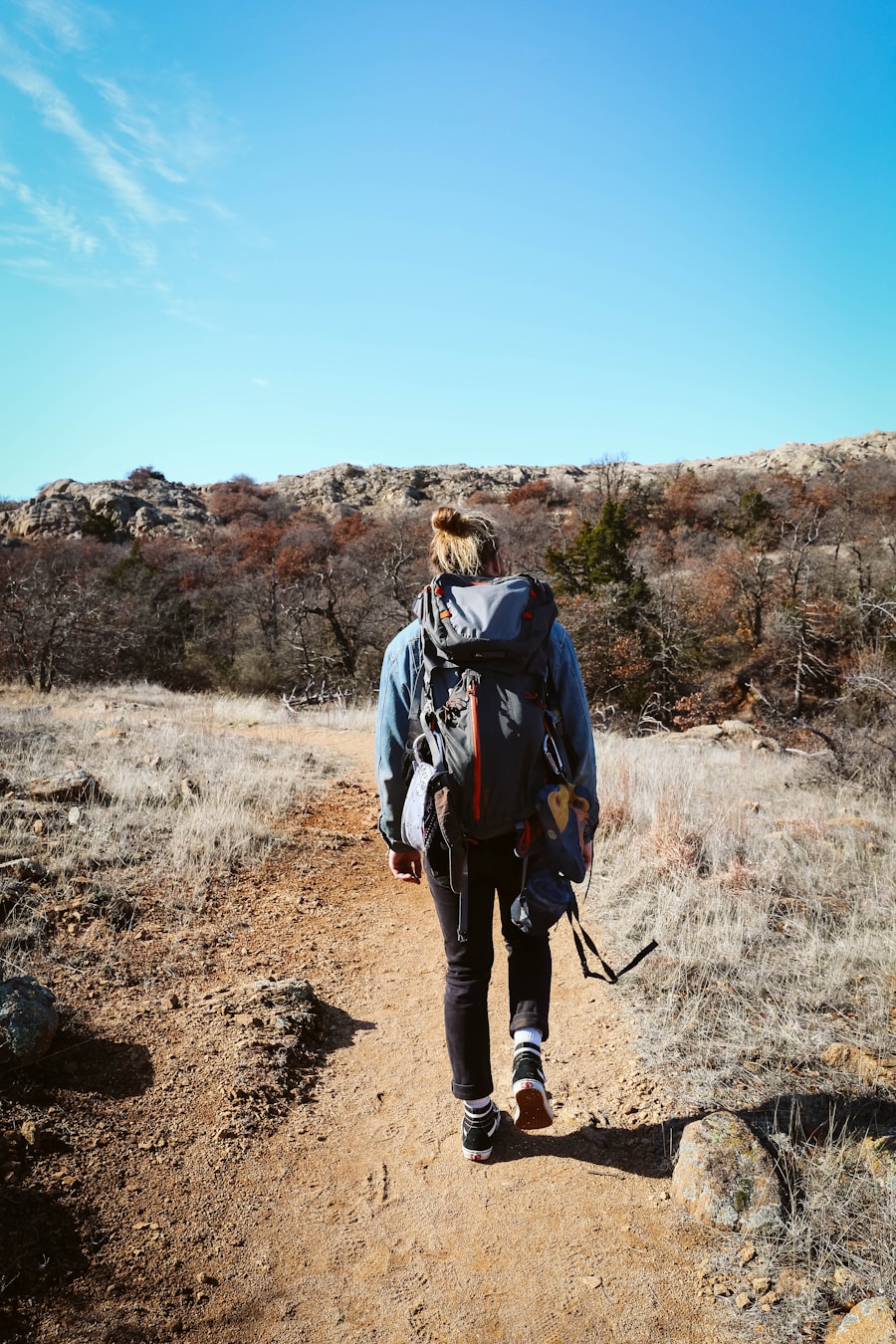
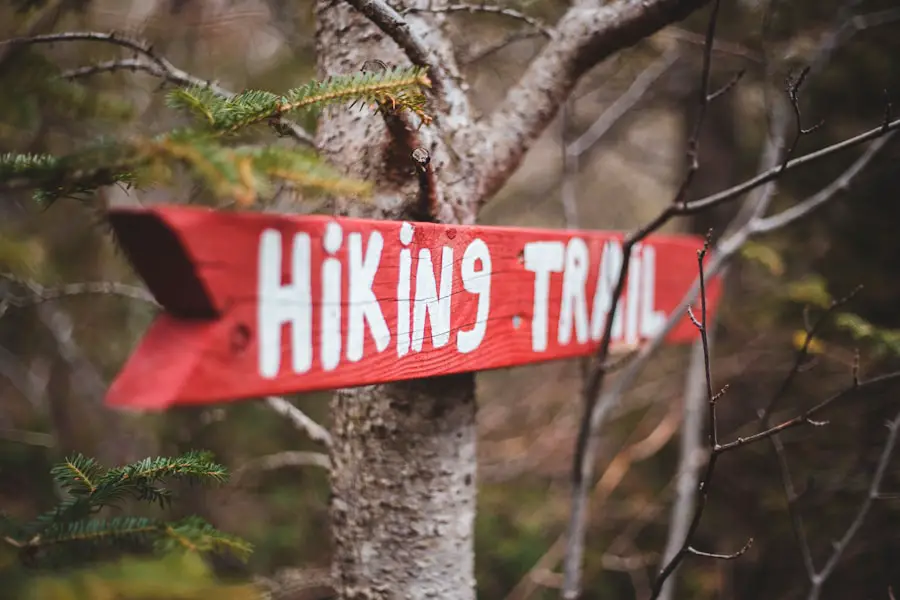
Understanding how to navigate using official trail markers is a foundational safety skill. Trail markers indicate direction, junction points, and hazard zones. Painted blazes on trees, metal confidence markers on posts, or stacked rock cairns in high-alpine zones serve as your primary visual guides.
A reliable topographic map reveals terrain contour lines, elevation gains, water sources, and potential bottleneck pass points. Learning to orient a paper map with a magnetic compass ensures you can navigate safely even when electronic GPS units suffer battery drain or satellite disconnection.
Understanding Trail Etiquette and Safety Practices
Trail etiquette maintains order, safety, and mutual respect among outdoor enthusiasts while minimizing environmental friction.
Right-of-Way Rules
- Uphill Hikers Have Right-of-Way: Hikers moving uphill are expending high energy and maintaining a rhythm. Downhill hikers should step aside to let them pass smoothly.
- Yield to Equestrians: Hikers and mountain bikers must yield to horses. Step off the trail on the downhill side (so you appear non-threatening) and speak softly to avoid startling animals.
- Bicyclists Yield to Hikers: Mountain bikers generally yield to foot traffic, though hikers should remain alert on multi-use singletrack paths.
Communication and Emergency Preparedness
Always file a detailed trip plan with a trusted contact before leaving cell coverage. Specify your planned trailhead, route, and strict “raise-the-alarm” check-in time. Carry a lightweight emergency signal whistle — three sharp blasts is the universal international signal for distress.
Warning: Mountain weather shifts rapidly. If severe conditions — such as lightning storms, dense fog, or drastic temperature drops — develop unexpectedly, turn back immediately. Reaching the summit is optional; returning safely to the trailhead is mandatory.
Building Endurance and Stamina for Longer Hikes
Building hiking-specific physical stamina requires a balance of aerobic conditioning, targeted resistance training, and progressive overload on the trail.
Cardiovascular and Strength Conditioning
Incorporate regular aerobic exercises such as running, stair climbing, cycling, or rowing 3–4 times per week to elevate your VO2 max. Complement cardio with functional lower-body and core resistance exercises: goblet squats, lunges, step-ups with a weighted pack, and planks build the quadriceps, hamstrings, glutes, and core stability required to haul loaded packs uphill.
Mastering Uphill and Downhill Techniques
Navigating varying trail gradients efficiently reduces muscle fatigue and guards against joint injuries.
Uphill Efficiency
Shorten your stride on steep gradients to maintain a steady cardiovascular rhythm. Keep your upright posture aligned over your hips to maximize lung capacity. On long, grueling climbs, employ the “rest step” — locking your rear knee momentarily on each step to transfer your weight onto your skeletal structure, giving your leg muscles a fraction of a second to rest.
Downhill Control
Descending creates significant eccentric muscle strain on the quadriceps and high impact forces on knee joints. Keep your knees slightly bent to act as shock absorbers, lean your upper body slightly forward over your center of gravity, and take smaller, controlled steps. Plant trekking poles ahead of your body to transfer body weight through your upper body arms and shoulders.
Embracing the Outdoors: Mindful Hiking Habits
Cultivating physical skills is only half the journey; cultivating presence enriches the entire outdoor experience. Practice sensory awareness on the trail by periodically pausing to observe local plant communities, listen to forest birds, and monitor changing weather patterns. Joining local hiking clubs or outdoor conservation groups offers opportunities to share route knowledge, learn wilderness skills from experienced peers, and build a supportive outdoor community.
Practicing Leave No Trace Principles for Responsible Hiking
Protecting wilderness spaces ensures trails remain pristine and accessible for future generations. Adhere strictly to the Leave No Trace Seven Principles established by the National Park Service and the Leave No Trace Center for Outdoor Ethics:
- Plan Ahead and Prepare: Know trail regulations, prepare for extreme weather, and carry appropriate maps.
- Travel and Camp on Durable Surfaces: Stay on designated trail centers to prevent soil erosion and avoid trampling fragile flora.
- Dispose of Waste Properly: Pack out all trash, leftover food, and litter. For human waste, dig a cathole 6 to 8 inches deep at least 200 feet away from water sources, trails, and campsites.
- Leave What You Find: Preserve cultural artifacts, rocks, plants, and natural structures as you find them.
- Minimize Campfire Impacts: Use a lightweight stove for cooking rather than building campfires; keep fires small where permitted.
- Respect Wildlife: Observe animals from a distance. Never feed wildlife, as it damages their health and alters natural behaviors.
- Be Considerate of Other Visitors: Yield right-of-way, yield the trail, and keep noise levels low (avoid Bluetooth speakers).
By adhering strictly to Leave No Trace principles, hikers safeguard the natural ecology and wild beauty of our public lands for future generations.
Frequently Asked Questions
What are some tips for getting better at hiking?
Gradually increase your hike distance and elevation gain, invest in terrain-matched footwear, master a 3-layer clothing system, practice rhythmic pacing on climbs, and always carry the Ten Essentials.
How can I improve my hiking endurance?
Combine weekly cardiovascular exercise (running, stair climbing, cycling) with targeted lower-body strength training (squats, lunges, weighted step-ups). Gradually increase pack weight during practice walks.
What gear is essential for improving hiking performance?
Sturdy hiking boots or trail runners, moisture-wicking merino wool socks, trekking poles, a supportive backpack, a topographic map and compass, and a reliable hydration system.
What are some common mistakes to avoid when trying to get better at hiking?
Overestimating physical conditioning, wearing brand-new boots without breaking them in, wearing cotton clothing, underpacking water, failing to check weather forecasts, and ignoring turn-back times.
How can I train for hiking at higher altitudes?
Build high aerobic fitness with interval training, stay heavily hydrated, increase training elevation gradually, and plan extra acclimation time at high trailheads before starting strenuous climbs.
Sources
- National Park Service — Leave No Trace Seven Principles — Outdoor ethics and trail preservation standards
- Leave No Trace Center for Outdoor Ethics — Dispose of Waste Properly — Official cathole and waste guidelines
- National Park Service — The Ten Essentials — Essential safety gear framework for backcountry travel
- National Park Service — Hiking Trail Markers — Trail navigation system standards
- U.S. Geological Survey — Topographic Maps — Topographic navigation and reading guidelines

