Last Updated on July 27, 2026 by Daniel Globe
Hiking in Colorado can take you from warm foothills to cold, windy alpine terrain in a matter of hours. The best clothing and gear therefore depend on your route, elevation, season, and forecast. A good setup combines grippy footwear, moisture-wicking layers, sun protection, rain protection, water, navigation, and emergency supplies so you can adjust when conditions change.
Quick Answer
For hiking in Colorado, wear moisture-wicking layers, quick-drying pants or shorts, treaded closed-toe hiking footwear, wool or synthetic socks, and sun protection. Carry a waterproof shell plus an insulating layer even on many summer mountain hikes. At higher elevations, also prepare for wind, sudden storms, cold temperatures, snow or ice, and altitude symptoms.
Key Takeaways
- Dress in layers so you can adapt to Colorado’s rapid changes in temperature, wind, rain, and elevation.
- Choose treaded hiking shoes, trail runners, or boots based on the actual terrain rather than assuming heavy waterproof boots are always necessary.
- Carry a waterproof shell, extra warm layer, sun protection, navigation tools, headlamp, water, food, first aid, and emergency shelter.
- Check trail conditions before leaving; high-elevation snow and ice can remain well into the warmer months.
- Treat water from lakes and streams unless you know it is safe to drink.
- Recognize headache, nausea, unusual fatigue, and dizziness as possible altitude-illness warning signs.
- Get off exposed peaks and ridgelines when thunderstorms threaten, and be willing to turn around.
Colorado Hiking Clothing at a Glance
| Warm, dry lower-elevation trail | Wicking shirt, hiking shorts or lightweight pants, treaded trail shoes, hat, sunglasses, sunscreen; carry a light shell. |
| Summer mountain hike | Wicking base layer, lightweight pants or shorts, insulating layer, waterproof shell, hat, sunglasses, gloves or warm hat when conditions warrant. |
| Spring or fall | Long wicking layers, fleece or insulated jacket, rain/wind shell, warm hat and gloves, treaded footwear, plus traction when snow or ice is present. |
| Winter or snowy high country | Wicking base layers, insulating mid-layers, weatherproof shell, warm hat and gloves, winter footwear, gaiters as needed, and condition-appropriate traction or snow equipment. |
Disclosure: As an Amazon Associate I earn from qualifying purchases. Some links on this page are affiliate links, at no extra cost to you.
Footwear for Hiking in Colorado
Footwear is one of the most important parts of a Colorado hiking setup. The right choice should match the terrain and conditions rather than simply being the heaviest boot available.
For maintained, dry trails, a well-fitting hiking shoe or trail runner with a grippy tread may provide all the traction and protection you need. On rocky routes, rough backcountry terrain, muddy trails, or hikes where you are carrying a heavier backpack, a more protective hiking boot can be useful. A reinforced toe area also helps protect against rocks and roots.
Waterproof footwear is most useful when you expect wet grass, mud, slush, shallow snow, or sustained rain. In hot, dry weather, a breathable non-waterproof shoe may feel cooler and dry faster after getting wet.
Rocky Mountain National Park’s current trail guidance recommends closed-toed footwear with treaded soles. The park also advises hikers to consider traction devices on icy or snow-packed trails, including when high-elevation snow persists into warmer months.
Pro Tip: Break in new hiking shoes or boots before a long Colorado hike. Test them on shorter walks while wearing the same socks you plan to use on the trail. A good fit should hold your heel securely while leaving enough toe room for descents.
Do Not Forget Your Hiking Socks
Choose wool or synthetic hiking socks that move moisture away from your skin and dry more quickly than ordinary cotton socks. Make sure the sock thickness works with your footwear; overly thick socks can make a properly sized shoe feel cramped.
For longer hikes, carrying a dry spare pair can be worthwhile. Changing wet socks can improve comfort and reduce prolonged friction against the skin.
Clothing and Layering for Colorado Weather
Layering is one of the most useful strategies for Colorado hiking because temperatures can change rapidly with elevation, cloud cover, wind, and storms. The goal is to add or remove clothing before you become excessively sweaty, chilled, or soaked.
Base Layer
Your next-to-skin layer should move perspiration away from the body. Polyester, nylon, and merino wool are common options. A lightweight short- or long-sleeved hiking shirt works well in warm conditions, while cooler days may call for lightweight thermal underwear.
Avoid relying on cotton for cold, wet, or exposed mountain hikes. Cotton absorbs moisture and dries slowly, which can leave you chilled when temperatures fall or wind increases.
Mid-Layer
The mid-layer provides insulation. A fleece, synthetic insulated jacket, light puffy, or wool layer can work depending on temperature and elevation. Even when the trailhead feels warm, carrying an insulating layer is wise on many mountain hikes.
Outer Layer
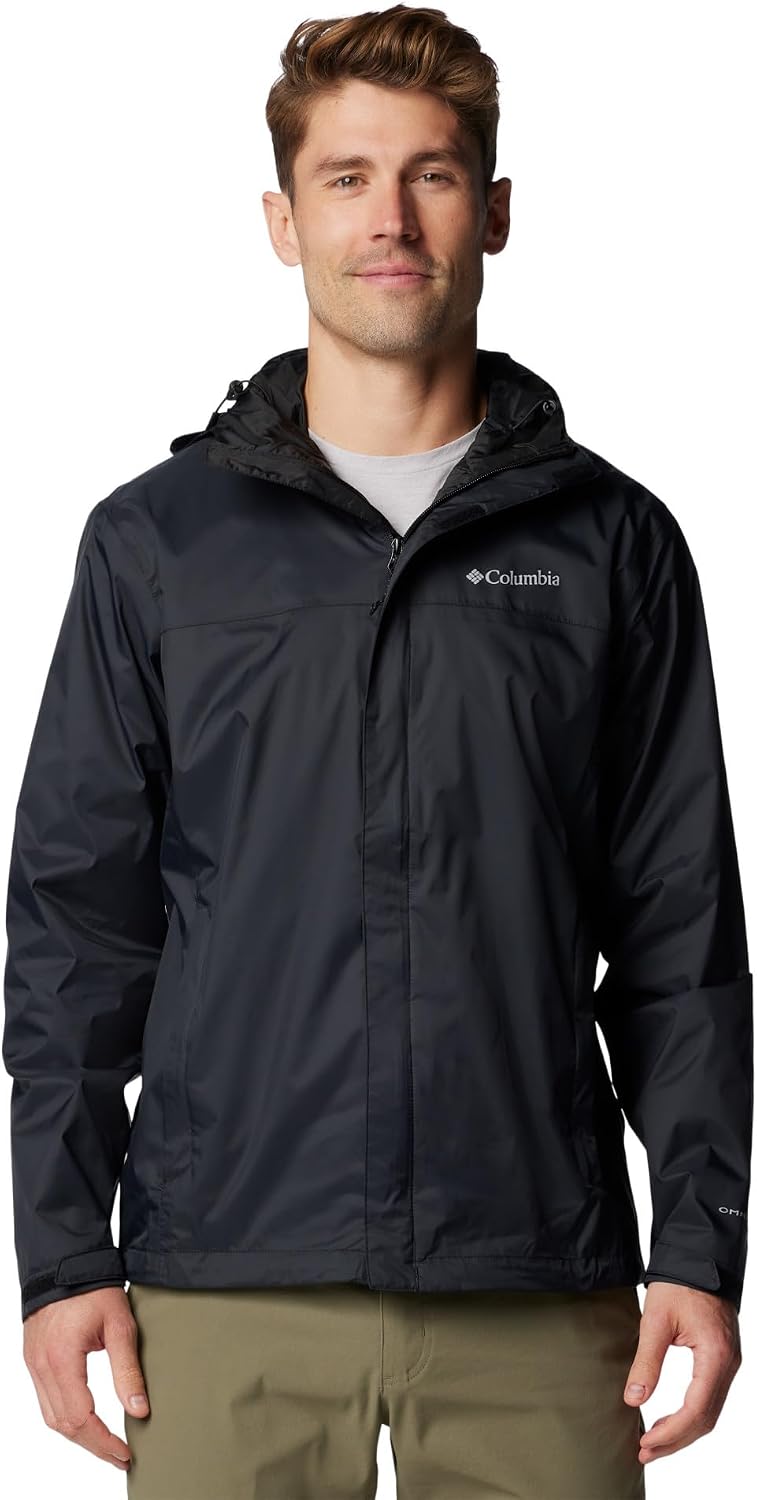
The outer shell protects you from rain and wind. A lightweight waterproof rain jacket is a practical year-round item in Colorado’s mountains. Rain pants become more useful on longer routes, exposed trails, or when sustained rain, wet snow, or strong wind is possible.
Rocky Mountain National Park advises hikers to bring wicking layers, waterproof outerwear, extra warmth, a hat and gloves, sunglasses, and sunscreen because conditions can change rapidly with elevation.
Note: Colorado is not one climate zone. Clothing that works on a warm Front Range foothill walk may be inadequate several thousand feet higher on an exposed alpine trail. Check the forecast for the actual trail elevation whenever possible.
What to Wear by Season
Summer
For many summer hikes, start with a lightweight wicking shirt, hiking shorts or quick-drying pants, hiking socks, and treaded footwear. Add a brimmed hat and sunglasses for sun protection. Carry a rain shell and an insulating layer for higher elevations or longer trips.
Do not equate summer with snow-free conditions. Current RMNP guidance notes that high-elevation trails can retain snow and ice during the warmer season. Check recent trail reports before deciding whether you need traction.
Spring and Fall
Spring and fall require more flexible layering. Wear long hiking pants and a wicking top, then carry fleece or another insulating layer plus a waterproof shell. A warm hat and gloves take little pack space and can make a major difference when wind or temperatures change.
Snow, ice, mud, and freeze-thaw conditions can all affect footwear choices during shoulder seasons. Waterproof boots and traction devices may be appropriate when trail reports call for them.
Winter and Snowy High-Elevation Conditions
Winter hiking requires more than simply adding a heavy coat. Use a wicking base layer, one or more insulating layers, and a wind- and water-resistant outer shell. Protect your hands, head, face, and feet from cold and wind.
Snow-covered trails can require microspikes, snowshoes, or other traction and flotation equipment depending on surface conditions and route. Steep snow, avalanche terrain, and technical winter routes require skills and equipment beyond ordinary hiking gear, so choose a route that matches your training and experience.
Navigation Tools
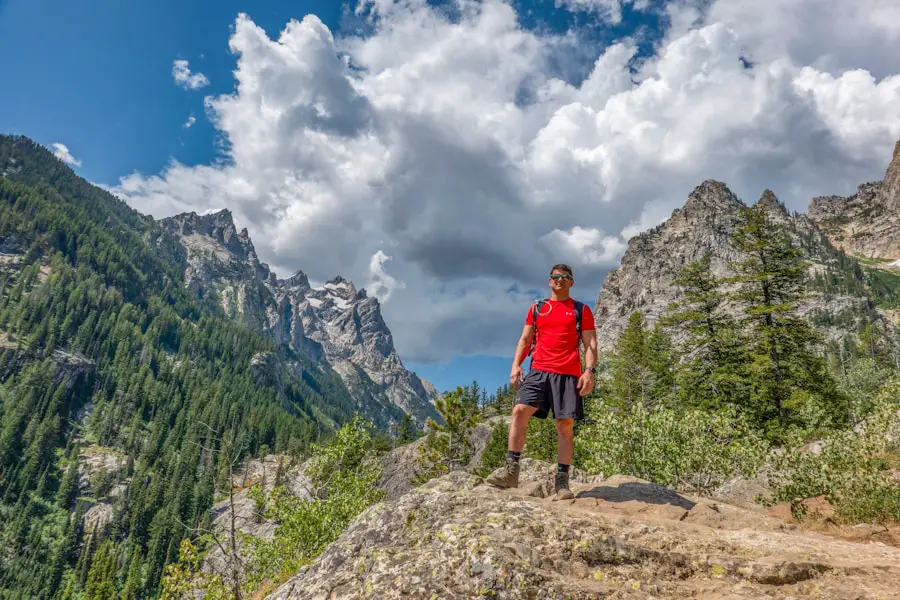
Reliable navigation is essential in unfamiliar terrain. A topographic map can show trails, elevation changes, water features, junctions, and other landmarks. A compass provides a non-electronic backup and is most useful when you know how to use it before the trip.
GPS devices and smartphone mapping apps can make route-finding easier, particularly when maps are downloaded for offline use. However, electronics can fail because of drained batteries, damage, cold weather, or other problems. Cell service may also be absent even when a phone’s satellite-based location functions still work.
The National Park Service Ten Essentials includes map, compass, and GPS navigation and recommends knowing how to use them before heading out.
Pro Tip: Download your route and surrounding map area before leaving reliable service. For longer or more remote hikes, carry a backup battery and a paper map rather than making one phone your only navigation tool.
Sun Protection at Colorado Elevations
Sun protection deserves special attention when hiking in Colorado. Ultraviolet radiation can damage skin and eyes even when mountain air feels cool, and snow can reflect additional UV radiation.
| Sun-Protection Item | Practical Guidance |
|---|---|
| Sunscreen | Use broad-spectrum, water-resistant SPF 30 or higher on exposed skin. |
| Reapplication | Reapply about every two hours outdoors and after swimming or heavy sweating, following the product directions. |
| Hat | A wide-brimmed hat gives better coverage to the face, ears, and neck than a visor or narrow-brim cap. |
| Clothing | Lightweight long sleeves and pants provide additional coverage; UPF-rated garments offer tested UV protection. |
| Eyes | Wear sunglasses that provide UVA and UVB protection. |
The American Academy of Dermatology recommends broad-spectrum, water-resistant SPF 30 or higher and advises reapplication approximately every two hours and after swimming or sweating.
Water and Hydration
Carry enough water for the length, temperature, elevation, and difficulty of your hike. About 0.5 liter per hour can serve as a rough planning starting point for moderate hiking, but there is no single amount that fits every person or condition. Hot weather, prolonged exertion, altitude, body size, and individual needs can change how much you require.
Drink regularly rather than waiting until you are noticeably dehydrated. Longer or very sweaty outings may also justify salty snacks or an electrolyte drink, but water and adequate food remain the foundation.
Do not assume a stream or alpine lake is safe simply because the water looks clean. If you are uncertain whether backcountry water is safe, treat it before drinking or cooking with it.
According to the CDC’s backcountry water-treatment guidance, boiling is the most reliable method for killing germs. If boiling is not practical, filtering followed by disinfection is a strong general approach. When boiling water above 6,500 feet, the CDC recommends maintaining a rolling boil for three minutes.
Warning: Never count on an unverified stream, lake, or seasonal spring as your only water source. Water availability can change, and untreated surface water can contain disease-causing organisms.
Altitude and Acclimatization
Colorado’s elevation changes how a hike feels. A route that seems moderate on paper can become much harder when you are not accustomed to high altitude.
The CDC reports that about 25% of visitors sleeping above 8,000 feet in Colorado develop acute mountain sickness. CDC Yellow Book
Common acute mountain sickness symptoms include headache together with problems such as nausea, dizziness, unusual fatigue, or loss of appetite. Symptoms often follow a recent ascent.
If symptoms develop, do not keep climbing higher in the hope that they will disappear. Rest and stop ascending. Worsening symptoms, confusion, trouble walking normally, or severe shortness of breath require urgent action and descent to a lower elevation.
Allowing time to acclimatize before a strenuous high-elevation hike can reduce risk. Staying hydrated and eating normally also helps you function well, although drinking excessive water does not prevent altitude illness.
Colorado Mountain Weather and Lightning
Colorado mountain weather can change quickly. A warm, clear start can turn into wind, rain, hail, cold temperatures, or a thunderstorm later in the hike. Check the latest forecast and trail conditions immediately before leaving rather than relying on a forecast you saw several days earlier.
Lightning deserves special attention on peaks, ridgelines, tundra, and other exposed terrain. Rocky Mountain National Park notes that lightning is common there from June through September and advises hikers to seek a substantial building or metal-topped vehicle when possible. If you are on a trail and cannot reach one, moving down from exposed high ground and below treeline can reduce exposure.
Warning: Do not wait on a summit or exposed ridge for a thunderstorm to arrive. If you hear thunder, take the threat seriously, descend from exposed terrain, and move toward safer shelter. A tent is not reliable lightning protection.
Emergency Supplies and the Ten Essentials
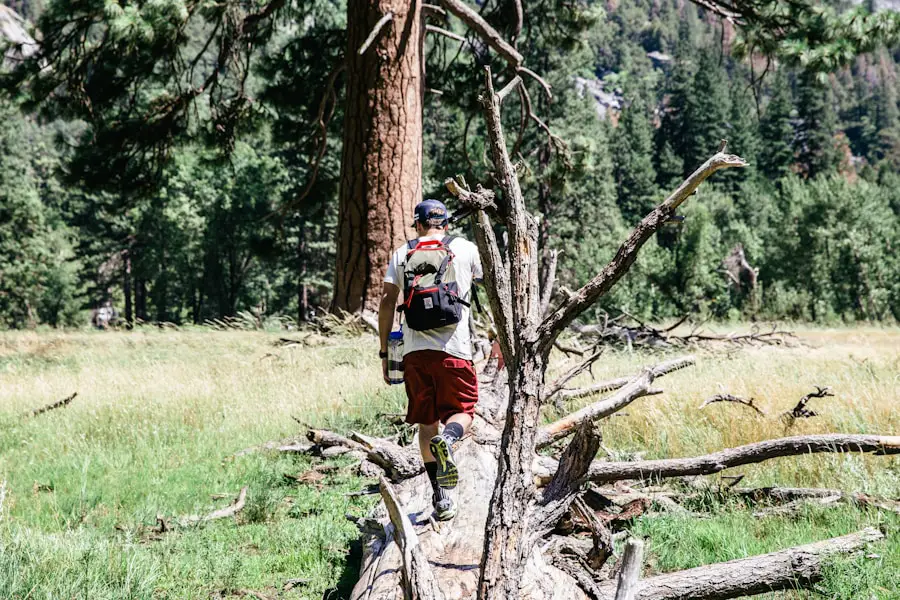
A well-planned emergency kit can turn an unexpected delay, injury, or weather change into a manageable situation. The National Park Service organizes basic hiking preparedness around the Ten Essentials.
- Navigation: map, compass, and/or GPS tools you know how to use.
- Sun protection: sunscreen, sunglasses, hat, and protective clothing.
- Insulation: extra warm clothing and weather protection.
- Illumination: a headlamp or flashlight plus adequate battery power.
- First aid: supplies appropriate to your group and trip, including personal medication.
- Fire: an emergency fire-starting method where legal and appropriate.
- Repair kit and tools: such as a multi-tool, knife, tape, or gear-specific repair supplies.
- Food: enough energy-dense food for the hike plus extra for an unexpected delay.
- Hydration: water plus treatment capability where natural water might be used.
- Emergency shelter: a space blanket, bivy, tarp, or other suitable emergency shelter.
A whistle is also a lightweight way to signal for help. On remote trips, some hikers additionally carry a satellite messenger or personal locator device, but carrying one does not replace route planning or basic survival equipment.
Food and Trail Snacks
Pack enough food for the planned outing and some extra in case the hike takes longer than expected. Foods that require no cooking are especially useful during an emergency or when weather makes stopping difficult.
Good trail foods combine calories with foods you will actually want to eat. Nuts, dried fruit, sandwiches, tortillas, energy bars, crackers, jerky, and similar compact foods are common choices. On hot or long hikes, salty foods can also help replace some of the sodium lost through sweat.
Choosing a Backpack
Your backpack needs enough space for clothing, water, food, navigation tools, emergency equipment, and any trip-specific gear without being unnecessarily large.
A small daypack of roughly 15 to 30 liters often works for uncomplicated day hikes, while longer winter outings or trips requiring bulky gear may need more space. Multi-day camping commonly pushes pack volume toward 50 liters or more, but the correct capacity depends on the bulk of your equipment rather than a fixed rule.
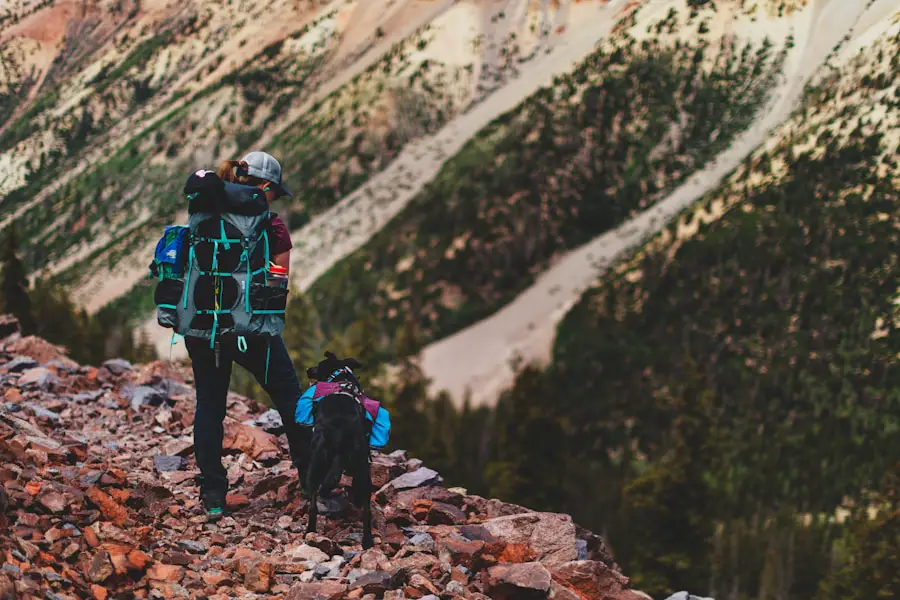
Look for adjustable shoulder straps, a comfortable hip belt when carrying heavier loads, and a design that sits securely while walking. Pockets or compartments can keep frequently needed items such as snacks, a map, sunscreen, rain shell, and water easy to reach.
Pro Tip: Pack your rain shell, warm layer, headlamp, and emergency gear where you can reach them quickly. Equipment buried under everything else is much less useful when a storm arrives suddenly.
Camping Gear for an Overnight Colorado Trip
If your hike includes camping, your equipment needs expand beyond ordinary day-hike gear. A suitable tent or shelter should match the expected wind, precipitation, temperature, and campsite conditions. Make sure you know how to pitch it before heading into the backcountry.
Choose a sleeping bag or quilt rated appropriately for the temperatures you realistically expect, and pair it with an insulating sleeping pad. Remember that nighttime temperatures at elevation can be much colder than daytime conditions at the trailhead.
A portable backpacking stove can make cooking simpler, but check current land-manager rules and fire restrictions before using any flame. Never assume a campfire is allowed simply because an established fire ring exists.
Lightweight cookware made from aluminum, titanium, or other durable materials can keep pack weight manageable. Depending on the trip, you may also want a pack liner, waterproof stuff sacks, repair supplies, extra socks, and camp footwear.
Wildlife Awareness
Colorado is home to black bears, mountain lions, elk, moose, and many other animals. Keep wildlife wild by giving animals space, never feeding them, and storing food according to the rules for the land you are visiting.
Colorado Parks and Wildlife recommends being prepared in bear country and lists bear spray among the tools hikers may carry. Learn how to use bear spray before relying on it, keep it accessible rather than buried in your backpack, and follow the requirements of the specific park, forest, or wilderness area you are visiting.
Before You Leave the Trailhead
- Check the latest route-specific weather forecast.
- Check trail, road, snow, ice, fire, and closure information.
- Tell someone where you are going, your intended route, where you parked, and when you expect to return.
- Download offline maps and charge your electronics.
- Confirm that you have water, food, sun protection, extra clothing, a headlamp, navigation, first aid, and emergency shelter.
- Turn around when conditions, altitude symptoms, fatigue, or route difficulty exceed your preparation.
If you’re combining a Colorado trip with air travel and bringing a large dog, the site’s Flying with a Big Dog: Tips for Traveling with Your Large Pup guide can help with the transportation side of the trip. Also check the rules for the specific Colorado trail or park you plan to visit, because pet access varies by land manager.
Frequently Asked Questions
What should I wear for hiking in Colorado?
Wear moisture-wicking clothing that can be layered. A typical setup includes a synthetic or merino shirt, quick-drying pants or shorts, wool or synthetic socks, and treaded hiking footwear. Carry an insulating layer and waterproof shell when hiking in the mountains, even when the trailhead starts warm.
What type of footwear is best for hiking in Colorado?
The best footwear depends on terrain and weather. Trail runners or lightweight hiking shoes can work well on dry maintained trails. More protective boots may be better for rough terrain, snow, mud, wet conditions, or heavier backpacking loads. Whatever you choose, use closed-toe footwear with reliable tread and a secure fit.
What type of pants are suitable for hiking in Colorado?
Lightweight synthetic or other quick-drying hiking pants are versatile because they protect against sun, brush, wind, and light precipitation while drying faster than cotton. Shorts may be comfortable on warm lower-elevation trails, while colder, windy, snowy, or exposed routes usually favor long pants.
What accessories should I bring for hiking in Colorado?
Useful basics include sunglasses, a brimmed hat, SPF 30+ sunscreen, map or GPS navigation, water, food, first-aid supplies, a headlamp, emergency shelter, and extra layers. High-elevation or shoulder-season hikes may also require gloves, a warm hat, traction devices, or other snow equipment.
Are there clothing items to avoid when hiking in Colorado?
Avoid relying on cotton next to your skin for cold, wet, or exposed mountain conditions because it absorbs water and dries slowly. Also avoid slick-soled footwear and clothing that restricts movement. Choose wool or synthetic layers that manage moisture and dry more quickly.
Do I need microspikes for hiking in Colorado?
Not on every hike. Traction devices can be useful when trails are icy or covered by hard-packed snow. Conditions vary dramatically by elevation, season, slope, and recent weather, so check a current trail report before deciding. Steep snow may require skills and equipment beyond ordinary microspikes.
What are common signs of altitude sickness in Colorado?
Acute mountain sickness commonly causes headache together with symptoms such as nausea, dizziness, unusual fatigue, or poor appetite after ascending to altitude. Stop ascending when symptoms develop. Worsening symptoms, confusion, difficulty walking normally, or severe shortness of breath require descent and urgent medical attention.
What should I do if a thunderstorm develops while hiking?
Leave exposed summits, ridgelines, and alpine terrain early. A substantial building or metal-topped vehicle offers the best available shelter. When those are unavailable, descend toward lower and less exposed terrain. Do not treat a tent, small cave, or rock overhang as safe lightning protection.
Sources
- Rocky Mountain National Park — Trail Conditions — current Colorado mountain trail, clothing, weather, snow, footwear, and traction guidance.
- Rocky Mountain National Park — Lightning Safety — lightning risk and safer actions in exposed mountain terrain.
- National Park Service — Ten Essentials — navigation, insulation, illumination, first aid, food, water, and emergency equipment.
- CDC Yellow Book — High-Altitude Travel and Altitude Illness — acute mountain sickness risk, symptoms, and prevention.
- American Academy of Dermatology — How to Apply Sunscreen — SPF, broad-spectrum coverage, application, and reapplication guidance.
- CDC — Water Treatment When Hiking and Camping — safe treatment of water from uncertain backcountry sources.