

Last Updated on July 26, 2026 by Daniel Globe
When embarking on a hiking adventure, the significance of proper gear cannot be overstated. The right equipment not only enhances the overall experience but also plays a crucial role in ensuring safety, performance, and comfort on the trail. Hiking gear is engineered to withstand unpredictable environmental conditions, provide ergonomic support, and facilitate movement across diverse terrains. Whether you are a seasoned backpacker or a novice exploring local trails, investing in quality gear can make the difference between an unforgettable trek and a challenging ordeal. Proper hiking gear prevents common outdoor injuries—such as debilitating blisters, sprains, and hypothermia—while regulating body temperature and wicking away moisture. Beyond physical protection, being well-prepared provides mental peace of mind, allowing hikers to focus on nature rather than discomfort or potential trail hazards.
Quick Answer
Essential hiking gear centers around the “Ten Essentials”: supportive footwear (boots or trail runners), a properly fitted backpack, moisture-wicking layered clothing, navigation tools (map, compass, or GPS), adequate water and purification, nutrient-dense nutrition, a first aid kit, illumination (headlamp), emergency shelter, and sun protection. Equipping these core items ensures trail safety, weather protection, and self-reliance.
Key Takeaways
- Proper hiking gear is essential for comfort, injury prevention, and safety on the trail.
- Backpack selection should match trek duration: 15–30 liters for day hikes and 40–80+ liters for multi-day trips.
- Choose footwear based on terrain: heavy boots offer ankle stability, while trail runners provide agility and breathability.
- Layer clothing using the base, insulating, and shell system—and avoid moisture-retaining cotton.
- Always carry backup navigation (a physical map and compass) alongside electronic GPS devices.
At a Glance
| Activity Type | Day Hiking & Multi-Day Backpacking |
| Skill Level Needed | Beginner to Advanced |
| Core Framework | The Ten Essentials (NPS / Mountaineers Standard) |
| Estimated Investment | $150 – $800+ (depending on trip length & terrain) |
Disclosure: As an Amazon Associate I earn from qualifying purchases. Some links on this page are affiliate links, at no extra cost to you.
Backpacks: Choosing the Right Size and Fit
Selecting the right backpack is one of the most critical decisions a hiker will make. The size and fit of a pack significantly affect energy expenditure and comfort on the trail. Backpack capacity is measured in liters, reflecting volume rather than weight.
Daypacks for short outings usually range from 15 to 30 liters, providing enough space for water, extra layers, snacks, and a first aid kit. Multi-day backpacks hold anywhere from 40 to 80 liters or more, accommodating sleeping systems, shelters, and cooking gear. It is essential to choose a size that aligns with your trip duration and gear requirements without encouraging overpacking.
Proper fit is just as important as capacity. A poorly fitted backpack concentrates weight on the shoulders, causing fatigue and spinal strain. Shoulder straps should sit comfortably without pinching, while the hip belt must wrap securely around the iliac crest (hip bones) to support 70% to 80% of the pack’s weight.
Pro Tip: When fitting a backpack, load it with 15–20 pounds of weight in the store or at home. Adjust the hip belt first, followed by the shoulder straps, load lifters, and sternum strap, to ensure proper weight distribution before taking it on the trail.
Footwear: Hiking Boots vs. Trail Runners
Footwear is arguably the most vital component of hiking gear, directly impacting traction, stability, and endurance. Hikers often face the choice between traditional hiking boots and modern trail running shoes.
Hiking boots offer sturdy upper materials, stiff midsoles, and high ankle collars. They are ideal for rugged off-trail terrain, heavy backpack loads, and cold or wet conditions where maximum support and protection against sharp rocks are necessary. In contrast, trail runners have gained popularity due to their lightweight construction, high breathability, and quick drying times. They reduce foot fatigue and allow for faster movement on well-maintained trails.
Ultimately, choice depends on personal biomechanics, load weight, and terrain difficulty. Trying both options with technical hiking socks helps identify the right combination of support and comfort.
Warning: Never wear brand-new footwear on a long hike. Break in boots or trail runners on short neighborhood walks or minor trails to allow the materials to shape to your feet and prevent severe blisters.
Clothing: Layering for Comfort and Protection

Clothing choices dictate thermoregulation and weather protection. A three-layer system allows hikers to adapt seamlessly to changing temperatures and physical activity levels:
- Base Layer: Sits directly against the skin to wick sweat away. Merino wool and synthetic fabrics (polyester/nylon) are ideal choices because they dry quickly and remain comfortable when damp.
- Insulating Layer: Traps body heat while remaining breathable. Fleece jackets, grid fleece, or lightweight down and synthetic puffy jackets serve as excellent mid-layers.
- Outer Shell: Shields against wind, rain, and snow. High-quality waterproof or water-resistant jackets featuring breathable membranes keep precipitation out without trapping internal condensation.
In addition to core layers, essential accessories include wide-brimmed hats or caps for sun protection, lightweight gloves for cold mornings, and gaiters to keep debris, gravel, and moisture out of your shoes.
Note: Avoid cotton clothing (including denim and standard athletic socks) entirely when hiking. Cotton retains moisture, loses all insulating properties when wet, and significantly increases the risk of hypothermia in cool weather.
Navigation: Maps, Compass, and GPS Devices
Navigating unfamiliar terrain requires both electronic tools and traditional skills. While modern smartphone apps and standalone GPS devices provide real-time location tracking, reliance solely on battery-powered technology can lead to dangerous situations if devices freeze, break, or run out of power.
| Navigation Tool | Accuracy | Battery Life | Portability & Reliance |
|---|---|---|---|
| Topographic Map | High (Scale-dependent) | Unlimited | Lightweight; requires waterproof protection |
| Magnetic Compass | High (Requires calibration/declination adjustment) | Unlimited | Compact; immune to cold weather battery loss |
| GPS / Satellite Communicator | Pinpoint (Sub-meter accuracy) | 12–72 Hours (Varies by tracking mode) | Handheld; enables SOS emergency messaging |
Understanding topographic map symbols, contour intervals, and basic compass orientation allows hikers to pinpoint their location independent of signal availability. Modern satellite communicators (such as Garmin InReach or ZOLEO) expand navigation by adding two-way satellite messaging and interactive SOS features in remote backcountry zones.
Water: Hydration Systems and Filtration Options
Carrying Water on the Trail
Proper hydration is vital for sustaining energy and avoiding heat-related illnesses. Hikers generally carry water in wide-mouth bottles or hydration bladders integrated into their packs. Hydration bladders feature a drink tube for convenient, hands-free sipping on the go, while rigid water bottles are durable, easy to refill in streams, and simple to monitor for remaining volume.
Water Filtration Options
Carrying all required water for long treks creates excessive pack weight. Utilizing natural water sources—such as streams, rivers, and alpine lakes—requires reliable purification. Hollow-fiber membrane squeeze filters, UV purifiers, gravity systems, and chemical purification tablets (such as chlorine dioxide) effectively eliminate harmful protozoa (Giardia, Cryptosporidium) and bacteria.
Ensuring Proper Functionality
Backcountry water sources should always be treated, regardless of clarity. Inspecting filter O-rings, cleaning filter elements, and carrying backup chemical treatment tablets ensure uninterrupted access to clean drinking water.
Warning: Never drink untreated wilderness water, no matter how pristine or clear it appears. Giardia lamblia and bacterial pathogens can cause severe gastrointestinal illness days after exposure.
Nutrition: Lightweight and Nutrient-Dense Snacks
High caloric output demands continuous fuel intake. Packing lightweight, caloric-dense foods maintains stamina without adding unnecessary pack weight. Ideal trail nutrition balances complex carbohydrates, healthy fats, and protein.
Top options include raw or roasted nuts, seed mixes, dried fruits, nut butter squeezes, beef jerky, and energy bars made from whole food ingredients. Complex fats provide long-lasting, steady energy burn during steep climbs, while quick-digesting simple sugars in dried fruit replenish depleted glycogen stores quickly. On multi-day trips, freeze-dried or dehydrated meals provide hot, nutrient-rich dinners requiring only boiled water.
Safety: First Aid Kits, Illumination, and Emergency Supplies
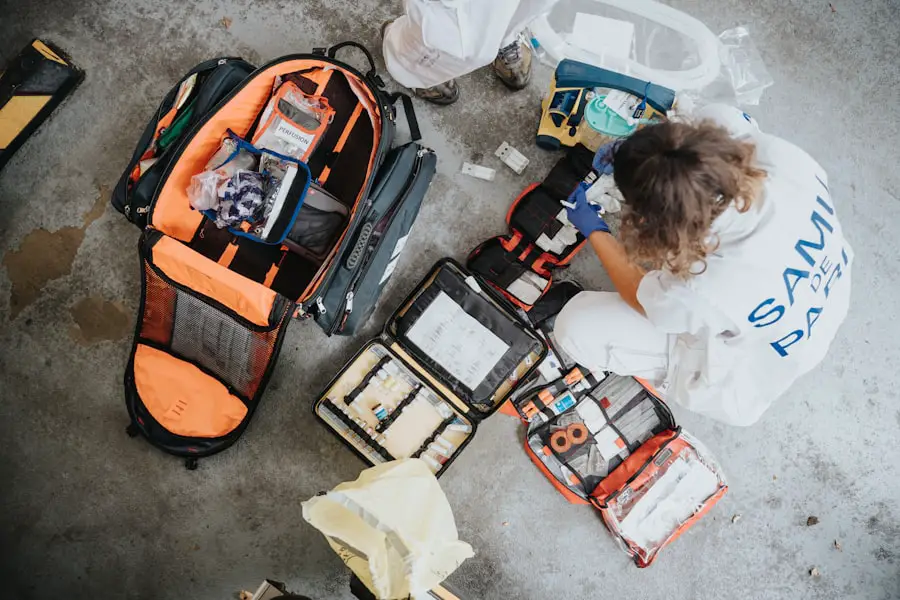
Outdoor safety relies on self-sufficiency. A well-curated wilderness first aid kit should contain adhesive bandages, sterile gauze, medical tape, blister treatments (such as hydrocolloid bandages or moleskin), antiseptic wipes, ibuprofen, antihistamines, and essential personal prescription medications.
Beyond medical supplies, safety gear must include reliable illumination. Headlamps are superior to handheld flashlights, keeping hands free for balance and trekking pole use. Carrying extra batteries or a compact power bank ensures light availability during unplanned night hiking.
An emergency kit should also feature a loud signal whistle (which carries farther than the human voice), a compact fire starter (stormproof matches or ferrocerium rod), an emergency space blanket or bivvy, and full sun protection (UPF clothing, wide-brim hat, and broad-spectrum sunscreen).
Pro Tip: Familiarize yourself with every item in your first aid kit before heading out. Taking a basic Wilderness First Aid (WFA) course equips you to treat sprains, severe cuts, and environmental conditions like heat exhaustion effectively.
Shelter: Tents, Tarps, and Bivvy Sacks
Overnight trips require protective shelter against precipitation, cold winds, and insects. Tents remain the standard choice, offering complete weather enclosure, integrated bug netting, and gear vestibules. Modern backpacking tents feature lightweight aluminum or carbon poles and durable silicone-coated nylon fabrics.
Minimalist hikers often choose ultralight tarps or bivvy sacks. Tarps provide overhead rain protection at a fraction of the weight, requiring trekking poles for setup. Bivvy sacks are waterproof slipcovers for sleeping bags, designed for solo alpine bivouacs or quick ultralight setups. Selecting the right shelter requires evaluating expected climate conditions, group size, and pack weight goals.
Tools: Multi-Tools, Knives, and Trekking Poles
Multi-tools and sturdy folding knives are essential for gear adjustments, food prep, and emergency gear repairs. A quality multi-tool featuring pliers, blades, scissors, and small screwdrivers can resolve stove malfunctions or torn backpack straps on the trail.
Trekking poles are an invaluable hardware addition for many hikers. Dual trekking poles reduce impact forces on knee joints by up to 20% on steep descents, improve balance across river crossings, and assist rhythm on long uphill climbs.
Leave No Trace: Environmental Considerations & Connectivity
Practicing Leave No Trace (LNT) principles preserves natural ecosystems and maintains trail quality for future outdoor enthusiasts. The core rule of “Pack it in, Pack it out” dictates that all garbage, food scraps, apple cores, and litter must be carried off the trail.
Hikers should remain on designated paths to prevent erosion, respect wildlife by maintaining safe viewing distances, and follow local campfire regulations. When traveling internationally or in remote regions where communication is vital, carrying a portable internet solution can enhance safety. Compact hot-spot devices allow access to live weather updates, digital terrain maps, and emergency communication. To learn more about selecting reliable connectivity gear, read this guide on portable WiFi hotspots for travel.
Frequently Asked Questions
What are the essential items to carry while hiking?
The essential hiking items follow the “Ten Essentials” framework: navigation tools (map/compass/GPS), water and filtration, extra food, layered clothing, first aid supplies, illumination (headlamp), emergency shelter, fire starters, multi-tools, and sun protection.
What type of clothing should I carry while hiking?
Wear moisture-wicking synthetic or merino wool garments in a three-layer system: a base layer for moisture management, an insulating mid-layer (fleece or down) for warmth, and a waterproof/windproof outer shell. Avoid cotton, as it retains moisture and loses insulation when wet.
What kind of footwear is recommended for hiking?
Choose sturdy hiking boots with ankle support for heavy backpacks and rough terrain, or lightweight trail runners for well-maintained trails and agile movement. Ensure footwear has deep rubber lug soles for reliable traction.
Should I carry a first aid kit while hiking?
Yes. A standard wilderness first aid kit should include adhesive bandages, gauze, medical tape, blister treatments (moleskin), antiseptic wipes, pain relievers (ibuprofen), and any personal medications required for your trip duration.
What kind of navigation tools should I carry while hiking?
Always carry a physical topographic map and a magnetic compass as a fail-safe backup, alongside electronic navigation tools like GPS units, satellite communicators, or smartphone mapping applications.
Is it important to carry a water purification system while hiking?
Yes. Carrying a portable water filter, UV purifier, or chemical purification tablets ensures you can treat backcountry water safely, eliminating pathogens like Giardia and bacteria without needing to carry prohibitive water weight.
Sources
- National Park Service — The Ten Essentials of Outdoor Safety
- American Hiking Society — Official Hiking Gear Guidelines
- REI Expert Advice — Rainwear and Waterproof Fabric Standards
- Leave No Trace Center for Outdoor Ethics — The 7 Principles of Outdoor Responsibility

