
Last Updated on September 10, 2026 by Daniel Globe
Training for long-distance hiking is less about one brutal workout and more about building steady, trail-specific fitness. A good plan develops walking endurance, leg and core strength, downhill control, pack comfort, fueling habits, and sound judgment. Start from your current ability, match training to the route, and give your body enough time to adapt.
Quick Answer
Train for a long-distance hike by walking or hiking three to four days per week, strength training twice per week, adding hills and controlled descents, and gradually practicing with your expected pack. Build over about 8 to 12 weeks, include recovery days, rehearse food and gear, and reduce training during the final week.
Key Takeaways
- Set goals from the trail’s daily distance, elevation gain, terrain, altitude, weather, and expected pack weight.
- Use gradual progression instead of sudden mileage, hill, or pack-weight jumps.
- Combine hiking practice with strength work for the legs, hips, calves, core, back, and balance.
- Practice climbing, controlled descending, fueling, hydration, footwear, and navigation before the trip.
- Rest, pain monitoring, a gear shakedown, and a final taper are part of training, not signs of lost progress.
At a Glance
| Time Required | Usually 8 to 12 weeks; allow longer if you are starting from a low fitness base or returning from injury |
| Difficulty | Beginner to advanced, depending on route demands and starting fitness |
| Tools Needed | Comfortable footwear, hiking pack, water, basic strength equipment or body weight, hills or stairs, and route-navigation tools |
| Cost | Often $0 if you already own suitable gear; gym access, transport, trail fees, and replacement footwear vary |
Note: This guide is general fitness and safety information. Speak with a qualified health professional before starting if you have chest pain, fainting, an uncontrolled heart or lung condition, a recent injury, or another concern that may affect exercise safety.
Disclosure: As an Amazon Associate I earn from qualifying purchases. Some links on this page are affiliate links, at no extra cost to you.
Set a Realistic Long-Distance Hiking Goal
Begin by assessing your current walking fitness, hiking experience, injury history, available training time, and the specific trail you plan to complete. A novice hiker should not jump directly from short walks to a 200-mile week. Start with shorter hikes and gradually increase duration, terrain difficulty, and elevation.
Define the goal in trail-specific terms:
- Daily distance: How many miles or kilometers must you cover?
- Elevation: What are the longest climbs and descents?
- Terrain: Is the route smooth, rocky, muddy, sandy, snowy, or off-camber?
- Pack weight: Are you carrying day-hike gear or a multi-day load?
- Altitude and weather: Will heat, cold, humidity, wind, or elevation increase the effort?
- Trip format: Is it one long day, several consecutive days, or a continuous thru-hike?
Use both short-term and long-term targets. A short-term goal may be a comfortable 90-minute hilly walk, a full day in your hiking shoes without blisters, or a controlled descent with a light pack. The long-term goal may be completing a well-known route such as the Appalachian Trail or Pacific Crest Trail. Breaking the objective into milestones makes progress easier to measure and reduces the temptation to rush.
Build an Aerobic Base Through Consistent Training
Endurance is the foundation of long-distance hiking. Hiking itself is the most specific training, but brisk walking, cycling, swimming, elliptical work, and easy running can also improve aerobic fitness. Current U.S. physical activity guidance recommends that adults work toward 150 to 300 minutes of moderate aerobic activity per week plus muscle-strengthening activity on at least two days. Your hiking plan may require more time than this, but the increase should be gradual and individualized.
Start with a workload you can recover from. If a five-mile hike leaves you sore for several days, repeat or shorten it before adding distance. Increase only one major stressor at a time when possible, such as duration, elevation, speed, technical terrain, or pack weight. There is no single weekly percentage that is safe for everyone.
Pro Tip: Track time on feet, elevation gain, pack weight, effort, foot comfort, and next-day soreness. These details are more useful for hiking preparation than mileage alone.
Follow a Practical 12-Week Hiking Training Plan
This flexible plan is designed for a generally healthy person who can already walk for about 45 to 60 minutes. Repeat a phase or extend the plan if your starting base is lower. Shorten sessions when pain, unusual fatigue, or poor recovery appears.
| Weeks | Main Focus | Long Hike | Strength and Pack Practice |
|---|---|---|---|
| 1-3 | Build consistency with easy walking, light hills, and good movement form | About 60-120 minutes at an easy, conversational effort | Two short strength sessions; carry a light pack only if comfortable |
| 4 | Cut back and absorb the first training block | Shorter and easier than week 3 | Keep technique work; avoid chasing soreness |
| 5-7 | Add sustained hills, controlled descents, and more time on feet | About 2-4 hours, based on your goal and recovery | Build toward roughly half to three-quarters of expected pack weight |
| 8 | Second recovery week | Reduce duration and elevation | Use lighter resistance and check footwear, socks, and pack fit |
| 9-10 | Make training look like the trip | One long route near the expected terrain; add one back-to-back weekend if the trip has consecutive days | Use expected pack weight, food, water system, and trekking poles if applicable |
| 11 | Peak and complete a full gear shakedown | A demanding but controlled hike that does not exceed what you can recover from | Keep strength moderate; solve hot spots, rubbing, and pack-access problems |
| 12 | Taper and arrive rested | Short, easy walks with a few gentle hills | No heavy leg session or last-minute pack-weight test |
Example Training Week
- Monday: Rest or gentle mobility.
- Tuesday: Strength training plus an easy 20- to 40-minute walk.
- Wednesday: Moderate aerobic session or hill intervals.
- Thursday: Strength training and balance work.
- Friday: Rest or a short recovery walk.
- Saturday: Long trail hike with progressive elevation and pack practice.
- Sunday: Easy walk, or a shorter second hike during the trip-specific phase.
Strengthen the Lower Body, Core, and Pack-Support Muscles

A strong lower body supports climbing, descending, stepping over obstacles, and carrying a pack. Train the quadriceps, hamstrings, glutes, calves, hips, core, upper back, and shoulders. Resistance exercise also supports muscle and bone health, although the existing bone-health review is general evidence rather than a hiking-specific training study.
Useful exercises include:
- Step-ups or stair climbing
- Squats or sit-to-stands
- Reverse lunges or split squats
- Hip hinges or Romanian deadlifts
- Calf raises
- Single-leg balance and lateral band walks
- Planks, side planks, or anti-rotation presses
- Rows and loaded carries for upper-back and pack support
Beginners can start with one or two sets of 8 to 12 controlled repetitions and progress when form remains solid. Two strength sessions per week are enough for many hikers. Keep at least one easier day between demanding leg sessions when possible.
Incorporate Hill, Stair, and Downhill Training
| Benefits of Hill and Incline Training | How to Incorporate It |
|---|---|
| Builds climbing-specific cardiovascular endurance | Use steady hill walks, stair sessions, or treadmill incline intervals once per week |
| Strengthens the glutes, quadriceps, calves, and hips | Increase climbing time before adding a heavier pack |
| Improves pacing and movement efficiency on steep terrain | Practice short steps and an effort you can sustain without gasping |
| Builds control for descents | Walk down gradually, use stable footing, and stop before technique breaks down |
Many long-distance routes include repeated elevation changes, so flat cardio alone is not enough. Start with shorter hill repeats or a steady incline, recover fully, and add duration over several weeks. Running hill sprints are optional and may be too aggressive for new hikers.
Downhill preparation matters because descending requires substantial eccentric muscle work. A small study found that a gradual ramp-up in downhill walking improved knee-extensor strength while limiting early muscle damage, and newer biomechanics research shows that slope and load change the work performed by hip and leg muscles. Use controlled descents, step-downs, split squats, and easy downhill hiking instead of suddenly adding a long, steep descent.
Long-distance hiking fitness is specific: your body must tolerate hours of walking, repeated climbs and descents, uneven ground, and the pack you will actually carry.
Train With a Backpack Without Overloading Too Soon
Pack training should teach comfort, posture, balance, and foot tolerance. It should not be a contest to carry the heaviest load. Begin with your normal safety gear and water. Add weight gradually only after you can complete the current session without altered walking form, joint pain, or prolonged soreness.
By the trip-specific phase, complete several hikes with the pack, footwear, socks, water system, and clothing you expect to use. Put dense items close to your back, adjust the hip belt and shoulder straps, and practice reaching food, rain gear, and navigation tools without unpacking everything.
Warning: Do not add pack weight, steep elevation, and a major distance increase in the same week. Stop and seek medical advice for chest pain, fainting, severe shortness of breath, confusion, or pain that changes your walking pattern.
Develop Mental Skills and Good Trail Judgment
Mental resilience helps when a hike feels long, repetitive, wet, cold, or uncomfortable. Practice steady breathing, realistic self-talk, eating and drinking on schedule, and breaking a difficult day into smaller landmarks. Training hikes can include manageable challenges, such as continuing at an easy pace through a tired final hour or navigating a planned route without rushing.
Mental toughness does not mean ignoring warning signs. Sharp pain, dizziness, confusion, worsening heat symptoms, unsafe weather, or a missed turnaround time are reasons to slow down, stop, or change the plan. Good judgment is a core endurance skill.
Practice Nutrition and Hydration for Sustained Energy
Use training hikes to learn which foods sit well in your stomach and are easy to eat while moving. A balanced daily diet should include carbohydrate-rich foods, protein, fruits, vegetables, whole grains, and healthy fats. Before a long hike, choose a familiar meal such as oatmeal with fruit, toast with eggs, rice with lean protein, or another option you already tolerate.
During longer sessions, carry simple foods you will use on the trip, such as sandwiches, dried fruit, nuts, pretzels, bars, tortillas, or other compact snacks. Eat small amounts regularly rather than waiting until you feel depleted.
Hydration needs vary widely with heat, humidity, altitude, body size, pace, duration, and sweat rate. In hot conditions, the CDC advises pacing activity, drinking more water than usual, and not waiting for thirst. During ordinary recreational exercise, however, forcing excessive fluid can also be dangerous. The National Athletic Trainers’ Association recommends an individualized plan that prevents both dehydration and overdrinking.
Water is usually enough for shorter, moderate sessions in normal weather. During prolonged or intense hiking, especially in heat, carbohydrate and electrolyte-containing foods or drinks may help replace energy and sodium. Practice the amount and product during training. Do not consume so much fluid that your body weight increases during exercise.
Choose Footwear, Clothing, and Gear That Fit the Route
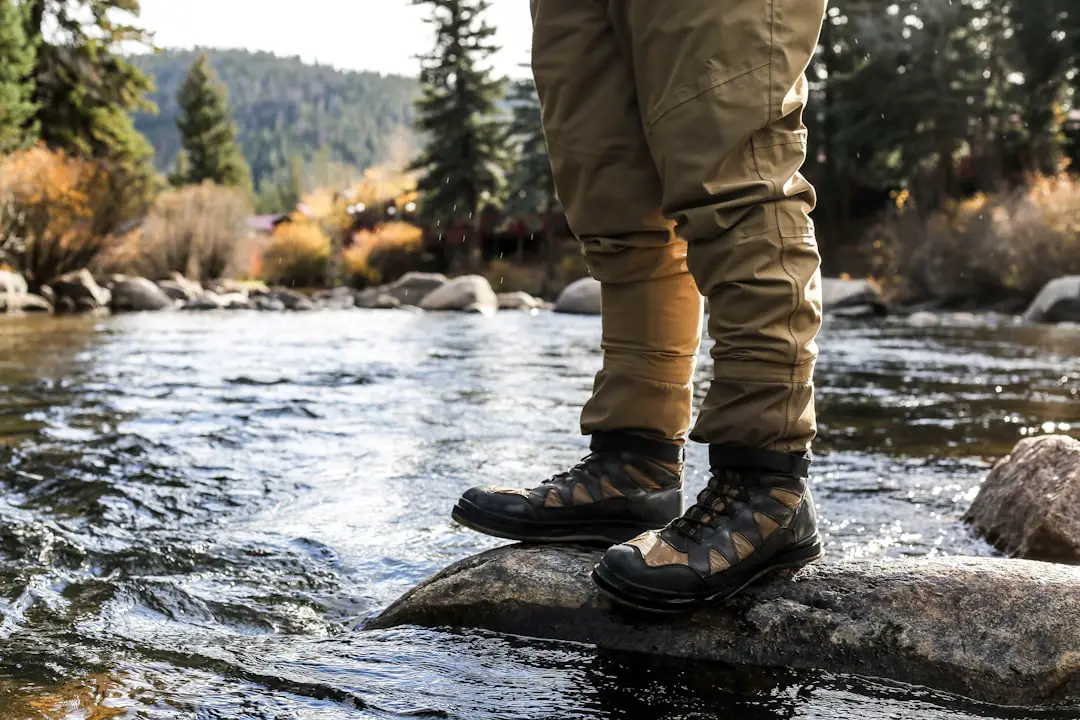
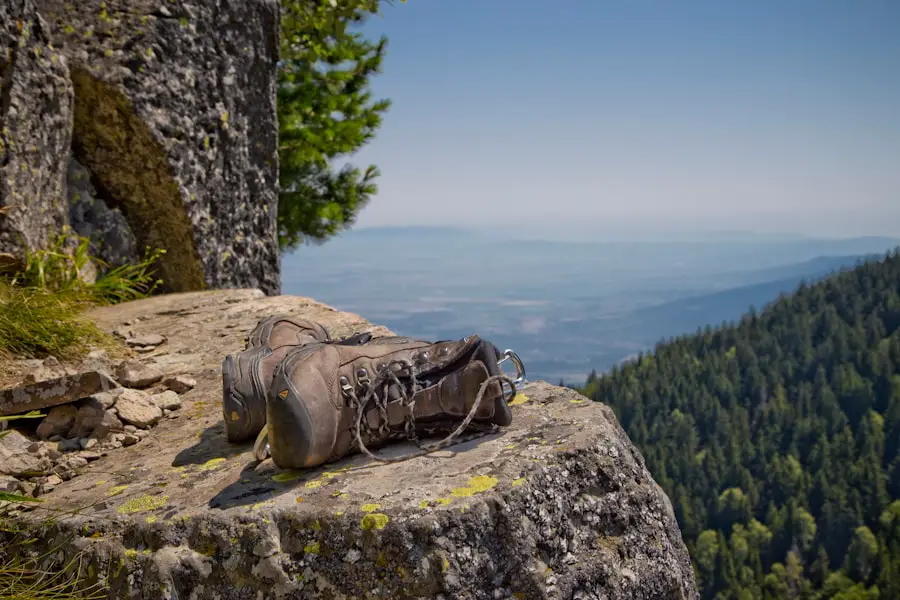
The best hiking footwear is the option that fits your foot, stays comfortable for the planned distance, and provides suitable traction and protection. Supportive boots can be useful for some hikers and terrain, but they are not automatically required for every rocky trail. Many experienced hikers prefer lighter hiking shoes or trail shoes. Test footwear on long training days instead of relying on a last-minute break-in period.
Use moisture-managing socks and stop early when you feel a hot spot. Adjust laces, dry the area, and apply your preferred blister protection before a small irritation becomes a wound. A properly fitted backpack should place most of the load comfortably around the hips while allowing free breathing and arm movement.
Choose clothing in layers: a moisture-managing base layer, insulation when needed, and a rain or wind shell suited to the forecast. Trekking poles are optional, but they may improve balance and help some hikers manage descents when used with good technique.
Prepare for Weather, Heat, Cold, and Altitude
Check the current forecast, park alerts, trail closures, fire conditions, and water availability before every major training hike and before the trip. The National Park Service recommends carrying the Ten Essentials, checking weather, planning an alternate route, and preparing for rapid changes.
Train in expected conditions when it is safe to do so. Practice layering, rain-shell access, cold hands, wet-foot management, sun protection, and slower pacing in heat. Avoid scheduling the hardest session during dangerous heat, thunderstorms, wildfire smoke, or poor visibility.
Fitness does not prevent altitude illness. If the route is much higher than your normal environment, allow time to acclimatize, reduce early effort, stay alert for symptoms, and follow local guidance. Turn around or descend when symptoms become concerning.
Learn Navigation and Emergency Skills
Remote hiking requires more than following a phone screen. Learn to read a topographic map, use a compass, understand trail junctions, and save an offline route. Carry a charged phone, but remember that coverage may be unavailable. Depending on remoteness, a satellite communicator or personal locator beacon may be appropriate.
The Ten Essentials include navigation, sun protection, insulation, illumination, first aid, fire, repair tools, food, water and treatment supplies, and emergency shelter. Tell a reliable person your route, start time, turnaround time, expected return, vehicle information, and what to do if you do not check in.
Practice basic first aid, water treatment, emergency shelter setup, and safe fire use where fires are permitted. Do not depend on finding edible wild plants. Carry extra food and avoid eating any plant or mushroom you cannot identify with expert certainty.
Build a Support Network
Training partners, local hiking clubs, and experienced hikers can provide motivation and practical feedback about routes, gear, pacing, and safety. Group hikes also let you practice communication, rest stops, pace differences, and shared decision-making.
Friends or family can support the goal even if they do not hike. Share your plan, progress, and itinerary with them. Accountability can help you stay consistent, while an outside observer may notice fatigue or overtraining that you have normalized.
Prioritize Rest, Recovery, and Injury Prevention
Training creates stress; recovery is when your body adapts. Include one or two easier or rest days each week, and avoid stacking hard hill, strength, and long-hike sessions without enough recovery. Gentle walking, mobility work, and easy cycling can be useful active recovery when they leave you feeling better rather than more tired.
Sleep, adequate food, and consistent hydration support recovery. Persistent pain, swelling, numbness, worsening blisters, a change in walking form, falling performance, or unusual fatigue should trigger a reduction in training. Seek a qualified clinician or physical therapist when symptoms do not settle or when an old injury returns.
During the final week, reduce training volume and keep movement easy. Do not try to gain fitness with a last-minute epic hike. Arriving healthy and rested is more valuable than completing one extra hard workout.
Optional Travel and Recovery Accessories
Training and trail safety come first, but a few travel accessories may help when the hike requires a flight or international trip. A universal travel adapter can keep essential electronics charged where plug types differ. A portable white noise machine or wired noise-cancelling earbuds may make pre-trip or post-hike rest easier. These are optional comforts, not substitutes for navigation, water, food, layers, first aid, or emergency shelter.
Frequently Asked Questions
What is long-distance hiking?
Long-distance hiking covers an extended route that may take one long day, several consecutive days, or weeks to months. A thru-hike specifically means completing an established long trail from one end to the other in one continuous journey or hiking season.
Why is training important for long-distance hiking?
Training improves aerobic endurance, muscular strength, foot and pack tolerance, descending control, and confidence. It also gives you time to test food, hydration, footwear, clothing, navigation, and recovery before mistakes carry greater consequences.
How long should I train for a long-distance hike?
Eight to 12 weeks works for many people who already walk regularly. Beginners, people returning from injury, and hikers preparing for high elevation, heavy packs, or repeated long days may need 12 to 16 weeks or more.
What are the key parts of hiking training?
The main components are aerobic endurance, leg and core strength, hills and descents, balance, pack practice, long hikes, occasional back-to-back days, fueling and hydration practice, recovery, and a final taper.
Do I need to run to train for hiking?
No. Running can build aerobic fitness, but brisk walking, hiking, cycling, swimming, stairs, and incline treadmill work can prepare you without running. Keep at least one weekly session specific to hiking as the trip approaches.
How can I build cardiovascular endurance?
Perform regular moderate aerobic sessions and one progressively longer hike or walk each week. Add duration gradually, keep most training at a conversational effort, and include hills after you can recover comfortably from flat sessions.
Which exercises strengthen the legs for hiking?
Step-ups, squats, reverse lunges, split squats, hip hinges, calf raises, lateral band walks, and controlled step-downs train the main muscles used for climbing, descending, and stabilizing on uneven ground.
How can I improve flexibility and mobility?
Use a short dynamic warm-up before training and gentle mobility after. Focus on the ankles, calves, hips, hamstrings, quadriceps, and upper back. Mobility should support comfortable movement, not force painful ranges.
How should I train with a loaded backpack?
Start with a light, well-fitted pack and add weight slowly. First build walking duration, then add modest load. In the final training phase, complete several hikes with the expected pack, footwear, food, and water system.
Can I train on a treadmill if I have no hills nearby?
Yes. Use incline walking, stairs, step-ups, and strength exercises to build climbing fitness. Treadmills do not fully reproduce uneven ground or descents, so add outdoor walking, balance work, and controlled step-downs when possible.
What should I do if my knees hurt during training?
Reduce the session, avoid steep descents and added pack weight, and review footwear, technique, and recent training increases. Seek medical or physical-therapy advice if pain is sharp, causes swelling, changes your walking pattern, or does not improve with rest.
Sources
- U.S. Office of Disease Prevention and Health Promotion: Physical Activity Guidelines – aerobic and muscle-strengthening guidance.
- U.S. National Park Service: Hike Smart – weather, route planning, altitude, water, food, and emergency preparation.
- Centers for Disease Control and Prevention: Heat and Athletes – pacing, hydration, and heat-illness precautions.
- National Athletic Trainers’ Association Position Statement on Fluid Replacement – individualized hydration and overdrinking risk.
- Downhill Walking Training Study – gradual downhill progression and knee-extensor adaptation.
- 2024 Backpack Load and Slope Biomechanics Study – effects of load and uphill or downhill walking on hip muscle work.

