
Last Updated on July 24, 2026 by Daniel Globe
London can fit several travel styles, but your accommodation choice changes the total more than anything else. A hostel-based trip can stay near £100 per person per day, while a private hotel room, restaurant meals, paid attractions, and taxis can push the cost far higher. The key is to budget per person, separate flights from daily spending, and leave room for price changes.
Quick Answer
Plan on about £85 to £140 per person per day for a budget London trip, £180 to £300 for a mid-range visit, and £400 or more for luxury. These 2026 planning ranges include accommodation, food, local transport, and sightseeing, but exclude flights and airport transfers. Sharing a room can reduce the per-person total.
Key Takeaways
- Treat the figures as per-person planning ranges, not fixed prices, and keep flights and airport transfers in a separate budget.
- Accommodation is usually your biggest daily cost, especially during summer, school holidays, weekends, and major events.
- Adult pay-as-you-go travel in Zones 1–2 is currently capped at £8.90 per day when you use the same Oyster card, contactless card, or device correctly.
- London has many free permanent collections, including the British Museum, National Gallery, and Tate Modern.
- Black cabs are convenient but can quickly raise your daily total, so use them selectively.
- Keep a 10% buffer for service charges, card fees, luggage storage, and other costs that are easy to miss.
What’s in This Article
- London Daily Budget at a Glance
- Budget Travel: Accommodation and Food
- Mid-Range Spending: Comfort Without Overspending
- Luxury London: Premium Hotels and Experiences
- Getting Around London: Daily Transportation Costs
- Sightseeing Costs: Paid and Free Attractions
- Hidden London Costs to Add to Your Budget
- How to Manage Your Daily Spending
- Sample Budgets for 3, 5, and 7 Days
- Frequently Asked Questions
Disclosure: As an Amazon Associate I earn from qualifying purchases. Some links on this page are affiliate links, at no extra cost to you.
London Daily Budget at a Glance
The following ranges are practical planning estimates checked in July 2026. They are not official prices, and your dates can change the result sharply. The figures assume one adult and include one night’s accommodation for each travel day. A couple sharing one room may spend less per person, while a solo traveler choosing a private room may spend more.
| Travel Style | Daily Planning Range | What It Usually Assumes |
|---|---|---|
| Budget | £85–£140 | Hostel or basic room, supermarket or low-cost meals, public transport, and mostly free attractions |
| Mid-range | £180–£300 | Private hotel room, casual restaurants, public transport, and one paid attraction or experience |
| Luxury | £400+ | Premium hotel, fine dining, taxis or private transfers, theatre seats, tours, and paid attractions |
Note: These daily figures do not include flights, travel insurance, visa costs, shopping sprees, or travel between a London airport and your accommodation.
Budget Travel: How to Save on Accommodation and Food
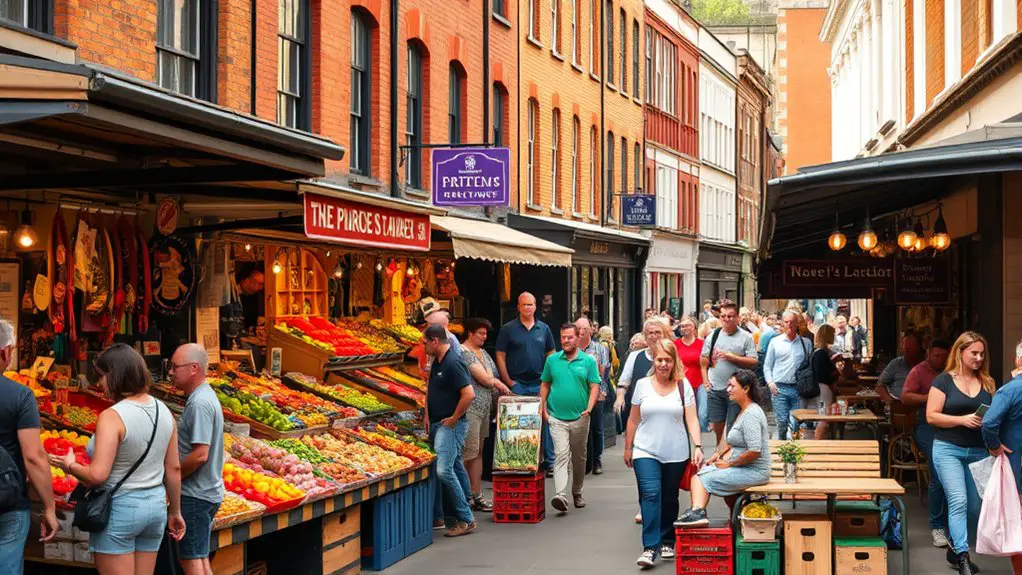
A budget of £85 to £140 per person per day is realistic when you use a hostel bed or a very basic room, eat simple meals, use public transport, and focus on free attractions. The lower end works best outside peak dates and usually requires booking accommodation early.
Compare hostels, guesthouses, university rooms, and simple hotels in more than one neighborhood. Staying outside Zones 1–2 may lower the room rate, but check the extra travel time and fare before booking. A cheaper room is not a bargain if you spend much of each day commuting.
For food, mix supermarket meal deals, bakeries, casual cafes, and one restaurant meal. Street food markets can be fun, but stalls in popular tourist areas are not always cheaper than local cafes. Check menu prices before ordering at Borough Market, Camden Market, or similar destinations.
- Choose accommodation with breakfast when the total price is competitive.
- Carry a refillable water bottle and buy snacks before entering busy tourist areas.
- Use free museums, parks, markets, and self-guided walks for most of your sightseeing.
- Reserve a small amount for one paid attraction that matters most to you.
Pro Tip: Check the restaurant bill before adding a tip. London restaurants often include a discretionary service charge, commonly around 12.5%. When it is already included, you do not need to tip again.
Mid-Range Spending: Comfort Without Overspending
A mid-range budget of about £180 to £300 per person per day gives you more privacy and flexibility. It can cover a private hotel room, casual restaurant meals, public transport, and a paid attraction or evening activity. Central hotel prices can exceed this range on busy dates, especially when you travel alone and do not share the room cost.
A balanced mid-range day might include:
- A private room in a well-connected area rather than the most expensive central streets.
- Breakfast from a cafe or included with the room.
- Oyster or contactless travel during the day.
- One paid attraction, guided experience, or theatre ticket.
- A casual sit-down dinner, with the service charge included in your food budget.
This approach gives you comfort without making every meal or activity a premium purchase. Book the items that can sell out, but keep some free time for parks, neighborhoods, and museums.
Luxury London: Premium Hotels and Experiences

A luxury London trip can easily exceed £400 per person per day. Premium hotel rooms, tasting menus, private tours, top theatre seats, shopping, and frequent taxis can raise the total quickly. At this level, the upper limit depends more on your choices than on the city itself.
Compare room-only rates with packages that include breakfast, lounge access, late checkout, or transport. A package is only better value when you will use the included benefits. For theatre, private tours, and popular restaurants, early booking usually gives you more choice, but it does not guarantee the lowest price.
Luxury spending is easiest to control when you choose two or three priority experiences and keep the rest of the trip flexible.
Add a buffer for hotel extras, drinks, gratuities, car services, and last-minute changes. These smaller charges can add a large amount over several days.
Getting Around London: Daily Transportation Costs
Public transport is the most predictable way to control your daily travel cost. Taxis, airport transfers, river services, and special transport attractions can sit outside normal fare caps, so treat them as separate expenses.
Oyster Card or Contactless: Which Should You Use?
For most adult visitors, Oyster and contactless pay-as-you-go fares are similar. Transport for London currently lists a £8.90 daily cap for adult travel in Zones 1–2. A bus or tram journey costs £1.75, with a £5.25 daily bus-and-tram cap. Always check current TfL fares before your trip because prices can change.
Use the same physical card, Oyster card, phone, or watch for every eligible journey. Do not touch in with a phone and touch out with the linked bank card, because TfL treats them as different payment methods. On buses and trams, touch in only. On the Tube and most rail services, touch in and out.
Pro Tip: Contactless is convenient when your bank does not charge foreign transaction fees. A Visitor Oyster card can be easier for travelers who want prepaid control or whose bank charges for overseas taps.
Note: Fare caps do not cover every service. Heathrow Express, Gatwick Express, London Cable Car, River Bus services, and some other journeys may be charged separately.
Public Transport and Santander Cycles
The Tube is usually fastest for longer central journeys, while buses can be cheaper and give you street-level views. Walking between nearby attractions can also save time because central stations are sometimes closer together than they look on the map.
Santander Cycles can work well for short trips. TfL currently lists a single classic-bike ride from £1.65 for up to 30 minutes and a day pass from £3.50 for unlimited rides of up to 60 minutes each. Longer rides and e-bikes cost extra.
Current Black Cab Costs
London black cabs use a meter based on time, distance, and the tariff in effect. They do not have one simple per-mile price. TfL currently lists a minimum fare of £4.20 and the following typical ranges:
- One mile: about £8.40 to £13
- Two miles: about £12.40 to £20
- Four miles: about £21 to £34
- Heathrow to central London: about £64 to £120
Traffic, waiting time, night tariffs, public holidays, and extra charges can increase the meter. Check the official TfL taxi fare page for the latest ranges.
Ride-hailing and licensed minicab prices change with demand. Compare the live quote with public transport rather than assuming an app will always be cheaper.
Warning: A few short taxi rides each day can add £40 to £100 or more to your trip. Keep taxis for luggage, late-night travel, accessibility needs, or routes where they save meaningful time.
Sightseeing Costs: Paid and Free Attractions
London’s free permanent collections make it possible to build several full sightseeing days with little or no admission cost. Paid landmarks, exhibitions, tours, and theatre tickets should be chosen separately so you can see which experiences use most of your activity budget.
Free Museums and Outdoor Attractions
The British Museum, National Gallery, and Tate Modern offer free access to their permanent collections. Booking a free timed ticket can make entry smoother at busy times, while temporary exhibitions may require payment.
Hyde Park, the South Bank, many historic streets, and neighborhood walks cost nothing to explore. The London Museum’s Smithfield site is scheduled to open on November 28, 2026. Until then, London Museum Docklands remains open with free galleries.
Note: Free admission does not mean every experience inside is free. Special exhibitions, audio guides, cloakrooms, events, and donations can add to the visit.
Priority Access: Is It Worth Paying For?
Paid priority entry can be useful at ticketed attractions when it is sold by the official venue and saves a clearly stated amount of time. At free museums, you often only need a free timed reservation or fast-track general-admission ticket. Paying a third party for “skip-the-line” access to a free permanent collection is usually unnecessary.
For major paid attractions, compare the official timed-entry price with tours and attraction passes. A pass saves money only when the included sites match your plan and the combined admission value exceeds the pass cost.
Why Attraction Prices Change
Ticket prices can vary by venue, date, time slot, age, concession status, donation option, and whether you buy online or at the gate. Some attractions use peak and off-peak pricing, while others keep one price throughout the year. Do not assume winter automatically means discounted admission.
- Check the attraction’s official website before paying a reseller.
- Compare standard admission with family, concession, and combination tickets.
- Read whether the displayed price includes an optional donation or booking fee.
- Confirm cancellation terms before choosing a cheaper non-refundable ticket.
Hidden London Costs to Add to Your Budget
A realistic London budget includes more than the four obvious categories of hotel, food, transport, and attractions. Add a separate line for the following costs:
- Airport transfers: Your route from Heathrow, Gatwick, Stansted, Luton, or London City Airport may not fit within your normal daily transport allowance.
- Restaurant service charges: A discretionary charge is often added to sit-down dining bills.
- Foreign card fees: Non-UK cards may add overseas transaction or currency-conversion charges to contactless payments.
- Luggage storage and cloakrooms: Hotels, stations, museums, and storage services may charge per item.
- Mobile data: Roaming, an eSIM, or a local SIM can create an extra trip cost.
- Booking and delivery fees: Theatre, event, and ticket platforms may add fees at checkout.
- Shopping: Souvenirs and retail purchases can quickly exceed the sightseeing budget.
London widely accepts cards and contactless payments, but carry an alternative payment method. Before using a non-UK card, check your bank’s overseas fees. Visit London’s British money guide explains common card, cash, and ATM issues for visitors.
How to Manage Your Daily Spending
Start with fixed costs, then assign a flexible amount for each day. This gives you a clear limit without forcing you to track every small purchase while sightseeing.
- Price accommodation first. Divide the full room cost by the number of travelers sharing it.
- Add a daily food target. Include breakfast, drinks, snacks, dinner, and service charges.
- Choose a transport method. Use the relevant TfL cap as your baseline, then add airport transfers, taxis, or river travel separately.
- List paid attractions. Spread expensive sights across the trip instead of treating every day as identical.
- Add a 10% buffer. Use it for small fees, price changes, or an unplanned activity.
Check your spending each evening and move unused money to a later day. Group nearby attractions together to reduce extra journeys. A free museum day can also balance a theatre or premium-tour day.
Sample Budgets for 3, 5, and 7 Days
These totals multiply the daily planning ranges above. They assume the same number of days and nights, exclude flights and airport transfers, and do not include major shopping.
| Trip Length | Budget | Mid-range | Luxury |
|---|---|---|---|
| 3 days / 3 nights | £255–£420 | £540–£900 | £1,200+ |
| 5 days / 5 nights | £425–£700 | £900–£1,500 | £2,000+ |
| 7 days / 7 nights | £595–£980 | £1,260–£2,100 | £2,800+ |
Frequently Asked Questions
Is £100 a day enough for London?
It can be enough for one person with a hostel bed, simple meals, public transport, and mostly free attractions. It is much harder if you want a private central hotel room, several restaurant meals, or paid attractions every day.
Do these London daily budgets include flights?
No. The daily ranges cover accommodation, food, local transport, sightseeing, and ordinary trip expenses. Add flights, insurance, visa costs, and airport transfers separately because they vary widely by origin and travel date.
Is Oyster or contactless cheaper for visitors?
Adult pay-as-you-go fares and caps are generally similar. Contactless is convenient when your bank does not charge overseas fees. Oyster gives you prepaid control and may suit travelers who prefer not to use a bank card. Whichever method you choose, use the same card or device for every journey.
Which major London attractions are free?
The permanent collections at the British Museum, National Gallery, and Tate Modern are free. London Museum Docklands also has free galleries. Special exhibitions and some events may require a ticket, and a free timed reservation can help at busy museums.
How much should you budget for souvenirs and shopping?
A routine allowance of £10 to £20 per day can cover small souvenirs. For a dedicated shopping day, £50 to £100 is a more useful starting point, but fashion, department-store purchases, and luxury goods can raise the total far beyond that range.
What do guided tours usually cost in London?
Many group walking tours and museum experiences fall around £15 to £50 per person, while private or specialist tours can cost much more. Free walking tours normally expect a tip. Check the live price, group size, duration, and admission inclusions before booking.
How can you save money on food in central London?
Use supermarket meal deals, bakeries, casual cafes, and lunch specials. Check prices at popular markets rather than assuming every stall is cheap. Booking accommodation with a useful breakfast can also lower the day’s food total.
Do you need cash in London?
Most hotels, restaurants, shops, and transport services accept cards or contactless payments, and some businesses are cash-free. Carry a backup card or a small amount of cash, and check whether your bank charges foreign transaction or ATM fees.
Conclusion
A realistic London budget starts at about £85 to £140 per person per day for a careful budget trip, rises to roughly £180 to £300 for mid-range comfort, and can exceed £400 for luxury. Keep flights and airport travel separate, use TfL fare caps correctly, mix free attractions with selected paid experiences, and add a buffer for fees. That structure gives you a plan that can survive real London prices without removing the experiences you care about.
Sources
- Transport for London: Fares — Oyster, contactless, pay-as-you-go fares, and fare caps.
- Transport for London: Taxi Fares — current black-cab minimum and typical journey ranges.
- Transport for London: Santander Cycles Pricing — single-ride, day-pass, and extra-time charges.
- British Museum: Visit — free permanent collection and timed-entry guidance.
- National Gallery: Plan Your Visit — free general admission and paid exhibitions.
- London Museum: Visit — Docklands free entry and the Smithfield opening date.
