
Last Updated on July 27, 2026 by Daniel Globe
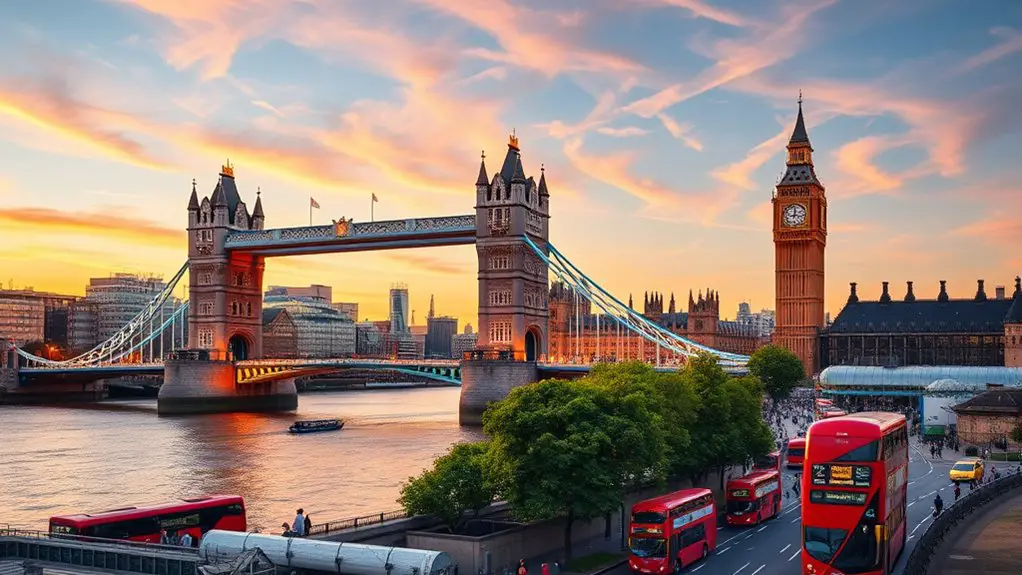
Planning a two-day trip to London can feel overwhelming because the city has far more landmarks, museums, markets, and neighborhoods than you can realistically cover in 48 hours. The key is not to see everything. It is to group nearby sights, choose a few priorities, and leave enough time to enjoy them. This two-day London itinerary balances historic landmarks, major museums, local food, a West End evening, and flexible neighborhood choices without sending you back and forth across the city.
Quick Answer
Spend Day 1 around Westminster, Trafalgar Square, the British Museum and the West End. Use Day 2 for the Tower of London, Tower Bridge, Bankside and one neighborhood such as Borough Market, Camden or Notting Hill. Book major attractions ahead, check Changing the Guard dates, and use contactless or Oyster for transport.
Key Takeaways
- Group sights by area instead of crisscrossing London throughout the day.
- Give major attractions enough time: the Tower of London alone can take two to three hours.
- Treat Camden, Notting Hill and Borough Market as alternatives; trying to visit all three in one afternoon wastes valuable sightseeing time.
- Changing of the Guard is schedule-dependent, so confirm the official calendar before building a morning around it.
- Use the same contactless card or device for each journey, and give every traveler a separate payment method.
At a Glance
| Time Required | Two full days; roughly 8–10 active sightseeing hours per day |
| Difficulty | Moderate; expect substantial walking plus Tube or bus journeys |
| Tools Needed | Contactless card/device or Oyster, TfL journey planner, comfortable shoes, charged phone, and advance tickets for priority attractions |
| Cost | Variable. Several major museums are free, while historic attractions, theatre, food and observation decks can raise the total quickly. |
Disclosure: As an Amazon Associate I earn from qualifying purchases. Some links on this page are affiliate links, at no extra cost to you.
Day 1 Morning: Westminster and Historic Landmarks
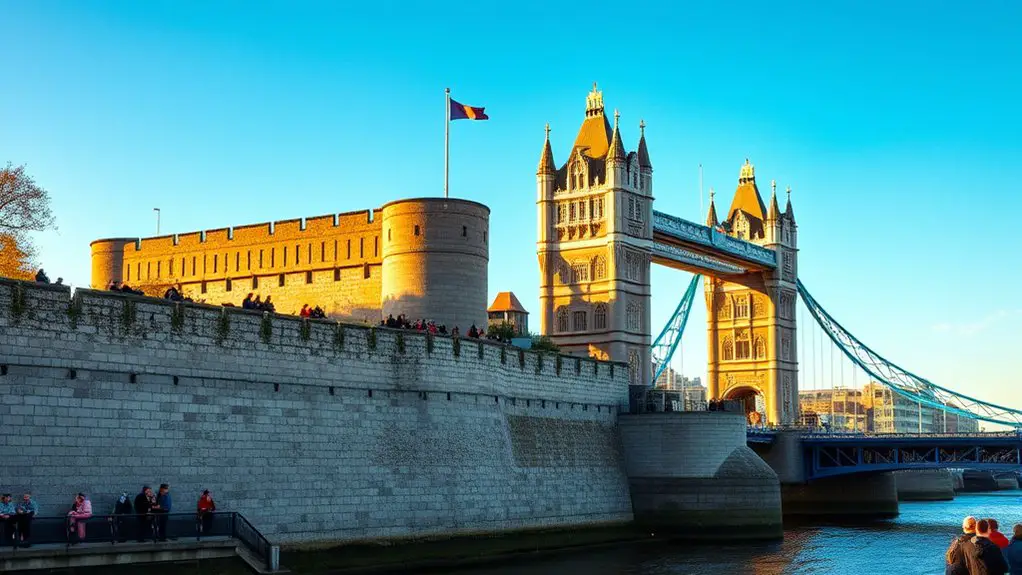
Begin your first morning in Westminster, where several of London’s best-known historic sights sit within an easy walk of one another. This is more efficient than starting at the Tower of London and immediately crossing the city to Westminster.
If you want to tour the interior, start at Westminster Abbey near opening time. The Abbey has served as Britain’s coronation church since 1066 and remains a working church, so visitor hours can change for services and special events.
Afterward, walk to the Houses of Parliament and see Big Ben, the famous bell housed in the Elizabeth Tower. Cross Westminster Bridge if you want a classic view back toward Parliament and the Thames.
Continue through Parliament Square and toward St James’s Park and Buckingham Palace. The park gives you a pleasant break from traffic before you reach the palace gates.
Warning: Do not assume Changing of the Guard happens every morning. The Household Division publishes the official schedule, and ceremonies can also change because of weather, operational requirements or major events.
Save the Tower of London and Tower Bridge for Day 2. Both are in east-central London, and visiting them together avoids an unnecessary cross-city journey during your first morning.
Pro Tip: For a 48-hour trip, choose one major paid historic interior each morning rather than trying to fully tour several. You will remember more and spend less time waiting in security and ticket queues.
Day 1 Afternoon: Museums and Cultural Hotspots
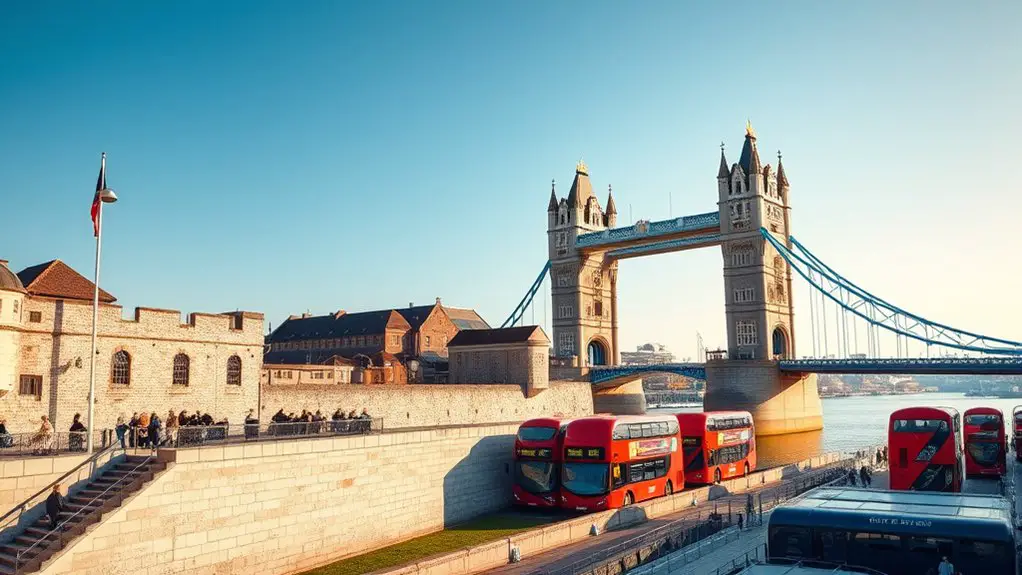
After Westminster, move toward Trafalgar Square and Bloomsbury for an afternoon of art and history. The original plan tried to fit the British Museum, National Gallery and Tate Modern into a single afternoon, but properly visiting all three would feel rushed.
Start with the National Gallery on Trafalgar Square if European painting interests you. Its collection includes works associated with artists such as Leonardo da Vinci, Monet and Van Gogh, and general admission is free. A focused highlights visit of about an hour is enough for a short itinerary.
Then head to the British Museum. The permanent collection is free, and the museum recommends booking a free timed ticket in advance for easier entry during busy periods. Highlights include the Rosetta Stone, Egyptian collections and objects spanning thousands of years of human history.
Rather than trying to see every gallery, select two or three sections that interest you most. Even a 90-minute visit can be rewarding when you arrive with a plan.
Note: The British Museum uses security and bag checks and does not permit wheeled suitcases or larger bags. Leave travel luggage at your accommodation or an appropriate luggage-storage facility before sightseeing.
Keep Tate Modern for Day 2, when you will already be near Bankside, the Millennium Bridge and St Paul’s Cathedral. Tate Modern occupies the former Bankside Power Station, making it a natural addition to a Thames-side route rather than a separate cross-city detour.
Day 1 Evening: Enjoying the West End and Thames Views
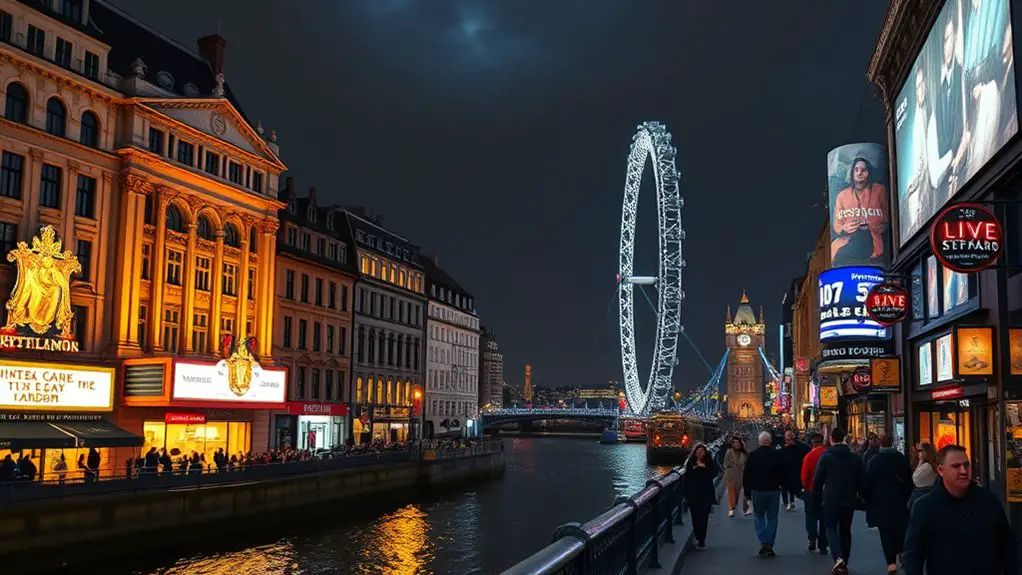
As evening arrives, make the West End your main destination. Shaftesbury Avenue, Leicester Square, Soho and Covent Garden are close enough to combine without spending much of the night on public transport.
If a West End production is high on your list, book the show before your trip. Popular musicals and plays can sell out, especially on weekends and during school holidays.
Before or after the performance, stroll along Shaftesbury Avenue and through the surrounding theatre district. The illuminated signs, restaurants and busy streets give this part of London a very different atmosphere from the historic areas you explored earlier.
If you still have energy after the show, head toward Embankment or Waterloo for a short Thames walk. From the Westminster section of the river you can enjoy nighttime views of the London Eye, Big Ben and the Houses of Parliament.
Tower Bridge is much farther east, so save its illuminated river views for Day 2 rather than trying to squeeze it into the same late-night walk.
With only 48 hours in London, good geography matters more than the number of attractions on your checklist.
Day 2 Morning: Tower of London and a Royal Alternative
Start Day 2 in the City of London at the Tower of London. This keeps one of your largest sightseeing commitments separate from Westminster and gives you enough time to enjoy it properly.
The Tower of London contains the Crown Jewels, the White Tower, battlements and centuries of royal and military history. Historic Royal Palaces recommends allowing roughly two to three hours for the best experience, so arriving near opening time is worthwhile.
When you finish, walk toward Tower Bridge. You can admire the bridge from river level for free or buy admission to its exhibition and high-level walkways if that experience is a priority.
From here, continue west along the Thames or cross toward London Bridge and Bankside. This route naturally leads toward Borough Market, Tate Modern, the Millennium Bridge and views of St Paul’s Cathedral.
Royal Alternative: Buckingham Palace
If royal traditions matter more to you than the Tower, use this morning as an alternative Buckingham Palace block instead. Check the official Changing of the Guard schedule first and arrive well before the ceremony if it is taking place.
You can also visit the Royal Mews or The King’s Gallery, Buckingham Palace. The venue formerly known as the Queen’s Gallery now uses The King’s Gallery name. Buckingham Palace State Rooms are seasonal, while the Royal Mews and gallery have their own tickets and visitor schedules.
There is no need to return to the British Museum on this morning if you followed the Day 1 itinerary. Avoiding repeated attractions gives you more time for neighborhoods and the river later in the day.
Day 2 Afternoon: Neighborhoods and Local Flavors
Use the afternoon to experience one side of London beyond the major monuments. Camden Market, Notting Hill and Borough Market are all worthwhile, but they are not close enough to treat as one efficient walking route.
Choose one of the following three areas. Borough Market works best with the Tower/Bankside route, Camden is ideal for alternative shopping and street food, and Notting Hill suits travelers who prefer picturesque streets, cafés and Portobello Road.
Camden Market Stroll
Camden is a lively option if you enjoy independent shops, alternative fashion, vintage pieces, crafts and international food. Wander around Camden Market before crossing into Hawley Wharf and the canal-side area.
Older visitor guides sometimes divide the area into terms such as “Indoor Market” and “Canal Market.” Current Camden Market visitor information instead highlights the main Camden Market complex and Hawley Wharf, alongside numerous independent traders whose opening times can vary.
Street performers, murals, music shops and the Regent’s Canal add to the neighborhood’s character, so leave enough time to wander rather than treating the market as a single building.
| Area | Best For |
|---|---|
| Camden Market | Independent shops, crafts, fashion and food |
| Hawley Wharf | Food halls, retail and canal-side atmosphere |
| Regent’s Canal area | Walking, people-watching and a break from the busiest stalls |
Notting Hill Charm
Choose Notting Hill if colorful architecture, cafés and slower neighborhood wandering appeal to you more than a large market complex.
Walk along Portobello Road, where antiques, vintage clothing, produce, small shops and market stalls create a different experience depending on the day of the week. The busiest market days offer the greatest range, so check current trading information before making the market your main reason for visiting.
Beyond Portobello Road, explore the residential side streets and pastel-painted townhouses that give Notting Hill its postcard look. Be considerate around private homes and avoid blocking doorways while taking photographs.
Pause for coffee or a relaxed snack rather than trying to fill the afternoon with additional cross-city attractions. Notting Hill works best when you allow time to wander.
Borough Market Bites
Borough Market is the easiest option if you followed the Tower of London and Tower Bridge route because it sits beside London Bridge and close to Bankside.
The market is known for produce, cheeses, baked goods, specialty ingredients and prepared food from Britain and around the world. Instead of trying several full meals, share smaller dishes or pick one lunch so you still have energy for the riverside walk.
After eating, continue toward Shakespeare’s Globe and Tate Modern. From Tate Modern, the Millennium Bridge leads directly across the Thames toward St Paul’s Cathedral, bringing several sights from the original itinerary together in one compact route.
This is also a good opportunity to visit Tate Modern if modern and contemporary art interests you. Its permanent collection provides a useful contrast to the British Museum and National Gallery from Day 1.
Day 2 Evening: Sunset Spots and Nightlife
For your final evening, choose a sunset viewpoint that fits the neighborhood you selected during the afternoon. London is large enough that traveling across the entire city solely for a sunset can consume the best part of the evening.
Best Sunset Viewpoints
Primrose Hill works especially well after Camden. The hill provides broad views across central London and gives you a quieter finish after the busy market streets.
The South Bank is easiest after Borough Market or Bankside. Walk beside the Thames as daylight fades and watch the skyline illuminate gradually.
The View from The Shard is a paid option near London Bridge. It works particularly well if you already chose Borough Market because you do not need another cross-city journey.
Greenwich Park provides sweeping views toward Canary Wharf and central London, but it is a significant detour from Camden or Notting Hill. Treat Greenwich as its own destination rather than a quick add-on.
Another central option is Sky Garden, where free public-access slots are available during designated hours. Reservations can fill quickly, so do not rely on getting a last-minute sunset slot.
Iconic Nighttime Landmarks
London’s major landmarks look very different after dark. Tower Bridge is particularly striking when illuminated, and Day 2 gives you a natural opportunity to see it from the river rather than traveling back east after a West End show.
Along the central Thames, the London Eye, Houses of Parliament and Big Ben create some of the most recognizable nighttime views in the city.
Farther east, St Paul’s Cathedral and the modern City skyline add another contrast. Millennium Bridge and the Bankside river path provide good places to see this section of London on foot.
Trendy Evening Venues
Your final stop should match the kind of evening you actually enjoy. London has everything from jazz clubs to large dance venues and rooftop viewpoints, so there is little value in forcing a nightlife style that does not suit you.
| Venue Type | Current Examples |
|---|---|
| Skyline Views | Sky Garden or The View from The Shard |
| Jazz | Ronnie Scott’s in Soho |
| Clubbing | fabric |
| Shoreditch Pub / Live Music | The Old Blue Last or Queen of Hoxton |
| Theatre | West End venues around Soho, Covent Garden and Leicester Square |
Nightlife changes faster than historic attractions, so check each venue’s current event calendar before traveling across London for a specific performance. Older recommendations for 100 Wardour Street should no longer be relied on because that venue has closed.
Tips for Navigating London Efficiently
London’s public transportation system makes this itinerary possible, but a few habits can save both time and money.
Transport for London recommends pay as you go with contactless or Oyster as an easy option for visitors. Use the same card or device when touching in and out so the system can calculate the correct fare and apply capping.
As of 2026, the adult pay-as-you-go daily cap for Zones 1–2 is £8.90. Most attractions in this itinerary are within those central zones, although journeys to airports or places farther out can cost more.
Each traveler needs a separate contactless card, device or Oyster card. Two people cannot simultaneously travel using the same contactless payment card.
- Use TfL Go or the TfL Journey Planner to check routes and live disruptions.
- Walk between nearby sights rather than automatically taking the Tube for every short journey.
- Keep Day 1 mostly around Westminster, Trafalgar Square, Bloomsbury and the West End.
- Keep Day 2 focused on the Tower, London Bridge, Bankside and one additional neighborhood.
- Avoid the busiest commuting periods when practical, particularly if you are carrying bags or traveling with children.
- Use step-free journey filters if stairs or escalators are difficult for anyone in your group.
Note: Attraction schedules matter as much as geography. Westminster Abbey is a working church, Buckingham Palace sites have seasonal or event-dependent hours, guard ceremonies follow a calendar, and markets can have different trading patterns by day. Check official pages shortly before your visit.
Packing Essentials and Travel Tips
For two busy sightseeing days, pack lightly. You will spend a great deal of time walking, standing in galleries and moving through stations, so every unnecessary item becomes something you have to carry around London.
| Essential | Why It Matters | Tip |
|---|---|---|
| Comfortable Shoes | Long walks and station corridors add up quickly | Wear a pair you have already broken in |
| Light Rain Layer | London weather can change during the day | A compact waterproof jacket is easier to carry than bulky outerwear |
| Phone Charger / Power Bank | Maps, tickets and transport information depend heavily on your phone | Charge everything fully before leaving each morning |
| Reusable Water Bottle | Full sightseeing days involve substantial walking | Refill where facilities are available |
| Small Backpack or Day Bag | Keeps essentials together without burdening you | Keep valuables zipped and close to you in crowded areas |
| Tickets and ID | Some attractions use timed tickets or may request identification | Save offline copies of important booking confirmations |
Check the weather forecast the night before each sightseeing day and adjust the sequence if necessary. Museums such as the British Museum, National Gallery and Tate Modern make excellent rainy-day anchors, while parks and viewpoints are more enjoyable when visibility is good.
Frequently Asked Questions
What is the best time of year to visit London for two days?
London works year-round. Late spring and early autumn often offer a useful balance of mild weather and fewer peak-summer crowds. Summer has longer daylight and more outdoor events but is busier, while winter brings shorter days and colder weather but can offer quieter sightseeing outside the Christmas period.
Are there hidden gems beyond the typical London itinerary?
Yes. Sir John Soane’s Museum, Postman’s Park and smaller neighborhood streets can add personality to a trip. With only 48 hours, however, add one hidden gem rather than sacrificing the major sight you most wanted to see.
How can I get around London quickly during a short trip?
Combine walking with the Tube, buses and other TfL services. Pay as you go with contactless or Oyster is convenient, and TfL Go can show live routes and disruptions. Walking is often faster between closely grouped central sights, especially around Westminster, Trafalgar Square and the South Bank.
Which London attractions are best for families or children?
The Natural History Museum and Science Museum are popular family choices, while London Zoo can fill a larger part of the day. The Tower of London is also engaging for many school-age children because its history is tied to castles, kings, prisoners, armor and the Crown Jewels. For a two-day visit, substitute one family attraction rather than simply adding it to an already full schedule.
Are there local events or festivals during my visit?
London has exhibitions, theatre, concerts, sports and seasonal festivals throughout the year. Check your exact travel dates before finalizing the evening portions of the itinerary because major events can affect ticket availability, crowds, public transportation and opening hours.
Which London attractions should I book in advance?
Prioritize advance booking for the Tower of London, Westminster Abbey, popular West End shows, paid observation decks and seasonal Buckingham Palace visits. The British Museum is free for its permanent collection but recommends reserving a free timed ticket during busy periods.
Can I follow this itinerary on a Sunday or Monday?
Yes, but adjust individual stops. Westminster Abbey is primarily open for worship rather than general sightseeing on Sundays, markets can follow different trading schedules, and Changing of the Guard depends on the official calendar. Check each priority attraction for your exact dates before locking in the route.
Sources
- Transport for London — Best ways for visitors to pay — contactless, Oyster and pay-as-you-go travel guidance.
- Historic Royal Palaces — Tower of London visitor information — tickets, visitor planning, Crown Jewels and current access information.
- Westminster Abbey — Visit us — visitor hours, working-church information and trip planning.
- The Household Division — Changing the Guard calendar — official ceremony dates and times.
- Royal Collection Trust — The King’s Gallery, Buckingham Palace — current royal-gallery name and visitor information.
- British Museum — Plan your visit — free permanent collection, timed booking and security information.
Conclusion
Two days in London is enough to experience an impressive mix of royal history, major museums, riverside landmarks, food and nightlife, but only when you resist the urge to see everything. Spend Day 1 around Westminster, central museums and the West End, then use Day 2 for the Tower, Tower Bridge, Bankside and one neighborhood that matches your interests. Book your priority attractions, check schedules shortly before traveling, wear comfortable shoes and leave room for an unexpected café, street or view that catches your attention. A well-paced 48 hours will give you a much better introduction to London than a rushed checklist ever could.
