
Last Updated on July 28, 2026 by Daniel Globe
Tate Modern is large, free to enter, and one of London’s busiest cultural attractions. A completely crowd-free visit is unlikely, but good timing can give you quieter galleries, faster security checks, and more space around popular works. The most reliable strategy is to visit near opening or during the final two hours and avoid major holiday periods.
Quick Answer
The best time to visit Tate Modern is shortly after it opens at 10:00 or during the final two hours of the day. Choose a non-holiday weekday for the best chance of lighter crowds. General admission is free, while major temporary exhibitions usually need a separate ticket and advance booking.
Key Takeaways
- Tate says the gallery is quietest near the start and end of the day.
- A Tuesday, Wednesday, or Thursday outside school and public holidays is a practical choice, although Tate does not publish a day-by-day crowd calendar.
- The free collection does not require an admission ticket, but popular temporary exhibitions should be booked ahead.
- Tate Modern opens 10:00–18:00 Sunday to Thursday and 10:00–21:00 Friday and Saturday.
- Bring a small bag. All bags are checked, oversized luggage is prohibited, and the former Level 0 cloakroom has closed.
Disclosure: As an Amazon Associate I earn from qualifying purchases. Some links on this page are affiliate links, at no extra cost to you.
Best Months for a Crowd-Free Visit
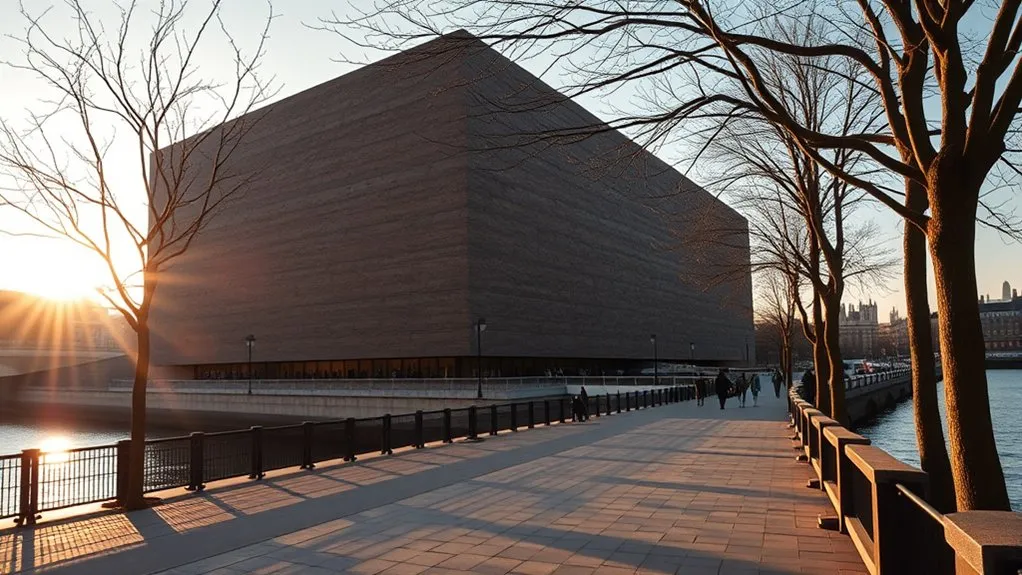
Tate does not publish an official monthly crowd calendar, so no month can guarantee an empty gallery. However, late autumn and winter outside the Christmas period can be practical choices because London generally receives fewer leisure visitors than during the summer peak.
November, January, and February are reasonable months to consider. Avoid the days around Christmas, New Year, school half-term breaks, and the final weeks of a headline exhibition. Those periods can bring families, tourists, and visitors making a last attempt to see a closing show.
Spring and early autumn offer a useful compromise. The weather is often more comfortable for a walk along the Thames, while crowds may be easier to manage than during the busiest summer weekends.
Pro Tip: Do not choose a date by season alone. Check the closing date of any major exhibition you want to see. Its final two weekends may be busy even during an otherwise quiet month.
Ideal Days of the Week to Visit
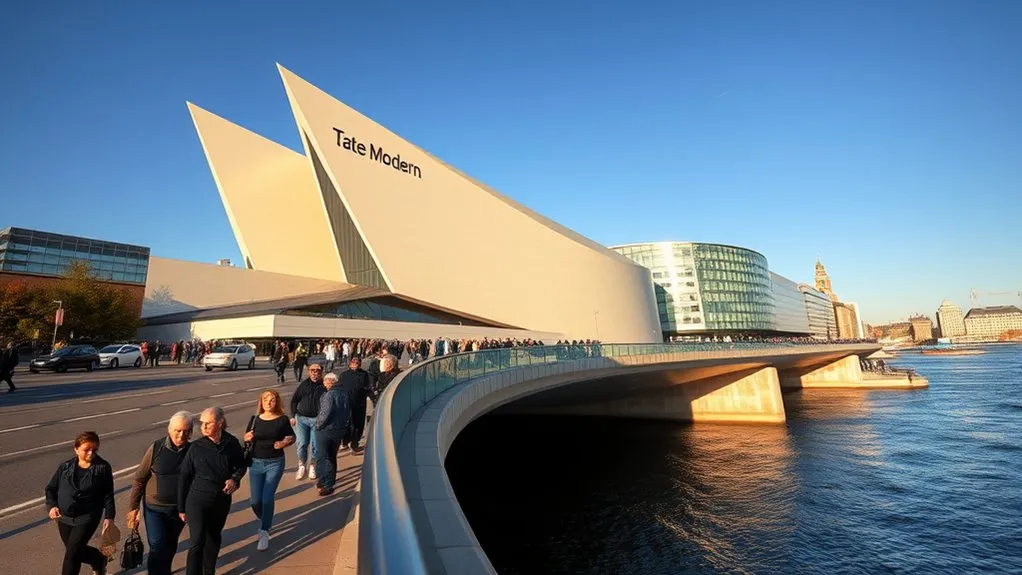
A non-holiday weekday is usually the safest choice for a calmer visit. Tuesday through Thursday are practical options because they avoid the weekend surge and are less likely to connect with a three-day holiday weekend.
Why Weekday Visits Are Preferable
Weekday mornings often have fewer family groups and leisure visitors than Saturday or Sunday. School and tour groups can still be present, so arriving early remains more important than choosing one specific weekday.
The strongest official guidance comes from Tate’s visual visitor guide, which says the gallery is quietest at the start and end of the day. Tate does not identify Tuesday, Wednesday, or Thursday as guaranteed quiet days.
When to Avoid Weekend Crowds
Saturday and Sunday afternoons are the least dependable times for a peaceful visit. Families, tourists, special-event visitors, and exhibition ticket holders may all arrive around the middle of the day.
Friday and Saturday have one advantage: Tate Modern remains open until 21:00. The final two hours can be calmer than the afternoon, but check the Tate Modern events calendar first. A Tate Modern Late, private view, film, talk, or exhibition event can increase evening attendance.
The most dependable crowd-avoidance rule is simple: visit near opening or near closing rather than relying on a particular month or weekday.
How to Plan a Quieter Tate Modern Visit
A little preparation can reduce waiting and help you reach popular rooms before they fill up.
- Arrive around 9:45. You will be ready to enter when the doors open at 10:00, although security checks may still create a short wait.
- Carry as little as possible. A visitor without a large bag is easier to process than someone carrying several items.
- Visit your priority area first. If you have a ticketed exhibition, book its earliest available entry. Otherwise, go directly to the collection rooms you most want to see.
- Avoid the lunch peak. Cafés and shared spaces can become noisier from about noon. Eat early, eat later, or leave the building for lunch and return.
- Use the final two hours as a backup. Late afternoon on a weekday or after 19:00 on Friday and Saturday can work well when an opening-time visit is not possible.
How Long to Spend at Tate Modern
Your visit length depends on how much art you want to see:
- 60–90 minutes: Turbine Hall and a focused selection of free collection rooms.
- Two to three hours: A broader visit covering several collection displays, the Tanks, shops, and a short break.
- Three to four hours: The free collection plus one major temporary exhibition.
- Half a day: A slow visit with a temporary exhibition, food, Level 10, and time to revisit favorite works.
These are planning estimates rather than Tate-set visit limits. Visitors to the free collection can generally choose their own pace during opening hours.
When to Catch Special Exhibitions and Events
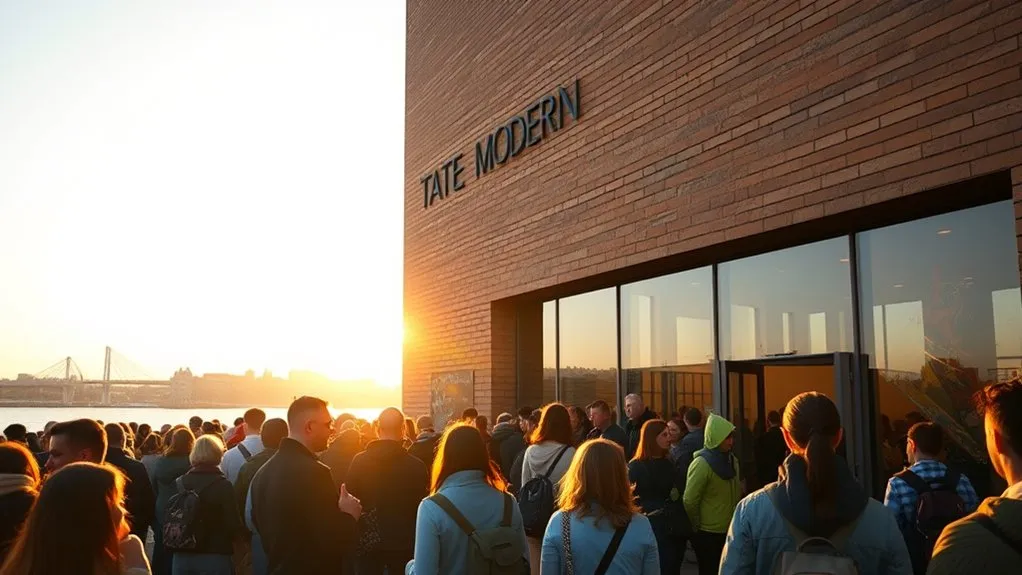
Major temporary exhibitions create their own crowd patterns. Opening weekends, school holidays, special-event evenings, and the final weeks of a popular show may be much busier than the rest of its run.
Current Major Exhibitions Checked July 28, 2026
- Tracey Emin — through August 31, 2026.
- Frida: The Making of an Icon — through January 3, 2027.
- Ana Mendieta — through January 17, 2027.
- Julio Le Parc: Light. Colour. Action. — through May 3, 2027.
Note: Exhibition schedules, room closures, prices, and available entry times can change. Recheck Tate’s official listing shortly before your visit rather than relying on an older travel guide.
Exhibition Booking Strategy
Book a weekday morning ticket when a popular exhibition is your main reason for visiting. Advance booking gives you a better choice of times, although it does not remove the building’s general security check.
Do not wait until the final weekend unless necessary. Closing periods may attract visitors who postponed the exhibition earlier in its run. Selected exhibitions also offer relaxed hours, often on the third Tuesday of the month, for disabled or neurodivergent visitors and others with sensory needs.
Visiting During Holiday Seasons
Tate Modern is normally open throughout the year except December 24, 25, and 26. Under its regular schedule, it reopens on December 27 rather than remaining closed until January 1.
Public holidays, the Christmas and New Year travel period, Easter, and school half-terms can increase attendance. If you are planning a wider holiday-period itinerary, make Tate Modern your first indoor attraction of the day instead of arriving after lunch.
Note: The permanent collection does not normally require a timed admission ticket. However, arriving at opening does not bypass bag checks, temporary closures, or separate ticket rules for exhibitions and events.
Level 10 Skyline Views: What to Expect
Older guides often describe a free open-air Level 10 viewing terrace with a 360-degree panorama. That information should no longer be used to plan a visit.
Tate’s current Level 10 page describes a top-floor food-and-drink venue with views of London’s skyline. Its listed hours match Tate Modern’s main schedule: 10:00–18:00 Sunday to Thursday and 10:00–21:00 Friday and Saturday.
You can still enjoy views toward the Thames and St Paul’s Cathedral, but do not build your itinerary around the former outdoor viewing platform or old last-admission times. Access can also be affected by venue operations, private bookings, or temporary closures.
Warning: Travel articles that list a 17:30 terrace closing time, a 22:00 weekend terrace closing time, or guaranteed access to a 360-degree open platform are outdated.
Security, Bags, and Entrances
All visitors may be subject to security screening, and Tate states that bags are checked on arrival. Allow extra time even when visiting the free collection.
Bags and other items larger than cabin-bag size—55 × 40 × 20 cm—are not permitted inside. The former cloakroom in the Natalie Bell Building on Level 0 has closed, so Tate Modern should not be treated as a luggage-storage stop.
- Bring only a small backpack, handbag, or day bag.
- Do not arrive with a suitcase or oversized travel pack.
- Keep tickets and your phone ready before reaching the entrance.
- Arrive several minutes before your exhibition time to allow for screening.
All Tate Modern entrances are step-free. Visitors can enter through the Turbine Hall, the Natalie Bell Building entrance on Holland Street, or the Blavatnik Building entrance, subject to current access arrangements.
Less Busy Times for Guided Tours and Workshops
Tour, talk, film, workshop, and performance schedules change throughout the year. Some are free, while others need a separate reservation or ticket. Capacity can be limited even when general gallery admission is free.
For the best choice, check the event calendar before your visit and reserve any required place. A weekday morning session may fit well with a quieter gallery visit, but Tate does not publish evidence that all midweek tours have smaller groups.
Visitors who need a lower-sensory setting should look for official Relaxed Hours. Selected exhibitions currently schedule these sessions at 10:00–11:00 on the third Tuesday of the month.
What’s Free and What’s Ticketed
Entry to Tate Modern and its permanent collection is free. You do not normally need to reserve a general-admission time to enter the free galleries, Turbine Hall, or collection displays.
Major temporary exhibitions are separate. They usually have their own dates, prices, and entry arrangements. Advance booking is recommended for popular shows, weekends, holidays, and the final weeks of an exhibition.
Current discounts include:
- Visitors aged 16–25 can join Tate Collective for access to £5 exhibition tickets.
- Up to four children aged 11 and under can enter an exhibition free with a paying parent or guardian, subject to the exhibition’s current terms.
- Tate Members receive free exhibition entry and can usually arrive without booking, using their membership card.
Adult prices vary by exhibition. Check the exact show page rather than relying on a general price range from an older article.
Accessibility and Sensory-Friendly Visits
All public entrances are step-free, and accessible toilets are available throughout the building. A quiet room is available in the Natalie Bell Building on Level 4, although its location or availability may be affected by gallery work.
Ear defenders can be borrowed from ticket desks. Tate also provides a visual story and gallery map to help visitors understand entrances, lifts, toilets, seating, cafés, security checks, and the connection between the Natalie Bell and Blavatnik buildings.
Pro Tip: A relaxed-hour exhibition session may provide a more predictable experience than simply choosing a quiet-looking weekday. Check the accessibility section on the individual exhibition page before booking.
Planning Around Weather and Seasonal Atmosphere
Tate Modern is mainly an indoor attraction, which makes it useful during rain, winter cold, or summer heat. Poor weather can also push more people indoors, so a rainy weekday afternoon is not guaranteed to be quiet.
Winter brings shorter daylight hours, while spring and summer give you more time for the South Bank, Millennium Bridge, Shakespeare’s Globe, or Borough Market before or after the gallery. Check the Met Office London forecast before deciding whether to combine Tate Modern with a long riverside walk.
On wet days, travel with a compact umbrella and a small waterproof bag rather than bulky luggage. During hot weather, the indoor galleries may be more comfortable than the exposed river walk, but shared spaces and cafés can become busy.
Frequently Asked Questions
What is the quietest time to visit Tate Modern?
Tate says the gallery is quietest near the start and end of the day. Arrive shortly before the 10:00 opening or visit during the final two hours. A non-holiday weekday gives you a better chance of avoiding peak leisure crowds.
Do I need to book free entry to Tate Modern?
You do not normally need to book general admission for the free permanent collection. Major temporary exhibitions, films, workshops, talks, and other limited-capacity events may require separate tickets.
How can I avoid long security lines?
Arrive near opening or during the final two hours and bring as little as possible. All bags may be checked. Do not bring items larger than 55 × 40 × 20 cm, and remember that the former Level 0 cloakroom has closed.
What are Tate Modern’s opening hours?
Tate Modern is open 10:00–18:00 Sunday through Thursday and 10:00–21:00 Friday and Saturday. It is normally closed on December 24, 25, and 26.
Are weekends always busy?
Weekends are a less dependable choice for a quiet visit, especially around midday, school holidays, and major exhibition closing dates. Friday and Saturday evenings can be calmer, but a Tate Modern Late or special event may increase attendance.
Is the Level 10 viewing terrace open?
Do not rely on older descriptions of a free open-air 360-degree terrace. Tate’s current information describes Level 10 as a food-and-drink venue with skyline views and lists the same opening hours as the main gallery.
How long should I spend at Tate Modern?
Allow 60–90 minutes for selected highlights, two to three hours for a broader free-gallery visit, or three to four hours when adding a major temporary exhibition and a break.
Can I take photographs inside Tate Modern?
Personal photography is generally allowed, but flash must be turned off. Follow signs and staff instructions because individual artworks or exhibitions may have additional restrictions.
When do Tate Modern exhibition prices change?
Prices are set for each exhibition rather than by a fixed season. Check the individual exhibition page for the current adult, concession, child, member, and Tate Collective prices before booking.
Sources
- Tate Modern visitor page — opening hours, free admission, security, luggage rules, accessibility, and ticket discounts.
- Tate Modern visual story — quieter times, annual closure dates, photography rules, building layout, toilets, and cloakroom status.
- Tate Modern Level 10 — current venue description, skyline views, and opening hours.
- Tate Modern What’s On — current exhibitions, events, talks, workshops, films, and booking information.
- Tate frequently asked questions — general admission, temporary exhibition tickets, and membership information.
- Met Office London forecast — current weather for planning a South Bank visit.
Conclusion
The best time to visit Tate Modern is near the beginning or end of the day, preferably on a non-holiday weekday. Arrive with a small bag, book popular exhibitions in advance, and check the event calendar for late openings or special programs. General admission remains free, but current exhibition dates, prices, room access, and Level 10 arrangements should always be confirmed on Tate’s official website before you travel.
