
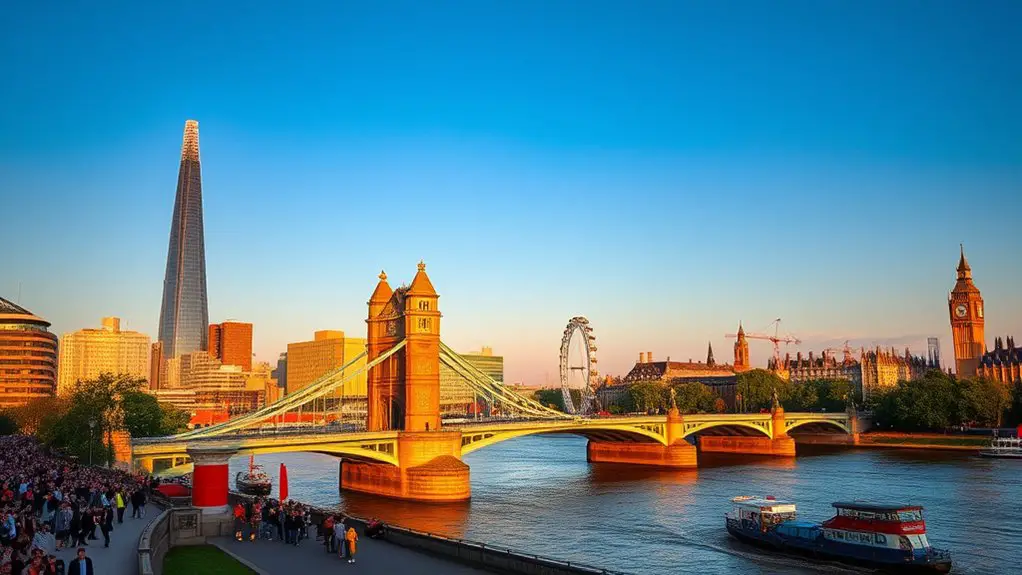
Last Updated on July 27, 2026 by Daniel Globe
Planning six days in London gives you enough time to see the city’s major historic sights, world-class museums, famous markets, green spaces, food neighborhoods, and nightlife without trying to cross the city every few hours. The key is to group nearby attractions, reserve high-demand sights early, and leave enough flexibility for weather, market schedules, and special events.
Quick Answer
For six days in London, spend one day in Westminster, one around the Tower and South Bank, one in South Kensington, one exploring Notting Hill and Camden, one around Bloomsbury, Soho, and the West End, and one on parks, hidden gems, or seasonal events. Grouping sights by area keeps the trip manageable.
Key Takeaways
- Book the Tower of London, Westminster Abbey, and any must-see West End show ahead when possible.
- Use contactless pay as you go or Oyster for most London public transport, and check routes in the official TfL Go app.
- Do not try to visit every major museum in one day; choose one or two priority collections and leave room for breaks.
- Match market days to your itinerary: Borough Market is normally closed Monday, while Saturday is the busiest antiques day on Portobello Road.
- Keep Day 6 flexible for parks, hidden gems, family interests, shopping, or events happening during your exact travel dates.
At a Glance
| Time Required | 6 full sightseeing days |
| Difficulty | Moderate; expect substantial walking plus Tube, bus, or rail trips |
| Tools Needed | TfL Go, contactless card/device or Oyster, comfortable walking shoes, and attraction reservations |
| Cost | Flexible: several major museums are free, while landmarks, theatre, meals, and transport are extra |
Disclosure: As an Amazon Associate I earn from qualifying purchases. Some links on this page are affiliate links, at no extra cost to you.
Before You Start: Bookings, Transport, and Day Swaps
London is easier to enjoy when you plan by neighborhood instead of building a checklist of sights scattered across the city. Use the official TfL Go app to check routes, disruptions, step-free options, and live travel information. For most visitors, pay as you go with contactless or Oyster is simpler than buying individual tickets.
Reserve timed attractions as soon as your dates are firm, especially if the Tower of London, Westminster Abbey, or a specific West End show is essential to your trip. Free museums have different policies: the British Museum advises advance booking, the Natural History Museum recommends a free ticket to guarantee entry when busy, while the V&A says general admission does not require booking.
Note: Treat the six days below as an area-based framework, not a rigid calendar. Swap days to match your attraction tickets, market opening days, weather, and any events taking place during your visit.
Day 1: Westminster, Buckingham Palace, and Royal London
Start your six-day London itinerary with the landmarks that define the city for many first-time visitors. Begin at Westminster Abbey, then walk past the Palace of Westminster and Big Ben before continuing through St James’s Park toward Buckingham Palace.
Westminster Abbey has served as Britain’s coronation church since 1066. It is normally open to sightseeing visitors Monday through Saturday, while Sunday is reserved for worship and services. Because it is a working church, special services can also affect access, so check the official schedule for your date.
At Buckingham Palace, you may be able to watch the Changing of the Guard. The current Household Division calendar lists the King’s Guard change at Buckingham Palace on Monday, Wednesday, and Friday at 11:00, but ceremonial duties can alter the schedule. Check again shortly before you go rather than assuming the ceremony happens every day.
Pro Tip: If Changing the Guard is a priority, build Day 1 around the confirmed ceremony date. If it is not running, use the extra time for St James’s Park, The Mall, Trafalgar Square, or a longer visit inside Westminster Abbey.
Finish the afternoon with a slower walk through one of central London’s green spaces. Hyde Park is easy to reach from the palace area and gives you room to recharge after a busy morning of sightseeing.
Day 2: Tower of London, Tower Bridge, and Borough Market
Spend Day 2 in the eastern part of central London. Start early at the Tower of London, where the Crown Jewels, medieval buildings, fortress walls, and stories of monarchy and imprisonment can fill much of the morning. Historic Royal Palaces recommends at least three hours for a visit.
Plan on roughly three hours for the Tower of London before adding Tower Bridge, lunch, and riverside sightseeing.
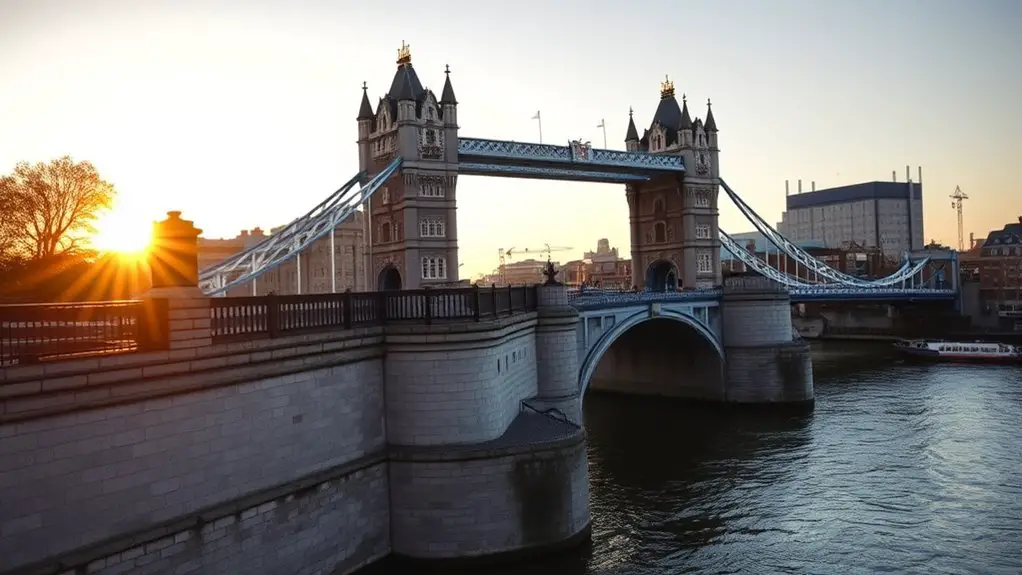
Next, walk to Tower Bridge. You can cross the bridge for free at road level, or buy admission to the exhibition and high-level walkways. The bridge’s bascules still lift for river traffic, so checking the official lift schedule can add an interesting engineering moment to your visit.
Nearby sections of the old London Wall help connect modern London with Roman Londinium. From there, continue toward the south side of the Thames for Borough Market and the Bankside area.
Borough Market Delights
Borough Market is one of London’s best-known food markets, with fruit and vegetables, baked goods, cheese and charcuterie, spices, prepared foods, and international dishes. According to the official visitor page, regular hours are Tuesday through Friday 10:00–17:00, Saturday 09:00–17:00, and Sunday 10:00–16:00; Monday is normally closed. Holiday hours can differ.
| Must-Try Items | Best Time to Visit |
|---|---|
| Gourmet cheese and charcuterie | Weekday morning or mid-afternoon for easier browsing |
| Artisan bread and baked goods | Earlier in the trading day for a broad selection |
| International street food | Lunch for the widest choice, with heavier crowds |
After lunch, walk west along Bankside. If you still have energy, visit Tate Modern or simply enjoy the riverside walk before returning to your hotel.
Day 3: South Kensington Museums and Green Spaces
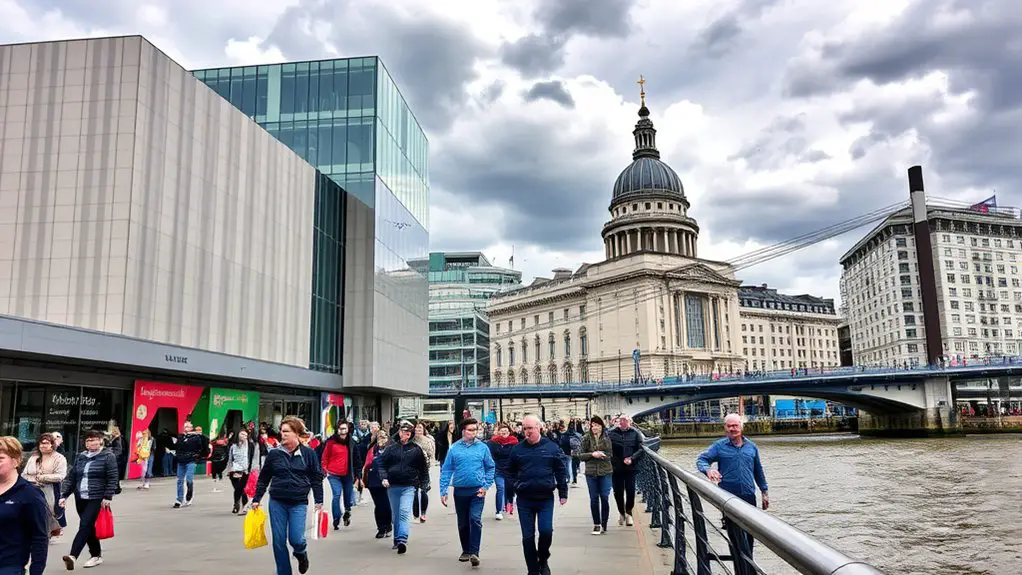
London’s museums can easily fill several days, so avoid trying to see everything at once. On Day 3, focus on South Kensington, where the Victoria and Albert Museum and Natural History Museum sit close together. Pick the museum that best matches your interests, then use the second as an optional shorter visit rather than rushing through both.
The V&A South Kensington focuses on art, design, fashion, decorative arts, textiles, and craftsmanship. General admission is free, although some exhibitions charge separately. The Natural History Museum is also free for general admission and recommends booking a free ticket in advance to guarantee entry when capacity is tight.
| Museum | Highlights | Atmosphere | Planning Note |
|---|---|---|---|
| British Museum | Rosetta Stone, Egyptian sculpture, mummies, global collections | Historic and expansive | Save for Day 5; free entry, advance booking advised |
| Tate Modern | Modern and contemporary art, large-scale installations | Bold and energetic | General collection is free; check current exhibitions |
| Victoria and Albert Museum | Fashion, ceramics, textiles, design, decorative arts | Elegant and detail-rich | Ideal for Day 3; general admission is free |
| Natural History Museum | Dinosaurs, fossils, minerals, biodiversity, Earth science | Family-friendly and educational | Free general admission; advance ticket recommended |
Relaxing in Parks and Green Spaces
After the museums, walk toward Hyde Park for a slower afternoon. Its lakes, paths, lawns, and open spaces offer a useful break from indoor sightseeing. If you prefer a different setting, The Regent’s Park has formal gardens and seasonal boating, while Hampstead Heath offers a wilder landscape and broad views across London.
Hyde Park is open from 05:00 to midnight through its pedestrian gates. Boating in The Regent’s Park is seasonal, generally from late March through October, so check current operating times before planning around it.
Bring a picnic, read on the grass, take a lakeside walk, or simply use the park as recovery time. Six days of sightseeing is more enjoyable when every day is not packed from breakfast until bedtime.
Day 4: Notting Hill, Portobello Road, and Camden
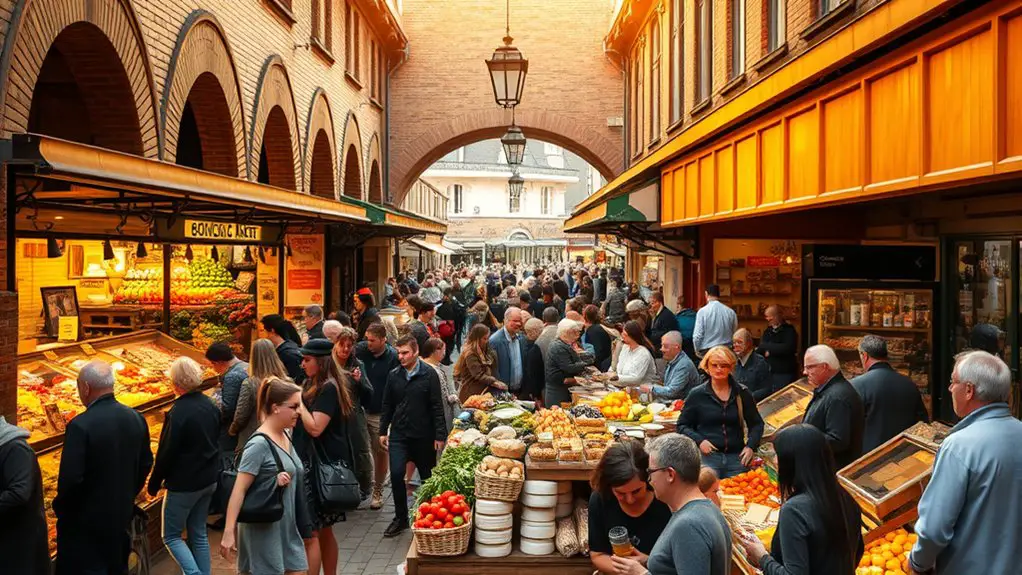
Day 4 is about neighborhoods rather than monuments. Start in Notting Hill, then move to Camden later in the day. This is one of the days you may want to swap around because market schedules matter.
Notting Hill Charm
Notting Hill combines colorful streets, residential squares, cafés, independent shops, and Portobello Road Market. The antiques section is especially strong toward the end of the week, and the official Portobello Road site lists Friday, Saturday, and Sunday trading for antiques and collectables, with Saturday the busiest day.
Browse antiques, vintage clothing, books, produce, local crafts, and small boutiques, then pause at a neighborhood café before heading north. Colorful houses, garden squares, and occasional street art add to the atmosphere. The area rewards slow wandering more than racing between fixed attractions.
Camden’s Eclectic Vibe
Camden brings a very different atmosphere. Along the Regent’s Canal and around Camden Lock, you will find market halls, street food, vintage clothing, handcrafted jewelry, alternative fashion, art, music culture, and independent traders. Graffiti-covered side streets and live performers add to the area’s creative character. The streets can feel crowded and chaotic, but that energy is part of the appeal.
Camden Market currently lists regular opening hours of 10:00–19:00 daily, including bank holidays, although individual traders can keep different hours. Explore the market, walk part of the canal, and stay for live music if a venue you like has a show that evening.
Pro Tip: If your six days include Saturday, consider using Saturday morning for Portobello Road. If not, keep the same neighborhood day but focus more on Notting Hill’s streets and shops before continuing to Camden.
Day 5: British Museum, Central London Food, and the West End
Begin Day 5 at the British Museum. The museum’s permanent collection is free, and its famous displays include the Rosetta Stone and Egyptian galleries. The British Museum advises booking a free entry ticket in advance, especially for busy periods.
Afterward, walk or take a short ride toward Covent Garden, Soho, and the West End. This part of London works well for a slower afternoon of shops, cafés, street life, and an evening performance.
Iconic London Eateries
London’s food scene ranges from long-established dining rooms to market counters and casual neighborhood restaurants. The Ivy remains a recognizable central London name, Harrods Food Hall is an easy fit with your South Kensington or Knightsbridge day, and Dishoom is known for Bombay-inspired dishes at several London locations.
Do not treat famous restaurants as mandatory stops. Menus, prices, queues, and reservation policies change, and some of your best meals may be near the places you are already visiting. Reserve only the restaurants that genuinely matter to you, then leave room for spontaneous choices.
Hidden Food Gems
Some of London’s most memorable meals are outside the most famous tourist streets. Bermondsey, Hackney, and other residential neighborhoods have independent bakeries, family-run pubs, small restaurants, and food stalls that reflect the city’s international communities.
You might find a small-batch bakery, a neighborhood Vietnamese pho shop, a modern café, or a pub with a seasonal menu. Look for places that are busy with local customers, check recent menus and opening hours, and avoid crossing the city solely for a restaurant unless it is a major priority.
Experiencing Nightlife and Unique Entertainment
Soho and the West End make a natural final stop for Day 5. You can choose from bars, clubs, live music, comedy, and theatre without adding another long journey. For a classic London night, book a West End musical or play through the theatre’s official box office or the Official London Theatre platform, which is run by the Society of London Theatre.
If theatre is not your style, consider a themed bar such as Cahoots, a comedy show at The Comedy Store, or a late museum or gallery opening. Tate Modern, for example, currently stays open later on Friday and Saturday than on other days, but always confirm the current schedule before building an evening around it.
Day 6: Hidden Gems, Parks, and Flex Time
Use the final day for the parts of London that match your interests best. By now, you will also know whether you want more museums, shopping, food, quiet neighborhoods, or simply a slower pace. Keeping one flexible day protects the rest of the itinerary if rain, fatigue, a sold-out ticket, or a transport disruption changes your earlier plans.
For lesser-known history, consider Crossbones Graveyard and Garden of Remembrance in Southwark when its volunteer-run opening hours match your visit. For art and architecture, Leighton House in Kensington offers the preserved home and studio of Victorian artist Frederic Leighton. Hampstead is another good choice for village streets, the Heath, and a quieter change of pace.
Families may prefer a return to South Kensington, Kensington Gardens, or another park with plenty of open space. Food-focused travelers can spend more time in Bermondsey, Hackney, or a market they enjoyed earlier. If you skipped Regent’s Park, this is also an easy day to combine the park, gardens, and seasonal boating with nearby Marylebone or Camden.
Warning: Do not build the final day around a limited-hours garden, ceremony, market, or special event without checking the official site. London venues frequently adjust schedules for holidays, private events, maintenance, security, and seasonal programming.
How to Keep Six Days in London Manageable
- Group sights geographically. Westminster attractions belong together; Tower Bridge and Borough Market belong together; South Kensington museums belong together.
- Choose priorities before arrival. Decide which two or three paid attractions and which museum collections matter most.
- Leave meal plans flexible. A reservation can anchor an evening, but scheduling every meal creates unnecessary pressure.
- Use free museums strategically. They make excellent weather backups, but free entry does not mean there will never be a queue.
- Expect walking. London’s map can hide how much ground you cover inside stations, museums, markets, and parks.
- Check the last journey of the day. Service changes and engineering work can affect late-night routes, especially on weekends.
Frequently Asked Questions
What are some hidden gems in London not widely known?
Consider Crossbones Graveyard and Garden of Remembrance in Southwark, Leighton House in Kensington, or the Hampstead Pergola and nearby Hampstead Heath. Check opening hours before traveling because smaller sites often have more limited schedules than major attractions.
How can I find budget-friendly activities in London?
Build your itinerary around free permanent collections at museums such as the British Museum, Tate Modern, V&A, and Natural History Museum, plus parks, neighborhood walks, markets, and the South Bank. Compare any attraction pass against the exact paid sights you plan to visit because a pass is not automatically cheaper.
Which areas are best for family-friendly attractions?
South Kensington is especially convenient for families because the Natural History Museum and V&A are close together, with Hyde Park and Kensington Gardens nearby for outdoor breaks. Camden, Regent’s Park, and the South Bank can also work well depending on children’s ages and interests.
What local events or festivals happen during my visit?
London’s calendar changes constantly, so check official event sites for your exact dates. In 2026, Notting Hill Carnival is scheduled for August 30–31, while Totally Thames runs September 1–30 with arts, heritage, and river-focused events across London. Seasonal markets and one-off cultural events also change throughout the year.
How do I navigate public transportation efficiently in London?
Use the official TfL Go app to plan journeys and check disruptions. For most visitors, pay as you go with contactless or Oyster is straightforward and includes fare capping. Use the same payment card or device for all of one person’s journeys so the system can calculate fares correctly. When practical, avoid the busiest commute periods and walk short distances between nearby sights.
Is six days enough for London?
Yes. Six full days is enough for a strong first visit if you group attractions by area and accept that you will not see everything. It gives you time for major landmarks, several museums, markets, parks, food neighborhoods, and at least one flexible day without turning every day into a race.
Should I buy a London attraction pass?
Only after comparing the pass price with the specific paid attractions you will actually visit. Many major museums are free, so the value depends on how many included paid sights you can realistically fit into your schedule without rushing.
Conclusion
Six days in London gives you enough time to experience the city’s history, museums, markets, neighborhoods, parks, food, and nightlife at a reasonable pace. The strongest itinerary is not the one with the most attractions; it is the one that keeps each day geographically sensible, protects your must-see reservations, and leaves room to slow down. Use this plan as your base, swap days around live schedules, and let the final day absorb the discoveries you want more time to enjoy.
Sources
- Transport for London — Best ways for visitors to pay — contactless, Oyster, pay as you go, and fare capping.
- Historic Royal Palaces — Tower of London tickets and visit guidance — recommended visit time and admission planning.
- Westminster Abbey — Plan your visit — sightseeing days, opening guidance, and service-related closures.
- Household Division — Changing the Guard calendar — current ceremony schedule.
- British Museum — Visit — free admission, opening hours, and ticket guidance.
- Borough Market — Visit us — regular opening days and hours.
