
Last Updated on July 27, 2026 by Daniel Globe
Three days in London is enough time to see many of the capital’s essential sights without turning the trip into a race. The key is to group attractions by area. This itinerary combines royal London, the Tower and Thames, major museums, markets, and distinctive neighborhoods while leaving enough flexibility for food stops, bad weather, and the occasional change of plan.
Quick Answer
For three days in London, spend Day 1 around Buckingham Palace, Westminster, and South Bank; Day 2 at the Tower of London, Tower Bridge, Borough Market, and Shoreditch; and Day 3 exploring the British Museum, Notting Hill, and Camden. Use contactless or Oyster, walk within each area, and prebook your must-see attractions.
Key Takeaways
- Group nearby sights together instead of crossing London repeatedly.
- Give the Tower of London roughly two to three hours and book important paid attractions ahead.
- Check the official Changing of the Guard calendar because the ceremony does not take place every day.
- Use the same contactless card, phone, watch, or Oyster card consistently so your journeys are charged correctly.
- Keep one or two attractions flexible so rain, queues, or tired feet do not derail the entire itinerary.
At a Glance
| Time Required | 3 full days |
| Difficulty | Moderate; expect substantial walking plus public transport |
| Tools Needed | Comfortable shoes, contactless payment or Oyster, phone with maps, weather layer, and attraction bookings |
| Cost | Flexible: parks and several major museums are free; paid attractions, theatre tickets, meals, and transport add to the total |
Disclosure: As an Amazon Associate I earn from qualifying purchases. Some links on this page are affiliate links, at no extra cost to you.
Before You Start Your 3-Day London Itinerary
A little planning makes a short London visit much easier. Reserve the paid attraction you care about most first, then build the rest of that day around it. For the Tower of London, check the official Historic Royal Palaces visitor information before choosing your entry time.
For public transport, most adult visitors can use a contactless bank card or device, or an Oyster card, for pay-as-you-go travel. Keep using the same card or device throughout a journey. Transport for London warns that touching in with one device and out with another can result in incorrect or maximum fares.
Pro Tip: London looks compact on a map, but repeatedly traveling between west, central, north, and southeast London can consume a surprising amount of your day. Walk between nearby sights, then use the Tube or bus for the longer jump to your next neighborhood.
Day 1: Exploring Iconic Landmarks and Historic Sites
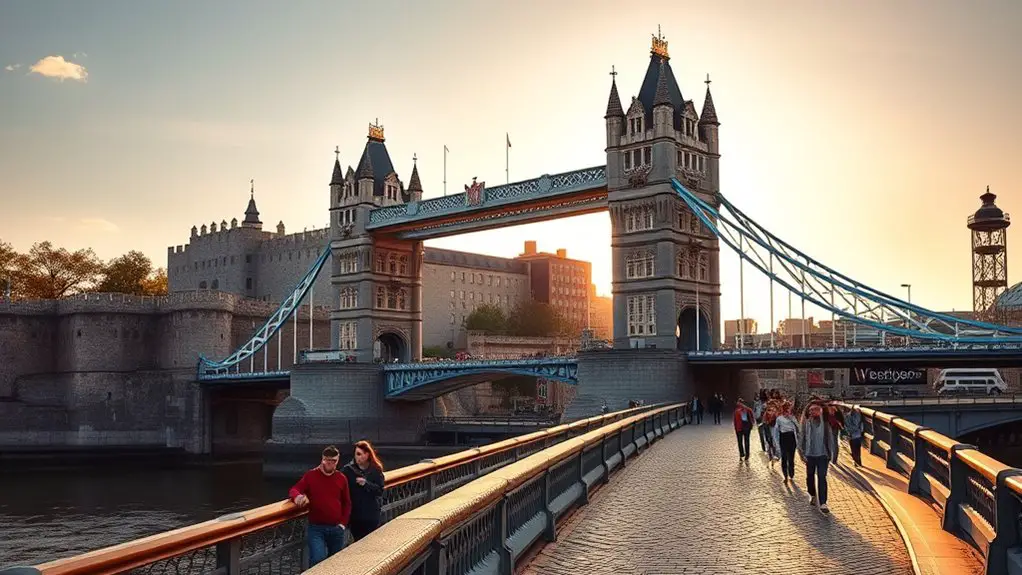
Morning: Buckingham Palace and St James’s Park
Begin with London’s royal quarter. See Buckingham Palace from the outside, then walk through St James’s Park toward Westminster. The park gives you a pleasant break from traffic and keeps the first part of the route almost entirely on foot.
If Changing of the Guard is a priority, check the Household Division’s official schedule before your visit. The current routine lists the King’s Guard change at Buckingham Palace at 11 a.m. on Monday, Wednesday, and Friday, but ceremonial arrangements can change.
Note: Do not build the entire day around Changing of the Guard without checking the current calendar. If it is not taking place, use the extra morning time for Westminster Abbey, St James’s Park, or a slower walk through Westminster.
Late Morning to Early Afternoon: Westminster
Continue to Parliament Square for views of the Houses of Parliament and Elizabeth Tower, commonly known by the name of its Great Bell, Big Ben. Westminster Abbey is nearby if you want to go inside, although a full visit will require more time than simply seeing the exterior.
From here, cross Westminster Bridge or continue along the river. This is one of the easiest places to appreciate how many of London’s major landmarks sit within walking distance of one another.
Afternoon: South Bank
Spend the afternoon along South Bank. You can walk beside the Thames, watch street performers, browse cultural venues, stop for coffee, and enjoy views back toward Westminster. Continue east as far as your energy allows rather than treating every riverside attraction as mandatory.
If art is a priority, Tate Modern makes a natural indoor stop farther along the Thames. If the weather is good, simply continuing the riverside walk can be just as rewarding.
Evening: Covent Garden, Soho, or the West End
Finish in central London with dinner around Covent Garden, Soho, or Chinatown. A West End show is an excellent evening option, but book a specific production in advance if seeing one matters more to you than having a flexible evening.
This first day covers royal London, government landmarks, river scenery, and central nightlife without unnecessary backtracking.
Day 2: Tower of London, Markets, Culture, and East London
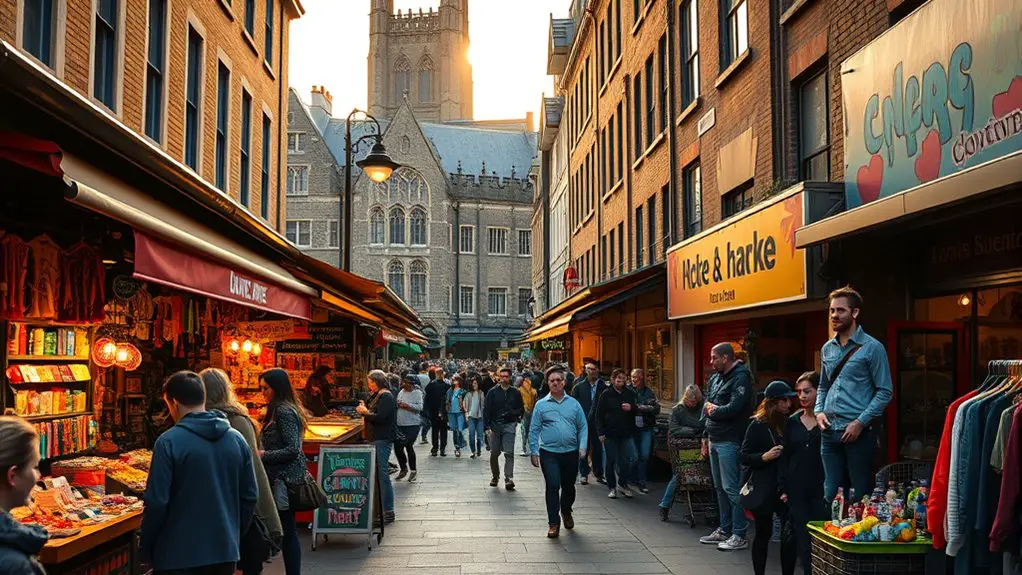
Morning: Tower of London
Book an early entry at the Tower of London and give it enough time. Your admission includes the Crown Jewels and other open public areas, while Yeoman Warder tours are included subject to availability. Check the official Tower of London ticket page for current prices and access information.
Historic Royal Palaces recommends allowing up to two or three hours for the best Tower of London experience.
That timing is important. Trying to squeeze the Tower into a one-hour sightseeing stop usually means missing much of what makes the site worthwhile.
Late Morning: Tower Bridge
After leaving the Tower, walk to Tower Bridge. Crossing the bridge itself gives you Thames views at no charge. The Tower Bridge exhibition and high-level walkways are separate paid experiences, so treat them as optional if your schedule is tight.
Lunch: Borough Market
Continue toward London Bridge and Borough Market for lunch. It is a better fit for the article’s food-stall recommendation than describing Bermondsey Street as a market. Expect produce, prepared foods, baked goods, and dishes influenced by cuisines from around the world.
Note: Borough Market’s current regular schedule lists Monday as closed. If Day 2 falls on Monday, eat elsewhere around London Bridge or continue toward Bermondsey Street for cafes and restaurants instead.
Afternoon: Bankside and Southwark
After lunch, continue along the Thames through Bankside. Depending on your interests, you can spend more time at Tate Modern, cross the Millennium Bridge for views toward St Paul’s Cathedral, or simply follow the riverside path.
This is also a good point to slow down. A three-day London trip becomes tiring quickly when every hour contains another ticketed attraction.
Evening: Shoreditch and East London
Head toward Shoreditch for street art, cafes, independent shops, bars, and a different atmosphere from Westminster. Nearby Brick Lane adds restaurants, vintage shopping, and another side of east London’s cultural mix.
Instead of chasing a supposedly “secret” pub, choose a well-reviewed neighborhood pub, small theatre, live-music venue, or jazz club that suits your evening. Checking the venue’s own calendar on the day is more useful than assuming an event will always be running.
Day 3: Neighborhoods, Museums, and Local Favorites
Morning: Notting Hill
Start your third day in Notting Hill. Walk its residential streets, see the colorful terraces, and browse the Portobello Road area. Market activity varies by day, so think of the neighborhood itself as the attraction rather than relying on every stall being open during your visit.
Give yourself time for breakfast or coffee instead of rushing straight to the next stop. This is the day to see more of London’s neighborhood character after two landmark-heavy days.
Late Morning: British Museum
Travel to Bloomsbury for the British Museum. Entry to the permanent collection is free, although the museum recommends booking a free timed ticket in advance for priority entry during busy periods.
You could spend most of a day here, so on a three-day trip it is better to choose a few galleries or objects that genuinely interest you rather than trying to cover the entire museum.
Afternoon: Camden
Continue north to Camden for its markets, food, alternative fashion, music heritage, and energetic street scene. Have lunch or an afternoon snack and wander without trying to visit every shop.
Camden works especially well here because it provides a sharp contrast to the formal landmarks of Day 1 and the medieval history of Day 2.
Alternative Day 3: Greenwich
If maritime history and panoramic views interest you more than Notting Hill and Camden, use Greenwich as your Day 3 alternative instead of trying to squeeze it into the same afternoon.
Greenwich is home to the National Maritime Museum, Queen’s House, Cutty Sark, Royal Observatory, Greenwich Park, and the historic town center. According to Royal Museums Greenwich, the National Maritime Museum and Queen’s House currently have free general admission, while Cutty Sark and the Royal Observatory are paid attractions.
Choosing Greenwich as a half-day or full-day destination gives you a calmer route and more time to appreciate its maritime setting instead of spending much of the afternoon traveling back and forth across London.
Unique London Experiences Worth Adding
A three-day trip should leave room for something beyond the headline attractions. Depending on your interests, that could mean a guided historic walk, a food tour, a tea tasting, a neighborhood pub, a small theatre production, or a street-art walk around Shoreditch.
Bermondsey Street is worth considering for independent restaurants and cafes if you are already south of the Thames. For an actual food-market experience, Borough Market is the stronger choice.
The best local experience is often one that fits naturally into the neighborhood you are already visiting. Traveling an hour across the city for a supposedly “hidden” attraction usually works against the purpose of a short itinerary.
How to Get Around London Efficiently
For most of this itinerary, combine walking with the Tube, buses, and other Transport for London services. Contactless bank cards and mobile devices are convenient for many adult visitors, while Oyster remains useful for travelers who prefer a dedicated transport card or need a fare product that requires it.
When using pay as you go, follow Transport for London’s fare guidance: use the same card or device when touching in and out. A physical bank card and the same card loaded into a phone or smartwatch can be treated as different payment methods.
London buses are also useful for short sightseeing hops. Walking, however, is often fastest between tightly grouped sights such as Buckingham Palace, St James’s Park, Westminster, and South Bank.
How to Keep a 3-Day London Trip Affordable
London can be expensive, but you do not need to pay admission everywhere. Mix one or two major paid attractions with free museums, parks, markets, neighborhoods, and riverside walks.
The British Museum offers free entry to its permanent collection. The Natural History Museum also has free general admission, although advance tickets are recommended during busy periods. London’s Royal Parks, including Hyde Park and St James’s Park, can be explored without an admission charge.
Food is another easy place to control spending. Mix sit-down meals with bakeries, markets, casual cafes, and supermarket lunches. Save your bigger dining budget for one restaurant or evening that matters to you.
What to Do If You Fall Behind Schedule
Do not try to “catch up” by rushing through every remaining stop. Instead, protect the attraction you care about most and remove the next low-priority stop.
- Running late on Day 1? Shorten the South Bank walk or skip the optional indoor attraction.
- Running late on Day 2? Cross Tower Bridge without doing the paid exhibition, or go directly from Borough Market to your evening neighborhood.
- Running late on Day 3? Choose either Notting Hill or Camden rather than squeezing both into a rushed afternoon.
A realistic three-day itinerary feels better than a longer checklist that leaves you exhausted.
Frequently Asked Questions
Is three days enough for London?
Three full days is enough for a strong first visit if you prioritize a few major sights and group them by neighborhood. You will not see everything, so treat this itinerary as an introduction rather than a complete tour of the city.
What are the best free attractions in London?
Good free options include the British Museum’s permanent collection, the Natural History Museum’s general galleries, Hyde Park, St James’s Park, riverside walks, and viewing landmarks such as St Paul’s Cathedral from outside. Some museums charge for temporary exhibitions or special events.
How can I get around London cheaply?
Walk between nearby attractions and use pay-as-you-go public transport for longer journeys. Contactless cards or devices and Oyster can be used across much of the TfL network. Always use the same payment method correctly so eligible journeys are charged and capped as intended.
When is the best time to visit London?
Spring and early autumn can offer comfortable sightseeing weather, while summer brings long daylight hours along with heavier visitor demand. Winter is colder and darker but can be attractive for museums, theatre, seasonal events, and festive displays. London weather is changeable in any season, so pack layers and a rainproof outer layer.
Are there family-friendly activities in London?
Yes. The Natural History Museum, Tower of London, London Zoo, Royal Parks, river trips, and Royal Museums Greenwich can all work well for families. For younger children, reduce the number of attractions each day and allow more time for meals, parks, and rest stops.
Where can I find London street food?
Borough Market and Camden are convenient choices within this itinerary, while Brick Lane and surrounding east London streets add more international food options. Opening days and individual traders can change, so check the relevant market before making a special trip.
What should I book in advance for three days in London?
Prebook the attractions that would disappoint you most if they sold out or had a long wait. The Tower of London, popular temporary exhibitions, theatre performances, and other timed attractions are sensible priorities. Free museums may also offer advance timed reservations that make entry easier during busy periods.
Conclusion
Three days in London works best when you resist the urge to see everything. Spend your first day around Buckingham Palace, Westminster, and South Bank; devote your second to the Tower, Thames, markets, and east London; then use your third for museums and neighborhoods or swap in Greenwich. With sensible geographic grouping, advance bookings for priority attractions, and a little flexibility, you can see London’s major landmarks while still leaving time to enjoy the city between them.
Sources
- Historic Royal Palaces — Tower of London Opening and Closing Times — official visit timing and recommended visit length.
- The Household Division — Changing the Guard — official Buckingham Palace ceremony timing and schedule information.
- Transport for London — How to Pay the Right Fare — contactless and Oyster payment guidance.
- British Museum — Plan Your Visit — free permanent-collection entry, reservations, hours, and visitor information.
- Natural History Museum — Visit — free general admission and advance-ticket guidance.
- Borough Market — Plan Your Visit — current opening days, hours, location, and visitor information.
