
Last Updated on July 24, 2026 by Daniel Globe
London weather changes quickly, so the best way to plan a trip is to expect mild temperatures, regular showers, and a mix of sunshine and cloud in every season. This month-by-month guide uses Met Office Heathrow climate averages for 1991-2020, then adds practical advice on daylight, packing, outdoor plans, and weather risks.
Quick Answer
London has mild but changeable weather throughout the year. Average daytime highs range from about 8-9°C in winter to 23-24°C in July and August. There is no true dry season: every month averages roughly 39-67mm of rain, so pack layers and a light waterproof jacket whenever you visit.
Note: The figures below come from the Met Office Heathrow 1991-2020 climate averages. Heathrow is a useful London reference station, but local conditions vary. Central London can stay warmer at night because of the urban heat island effect.
What’s in This Article
- Key Takeaways
- London Weather at a Glance
- How to Read London Climate Averages
- January: Cold and Crisp
- February: The Last of Winter’s Chill
- March: Signs of Spring
- April: Showers and Blooming Flowers
- May: Warmer Days and Longer Evenings
- June: Early Summer Warmth
- July: Peak Summer Temperatures
- August: Warm and Occasionally Humid
- September: Transition Into Autumn
- October: Cooler Days and Autumn Colour
- November: Darker Days and Cosy Indoor Plans
- December: Festive Lights and Winter Weather
- Best Time to Visit London
- What to Pack for London Weather
- Frequently Asked Questions
Disclosure: As an Amazon Associate I earn from qualifying purchases. Some links on this page are affiliate links, at no extra cost to you.
Key Takeaways
Key Takeaways
- London is mild but unpredictable. Pack light layers and a waterproof outer layer in every season.
- July is usually the warmest and sunniest month, with an average high of 23.9°C and about 218 hours of sunshine.
- November is the wettest month in the Heathrow averages, while March is the driest, but rain is possible throughout the year.
- Late spring and early autumn often give the best balance of comfortable temperatures, useful daylight, and flexible outdoor conditions.
- Climate averages describe a typical month, not a forecast. Check the short-range Met Office London forecast before each day out.
London Weather at a Glance
This table gives a consistent month-by-month view. Rain days are days with at least 1mm of rain, so lighter drizzle may occur on additional days.
| Month | Avg High | Avg Low | Rainfall | Rain Days | Sunshine |
|---|---|---|---|---|---|
| January | 8.4°C / 47°F | 2.7°C / 37°F | 58.8mm | 11.5 | 61 hours |
| February | 9.0°C / 48°F | 2.7°C / 37°F | 45.0mm | 9.5 | 79 hours |
| March | 11.7°C / 53°F | 4.1°C / 39°F | 38.8mm | 8.5 | 124 hours |
| April | 15.0°C / 59°F | 6.0°C / 43°F | 42.3mm | 8.8 | 177 hours |
| May | 18.4°C / 65°F | 9.1°C / 48°F | 45.9mm | 8.0 | 207 hours |
| June | 21.6°C / 71°F | 12.0°C / 54°F | 47.3mm | 8.3 | 208 hours |
| July | 23.9°C / 75°F | 14.2°C / 58°F | 45.8mm | 7.9 | 218 hours |
| August | 23.4°C / 74°F | 14.1°C / 57°F | 52.8mm | 8.4 | 202 hours |
| September | 20.2°C / 68°F | 11.6°C / 53°F | 49.6mm | 7.9 | 157 hours |
| October | 15.8°C / 60°F | 8.8°C / 48°F | 65.1mm | 10.8 | 115 hours |
| November | 11.5°C / 53°F | 5.3°C / 41°F | 66.6mm | 11.2 | 71 hours |
| December | 8.8°C / 48°F | 3.1°C / 38°F | 57.1mm | 10.8 | 55 hours |
Heathrow averages about 615mm of rain a year, spread across roughly 112 days with at least 1mm of rainfall. London has wetter months, but no true rainy season.
How to Read London Climate Averages
A climate average is a planning guide, not a promise. A July day can be cool and wet, while a spring or autumn day can be unusually warm. London also has many local microclimates. Dense central neighbourhoods often stay warmer after sunset, while open parks, outer boroughs, and riverside areas may feel cooler or windier.
Recent conditions also show why travellers should prepare for heat as well as rain. The Met Office’s latest State of the UK Climate assessment reports that 2016-2025 was 0.51°C warmer than the 1991-2020 average. It also says days above 30°C and nights above 18°C in Greater London have more than quadrupled compared with 1961-1990.
Warning: During a heatwave, do not rely on the monthly average. Follow current Met Office warnings, carry water, use shade, and adjust long outdoor walks during the hottest part of the day.
January: Cold and Crisp
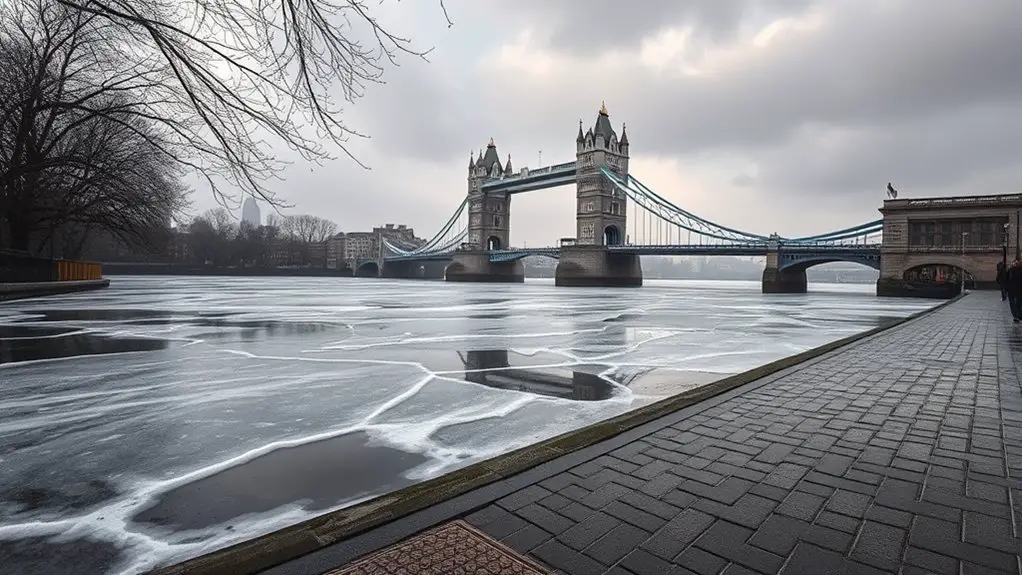
January feels like classic London winter. Days are short and often grey, with occasional bright, crisp spells. Those clearer periods are good for a brisk walk along the Thames or through Hyde Park or Regent’s Park.
The Heathrow average high is 8.4°C, and the average low is 2.7°C. January receives about 58.8mm of rain over 11.5 days with at least 1mm. Frost is possible, especially overnight and in outer or greener areas. Wear a warm coat and waterproof shoes, and keep an indoor option ready for damp afternoons. Cafes and pubs make easy warm-up stops after a cold walk.
February: The Last of Winter’s Chill
February still has winter’s bite, but daylight slowly increases. The average high is 9.0°C, and the average low is 2.7°C. Cold snaps can bring sharp winds, frost, sleet, or occasional snow, although rain is more common. Calm, damp mornings may also turn foggy.
The month averages about 45mm of rain and 79 hours of sunshine. A warm mid-layer, a waterproof outer layer, and comfortable shoes work better than one very heavy garment because conditions can change during the day.
March: Signs of Spring
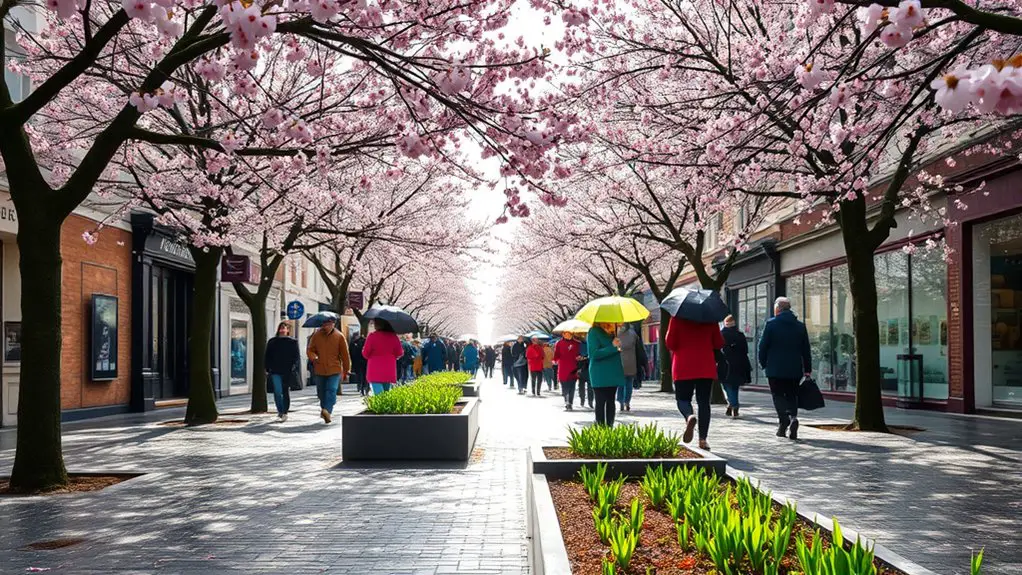
March brings the first strong signs of spring. Days lengthen, sunshine increases, and early blossom appears in parks, but mornings and evenings can still feel cold.
| Weather Feature | Typical Details |
|---|---|
| Temperature | Average high 11.7°C; average low 4.1°C |
| Sunshine | About 124 hours for the month, or roughly 4 hours a day |
| Rainfall | About 38.8mm, the lowest monthly total in the Heathrow averages |
By late March, longer outdoor plans feel easier, but layers remain important. British Summer Time begins near the end of March, moving evening daylight one hour later by the clock.
April: Showers and Blooming Flowers
April weather can switch quickly between sunshine, cloud, cool breezes, and showers. The average high reaches 15.0°C, while the average low is 6.0°C. Parks and gardens become much more colourful, making this a strong month for walking and photography.
April Rainfall Patterns
April averages 42.3mm of rain across 8.8 days with at least 1mm. That is not especially wet by London standards, despite the phrase “April showers.” Showers may arrive in short bursts, so a compact umbrella or hooded waterproof is useful.
Blooming Spring Flowers
Tulips, daffodils, hyacinths, blossom, and fresh leaves brighten London’s parks and gardens. Bloom timing varies with the weather, so early and late Aprils can look different.
Best Outdoor Activities in April
Markets, riverside walks, gardens, and park visits all work well when you keep the schedule flexible.
| Activity | Location | What to Expect |
|---|---|---|
| Flower viewing | Kew Gardens | A wide range of spring planting and glasshouses for wet periods |
| Picnicking | Hampstead Heath | Open space and city views when the ground is dry |
| River walk | Thames Path | A scenic route with frequent indoor stops nearby |
May: Warmer Days and Longer Evenings
May is one of the easiest months for exploring London on foot. The average high is 18.4°C, the average low is 9.1°C, and the month averages about 207 hours of sunshine. Evenings stay light for longer, while most days remain comfortable for walking.
Rain is still possible, with about 45.9mm across 8 days with at least 1mm. A light jacket, thin layers, and a compact waterproof usually cover the main changes. Parks, streets, and outdoor cafes become noticeably livelier when the sun appears.
Note: England and Wales normally have an Early May bank holiday and a Spring bank holiday later in May. Check the current GOV.UK bank holiday calendar, because attractions, transport, and popular outdoor areas may be busier.
June: Early Summer Warmth
June brings early summer warmth and very long days. The average high is 21.6°C, and the average low is 12.0°C. It can feel cooler beside the river, in shade, or after rain.
What to Expect on Warm June Days
Many June days are bright and mild, making this a good time for parks, gardens, open-air events, and day trips. Warm spells can still become hot, so carry water and sunscreen when the forecast rises above the average.
Occasional Rain Showers
June averages 47.3mm of rain across 8.3 rain days. Showers can be brief, but heavier downpours and thunderstorms are possible. A compact waterproof is easier to carry than a heavy coat.
Longer Daylight Hours
Near the summer solstice, London receives about 16.5 hours of daylight. The Royal Observatory Greenwich gives a London sunrise of about 4:43am and sunset of about 9:21pm around the solstice.
July: Peak Summer Temperatures
July is usually London’s warmest and sunniest month. Heathrow averages a high of 23.9°C, a low of 14.2°C, and about 218 hours of sunshine. Heatwaves can push daytime temperatures well above 30°C, while central areas may stay uncomfortable after dark.
July averages 45.8mm of rain, but summer rain often arrives as showers or thunderstorms rather than long periods of drizzle. Plan shade breaks, drink water, wear breathable clothes, and keep a light waterproof nearby.
Pro Tip: Check the hourly forecast before a long July afternoon outside. Thunderstorms can be local and fast-moving, so a small change in timing may help you avoid the heaviest rain.
August: Warm and Occasionally Humid
August remains warm, with an average high of 23.4°C and low of 14.1°C. Still, cloudy spells, cool breezes, and showers can interrupt summer conditions. Some days feel muggy when temperatures, moisture, and light winds combine.
Monthly rainfall averages 52.8mm across 8.4 rain days. Evenings are often comfortable for outdoor dining or a river walk, but daylight becomes noticeably shorter as the month progresses.
September: Transition Into Autumn
September often gives a gentle transition into autumn. The average high is 20.2°C, and the average low is 11.6°C. Early September can still feel summery, while mornings and evenings become cooler later in the month.
Rainfall averages 49.6mm, and parks begin to show the first signs of changing colour. Pack a light jacket and one warmer layer for evenings, especially if you will be outdoors after sunset.
October: Cooler Days and Autumn Colour
October feels distinctly autumnal. The average high is 15.8°C, and the average low is 8.8°C. Rain increases to about 65.1mm, while average sunshine drops to 115 hours.
| Early October | Mid to Late October |
|---|---|
| Milder afternoons are still possible | Brisk evenings become more common |
| Leaves begin changing colour | Autumn colour often becomes stronger, and a few days may feel almost wintry |
| A medium jacket may be enough | Extra layers and waterproof footwear help |
Kew Gardens, Hampstead Heath, Richmond Park, and many smaller parks can be especially photogenic, although the exact timing and intensity of autumn colour vary each year.
November: Darker Days and Cosy Indoor Plans
November brings shorter days, cooler air, and more frequent damp spells. The average high is 11.5°C, and the average low is 5.3°C. Heathrow averages 66.6mm of rain, the highest monthly total in the 1991-2020 dataset.
This is a good month to combine outdoor walks with museums, theatres, covered markets, and long indoor meals. Carry a waterproof layer and choose shoes that remain comfortable on wet pavements.
December: Festive Lights and Winter Weather
December feels wintry even when temperatures stay above freezing. The average high is 8.8°C, and the average low is 3.1°C. Sunshine averages only 55 hours for the month, so plan outdoor sightseeing earlier in the day.
Snow, sleet, and frost are possible, but rain is more common and settled snow is not guaranteed. The Met Office notes that some parts of the UK do not see snow every year, and conditions can vary between London neighbourhoods. Check the forecast rather than planning around snow.
Best Time to Visit London
May, June, and September often give the best overall balance for sightseeing. Temperatures are usually comfortable, daylight is useful, and long outdoor days are easier than in winter. Your ideal month still depends on what matters most.
| Priority | Good Months | Why |
|---|---|---|
| Warmest weather | July and August | Highest average temperatures, but heatwaves and humidity are possible |
| Long days | May to July | More daylight for parks, neighbourhood walks, and day trips |
| Mild walking weather | May, June, and September | Comfortable average highs without relying on peak summer heat |
| Spring flowers | March to May | Blossom, bulbs, and fresh growth across parks and gardens |
| Autumn colour | October | Good seasonal colour, with cooler and wetter conditions |
| Festive atmosphere | Late November and December | Seasonal lights and events, but short daylight and winter weather |
Winter can sometimes bring lower accommodation prices and quieter sightseeing than summer, but Christmas and New Year dates can still be busy and expensive. Compare your actual travel dates rather than assuming the whole season is cheaper.
There is no guaranteed dry month. Even in March, the driest month in the Heathrow averages, a waterproof layer remains useful.
What to Pack for London Weather
The most useful item for a London trip is a light waterproof layer that fits over your other clothes. Comfortable walking shoes are just as important because many days involve long distances, stairs, and wet pavements.
- Winter, December to February: Warm coat, scarf, gloves, warm layers, waterproof shoes, and a compact umbrella.
- Spring, March to May: Medium-weight jacket, light waterproof, removable layers, and comfortable walking shoes.
- Summer, June to August: T-shirts, breathable layers, sunscreen, sunglasses, refillable water bottle, and a packable rain jacket.
- Autumn, September to November: Medium-weight waterproof jacket, umbrella, warm evening layer, and shoes with good grip.
Useful Year-Round Extras
- A small bag that can hold a folded jacket or umbrella
- A weather-resistant phone pouch or zip bag
- Thin layers you can add or remove on public transport
- Any regular medication, including allergy medicine if pollen affects you
Pro Tip: Dress for the coolest part of your planned day, then use removable layers. A sunny afternoon can feel warm, but an evening beside the Thames may feel much cooler.
Frequently Asked Questions
What Is the Average Annual Rainfall in London?
Heathrow averages 614.98mm of rain per year based on the Met Office 1991-2020 climate period. The total is spread throughout the year rather than concentrated in one rainy season.
What Is the Rainiest Month in London?
November is the wettest month in the Heathrow averages at 66.63mm, followed closely by October at 65.07mm. March is the driest at 38.78mm. These are long-term averages, so an individual month may be much wetter or drier.
Does It Rain Every Day in London?
No. Heathrow averages about 112 days a year with at least 1mm of rain. Light drizzle or brief showers can occur on other days, but London also has many fully dry days.
How Often Does Snow Occur in London?
Snow or sleet is possible from late autumn into early spring, but it does not settle every winter in every part of London. Central areas often lose settled snow quickly because temperatures are relatively mild and urban surfaces retain heat.
When Is the Sunniest Month in London?
July is the sunniest month in the Heathrow 1991-2020 averages, with 217.81 hours of sunshine. June and May are close behind, with about 208 hours and 207 hours.
What Are the Coldest Temperatures Recorded in London?
There is no single London-wide record because results depend on the weather station. Heathrow’s average winter lows are about 2.7°C in January and February and 3.1°C in December, but severe cold snaps can fall well below these averages. The Met Office district record of -19.5°C was measured at Lacock in Wiltshire, not in London.
How Does Humidity Vary Throughout the Year?
London can feel damp in cool, cloudy weather and muggy during warm, still summer spells. Comfort depends on temperature, wind, cloud, and the exact neighbourhood, so humidity alone does not tell the full story.
Do I Need an Umbrella in London?
A compact umbrella is useful, but a hooded waterproof jacket often works better in wind or crowded streets. Carry at least one light rain option in every season.
Plan Ahead and Stay Flexible
London’s weather changes with every season, but it rarely needs to spoil a trip. Use monthly averages to choose the right clothes and general schedule, then check the short-range forecast before each day out. Mix indoor and outdoor plans, carry a light waterproof layer, and adjust for heat, cold, or heavy rain when official warnings are issued.
Sources
- Met Office: Heathrow location-specific long-term averages – monthly temperature, rainfall, sunshine, frost, and rain-day averages for 1991-2020
- Met Office: State of the UK Climate – current warming context and Greater London heat trends
- Met Office: UK climate extremes – district temperature records and their actual station locations
- London City Hall: Sustainable infrastructure and urban heat – why built-up parts of London can stay warmer than surrounding areas
- Royal Observatory Greenwich: June 2026 night sky highlights – London sunrise, sunset, and solstice daylight
- GOV.UK: UK bank holidays – current bank holiday dates for England and Wales
