
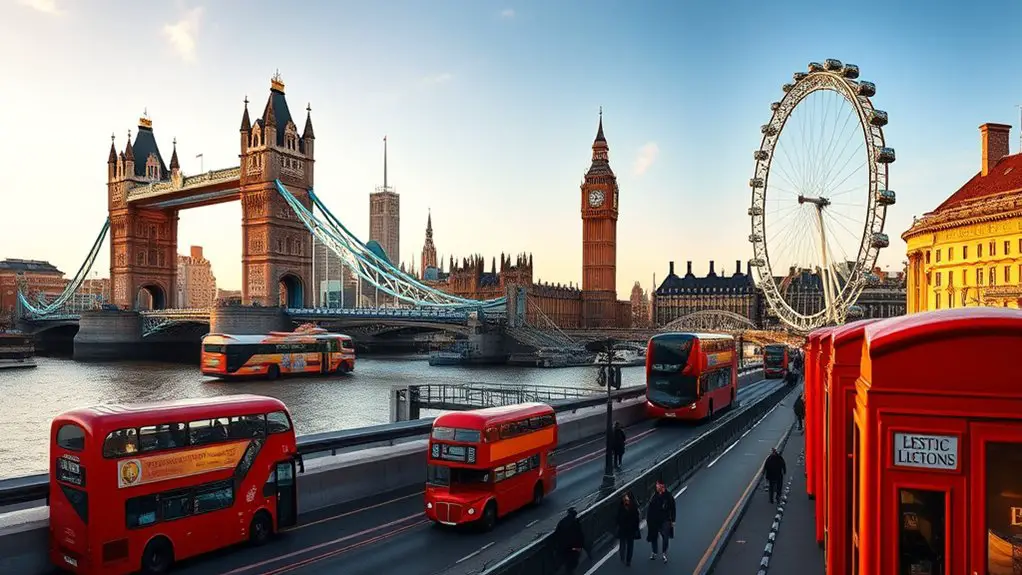
Last Updated on July 27, 2026 by Daniel Globe
Planning a five-day trip to London is much easier when you group attractions by area instead of racing back and forth across the city. This itinerary balances famous landmarks, free museums, markets, local neighborhoods, royal sights, parks, and lesser-known places while leaving enough flexibility for meals, queues, weather changes, and spontaneous discoveries.
Quick Answer
A good five-day London itinerary combines the Tower of London and Tower Bridge, major museums and the West End, Notting Hill and Camden, Buckingham Palace and Westminster, then a final day of quieter local sights. Grouping attractions by area, booking popular sites ahead, and using contactless or Oyster travel keeps the trip manageable.
Key Takeaways
- Keep the Tower of London and Tower Bridge together instead of crossing London to Buckingham Palace on the same morning.
- Use contactless pay as you go or an Oyster card for most public transport journeys.
- Book major ticketed attractions in advance and check ceremony, market, and museum schedules for your actual dates.
- Save free museums for flexible parts of the itinerary and avoid trying to see several huge collections in one day.
- Treat Eel Pie Island as a special-event destination rather than a normal walk-in London attraction.
At a Glance
| Time Required | 5 full sightseeing days |
| Difficulty | Moderate; expect plenty of walking plus Tube or bus journeys |
| Tools Needed | Contactless card/device or Oyster card, comfortable shoes, navigation app, attraction confirmations, and weather-ready clothing |
| Cost | Flexible: major museum collections and many outdoor sights are free, while royal landmarks, special exhibitions, tours, food, and transport add to the budget |
Disclosure: As an Amazon Associate I earn from qualifying purchases. Some links on this page are affiliate links, at no extra cost to you.
Before Your Five-Day London Trip
A little preparation can save hours once you arrive. International visitors should first check the official UK ETA and visa requirements for their nationality. Many travelers who do not need a traditional visitor visa now need an Electronic Travel Authorisation before traveling to the UK.
For public transport, Transport for London recommends pay as you go using contactless or an Oyster card. Use the same contactless card or device when touching in and out so the system can calculate the correct fare and apply the appropriate fare cap.
Book must-see ticketed attractions before your trip when possible. Westminster Abbey, the Tower of London, Tower Bridge exhibitions, Buckingham Palace visits, and major temporary exhibitions can all have date-specific hours or timed admission.
Note: London opening hours, ceremony schedules, market activity, temporary closures, and ticket prices can change. Check each attraction’s official website shortly before your visit rather than relying on an old screenshot or itinerary.
Pro Tip: Group sights by neighborhood. A map may make two London attractions look close, but queues, station changes, security checks, and crowded streets can turn a simple cross-city transfer into a large part of your day.
The biggest time-saver in London is not squeezing in more attractions. It is spending less of each day traveling between them.
Day 1: Exploring Historic Landmarks and Iconic Sights
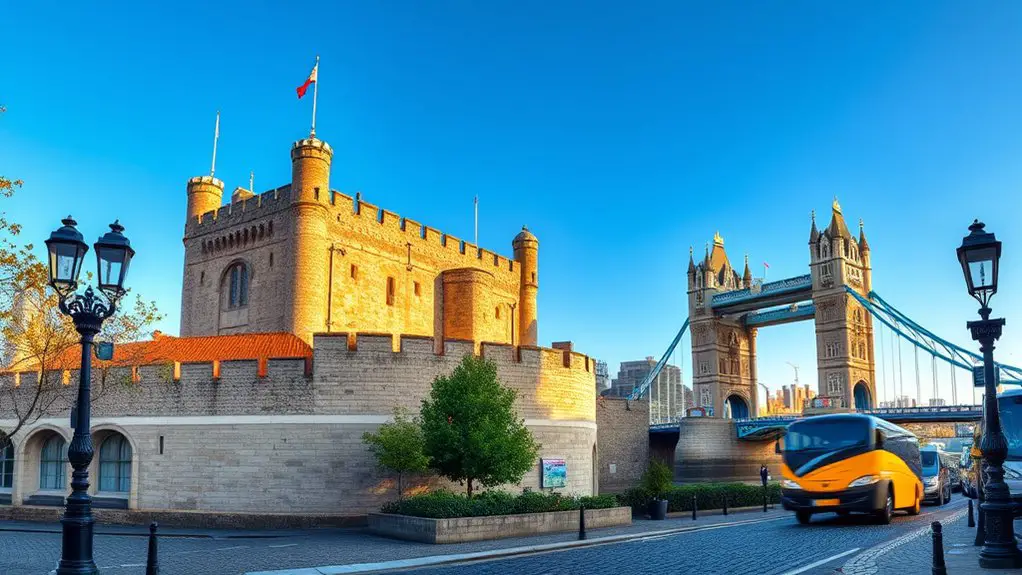
On your first day in London, dive into the city’s history without trying to cross the entire capital before lunch. Keep the morning around the Tower of London and Tower Bridge, then explore more of the Thames-side area at a comfortable pace.
Morning: Tower of London
Start at the Tower of London, where you can explore centuries of royal, military, and political history and see the Crown Jewels. Give yourself a generous block of time rather than treating the fortress as a quick photo stop.
Security, queues, exhibits, and the size of the complex can all make the visit longer than expected. Arriving near opening time can also help you get ahead of some of the day’s largest crowds.
Late Morning or Early Afternoon: Tower Bridge
Walk to Tower Bridge after leaving the Tower. Crossing the bridge at street level lets you appreciate its architecture and views of the Thames. For the elevated glass floors, historic Engine Rooms, and high-level panoramic views, book the ticketed Tower Bridge attraction.
Stop for lunch nearby before continuing. This part of London also puts you within easy reach of riverside walks, London Bridge, Borough Market, and the south side of the Thames.
Afternoon and Evening: Stay Around the Thames
Instead of rushing immediately to Westminster Abbey and Buckingham Palace, keep exploring the eastern Thames corridor. A slower afternoon leaves room for lunch, photographs, riverside views, and unexpected delays.
Westminster Abbey, Big Ben, the Houses of Parliament, and Buckingham Palace fit much better together on Day 4. Moving them there prevents the first day from becoming an exhausting race from east London to Westminster.
Day 2: Dive Into Art, Culture, and Shopping
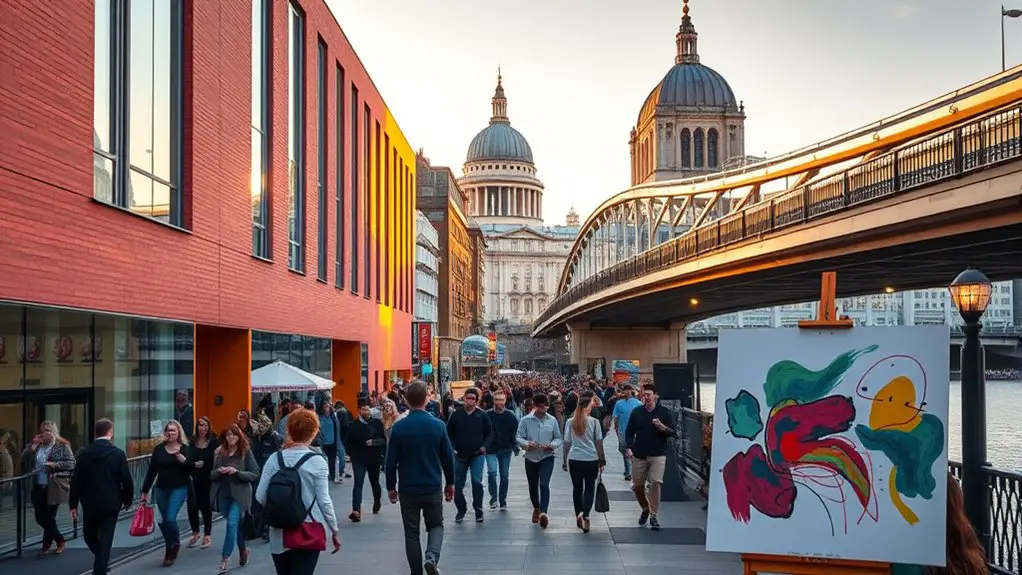
Day 2 focuses on London’s museums, galleries, and central shopping districts. The key is to choose highlights rather than trying to see every room in several enormous museums.
Morning: British Museum
Begin at the British Museum. Entry to the permanent collection is free, although the museum recommends booking a free timed ticket in advance, especially during busy periods. Some temporary exhibitions require paid tickets.
Choose several collections you genuinely want to see instead of attempting the entire museum. This keeps your morning focused and leaves energy for the rest of central London.
Midday: Covent Garden
Walk or take a short ride toward Covent Garden for lunch, boutiques, street performers, specialty shops, and the surrounding lanes. It makes a natural break between museum visits and gives you time outside before another gallery.
Afternoon: National Gallery and Trafalgar Square
Continue to the National Gallery in Trafalgar Square. General admission to the national collection is free, with works ranging from Leonardo da Vinci to Vincent van Gogh.
The original plan also includes Tate Modern. It is an excellent choice, but visiting the British Museum, National Gallery, and Tate Modern properly in one day can feel rushed. Art-focused travelers can make Tate Modern their final stop; everyone else can place it on Day 4 when the itinerary reaches the South Bank.
Likewise, save Camden Market for Day 3 rather than making an extra journey north today.
Evening: West End or Soho
Finish in the West End, Soho, or Covent Garden. This is a natural evening for dinner, a theatre performance, or an unhurried walk through central London.
Day 3: Discovering Neighborhood Charms and Local Flavors
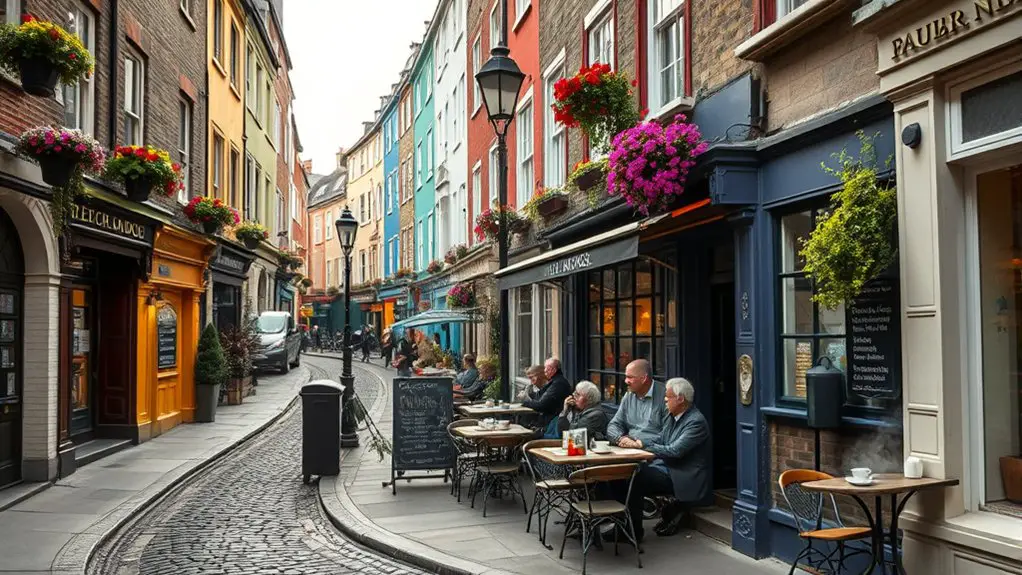
To experience London’s neighborhood character, spend Day 3 moving from west to north and then east. It is the most transit-heavy day of the itinerary, so leave space between stops.
Morning: Notting Hill and Portobello Road
Start in Notting Hill, known for colorful streets, cafés, independent shops, and Portobello Road Market. Market activity varies throughout the week, and Saturday is traditionally the busiest day, so adjust this part of the itinerary if the market is one of your priorities.
Do not worry if your visit falls on a quieter market day. The surrounding streets, architecture, cafés, and permanent shops still make the neighborhood worth exploring.
Midday: Camden Market
Travel north to Camden for lunch. Camden Market operates seven days a week, although individual trader hours can vary. Its mix of street food, independent shops, alternative fashion, music history, and canal-side spaces makes it a good midday stop.
Sample something from the food stalls rather than planning another formal lunch. That keeps the day flexible and lets you try cuisines from across London.
Late Afternoon and Evening: Shoreditch
Continue east to Shoreditch for street art, independent stores, restaurants, cafés, and bars. Nearby Brick Lane adds more food and market culture, particularly if you enjoy South Asian cuisine, vintage stores, and street art.
Fish and chips, pastries, curries, and international street food all have a place in modern London. Instead of trying to identify one dish as the city’s single “authentic” flavor, use this day to experience the variety created by London’s communities.
Pro Tip: If three neighborhoods feel like too much, drop one. Spending several relaxed hours in two areas usually gives you a better sense of local London than racing through all three for photographs.
Day 4: Royalty, Parks, and Riverside Delights
Day 4 brings together the royal and political landmarks that were separated from Day 1. Buckingham Palace, Westminster, nearby parks, and the South Bank form a much more logical sightseeing sequence.
Morning: Buckingham Palace and Changing the Guard
Start around Buckingham Palace. If seeing the Changing the Guard is important to you, check the official Household Division calendar before building your morning around it. The ceremony is scheduled on selected days rather than being guaranteed every day, and operational changes can occur.
If your trip falls during the public opening season, you can also book the Buckingham Palace State Rooms. For 2026, the main summer opening runs from July 9 through September 27. A State Rooms visit takes a significant part of the day, so choose it instead of trying to complete every other attraction below.
Late Morning or Early Afternoon: Westminster
Walk through St James’s Park toward Westminster Abbey. The Abbey is a working church, so sightseeing hours vary around services and special events. Check the official Westminster Abbey entry calendar and reserve admission when needed.
After the Abbey, see Big Ben and the Houses of Parliament from Parliament Square and the riverside. These landmarks are close together, making this a much more efficient route than visiting them after the Tower of London.
Afternoon: Parks or the South Bank
If you want a quieter afternoon, continue toward Hyde Park. Walk around the park, have a picnic, or check whether seasonal boating on the Serpentine is operating during your visit.
If you would rather continue sightseeing, cross the Thames and walk the South Bank. You will find river views, the London Eye area, cultural venues, restaurants, and easy pedestrian stretches along the water.
Tate Modern fits naturally into this riverside part of the day if you skipped it on Day 2. Its permanent collection provides another major art stop without sending you across London solely for one museum.
| Attraction | Best Use | Highlight |
|---|---|---|
| Buckingham Palace | Changing the Guard when scheduled, or a prebooked seasonal State Rooms visit | Royal history and ceremony |
| Hyde Park | Walk, picnic, or seasonal boating on the Serpentine | A break from dense sightseeing |
| South Bank Riverside | Riverside walk, Tate Modern, food, and skyline views | Thames scenery and cultural attractions |
| Tower Bridge | Already covered on Day 1; revisit only if you want evening views or skipped the exhibition | Illuminated riverside architecture |
Day 5: Hidden Gems and Off-the-Beaten-Path Experiences
Exploring London’s hidden gems can reveal a quieter side of the city, but the places in this list are spread across several districts. Trying to visit all of them in a single day creates unnecessary travel. Choose a route based on your interests and your actual day of the week.
Option 1: Leighton House, Little Venice, and Hampstead
Start at Leighton House, the former home and studio of Victorian artist Frederic Leighton. Its interiors, art, decorative details, and distinctive Arab Hall make it far more than a standard historic-house visit. Check the day’s opening schedule before traveling; the museum is normally closed on Tuesdays.
Continue toward Little Venice, where canals and narrowboats create a calmer atmosphere than London’s major tourist districts. Walk along the water, stop at a café, or simply use the area as a relaxed break after several days of intensive sightseeing.
Later, head north to the Hill Garden and Pergola at Hampstead Heath. The landscaped garden and elevated pergola offer an atmospheric walk, particularly when you want greenery rather than another museum.
Option 2: Camden Passage and Islington
For less travel, spend part of the day around Camden Passage in Islington. The pedestrian lanes contain antique and vintage businesses, independent shops, cafés, and restaurants. Explore the surrounding Angel and Regent’s Canal area rather than immediately jumping on the Tube for another distant attraction.
Eel Pie Island: Only When Public Access Is Announced
Eel Pie Island has an unusual artistic and music history, but it is not an everyday walk-in tourist attraction. Public visits are commonly tied to specific events such as the artists’ Open Studios. For example, the 2026 Summer Open Studios were ticketed events held on July 4–5 and July 11–12.
If a future Eel Pie Island Artists open-studio event matches your travel dates, treat it as a special Twickenham-focused day rather than trying to combine it with Hampstead, Islington, Kensington, and Little Venice.
Warning: Do not plan to walk onto Eel Pie Island as though it were a normal public shopping district. Check the artists’ official event information first and visit only when public access is explicitly offered.
Practical Tips for Five Days in London
Leave Time Between Timed Attractions
A Tube journey that looks short on a map can involve walking through a large station, changing lines, security queues, or waiting to enter an attraction. Avoid booking major timed entries back-to-back.
Mix Free and Paid Attractions
The British Museum, National Gallery, Tate’s permanent collection, parks, neighborhoods, markets, and riverside walks make it possible to keep part of your sightseeing budget low. Spend selectively on attractions that matter most to you rather than buying admission everywhere.
Plan Around the Weather
Bring comfortable walking shoes and a compact waterproof layer or umbrella. On wet days, move museum visits forward and save parks, markets, and long riverside walks for clearer periods.
Check Accessibility Before Booking
London’s major attractions generally publish accessibility information, but historic buildings and individual Underground stations vary. Travelers who need step-free routes should check both the attraction’s access page and TfL journey information before committing to a tightly timed route.
Do Not Treat the Itinerary as a Checklist
Five days is enough to experience a broad mix of London, but it is not enough to see everything. Skip an attraction when you are tired, stay longer in a neighborhood you enjoy, and leave room for meals and unexpected discoveries.
Frequently Asked Questions
What Is the Best Time of Year to Visit London?
Late spring and early autumn can offer a useful balance of comfortable sightseeing weather and long days, but London is a year-round destination. Summer brings long daylight hours and major events but also heavier visitor numbers. Winter can be colder and darker, while indoor museums, theatre, and seasonal events remain strong options.
How Can I Get Around London Efficiently?
Use TfL pay as you go with a contactless bank card or device, an Oyster card, or a Visitor Oyster card. Walk between nearby attractions and use the Tube, buses, Elizabeth line, Overground, or other services for longer journeys. Always use the same contactless card or device when touching in and out.
Are There Any Free Attractions or Activities in London?
Yes. General admission to major collections such as the British Museum and National Gallery is free, and Tate’s permanent collection is also free to visit. Parks, South Bank walks, neighborhoods, markets, and views of landmarks such as Buckingham Palace and Tower Bridge can also be enjoyed without an attraction ticket. Special exhibitions and tours may cost extra.
What Should I Pack for Five Days in London?
Pack comfortable walking shoes, layers that suit the season, a light waterproof jacket or compact umbrella, a UK power adapter if needed, a reusable water bottle, and a secure day bag. Keep your passport and travel documents protected, and save copies of important booking confirmations where you can access them offline.
How Do I Avoid Crowds at Popular Sites?
Book timed attractions in advance, choose an early entry when available, and avoid placing your most popular stops in the middle of the busiest part of the day. Weekdays can help at some attractions, although museums and landmarks can still be busy during school holidays and major events.
Is Five Days Enough for London?
Five days is enough for a strong first visit covering major landmarks, museums, neighborhoods, markets, royal sights, and a few quieter places. It is not enough to see everything, so choose priorities and keep each day focused on one or two parts of the city.
Do I Need a Visa or ETA to Visit London?
That depends on your nationality and circumstances. Many visa-exempt international visitors now need a UK Electronic Travel Authorisation before travel, while others require a visa or are exempt from the ETA requirement. Check GOV.UK using the passport you will travel with before booking your trip.
Conclusion
By the end of five days in London, you can experience far more than a checklist of famous landmarks. This route combines the Tower of London and Tower Bridge, major art collections, distinctive neighborhoods, royal Westminster, parks, the Thames, and quieter local sights without forcing every attraction into an unrealistic schedule.
The best plan is also flexible. Check opening times before each day, book the attractions that matter most, group nearby sights together, and give yourself permission to slow down. London rewards wandering just as much as careful planning, and leaving a little unscheduled time often produces the most memorable part of the trip.
Sources
- GOV.UK — Electronic Travel Authorisation — current UK ETA requirements and application information.
- Transport for London — Best Ways for Visitors to Pay — contactless, Oyster, pay-as-you-go travel and fare capping.
- Historic Royal Palaces — Tower of London — official Tower visitor and access information.
- Westminster Abbey — Prices and Entry Times — current sightseeing hours and admission information.
- Royal Collection Trust — Buckingham Palace and The Household Division — Changing the Guard — Palace openings, timed visits, and ceremony schedules.
- Eel Pie Island Artists — official public Open Studios dates and visitor-access information.
