
Last Updated on July 27, 2026 by Daniel Globe
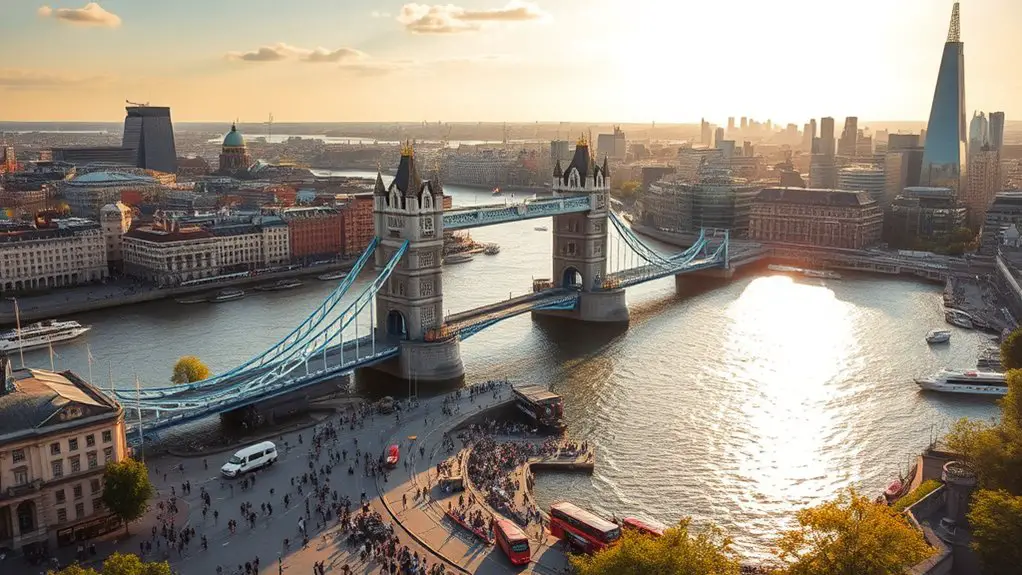
Planning a 14-day trip to London gives you enough time to see the city’s major landmarks without squeezing every attraction into a rushed weekend. This two-week London itinerary groups sights by area, mixes busy sightseeing days with slower park and neighborhood days, and leaves room for museums, markets, theatre, food, and a final trip along the River Thames.
Quick Answer
Spend 14 days in London by grouping nearby attractions: the Tower and Tower Bridge, Westminster and Buckingham Palace, the West End, South Kensington museums, Camden, Hyde Park, Borough Market, Notting Hill, Soho, and the South Bank. Use Oyster or contactless transport, reserve popular attractions early, and keep one or two days flexible for weather or closures.
Key Takeaways
- Group attractions by neighborhood so you spend more time sightseeing and less time crossing London.
- Book high-demand paid attractions and West End performances before your trip, especially during summer and school holidays.
- Several major museums offer free general admission, although special exhibitions may cost extra and advance reservations can still be useful.
- Use the same Oyster card or contactless card/device throughout a journey so Transport for London can calculate the correct fare and applicable caps.
- Check official schedules before visiting royal ceremonies, markets, fountains, and seasonal attractions because opening arrangements can change.
At a Glance
| Time Required | 14 days |
| Difficulty | Moderate; expect substantial walking and frequent public-transport use |
| Tools Needed | Comfortable walking shoes, contactless card/device or Oyster card, smartphone, weather layer, and advance tickets where required |
| Cost | Flexible; many museums, parks, neighborhoods, and markets are free, while royal sites, observation decks, theatre tickets, transport, meals, and cruises add to the total |
Disclosure: As an Amazon Associate I earn from qualifying purchases. Some links on this page are affiliate links, at no extra cost to you.
How to Use This 14-Day London Itinerary
This plan is designed around geography rather than forcing you to cross the city several times each day. Most days combine attractions that are close enough to connect on foot, by a short Tube ride, or by bus.
| Day | Main Area | Main Focus |
|---|---|---|
| 1 | Tower Hill | Tower of London and Tower Bridge |
| 2 | Westminster | Westminster Abbey and Buckingham Palace |
| 3 | West End | Theatre, shopping, and entertainment |
| 4 | South Kensington | V&A and contemporary art |
| 5 | Covent Garden | Piazza, performers, Leicester Square |
| 6 | Bloomsbury and Trafalgar Square | British Museum and National Gallery |
| 7 | Camden | Markets, music, and alternative culture |
| 8 | Hyde Park | Parks and a slower sightseeing day |
| 9 | London Bridge | The Shard and modern London |
| 10 | Southwark | Borough Market and South Bank |
| 11 | Notting Hill | Portobello Road and neighborhood streets |
| 12 | South Kensington | Science and Natural History museums |
| 13 | Soho and Chinatown | Food, architecture, and nightlife |
| 14 | River Thames | River cruise and sunset views |
Getting Around London for Two Weeks
For most visitors, pay-as-you-go travel with a contactless card/device or Oyster card is the simplest way to use the Tube, Elizabeth line, London Overground, DLR, buses, and other participating services. Check current fares and caps through Transport for London.
Use the same card or device throughout each rail journey. Do not touch in with a phone and touch out with a watch or physical card linked to the same account, because TfL treats those as different payment methods. On buses and trams, you normally touch in only.
Pro Tip: Keep Days 8 and 14 relatively flexible. They are the easiest days to move if rain, attraction closures, theatre availability, or tired legs force you to adjust the schedule.
What to Book Before Your London Trip
Reserve timed or high-demand attractions first. Priorities include the Tower of London, Westminster Abbey, Buckingham Palace when its visitor areas are open, a popular West End production, and The View from The Shard. Free museums may also offer or recommend timed admission during busy periods.
Buckingham Palace is a working royal residence, not a year-round museum. The State Rooms normally have a seasonal public opening. For example, the Royal Collection Trust lists the 2026 summer opening from July 9 through September 27.
Warning: Do not build a non-refundable day around a ceremony, market, fountain, or seasonal attraction without checking its official schedule shortly before you go. Royal events, maintenance, security requirements, and bank holidays can change normal access.
Day 1: Exploring the Historic Heart of London — Tower of London and Tower Bridge
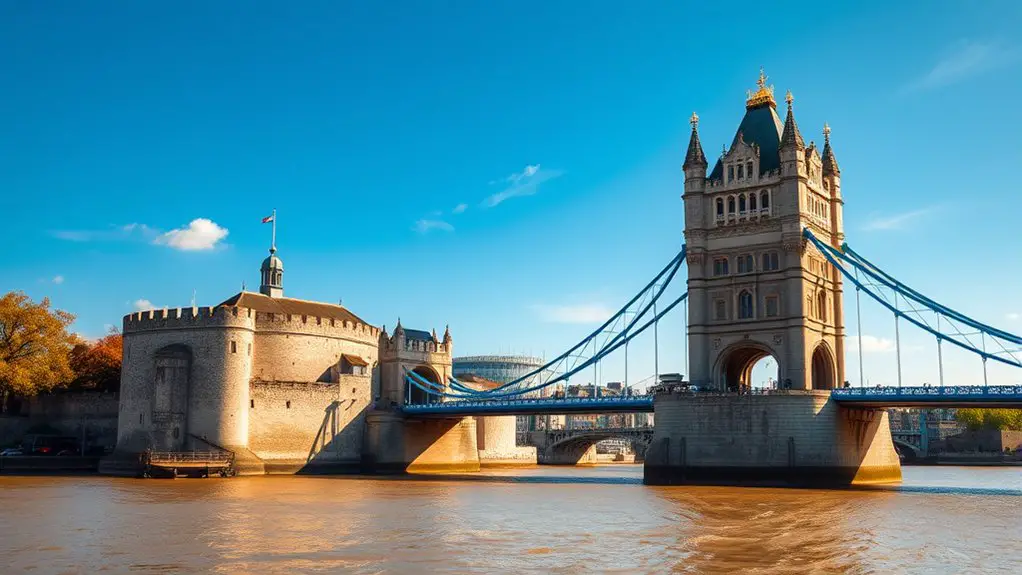
If you’re keen to step back in time, begin your two-week London trip in the city’s historic eastern core with the Tower of London and Tower Bridge.
Start at the Tower of London. Its history includes periods as a fortress, royal palace, prison, armoury, and home of the Crown Jewels. Yeoman Warders, often called Beefeaters, lead tours that explain stories of monarchy, imprisonment, execution, and intrigue.
Allow roughly two to three hours if you want time for the Crown Jewels, White Tower, walls, and a Yeoman Warder tour. During busy periods, booking admission online in advance can reduce uncertainty.
From the Tower, walk to nearby Tower Bridge. The paid interior attraction includes the high-level walkways, Victorian Engine Rooms, and famous glass floors. The official Tower Bridge visitor information confirms that the glass floors sit high above both the River Thames and the roadway.
Both sites represent different chapters of London’s development: the Tower reaches back into the medieval city, while Tower Bridge reflects Victorian engineering. Exploring them together gives you a strong introduction to London without wasting time on cross-city transport.
Note: Check temporary route closures at the Tower of London before arrival. Conservation work can affect individual rooms or entrances even when the attraction remains open.
Day 2: Discovering Royal Heritage at Westminster Abbey and Buckingham Palace
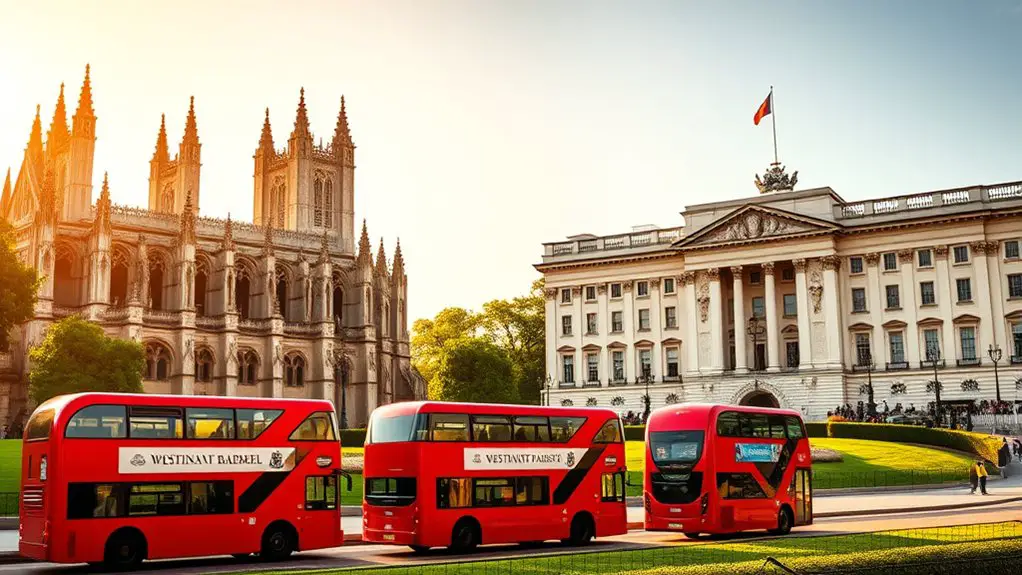
Spend Day 2 exploring the ceremonial center of London. Westminster Abbey, Parliament Square, St James’s Park, and Buckingham Palace fit naturally into one walking route.
Begin at Westminster Abbey, a church with deep connections to coronations, royal weddings, funerals, national remembrance, and British history. Afterward, walk through St James’s Park toward Buckingham Palace.
Historical Significance of Westminster Abbey
Westminster Abbey has served as Britain’s coronation church since 1066. William the Conqueror was crowned there on Christmas Day that year, and King Charles III became the 40th reigning monarch crowned at the Abbey in May 2023.
The Abbey is also connected to royal weddings, funerals, writers, scientists, politicians, and other major figures in British history. Rather than rushing through, allow time to look beyond the coronation story.
| Event | Year | Notable Figure |
|---|---|---|
| Coronation of William I | 1066 | William the Conqueror |
| Coronation of Elizabeth II | 1953 | Queen Elizabeth II |
| Funeral of Diana, Princess of Wales | 1997 | Diana, Princess of Wales |
| Wedding of Prince William and Catherine Middleton | 2011 | The Prince and Princess of Wales |
| Coronation of Charles III | 2023 | King Charles III |
Royal Ceremonies at Buckingham Palace
Royal ceremonies at Buckingham Palace show the pageantry and military traditions associated with Britain’s monarchy.
Changing of the Guard is a formal handover between the soldiers protecting the royal palaces. It is not a guaranteed daily event. The British Army currently lists the Buckingham Palace ceremony at 11:00 on Monday, Wednesday, Friday, and Sunday, but schedules can change because of weather, operational duties, rehearsals, or major events.
State banquets and other official events also use Buckingham Palace, but these are not normal tourist performances. Trooping the Colour, also known as the King’s Birthday Parade, is a separate annual military event normally held in June at Horse Guards Parade.
If your trip falls during Buckingham Palace’s public-opening season, consider adding a State Rooms ticket. Outside that period, enjoy the palace exterior, Victoria Memorial, St James’s Park, and nearby royal sights instead.
Westminster Abbey has been Britain’s coronation church since 1066, making this one of the most historically significant stops in a London itinerary.
Day 3: Navigating the West End — Theatres, Shopping, and Entertainment
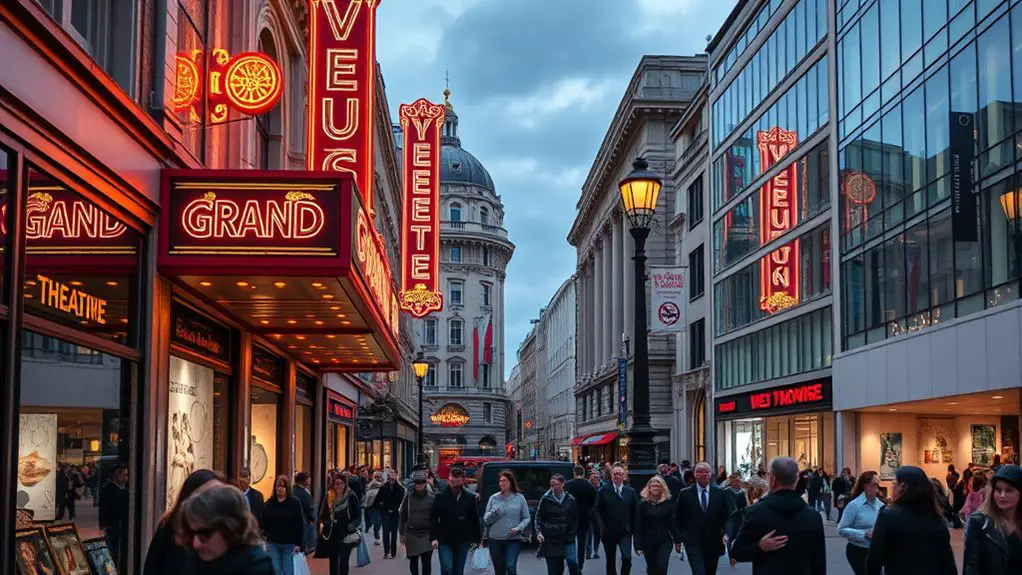
The West End combines major theatres, shopping streets, restaurants, pubs, and late-night entertainment. Give yourself a slower morning so you still have energy for an evening performance.
Browse Regent Street, Oxford Street, Carnaby Street, or Covent Garden according to your interests. Then plan dinner near your theatre rather than trying to cross London immediately before curtain time.
Major venues include the Palace Theatre, Apollo Victoria, Lyceum Theatre, Theatre Royal Drury Lane, and Sondheim Theatre, which was known as Queen’s Theatre before its 2019 renaming.
| Theatre Venues | Shopping Spots | Entertainment Options |
|---|---|---|
| Apollo Victoria | Regent Street | Comedy clubs |
| Lyceum Theatre | Covent Garden | Jazz and live music |
| Theatre Royal Drury Lane | Carnaby Street | Bars and late-night venues |
| Sondheim Theatre | Oxford Street | West End musicals |
Popular productions can sell out, so theatre tickets are one of the items worth reserving before arrival. If you prefer flexibility, keep the evening open and choose from available same-day performances.
Day 4: Art and Culture in South Kensington — Museums and Galleries
South Kensington is one of London’s strongest museum districts. The Natural History Museum, Science Museum, Victoria and Albert Museum, and nearby Serpentine Galleries make it easy to spend several days in the area without repeating the same experience.
Because Day 12 is reserved for science and natural history, use Day 4 primarily for the Victoria and Albert Museum and contemporary art.
The Victoria and Albert Museum focuses on art, design, decorative arts, textiles, fashion, furniture, sculpture, and objects from many cultures and periods. Choose a few galleries rather than trying to cover the entire collection in one visit.
Afterward, walk north toward Kensington Gardens. The Serpentine Galleries operate across two contemporary-art spaces in Kensington Gardens. General gallery admission is free, although booking can be recommended for particular exhibitions or events.
If contemporary art is not your priority, use the afternoon for Kensington Palace, the Albert Memorial, or a longer walk through Kensington Gardens.
Pro Tip: Do not try to “complete” London’s large museums. Pick several must-see rooms in advance and leave when your attention starts to fade. You have another museum day later in this itinerary.
Day 5: Strolling Through Covent Garden and Leicester Square
After several major landmark days, spend Day 5 exploring the compact entertainment district around Covent Garden and Leicester Square.
Start in Covent Garden’s historic piazza, where shops, market stalls, cafés, and licensed street performers create a busy daytime atmosphere. Explore the surrounding side streets rather than limiting yourself to the main market buildings.
Continue toward Leicester Square, known for cinemas, premieres, theatres, restaurants, and its central location between Covent Garden, Chinatown, Piccadilly Circus, and Soho.
| Location | Key Attraction | Best Fit |
|---|---|---|
| Covent Garden | Piazza, shops, performers | Late morning or afternoon |
| Leicester Square | Theatres and cinemas | Late afternoon or evening |
| Both | Food, shops, entertainment | Half-day exploration |
This is also a useful buffer day. If weather or closures disrupted an earlier attraction, you can shorten Covent Garden and use part of the day to catch up.
Day 6: Visiting the British Museum and the National Gallery
Day 6 pairs two major collections while still giving you an outdoor walk through central London between them.
Start at the British Museum, where the permanent collection includes objects such as the Rosetta Stone, Egyptian material, the Sutton Hoo collection, and works representing cultures across thousands of years. General admission to the permanent collection is free, although advance free booking is recommended during busy periods and some exhibitions charge separately.
The museum is enormous, so identify several galleries that interest you most. Trying to cover every room usually turns a rewarding visit into an endurance test.
Later, continue toward Trafalgar Square and the National Gallery. General admission is free, with charges for some special exhibitions. The collection includes works associated with artists such as Leonardo da Vinci, Monet, Van Gogh, Turner, and many other major European painters.
If two large museums in one day feels excessive, spend only the morning at the British Museum and save your energy for selected National Gallery rooms in the afternoon.
Day 7: Enjoying a Day in Camden — Markets, Music, and Alternative Vibes
Camden offers a different side of London from the royal and museum districts. Its markets, street art, music history, food stalls, and alternative fashion make it a good change of pace halfway through the trip.
Browse stalls selling clothing, crafts, gifts, vintage items, and food from many cuisines. The streets can become crowded, so explore earlier in the day if you prefer more room to walk.
Music is central to Camden’s identity. Venues, pubs, murals, and shops reflect decades of rock, punk, indie, and alternative culture. Rather than treating the neighborhood only as a shopping stop, spend time along the canal and nearby side streets as well.
Camden’s visual style combines colorful storefronts, murals, street fashion, and older industrial spaces. Whether you are shopping, listening to music, eating, or people-watching, the area feels very different from Westminster or South Kensington.
For a quieter extension, follow the canal toward Regent’s Park or use the afternoon for Primrose Hill when weather and daylight are favorable.
Day 8: Relaxing in Hyde Park and Kensington Gardens
After a full week of sightseeing, use Day 8 as a lower-intensity day in Hyde Park and Kensington Gardens.
Walk beside the Serpentine, rest on the grass, enjoy the tree-lined paths, or hire a boat when seasonal operations and weather allow. Speaker’s Corner lies near the northeast edge of Hyde Park and remains associated with public speech and debate.
Kensington Gardens adjoins Hyde Park and contains the Italian Gardens, Albert Memorial, Kensington Palace, and landscaped paths. Together, the two parks provide enough space for a relaxed half-day or full day.
The Diana Memorial Fountain is another well-known Hyde Park feature, but access can be affected by maintenance. The Royal Parks announced a temporary closure caused by a water-system fault in July 2026, so check the current fountain status before making it a required stop.
Whether you picnic, read, people-watch, visit a gallery, or simply walk, this day gives your feet and attention span a useful break before the second half of the itinerary.
Day 9: Experiencing Modern London — The Shard and The View from The Shard
Return to the London Bridge area on Day 9 to experience the modern skyline from The Shard.
The View from The Shard uses viewing spaces on Levels 69 and 72, with broad views across central London. Access arrangements can change during maintenance, so check the official visitor information before booking.
On a clear day, the elevated perspective helps you understand the geography of places you have already visited: the Thames, Tower Bridge, the City, Westminster, and neighborhoods spreading outward from central London.
Floor-to-ceiling glazing makes the indoor viewing area useful in poor weather, while the higher Skydeck experience depends more on operating conditions. Sunset is popular, but daytime visits can provide clearer detail and may be easier to fit around other plans.
Use the rest of the day for London Bridge, nearby riverside streets, or a relaxed meal rather than immediately racing to another distant part of the city.
Day 10: Exploring Historic Borough Market and the South Bank
Begin Day 10 at Borough Market, then follow the Thames west through one of central London’s most enjoyable walking corridors.
Borough Market is a major food market filled with produce, baked goods, prepared meals, specialty foods, and international flavors. Its regular 2026 schedule lists the market as closed on Mondays, with bank-holiday and festive exceptions, so swap this day with another part of the itinerary when necessary.
After eating, walk west along the South Bank. Depending on your pace, the route can take you past Shakespeare’s Globe, Tate Modern, Millennium Bridge, street performers, book stalls, restaurants, and riverside viewpoints before reaching the London Eye area.
If modern art interests you, Tate Modern is a natural optional stop. If not, stay outside and enjoy the river walk rather than adding another large museum.
This part of London combines medieval street patterns, Victorian infrastructure, former industrial buildings, modern architecture, and constant river activity. Give yourself time to stop rather than treating the walk as a race between landmarks.
Note: Borough Market trader attendance varies by day even when the market is open. Check the official calendar when a particular stall or restaurant is important to you.
Day 11: Discovering Notting Hill and Portobello Road Market
Head west on Day 11 for the terraced streets, independent shops, cafés, and markets associated with Notting Hill.
Walk Portobello Road, where the mix can include antiques, vintage goods, clothing, food, produce, and shops. Trading patterns vary by day and season, so check the current Portobello Road Market schedule before choosing which day of your trip to place this section.
Beyond the market, wander through nearby streets lined with colorful terraced houses, gardens, cafés, boutiques, and galleries. Notting Hill Gate is the name of the nearby road and Underground station area rather than a ceremonial gate, so use it mainly as a convenient transport point.
Take your time rather than focusing only on one famous photo street. The neighborhood is best experienced by walking several blocks away from the busiest sections of Portobello Road.
If the market is crowded, start early, browse the side streets, and return later for food or shopping.
Day 12: Visiting the Science Museum and Natural History Museum in South Kensington
Return to South Kensington on Day 12 for two of London’s most popular science-focused museums.
At the Science Museum, general admission is free and visitors can book free admission tickets. Galleries cover subjects such as space, engineering, medicine, communications, computing, transportation, and scientific innovation. Some special galleries, exhibitions, films, or experiences require separate tickets.
A short walk away, the Natural History Museum offers free general admission, with separate charges for some exhibitions and events. Highlights include dinosaur displays, fossils, minerals, gemstones, biodiversity, and the architecture of the museum itself.
These institutions can each fill several hours. Choose priorities before entering and allow time for security, queues, food, and breaks.
| Museum | Highlights | Planning Tip |
|---|---|---|
| Science Museum | Space, engineering, technology, science galleries | Book free general admission and check paid experiences separately |
| Natural History Museum | Dinosaurs, fossils, minerals, biodiversity | Check current gallery status, maps, and exhibition tickets before arrival |
| South Kensington Area | Cafés, V&A, Royal Albert Hall, gardens | Take a proper lunch break between museums |
For families or travelers who love science, this can easily become one of the longest days of the trip. For everyone else, leave when you feel museum fatigue and enjoy South Kensington outdoors instead.
Day 13: Exploring the Vibrant Neighborhoods of Soho and Chinatown
Use your penultimate full sightseeing day for Soho and Chinatown, two compact central neighborhoods where architecture, food, theatre, music, nightlife, and London’s multicultural history overlap.
Historic Landmarks and Architecture
Soho contains layers of entertainment and social history. Ronnie Scott’s jazz club remains one of the neighborhood’s best-known music venues, while theatres around Shaftesbury Avenue and nearby streets connect Soho to the wider West End.
Walk into Chinatown through its decorated gateways and lantern-lined streets. The area’s present identity reflects the growth of London’s Chinese community and restaurant scene, particularly during the second half of the 20th century.
Nearby Leicester Square adds major cinemas and pedestrian plazas, while side streets throughout Soho reveal a mixture of older brick buildings, newer developments, shops, pubs, restaurants, and small courtyards.
Culinary Delights and Cuisine
Soho has restaurants serving food from across the world, from long-established institutions to small modern dining rooms. Instead of committing to the first restaurant on a major street, explore several blocks and compare menus.
Chinatown offers dim sum, roast meats, noodles, hotpot, regional Chinese cooking, desserts, bakeries, and other Asian cuisines. Peking duck and spicy Sichuan dishes are common options, but the neighborhood is varied enough to reward browsing before deciding where to eat.
For an inexpensive food-focused evening, share several small dishes or snacks rather than booking one long formal meal.
Nightlife and Entertainment
Soho stays active well into the evening, with pubs, cocktail bars, jazz venues, theatres, restaurants, and small live-music spaces. Chinatown also remains busy after dark, especially around dinner.
Choose the evening according to your energy level. A quiet meal followed by a walk works just as well as a late night of music and bars, especially after nearly two weeks of sightseeing.
Day 14: Ending with a Thames River Cruise and Sunset Views
Finish your 14-day London adventure on the water with a River Thames cruise or river-bus journey.
Depending on your route, you may see Tower Bridge, the Tower of London, the London Eye, the Palace of Westminster, St Paul’s Cathedral, The Shard, and other landmarks from a perspective that is very different from street level.
Sightseeing cruises often provide recorded or live commentary, while regular river transport focuses more on getting passengers between piers. Check the route carefully so you know whether you are buying a tour or ordinary transport.
Transport for London allows contactless or Oyster payment on participating River Bus services, but river journeys have separate fare rules and do not count toward normal pay-as-you-go caps. Check TfL river fares before boarding.
For a longer final outing, choose a service continuing toward Greenwich and explore the riverside there before returning. For a slower finish, take a central cruise near sunset and leave the rest of the evening free for dinner.
As daylight fades, landmarks along the river begin to light up. Sit back and use the journey to revisit the geography of places you explored over the previous two weeks.
Practical Tips for Two Weeks in London
- Walk strategically: London rewards walking, but two weeks of long days can accumulate quickly. Use buses or the Tube when a walk adds distance without adding interesting sights.
- Check opening days: Markets, galleries, royal properties, and individual museum rooms can operate on different schedules.
- Carry a light rain layer: London weather can change during the day, and outdoor plans are easier to keep when you are prepared.
- Reserve your priorities first: Build flexible free attractions around fixed theatre times and timed tickets.
- Leave room for discoveries: A two-week stay gives you the luxury of stopping at a café, park, church, bookshop, gallery, or street that was not on the original plan.
Note: Free general admission does not always mean “walk straight in.” Security checks, capacity limits, timed free tickets, and paid temporary exhibitions can still affect museum visits.
Frequently Asked Questions
What are the best times to visit London to avoid crowds?
Weekday mornings are often easier for major attractions than midday or weekends. Spring and autumn can also feel less intense than the busiest summer and holiday periods, although London is a year-round destination. Reserve popular timed attractions even in quieter months.
How can I travel efficiently between different London neighborhoods?
Use the Tube, Elizabeth line, London Overground, buses, and walking according to the route. Pay-as-you-go travel with Oyster or contactless is convenient for most visitors. Use the same card or device throughout each journey, and group nearby attractions together to avoid unnecessary cross-city travel.
Are there any hidden gems or lesser-known attractions in London?
Yes. Look beyond the largest landmarks to smaller galleries, neighborhood markets, churchyards, canal paths, garden squares, independent museums, and streets outside the busiest tourist corridors. Even famous areas such as Notting Hill, Camden, and Southwark become quieter when you walk a few blocks away from their main attractions.
What local tips can enhance my London sightseeing experience?
Start major attractions early, use buses when you want street-level views, keep a rain layer with you, and avoid scheduling every hour. Check official attraction pages on the day of your visit because ceremonies, galleries, transport, and outdoor features can change with little notice.
How do I find affordable dining options near major tourist sites?
Walk a few streets away from the busiest landmark entrances, compare menus before sitting down, and use markets, bakeries, cafés, casual restaurants, supermarket meal options, and food halls when you want to control costs. Borough Market, Chinatown, Camden, and Soho offer many choices at different price levels.
Do I need an Oyster card for a 14-day London trip?
Not necessarily. Adult visitors can usually use either Oyster pay as you go or an accepted contactless card/device on TfL services. The best option depends on your payment method, eligibility for discounts, and whether your bank charges foreign transaction fees.
Which London attractions should I book in advance?
Prioritize reservations for the Tower of London, Westminster Abbey, Buckingham Palace when open, The View from The Shard, and popular West End shows. Also check free-ticket systems at major museums during busy travel periods.
Conclusion
A 14-day London itinerary gives you enough time to go beyond a checklist of landmarks. You can explore the Tower and Westminster, spend unrushed hours in major museums, discover Camden and Notting Hill, enjoy the West End and Soho after dark, slow down in Hyde Park, and see the city from both The Shard and the River Thames.
The key is to keep the schedule flexible. Confirm opening times and ceremonies shortly before each visit, reserve the attractions that matter most, and move days around when weather or closures make another plan more sensible. With two full weeks, you do not need to rush London—you have time to experience its neighborhoods as well as its famous sights.
Sources
- Historic Royal Palaces — Tower of London — visitor access, history, Crown Jewels, and Yeoman Warder information.
- Tower Bridge — Explore Inside — high-level walkways, Glass Floors, and visitor experience.
- Westminster Abbey — A History of Coronations — coronation history from William the Conqueror through Charles III.
- British Army — Changing of the Guard — current Buckingham Palace guard-change schedule and ceremony information.
- Transport for London — Fares — Oyster, contactless, fare, and travel-payment guidance.
- Royal Collection Trust — Buckingham Palace — seasonal State Rooms access and official visitor information.
