
Last Updated on July 27, 2026 by Daniel Globe
Ten days in London gives you enough time to see the famous landmarks without turning every day into a race. The smartest approach is to group sights by neighborhood, mix paid attractions with free museums and parks, and leave some flexibility for weather, sold-out tickets, and tired feet. This 10-day London itinerary does exactly that.
Quick Answer
Spend your 10 days exploring London by area: Westminster, South Kensington, the City, Camden, the South Bank, Kensington, Windsor, East London, the West End, and Hyde Park. Keep most days to two major attractions, use public transport between neighborhoods, and book high-demand sights before you arrive.
Key Takeaways
- Group attractions by neighborhood instead of crossing London several times each day.
- Reserve high-demand attractions such as Westminster Abbey, the Tower of London, Kensington Palace, Windsor Castle, Shakespeare’s Globe tours, and Sky Garden when possible.
- London’s major national museums can take several hours each, so choose your favorites instead of trying to see every gallery.
- Use contactless pay-as-you-go or Oyster for most city transport and use the same card or device throughout each journey.
- Keep Day 10 lighter so you have room to revisit a favorite area or catch something you missed.
At a Glance
| Time Required | 10 full sightseeing days |
| Difficulty | Moderate; expect substantial walking and periods of standing |
| Tools Needed | Contactless card/device or Oyster, comfortable shoes, phone with maps, portable charger, and a light rain layer |
| Cost | Variable. Many major museums and parks are free, while royal palaces, towers, performances, and special exhibitions require paid tickets. |
Disclosure: As an Amazon Associate I earn from qualifying purchases. Some links on this page are affiliate links, at no extra cost to you.
Before You Start: Transport, Tickets, and Pace
London rewards a little advance planning. For most journeys, Transport for London recommends pay-as-you-go contactless or Oyster as easy visitor options. Use the same card or device when you touch in and out so the system can calculate the correct fare and apply any relevant caps.
Book your highest-priority paid attractions before filling in the rest of each day. Westminster Abbey, the Tower of London, Kensington Palace, Windsor Castle, theatre performances, popular special exhibitions, and free-but-limited Sky Garden slots can all become harder to get at busy times.
Pro Tip: Treat two major attractions as a full sightseeing day. Museums such as the Natural History Museum, Science Museum, V&A, and Tate Modern are large enough to occupy several hours on their own.
Note: Opening days, exhibitions, transport works, ceremonial schedules, and attraction closures change throughout the year. Check official sites again during the week of your visit, especially for Windsor Castle, royal ceremonies, and temporary museum exhibitions.
The easiest way to enjoy London for ten days is to spend less time crossing the city and more time exploring one area at a comfortable pace.
Day 1: Exploring Westminster and Nearby Landmarks
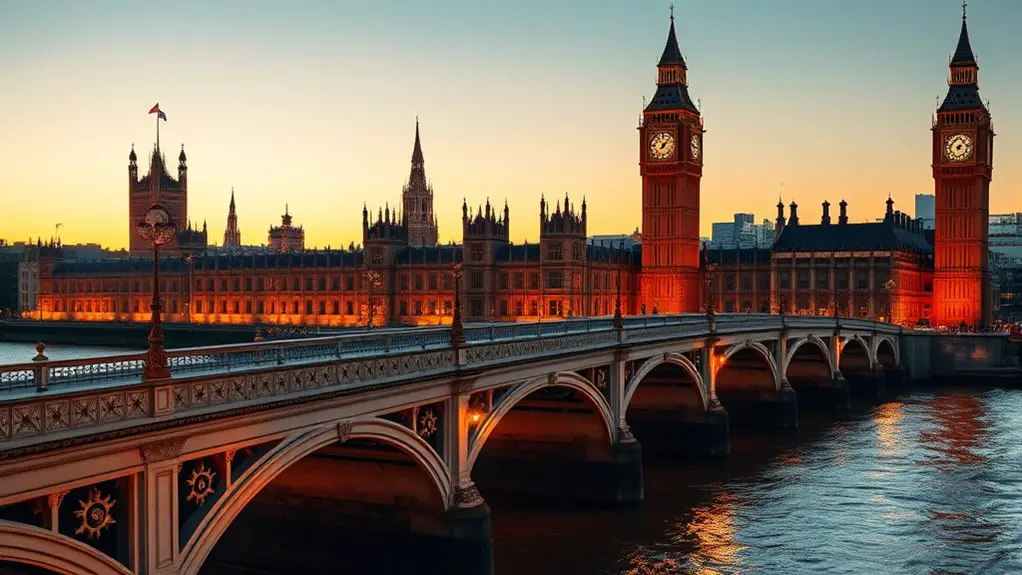
Begin your London adventure in Westminster, where many of the city’s best-known political and royal landmarks sit within walking distance of one another.
Start at Westminster Abbey. The Abbey has served as Britain’s coronation church since 1066 and has also hosted numerous royal weddings. Give yourself time to appreciate the Gothic architecture, royal tombs, memorials, and Poets’ Corner rather than treating it as a quick photo stop.
From the Abbey, walk past the Palace of Westminster and the Elizabeth Tower, home of Big Ben. Cross Westminster Bridge for one of the classic views back toward Parliament and continue onto the South Bank if you want a closer look at the London Eye.
Return toward St. James’s Park for a quieter break among lawns, trees, water, and wildlife. Continue through the park toward Buckingham Palace. Even when you are not visiting the palace interior, the forecourt and surrounding royal quarter make a natural finish to a Westminster walking route.
If you still have energy, continue toward The Mall, Trafalgar Square, and Whitehall. Otherwise, stop for dinner around Victoria, Soho, or Covent Garden and save the West End for later in the trip.
Warning: Changing the Guard and other royal ceremonies do not follow a simple daily schedule. Never build an entire morning around a ceremony without checking the official schedule shortly before your visit.
Day 2: Discovering the Cultural Heart of South Kensington
Spend Day 2 in South Kensington, where three major national museums sit close together around Exhibition Road. All three deserve time, so resist the temptation to rush through every building.
Museum Marvels Nearby
Begin at the Natural History Museum. General admission is free, although advance free-entry booking is recommended when demand is high. The museum covers far more than dinosaurs, with galleries devoted to Earth’s history, wildlife, minerals, evolution, and planetary science.
Next door, the Science Museum combines historic technology with interactive galleries. General admission is free, but the museum currently asks visitors to pre-book a free admission ticket. Paid experiences and temporary exhibitions cost extra.
The V&A South Kensington focuses on art, design, fashion, performance, decorative arts, furniture, ceramics, sculpture, and objects from cultures around the world. Its permanent collection is free to visit, while some exhibitions require paid tickets.
For most travelers, choosing two of these three museums creates a better day than attempting an exhaustive visit to all three. Save the third for a rainy afternoon or your flexible final day.
Elegant Garden Strolls
Instead of relying on an unnamed neighborhood “garden square,” which may be private, use a clearly public green space. The Natural History Museum’s gardens are free and provide an easy outdoor break without leaving the museum district.
You can also walk north toward Kensington Gardens if you want more space. The park gives you broad paths, lawns, mature trees, and an easy connection toward Kensington Palace and Hyde Park.
A short outdoor break is especially useful after several hours inside galleries. Sit for a while, have a coffee, or simply slow down before the evening.
Cultural Dining Experiences
South Kensington’s international character carries into its restaurants. Exhibition Road, Old Brompton Road, Gloucester Road, and the streets toward Knightsbridge offer British, French, Italian, Middle Eastern, Mediterranean, and Asian choices at different price points.
Rather than choosing a restaurant solely because it is beside a major attraction, walk a few streets beyond the busiest entrances. You will usually find a broader mix of cafés, pubs, bakeries, and neighborhood restaurants.
Day 3: Uncovering the Historic City of London and Tower Hill
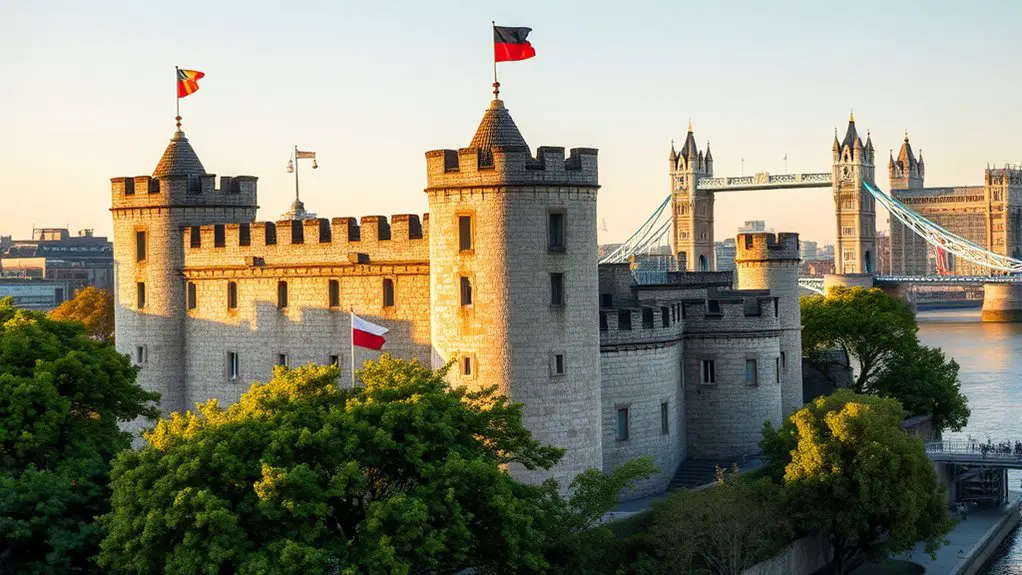
Day 3 moves east to Tower Hill and the City of London, where Roman remains, medieval churches, royal history, financial institutions, and modern skyscrapers sit surprisingly close together.
Historic Landmarks and Sites
Start at the Tower of London. This is one of the day’s major paid attractions, so allow several hours if you plan to see the Crown Jewels, historic towers, exhibitions, and grounds.
Afterward, walk across or beside Tower Bridge. The bridge’s walkways and exhibition require a ticket, but crossing the roadway and enjoying the riverside views costs nothing.
Continue west toward the Monument to the Great Fire of London, then follow the City streets toward St. Paul’s Cathedral. This route brings different periods of London’s history together without long transport transfers.
Medieval Architecture and Churches
You already visited Westminster Abbey on Day 1, so there is no need to repeat it here. Instead, explore the City area’s own historic churches.
St. Bartholomew-the-Great is one of London’s oldest surviving churches and retains striking Norman architecture. Around the City you can also find medieval street patterns, surviving fragments of Roman wall, historic guild buildings, and churches rebuilt after the Great Fire.
These smaller sites provide a useful contrast to London’s headline attractions. They also make it easier to understand how layers of Roman, medieval, Georgian, Victorian, and modern London overlap.
Financial District Highlights
Walk through the modern financial district to see how new architecture fits around historic streets. The Bank of England, founded in 1694, sits near the Royal Exchange and Mansion House.
Farther east, look for 30 St Mary Axe, better known as the Gherkin. The building should not be confused with St Mary Axe itself, which is the name of the street.
For a skyline view, consider the Sky Garden at 20 Fenchurch Street. Standard public access is free during designated hours, but timed tickets are limited and are normally released only a few weeks ahead.
Day 4: Enjoying Camden and Regent’s Park
After three landmark-heavy days, switch to a looser mix of markets, canals, food, and green space.
Begin at Camden Market. Browse independent clothing, crafts, artwork, accessories, and food stalls, then explore the surrounding streets and canal area. Camden is lively and can become crowded, particularly around lunch and on weekends, so arriving earlier gives you more room to browse.
After lunch, walk toward Regent’s Park. Spend the afternoon on its paths and lawns, visit Queen Mary’s Gardens, or simply find a bench and rest.
Boating and other seasonal activities may be available at certain times of year, but check current operating information rather than assuming they run every day.
For another view of north London, add Primrose Hill if the weather is clear. It makes an easy optional extension without turning the afternoon into another indoor attraction marathon.
Day 5: Visiting Museums, Galleries, and Historic Bankside
Spend Day 5 along the Thames, where the South Bank and Bankside combine contemporary art, theatre, food, river views, and some of London’s best walking.
Start at Tate Modern. The permanent collection is free, while major temporary exhibitions may require paid tickets. Even if contemporary art is not your main interest, the former power-station building and riverside location make it worth seeing.
Continue to Shakespeare’s Globe. You can admire the exterior from the riverside or book a theatre tour or performance. The Globe’s schedule changes through the year, so check the current program rather than relying on a fixed performance time.
Walk east toward Borough Market and Southwark Cathedral, or west toward the Southbank Centre, National Theatre, and London Eye. Which direction you choose depends on what you most want to see.
Note: The former Museum of London site at London Wall is not a current visitor museum. The new London Museum at Smithfield opens on November 28, 2026. Before that date, London Museum Docklands remains the museum’s main open site.
End the afternoon with a Thames walk. The riverside route is part of the experience: you can see St. Paul’s across the Millennium Bridge, pass street performers, and watch the skyline change as daylight fades.
Day 6: Experiencing Kensington and Notting Hill
Day 6 combines royal history with residential streets, parks, design, cafés, and one of London’s most recognizable markets.
Begin at Kensington Palace. Explore the King’s State Apartments and whichever exhibitions are available during your visit. As of July 2026, the Queen’s State Apartments are closed for a major re-presentation and are expected to remain closed until spring 2027.
After the palace, walk through Kensington Gardens. You can continue toward Hyde Park, but there is no need to explore the entire park today because Day 10 returns to this area at a slower pace.
Another worthwhile Kensington option is the Design Museum on Kensington High Street. It belongs on this side of London rather than on an East London itinerary. Add it if architecture, fashion, product design, or contemporary design interests you.
Continue west or northwest into Notting Hill. Wander the colorful residential streets and explore Portobello Road’s shops and market stalls. The mix of vendors changes by day, so check the current market schedule if antiques or a specific type of stall is important to you.
Finish with dinner around Notting Hill, Westbourne Grove, or Bayswater rather than immediately crossing town again.
Day 7: Day Trip to Windsor Castle and Surroundings
Leave central London for a full-day trip to Windsor. Great Western Railway services from London Paddington to Windsor & Eton Central generally require one change at Slough, with typical journeys around 35 minutes. Check the timetable on the day because engineering work can alter services.
Make Windsor Castle the main attraction. Explore the State Apartments and other areas open on your date, allowing enough time for security and queues.
Do not assume that Changing the Guard happens every day. The Royal Collection Trust currently advises that full guard arrivals can usually be seen on Thursday and Saturday, weather permitting, while smaller Captain’s Inspection ceremonies normally take place on Monday and Friday. Windsor Castle is normally closed to visitors on Tuesday and Wednesday, although schedules can change.
Warning: Check the official Windsor Castle calendar before choosing which day of your London trip becomes “Day 7.” Moving this day within your itinerary is better than arriving when the castle is closed.
After the castle, explore Windsor’s center and walk across the bridge into Eton. Windsor Great Park is another option if you prefer outdoor time.
Note: Eton College is not running its normal Heritage Tours programme during 2026 because of essential building works. Its museums and exhibitions have limited public openings, including selected Sunday afternoons, so verify access before planning an interior visit.
Return to London in the evening and keep the rest of the night easy. Seven consecutive sightseeing days can be tiring, and the final three days will be more enjoyable if you do not overfill this one.
Day 8: Exploring East London’s Creative Scene and Modern Attractions
Day 8 focuses on East London, moving from established gallery spaces and street art toward Stratford and Queen Elizabeth Olympic Park.
East London’s Art Hubs
Begin at Whitechapel Gallery, a long-running contemporary-art institution near Aldgate East. Its program mixes free displays and ticketed exhibitions, and the gallery is closed on Mondays.
Continue toward Brick Lane and Shoreditch. Street art changes constantly, which is part of the appeal. Explore side streets rather than looking for one permanent mural.
The Old Truman Brewery hosts markets, shops, events, exhibitions, food, and creative businesses. Check its event calendar because the experience can be very different from one weekend to the next.
Rich Mix is another East London cultural venue, with film, music, performances, and community programming. Use the day’s actual event schedule to decide whether it fits your visit.
Trendy Neighborhoods to Explore
Camden, covered on Day 4, is north of central London rather than part of this East London route. For Day 8, concentrate on neighborhoods that naturally connect with Whitechapel, Brick Lane, and Stratford.
| Neighborhood | Notable Features | Atmosphere |
|---|---|---|
| Shoreditch | Street art, cafés, nightlife, independent businesses | Energetic and creative |
| Spitalfields | Markets, historic streets, food, shopping | Historic and lively |
| Bethnal Green | Local cafés, parks, cultural venues | Residential and artsy |
| Hackney Wick | Studios, canalside spaces, V&A East Storehouse | Industrial and creative |
Modern Attractions and Landmarks
Take the Overground, Elizabeth line, Tube, or another convenient connection toward Queen Elizabeth Olympic Park. The park was developed around the London 2012 Olympic and Paralympic Games and now combines sports venues, cultural institutions, landscaped parkland, homes, restaurants, and public spaces.
One of the most important additions is V&A East. V&A East Museum is now open in Stratford, and V&A East Storehouse in Hackney Wick provides unusual public access to a huge part of the V&A collection. General admission to both is free, although some exhibitions and events may charge.
The ArcelorMittal Orbit remains an unmistakable Olympic Park landmark. If you want to enter or use its attractions, check the current operator’s opening calendar because operating days and activities can change.
Finish at V&A East Storehouse rather than relying on an unverified “East London Glass House” attraction. The Storehouse is a genuine working collection facility where visitors can explore objects across art, design, fashion, performance, and decorative arts.
Day 9: Shopping, Dining, and Entertainment in Oxford Street and Covent Garden
Dedicate Day 9 to the West End, but do not spend the entire day inside chain stores. Oxford Street works best as the start of a broader route through Soho, Carnaby, Covent Garden, and the theatre district.
Begin around Selfridges and continue east along Oxford Street. Zara maintains several locations along the street. Topshop has also returned to physical shopping on Oxford Street through John Lewis, rather than through the former standalone Topshop flagship described in older guides.
From Oxford Circus, detour through Carnaby and Soho. These smaller streets give you independent shops, restaurants, record stores, cafés, and a very different feel from Oxford Street’s large retailers.
Continue toward Covent Garden in the afternoon. Browse the market buildings, surrounding boutiques, and side streets, then stop to watch the licensed street performers around the piazza.
For the evening, book a West End theatre performance, concert, comedy show, or dinner. A performance is one of the best ways to make this day feel distinct from the sightseeing-heavy first half of the trip.
Pro Tip: If shopping is not a priority, shorten Oxford Street and spend more time in Soho, Covent Garden, the National Gallery, or at an afternoon theatre performance.
Day 10: Relaxing in Hyde Park and Final Sightseeing Adventures
Finish with a deliberately flexible day. Hyde Park is not London’s largest park—Richmond Park is much larger—but Hyde Park remains one of central London’s biggest and best-known green spaces.
Walk beside the Serpentine, sit on the grass, stop at a café, or simply enjoy having no strict reservation for a few hours. After nine active days, a slower morning can feel more valuable than squeezing in another major attraction.
Art lovers can visit the Serpentine galleries in Hyde Park and Kensington Gardens. You can also walk toward the Diana, Princess of Wales Memorial Fountain when it is open.
Note: Check the Royal Parks Hyde Park page for live notices before visiting individual facilities. In July 2026, for example, the Diana Memorial Fountain experienced a temporary closure connected with a water-system fault.
Continue into Kensington Gardens if you want a longer walk, or use the second half of Day 10 as your trip’s built-in catch-up period. This is the ideal time to return to the South Kensington museum you skipped, revisit a favorite neighborhood, take a river cruise, shop for gifts, or book a final afternoon tea.
Keeping the last day flexible also protects the itinerary from bad weather or an attraction that was unexpectedly closed earlier in the trip.
How to Keep a 10-Day London Trip Comfortable
- Wear proven walking shoes: London’s transport is excellent, but sightseeing still involves long station corridors, stairs, museum floors, and neighborhood walks.
- Leave gaps between reservations: Security lines, meals, train delays, and attractions often take longer than expected.
- Carry a light rain layer: London’s weather can change quickly even when the day starts dry.
- Use buses strategically: They can be slower than the Tube, but they offer a useful rest while letting you see the streets between attractions.
- Check accessibility before travel: Not every Underground station is step-free, while many museums and attractions provide dedicated accessible entrances and facilities.
- Keep one optional stop each day: Dropping an optional attraction is better than rushing every meal and arriving exhausted.
Frequently Asked Questions
What are the best transportation options for getting around London efficiently?
Use the Tube, Elizabeth line, London Overground, buses, DLR, and walking according to the route. Transport for London recommends pay-as-you-go contactless or Oyster as easy visitor options. Use the same card or device for each journey so the correct fare and applicable caps can be calculated.
Are there local tips for avoiding crowds at major attractions?
Book timed admission where available, arrive near opening time, and visit the most famous sights on weekdays when possible. Avoid trying to enter major museums in the middle of the busiest weekend afternoon, and reserve flexible outdoor stops for peak periods.
How can I find authentic local dining experiences in each area?
Walk a few streets beyond major attraction entrances and explore neighborhood high streets, markets, pubs, bakeries, and small restaurants. Areas such as Soho, South Kensington, Notting Hill, Shoreditch, Spitalfields, and Camden all offer far more than tourist-focused dining immediately beside landmarks.
What are some hidden gems or lesser-known sites worth visiting?
Try St. Bartholomew-the-Great, smaller City churches, the Natural History Museum gardens, residential streets around Notting Hill, canals near Hackney Wick, or the V&A East Storehouse. Smaller stops work best when they fit naturally between major attractions rather than requiring a long detour.
When is the best time of year to visit London for pleasant weather?
Late spring through early autumn usually gives you longer daylight and better conditions for parks and walking, although rain is possible in any month. May, June, September, and early October can offer a useful balance between outdoor sightseeing and avoiding part of the peak midsummer rush.
Which London attractions should I book before the trip?
Prioritize any attraction you would be disappointed to miss. Common advance bookings include Westminster Abbey, the Tower of London, Kensington Palace, Windsor Castle, Shakespeare’s Globe tours or performances, West End shows, special museum exhibitions, and Sky Garden timed admission.
Is 10 days too long for London?
No. Ten days lets you see the major sights while also spending time in museums, parks, markets, and neighborhoods. It also gives you room for a Windsor day trip and a slower final day instead of compressing London into a rushed three- or four-day schedule.
Sources
- Transport for London — Best Ways for Visitors to Pay — contactless, Oyster, pay-as-you-go, and fare-capping guidance.
- London Museum — Smithfield — current November 28, 2026 opening information.
- Historic Royal Palaces — Kensington Palace — current visitor information and State Apartments closure.
- Royal Collection Trust — Windsor Castle — official castle visitor and scheduling information.
- Victoria and Albert Museum — V&A East — current information for V&A East Museum and Storehouse.
- The Royal Parks — Hyde Park — current park information, facilities, and visitor notices.
Conclusion
A well-planned 10-day London itinerary gives you something a shorter visit rarely can: time to slow down. You can see Westminster, the Tower of London, world-class museums, Camden, the South Bank, Kensington, Windsor, East London, the West End, and Hyde Park without making every day exhausting.
Keep your advance reservations focused on the attractions that matter most, group the rest of your sightseeing by neighborhood, and leave room for weather and spontaneous discoveries. By the end of ten days, you will have seen London’s famous landmarks while also experiencing the markets, parks, side streets, museums, and neighborhoods that give the city its character.
