
Last Updated on July 27, 2026 by Daniel Globe
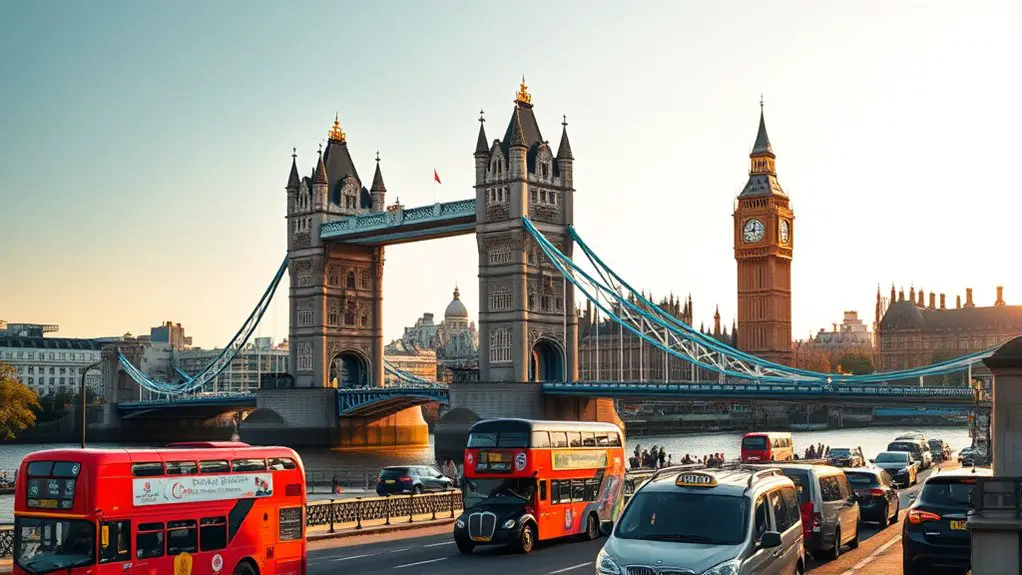
Four days in London gives you enough time to see major landmarks, explore world-class museums, sample busy markets, and spend time in a few local neighborhoods without turning the trip into a race. The key is to group nearby sights, limit how many ticketed attractions you enter each day, and leave room for meals, transport, and unexpected discoveries.
Quick Answer
Spend four days in London by grouping historic landmarks on Day 1, museums and creative districts on Day 2, markets and neighborhoods on Day 3, and modern riverfront attractions plus green space on Day 4. Prebook major sights, choose only one or two large museums per day, and use contactless or Oyster pay-as-you-go.
Key Takeaways
- Group attractions by area instead of crossing London repeatedly.
- Allow roughly half a day for major sights such as the Tower of London once queues, security, and sightseeing are included.
- Choose one or two museums on Day 2 rather than attempting the British Museum, National Gallery, Tate Modern, V&A, and Science Museum in a single day.
- Check market trading days, attraction opening times, and Changing the Guard schedules shortly before your visit.
- For TfL pay-as-you-go travel, use the same contactless card, phone, watch, or Oyster card consistently when touching in and out.
At a Glance
| Time Required | 4 full days, ideally excluding most of your arrival and departure time |
| Difficulty | Moderate; expect substantial walking, standing, stairs, and public transport |
| Tools Needed | Contactless card/device or Oyster card, navigation app, comfortable shoes, portable charger, and advance tickets where required |
| Cost | Variable; many major national museums have free general admission, while palaces, historic attractions, observation decks, theatre, and special exhibitions are usually paid |
Disclosure: As an Amazon Associate I earn from qualifying purchases. Some links on this page are affiliate links, at no extra cost to you.
How to Plan Four Days in London Before You Go
The most efficient London itinerary uses one major attraction as an anchor for each half-day. Avoid treating every attraction mentioned in this guide as mandatory. London is too large, and its biggest museums and historic sites can easily take several hours each.
Reserve priority attractions before the trip when timed admission is offered. Start with anything you would be disappointed to miss, such as the Tower of London, Westminster Abbey, a West End show, a major observation deck, or a special exhibition. Always check official opening information again shortly before the visit because ceremonies, services, maintenance, transport work, and special events can change access.
Pro Tip: On Transport for London services, contactless cards, mobile devices, and Oyster cards can be used for pay-as-you-go travel. Use the same card or the same device each time you touch in and out; switching between a physical card and a phone linked to that card can prevent journeys from being grouped correctly for applicable daily capping. Check current fares and disruptions on Transport for London.
If walking long distances is difficult, build the itinerary around step-free stations and the accessibility pages for individual attractions. Historic buildings can contain uneven surfaces, stairs, security queues, and long internal walking routes. A rainy day is also a good reason to swap an outdoor neighborhood block for a museum rather than forcing the original schedule.
Day 1: Classic Landmarks and Historic Highlights
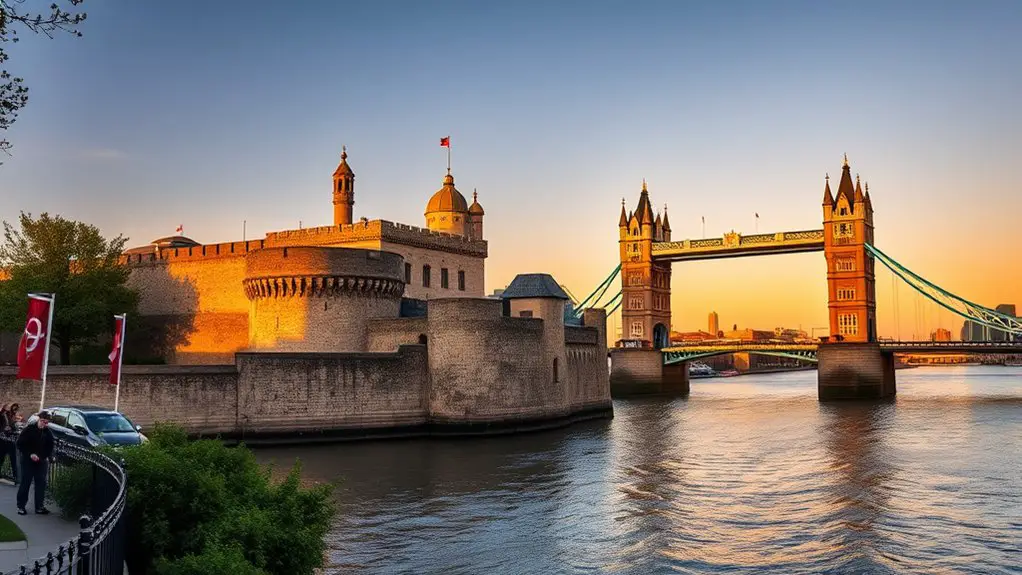
Use your first day for London’s best-known royal and historic sights, but keep the schedule realistic. The Tower of London should be your main morning attraction rather than one stop in a rapid checklist.
Morning: Tower of London and Tower Bridge
Book an early practical entry time for the Tower of London. Inside, you can see the Crown Jewels, explore the fortress and palace complex, and learn about centuries of royal history, imprisonment, defense, and ceremony.
Plan at least three hours for the Tower of London if you want more than a rushed look at its main sights.
Afterward, walk toward Tower Bridge. Crossing the lower roadway and pedestrian path gives you Thames views without another admission ticket. If the bridge itself is a priority, the ticketed Tower Bridge experience adds high-level walkways, glass floors, and the Victorian Engine Rooms. On a packed Day 1, however, skipping the exhibition gives you more time in Westminster.
Afternoon: Westminster and Buckingham Palace
Travel west to Westminster after lunch. See the Houses of Parliament and Elizabeth Tower, which houses the Great Bell commonly known as Big Ben.
If you want to tour Westminster Abbey, check that day’s visitor entry times and reserve enough time for the interior. The Abbey is a working church, so services and special events can affect sightseeing access. If your Tower visit runs long, enjoy the Abbey’s exterior and save an interior visit for another trip rather than rushing through it.
Continue through St James’s Park toward Buckingham Palace. The palace exterior makes a natural final stop even when the State Rooms are not open to visitors.
Warning: Do not build the entire day around an assumed Changing of the Guard time. The ceremony follows a schedule, but timings can change and weather can affect proceedings. Check the current information from the Royal Collection Trust and the linked British Army schedule shortly before you go.
This route gives you the Tower, Tower Bridge, Westminster, and Buckingham Palace without pretending that every paid interior can comfortably fit into the same day.
Day 2: Cultural Treasures and Artistic Gems
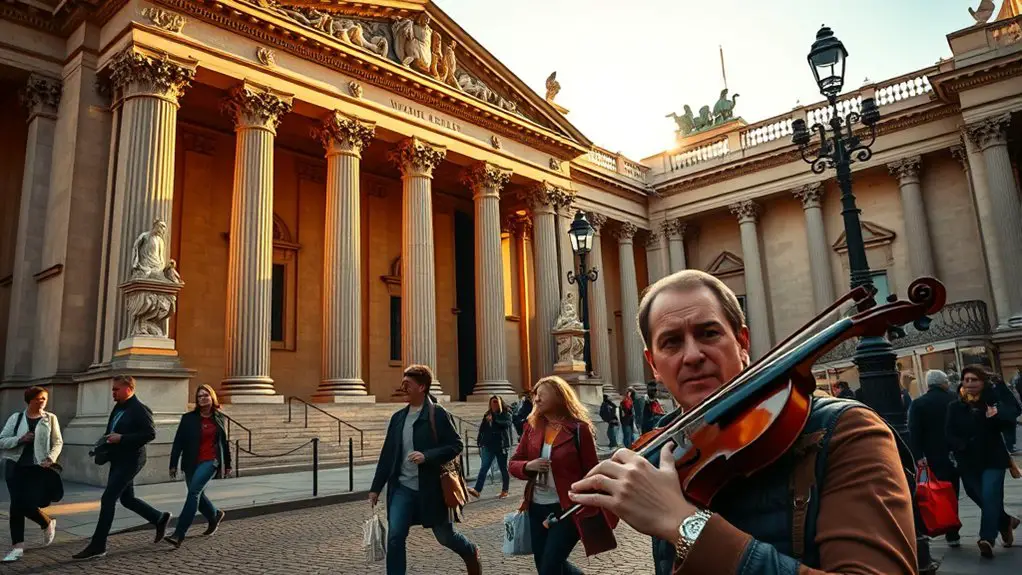
On your second day, explore London’s art and museum collections, then spend the late afternoon or evening in a creative neighborhood. The important rule is to choose a route instead of attempting every major museum in one day.
Iconic Museums and Galleries
London’s museums and galleries can fill an entire trip on their own. Choose the pair that best matches your interests.
- Bloomsbury and the West End: Start at the British Museum, where highlights include the Rosetta Stone and extensive Egyptian collections. Continue later to the National Gallery at Trafalgar Square for paintings by artists including Turner and Van Gogh. If you are seeking a specific painting, check its current location before arriving because gallery works can cause room closures or temporary moves.
- South Kensington: Pair the Victoria and Albert Museum with the Science Museum. The V&A’s general admission is free and normally does not require booking, while the Science Museum currently asks visitors to pre-book a free admission ticket. Paid exhibitions and experiences can have separate requirements.
- Modern art: Choose Tate Modern if modern and contemporary art is your priority. Its Bankside setting also works well with the Millennium Bridge, St Paul’s views, and a South Bank walk. If you choose Tate today, do not automatically repeat it on Day 4.
Note: “Free museum” does not always mean “no planning needed.” General collections may be free while temporary exhibitions are ticketed, and some institutions use free timed admission. Check the museum’s own website the week of your visit.
Historic Landmarks and Monuments
The Tower of London, Tower Bridge, Westminster Abbey, Elizabeth Tower and Big Ben, and Buckingham Palace remain essential historic landmarks, but they should not be repeated on Day 2 simply because they are famous.
Instead, use this part of the day as a backup if weather, queues, a closure, or a late arrival stopped you from completing Day 1. For example, you could visit Westminster Abbey this morning if you only saw its exterior yesterday, or tour Tower Bridge if you skipped its exhibition.
This approach preserves the opportunity to explore Britain’s royal and architectural history without spending two consecutive days retracing the same route. London’s story stretches from Roman Londinium through medieval, imperial, industrial, and modern periods, so four days are better used seeing different parts of that history.
Artistic Neighborhoods Exploration
After the museums, use the remaining part of the day for one creative district. Shoreditch works well for street art and independent businesses, while Soho and Fitzrovia are convenient after the National Gallery. Camden has a different mix of music history, market stalls, food, and alternative culture. Dalston and Hackney take you farther east and are better for travelers who specifically want local nightlife or contemporary creative scenes.
| Artistic Focus | Neighborhoods |
|---|---|
| Street Art & Murals | Shoreditch, Camden |
| Galleries & Studios | Soho, Fitzrovia |
| Alternative Scenes | Dalston, Hackney |
Give yourself time to wander instead of treating these neighborhoods as collections of individual attractions. Independent shops, cafés, music venues, galleries, and street art are the reason to visit.
Day 3: Neighborhoods, Markets, and Local Flavors
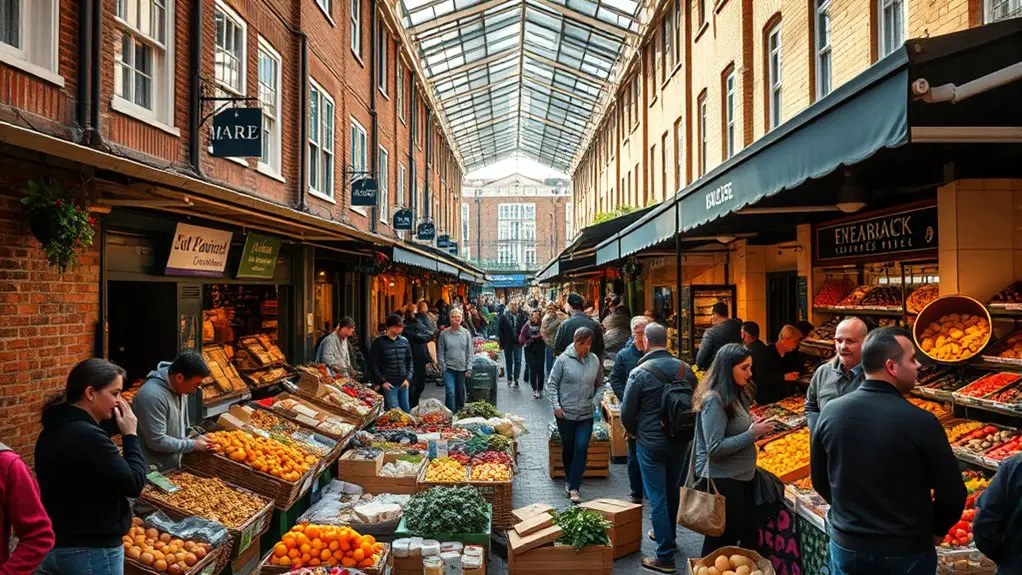
Day 3 is for markets and neighborhood life. Rather than trying to visit every famous market, pick a route that matches the day of the week and your interests.
Exploring Vibrant Boroughs
London’s neighborhoods have noticeably different characters. Greenwich combines maritime history, green space, a historic town center, and river views. Shoreditch is better for street art, nightlife, creative businesses, and an East London atmosphere.
Walking through smaller streets also brings you past independent shops, cafés, pubs, homes, and community spaces that are easy to miss when traveling only between major monuments.
Do not feel obligated to cover Greenwich, Shoreditch, Camden, and Notting Hill on the same day. The travel time between them quickly turns an enjoyable neighborhood day into another transportation checklist.
Markets and Food Stalls
London’s markets range from produce halls to street-food hubs, antiques districts, and fashion markets. Their strongest trading days differ, so confirm current hours before choosing your Day 3 route.
| Market Name | Notable For | Location |
|---|---|---|
| Borough Market | Produce, specialist food, baked goods, street food | Southwark / London Bridge |
| Camden Market | Fashion, independent stalls, street food | Camden Town |
| Brick Lane and nearby markets | Food, vintage finds, independent shops | East London |
| Portobello Road Market | Antiques, vintage items, clothing, food | Notting Hill |
| Southbank Centre Food Market | Street food, snacks, drinks | South Bank |
Borough Market is next to London Bridge station rather than being inside the South Bank district, although it combines easily with a riverside walk toward Shakespeare’s Globe, Tate Modern, and the Southbank area. Its normal trading schedule includes a Monday closure, with exceptions possible around special dates.
Portobello Road has activity throughout the week, but the exact mix of antiques, fashion, food, and street traders varies by day and season. Camden is an easier choice when you want a market that operates daily.
Note: Market hours can change for bank holidays, seasonal events, and special trading days. Check the market’s official page shortly before you travel instead of relying on an old itinerary’s opening hours.
Three Easy Day 3 Route Options
- East London: Shoreditch, Brick Lane, nearby independent shops and food, then a quieter stop such as St Dunstan in the East as you move back toward the City.
- South London riverside: Borough Market, London Bridge, the Thames path, South Bank, and any riverside attraction you skipped earlier.
- North or West London: Choose Camden for food and alternative culture, or Notting Hill and Portobello Road for colorful streets, antiques, shops, and cafés.
Hidden Local Gems
Well-known areas such as Soho and Notting Hill attract plenty of visitors, but smaller stops can add more contrast to your itinerary.
Hampstead Village offers attractive streets, independent shops, cafés, historic pubs, and easy access to Hampstead Heath. Nearby, the Hill Garden and Pergola is a distinctive landscaped retreat.
Warning: The Hill Garden and Pergola is undergoing essential maintenance in 2026. Some areas may be inaccessible and scaffolding may be visible, so check current conditions before making a special trip.
In Kensington, Leighton House is the former home and studio of Victorian artist Frederic Leighton. Its richly decorated Arab Hall and collections make it a worthwhile alternative to London’s larger museums.
Closer to the City, St Dunstan in the East Church Garden turns the ruins of a historic church into a peaceful public garden.
Columbia Road Flower Market is another atmospheric option when its Sunday market fits your schedule. Arrive with realistic expectations: a popular market can feel lively rather than “hidden,” especially during its busiest hours.
For an immersive historic experience in East London, Dennis Severs’ House is another unusual option, but visits are timed and the historic building has significant accessibility limitations. Check its current visitor information before booking.
Day 4: Modern Attractions and Relaxing Escapes
Use your final day for London’s modern skyline, the Thames, and a slower green-space stop. Keep this day flexible so you can also pick up something you missed earlier.
If you skipped Tate Modern on Day 2, begin there and then walk along the South Bank. If you already visited Tate, start farther along the river instead of repeating the museum.
For a high-level city view, choose the View from The Shard if you want a ticketed observation experience. Alternatively, Sky Garden offers free timed public access when tickets are available, along with separately operated bars and restaurants. You generally do not need to spend valuable time visiting both viewpoints unless skyline photography is a major priority.
Jubilee Gardens beside the London Eye provides an easy riverside pause. For a more substantial green escape, consider Regent’s Park and the Queen Elizabeth II Garden. This newer two-acre garden offers level paths, seating, accessible facilities, planting, and a calmer contrast to central London’s busiest streets.
A leisurely coffee, park walk, or unplanned hour beside the Thames is not wasted itinerary time. After three full sightseeing days, a less crowded final afternoon often makes the trip more enjoyable.
Optional Excursions and Tips for a Seamless Visit
If you prefer a major excursion, replace part or all of a London day rather than squeezing an out-of-town trip on top of the four-day schedule.
Optional Excursions
- Greenwich: The easiest choice when you still want to remain within London. Combine the historic center, riverside, park, and maritime attractions for a half or full day.
- Hampton Court Palace: A strong choice for Tudor and royal history. Allow substantial travel and sightseeing time and treat it as a major half-day or full-day outing. Check Historic Royal Palaces for current tickets and opening information.
- Windsor: Best treated as a dedicated excursion rather than an extra evening stop. Check Windsor Castle’s official visitor information because royal events can affect access.
Practical London Travel Tips
Booking important attractions in advance can reduce uncertainty and prevent a sold-out time slot from breaking your route. Sky Garden’s free public tickets, for example, are currently released on a limited advance-booking window, while other attractions use their own schedules.
For public transportation, contactless pay-as-you-go or Oyster is straightforward for most visitors. Travelcards still exist, but compare them with your expected journeys rather than assuming one is automatically cheaper. TfL’s fare rules and caps can change, so check the official site before traveling.
Wear comfortable shoes and keep your daily bag light. A portable charger is useful because navigation, attraction tickets, photography, and transit information can drain a phone quickly. Carry water and a small snack when appropriate, but check museum and attraction bag or food rules before entering.
For navigation, TfL Go, Citymapper, and Google Maps can all help with routes. Always look at live TfL information when a closure or disruption could affect a timed reservation.
At restaurants, check the bill before adding a tip because a service charge may already have been included. You do not need to treat tipping as an automatic extra on every purchase.
Pro Tip: Save each day’s paid attraction tickets, hotel address, and essential directions where you can access them offline. That gives you a backup if mobile data is weak or your preferred navigation app fails.
Evening Activities and Nightlife Suggestions
London’s evenings can be as relaxed or as busy as you want. The best choice usually depends on where your daytime route ends.
For city views, book a Sky Garden public visit or one of its separate hospitality venues rather than assuming walk-up rooftop access will be available. If you prefer nightlife, Soho has a dense mix of pubs, bars, clubs, restaurants, and live entertainment.
A West End show is one of the easiest cultural additions to a four-day trip because the theatre district fits naturally after a West End or Westminster sightseeing day. Book a particular production ahead when seeing it is important to you.
Jazz fans can check the current program at Ronnie Scott’s, while a Thames evening cruise offers a different view of illuminated riverside landmarks. Cruise schedules, routes, and included services vary by operator, so compare the actual itinerary before booking.
Whether you prefer a pub, live music, theatre, a river cruise, or an early night, avoid scheduling every evening in advance. Leaving one evening open gives you breathing room if a daytime attraction takes longer than expected.
Frequently Asked Questions
What is the best time of year to visit London for fewer crowds?
January and February are generally among London’s quieter months, apart from periods such as February half-term. The broader January-to-April and September-to-November shoulder periods can also have lower footfall than peak summer, but school holidays, Easter, major events, and Christmas activities change the pattern. Check VisitLondon’s current seasonal guidance before choosing dates.
How can I efficiently use public transportation during my stay?
For many visitors, contactless pay-as-you-go or Oyster is the simplest approach. Use the same card or device for every touch in and out so your journeys are recorded correctly for applicable fare capping. Plan routes with TfL Go, Citymapper, or Google Maps, and check live TfL service information before leaving for a timed attraction. Travelcards remain available in some forms, so compare the current options if your travel pattern is unusual.
Are there any hidden or lesser-known attractions worth visiting?
Yes. Dennis Severs’ House, Leighton House, St Dunstan in the East Church Garden, Hampstead Village, and the Hill Garden and Pergola all provide a different experience from London’s major landmarks. Check access before making a special trip to the Pergola because conservation work in 2026 currently affects parts of the site.
What are some family-friendly activities suitable for children?
The Science Museum is a strong indoor option, while Hyde Park, Regent’s Park, London Zoo, Thames boat trips, and family activities at major museums can break up long sightseeing days. Match the itinerary to the children’s ages and allow more breaks than an adults-only trip. The Science Museum currently requires visitors to pre-book a free general-admission ticket.
How do I prioritize attractions for a short four-day trip?
Choose two or three non-negotiable attractions for the whole trip, then group everything else by neighborhood. Limit yourself to one major paid attraction in a half-day and one or two large museums in a day. Treat smaller sights as optional additions instead of mandatory stops. That keeps delays, meals, transit, and rest from ruining the schedule.
Which London attractions should I book in advance?
Book anything that is essential to your trip and uses timed admission. Common priorities include the Tower of London, Westminster Abbey, popular observation experiences, West End shows, special museum exhibitions, and Sky Garden when you want free public access at a particular time. Requirements change, so always book through or verify against the attraction’s official website.
Is four days enough for a first trip to London?
Four full days are enough for a strong introduction to London, including major historic landmarks, one or two museum areas, a market or neighborhood day, and a modern riverside day. It is not enough to see everything. A better first trip covers fewer places well and saves other neighborhoods, museums, and day trips for a future visit.
Conclusion
A successful four-day London itinerary is less about checking off every famous attraction and more about using your time well. Spend Day 1 on historic landmarks, Day 2 on a carefully chosen museum route and creative district, Day 3 in markets and neighborhoods, and Day 4 along the modern riverfront with time to slow down. Check current schedules before you leave, reserve your must-see attractions, and keep one or two optional stops each day. That balance lets you experience London’s history, art, food, neighborhoods, and modern city life without spending the entire trip rushing between them.
Sources
- Transport for London — official fares, pay-as-you-go travel, journey planning, and service updates.
- Historic Royal Palaces — Tower of London — attraction inclusions and recommended visit duration.
- Westminster Abbey — official visitor entry times and ticket information.
- Royal Collection Trust — Buckingham Palace visitor information and Changing the Guard guidance.
- Science Museum — current visitor information and free-ticket booking requirement.
- VisitLondon — official seasonal and quieter-period visitor guidance.
