
Last Updated on July 28, 2026 by Daniel Globe
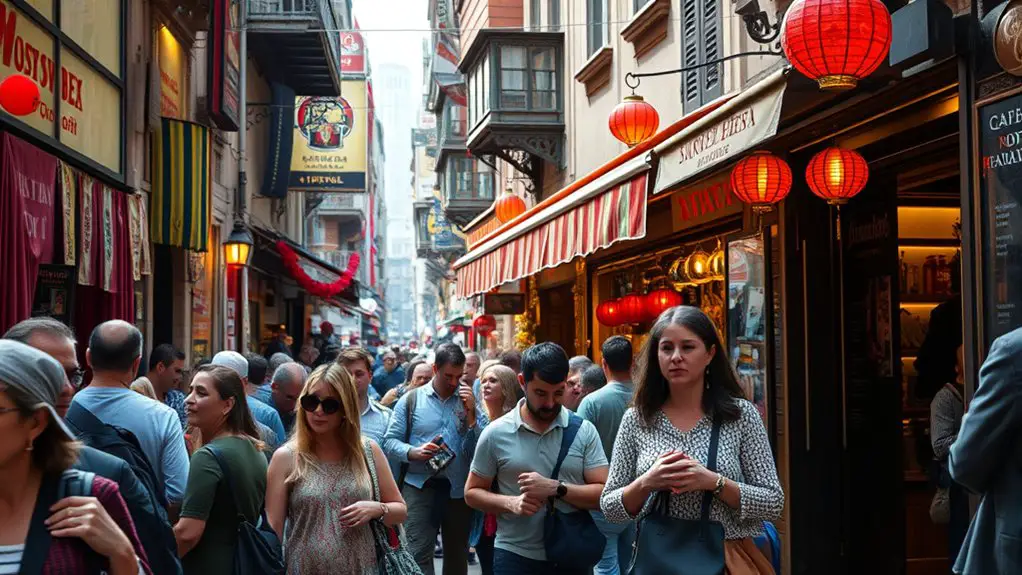
Istanbul’s busiest tourist areas can become extremely crowded, creating opportunities for street robbery and pickpocketing. Stay especially alert around Taksim Square, Sultanahmet, the Grand Bazaar, the Spice Bazaar, crowded streets, and public transport. A few simple habits can greatly reduce your risk.
Quick Answer
Pickpocketing is a real risk in Istanbul’s busiest tourist areas and on crowded public transport. Keep your phone and wallet in a closed front-facing bag, carry only what you need, ignore sudden distractions, use licensed metered taxis, and report theft quickly. For an urgent emergency in Türkiye, call 112.
Key Takeaways
- Known risk areas: Official travel guidance names Taksim Square, Sultanahmet, the Grand Bazaar, and the Spice Bazaar among Istanbul locations where crime is more common.
- Best protection: Keep valuables out of easy-access pockets, wear a closed crossbody bag in front, and stay alert when someone creates an unexpected distraction.
- Carry identification: Turkish law requires photo ID. Current official guidance tells foreign travelers to carry their passport or residence permit, so do not rely only on a photocopy.
- Watch for other scams: Inflated taxi fares, long routes, bar-bill scams, street ATMs, drink spiking, and counterfeit alcohol are also reported.
- If theft happens: Move to a safe place, block cards and devices, call 112 if there is immediate danger, obtain a police report, and contact your embassy or insurer when needed.
Disclosure: As an Amazon Associate I earn from qualifying purchases. Some links on this page are affiliate links, at no extra cost to you.
Current Safety Picture in Istanbul
As of July 28, 2026, the U.S. Department of State rates Türkiye at Level 2: Exercise Increased Caution. The advisory cites terrorism, armed conflict, and arbitrary detention. It also tells travelers to use caution in crowded public places and avoid demonstrations and crowds.
The Level 4 warning applies to areas within 10 kilometers, or about 6 miles, of Türkiye’s borders with Syria and Iraq. That warning does not include Istanbul, but it should not be used to describe the whole country as risk-free. Conditions can change, so check the latest advisory shortly before and during your trip.
The UK government’s Türkiye safety guidance says street robbery and pickpocketing are common in Istanbul’s major tourist areas. It also reports ongoing demonstrations in Istanbul that may become violent or disrupt transportation. Avoid protests, leave if a crowd begins to form, and follow local authorities.
Note: A travel-advisory level is not a promise that a destination is safe or unsafe. It is a prompt to understand the named risks, avoid restricted areas, and adjust your plans as conditions change.
Common Pickpocketing Hotspots in Istanbul
Crowded areas give thieves more chances to get close without being noticed. Current Australian government travel guidance for Türkiye identifies Taksim Square, Sultanahmet, the Grand Bazaar, and the Spice Bazaar as Istanbul tourist areas where crime is more common.
The greatest everyday theft risk is not simply being in a famous place. It is being distracted while someone can reach your phone, wallet, bag, or passport.
Istiklal Street is also extremely busy and is a frequent location for demonstrations. Treat any packed shopping street, tram platform, station, festival, queue, or street performance as a higher-attention zone, even when it is not named on an official hotspot list.
- Markets and bazaars: Keep your bag zipped and in front while browsing, bargaining, or handling cash.
- Trams, metros, buses, and ferries: Move valuables away from outer pockets before boarding and keep one hand on your bag in dense crowds.
- Queues and entrances: Watch for sudden bunching near ticket gates, attraction entrances, escalators, and vehicle doors.
- Outdoor tables: Do not leave a phone or wallet at the edge of a café table.
- Demonstrations and major events: Leave the area rather than trying to pass through a crowd.
Recognizing Pickpocketing Tactics
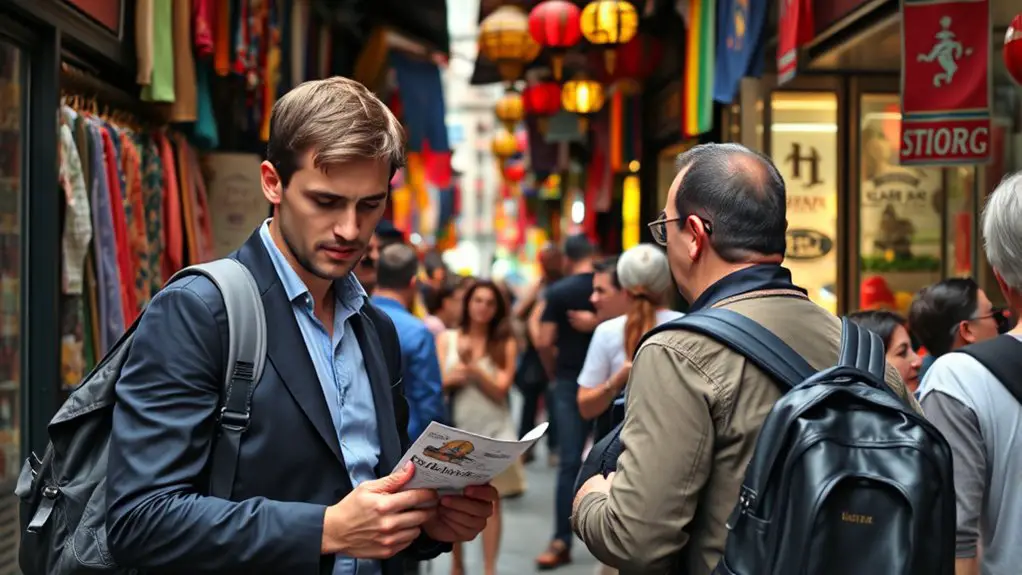
Pickpockets depend on speed, access, and divided attention. A person may bump into you, ask a question, point to something on your clothing, start an argument, offer unwanted help, or create a commotion. Another person may then reach into a pocket or open a bag.
Do not judge risk by age, clothing, or appearance. A thief may look like another traveler, a shopper, or a helpful local. Focus on behavior instead: crowding, repeated contact, blocked movement, unusual interest in your bag, or a distraction that feels forced.
Common warning signs include:
- Someone pressing unusually close when there is room to move away.
- A stranger touching your clothing or insisting that you dropped or spilled something.
- One person drawing your attention while another moves beside or behind you.
- A bag zipper, flap, or pocket that has shifted without explanation.
- A phone, wallet, or passport being repeatedly visible while you pay, take photos, or check directions.
Warning: Do not physically confront a suspected thief. Street robbery and assault are also reported in Istanbul. Move toward staff, police, security, or a well-lit business, and call 112 if you are threatened or in immediate danger.
Strategies to Protect Your Belongings
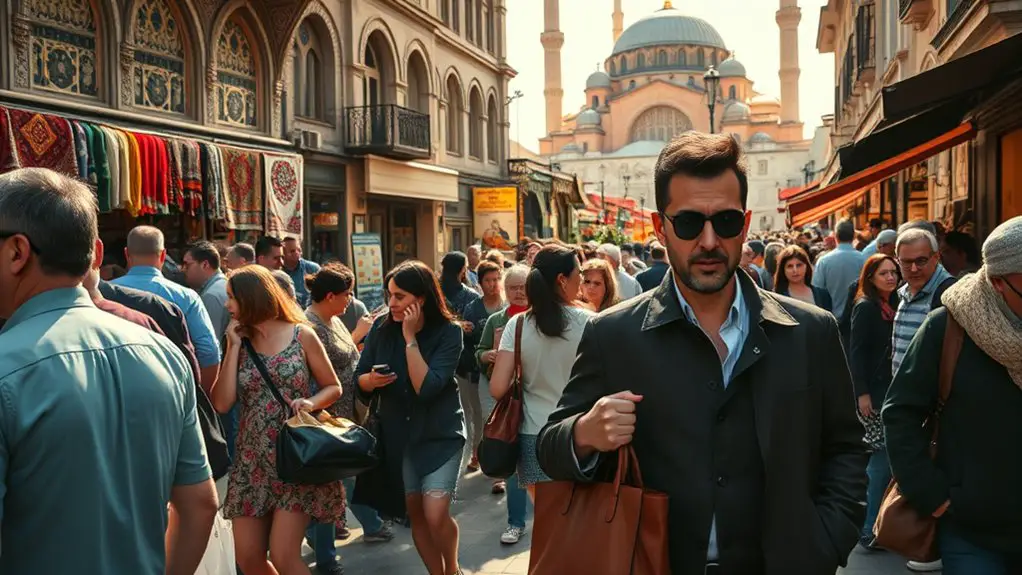
The best setup is simple: carry less, keep important items in separate secure places, and make every pocket or zipper difficult to reach without your noticing.
Before You Leave Your Hotel
- Carry only the cash and payment cards you expect to use that day.
- Keep a backup card in a separate secure location.
- Save your bank’s international card-blocking number and your insurer’s emergency number.
- Turn on a strong phone passcode, biometric lock, device tracking, and remote-lock features.
- Back up important photos and documents before the trip.
- Keep a secure paper and digital copy of your passport information page separate from the original.
On Streets and Public Transport
- Use a zipped crossbody bag worn in front rather than an open tote or loose backpack.
- Do not use back trouser pockets for a wallet or phone.
- Close every zipper after paying or taking a photo.
- Step against a wall or into a shop before checking directions or sorting money.
- Keep luggage between your feet or against your body, not behind your chair.
- Avoid displaying large amounts of cash, expensive jewelry, or multiple devices.
Pro Tip: Turkish law requires travelers to carry photo identification. Current official guidance says foreign visitors should carry their passport or residence permit. Keep the original secured on your body, not in an easy-access bag pocket, and store copies separately in case it is lost or stolen.
Dressing and Behavior Tips for Travelers
Clothing does not prevent theft, and modest dress should not be presented as a crime-control method. It is mainly a matter of respecting local customs, especially at mosques, shrines, and in more conservative areas.
Modesty in Conservative Areas
Official travel guidance recommends modest dress at mosques and religious shrines. Covering shoulders and knees is a practical baseline for many religious sites. Some mosques may also ask visitors to remove shoes or provide additional covering.
- Religious sites: Follow posted rules and staff directions.
- Conservative areas: Choose clothing that does not draw avoidable attention or cause offense.
- Valuables: Avoid displaying expensive jewelry, watches, or cash, regardless of what you wear.
Local Customs Respect
Friendly, respectful behavior can make travel smoother. “Merhaba” means hello, and polite bargaining is common in many markets. Stay courteous, but do not let a long sales pitch, unsolicited help, or pressure to enter a shop distract you from your belongings.
| Aspect | Practical Advice | Why It Helps |
|---|---|---|
| Religious Sites | Cover shoulders and knees; follow posted rules | Shows respect and avoids access problems |
| Valuables | Avoid flashy jewelry and visible cash | Reduces unwanted attention |
| Greeting | Use “Merhaba” and remain polite | Supports positive interactions |
| Shopping | Bargain calmly and keep your bag closed | Lets you participate without losing awareness |
Safe Practices in Crowded Areas
Situational awareness matters most when people are close enough to touch your clothing or bag. Prepare before entering the crowd instead of trying to reorganize valuables in the middle of it.
- Secure valuables first: Zip your bag, move it to the front, and put your phone away before boarding transit or entering a market.
- Limit what you carry: Bring only the cards, cash, and devices you need.
- Keep moving: If someone creates an unexpected distraction, step away before responding.
- Choose your position: Stand with your back near a wall or barrier when checking a map, ticket, or wallet.
- Avoid isolated routes: At night, favor well-lit streets, staffed stations, and licensed transportation.
- Watch demonstrations: Do not enter or photograph a protest crowd. Leave early if one forms nearby.
Note: Türkiye’s unified emergency number is 112 for police, fire, ambulance, gendarmerie, and other urgent services. Current official foreign-government sources list two Istanbul Tourist Police numbers: +90 505 187 6614 and +90 212 527 4503. For immediate danger, use 112.
Avoiding Common Tourist Scams Beyond Pickpocketing
Pickpocketing is only one way travelers can lose money in Istanbul. Official travel guidance also warns about taxi overcharging, long routes, inflated bar bills, street ATMs, drink spiking, and unsafe counterfeit alcohol.
Taxi Safety
- Use a licensed taxi, a hotel-arranged car, or a reputable app-based taxi service.
- Note the vehicle registration number before entering.
- Make sure the meter is running and visible.
- Follow the route on your own map when practical.
- If using an app, check that the driver enters the correct final amount.
- Do not accept rides from unofficial drivers who approach you at an airport or attraction.
Cash, Cards, and ATMs
- Use an ATM inside a bank, shop, or shopping center rather than a freestanding street machine.
- Shield your PIN and inspect the card slot for anything loose or unusual.
- Count cash and change before leaving the counter.
- Keep payment cards in sight and check account alerts for unauthorized charges.
- Avoid carrying large U.S. dollar notes; official UK guidance reports that some banks and exchanges may reject $50 or $100 bills because of counterfeit concerns.
Bars, Restaurants, and Drinks
Be cautious when a newly met stranger insists on taking you to a particular bar, restaurant, or club. Istanbul travelers have reported extremely inflated bills and threats when they refuse to pay. Check prices before ordering, keep the menu or price list, and leave if the situation feels controlled or pressured.
Buy your own drinks, watch them being prepared, and never leave food or drinks unattended. Official guidance also warns that counterfeit or illegally produced alcohol containing methanol has caused serious illness and deaths in Türkiye. Choose sealed branded products from reputable businesses and seek urgent medical help if you feel unexpectedly ill after drinking.
Warning: If a taxi driver, shopkeeper, bar, or restaurant threatens you over a disputed charge, do not escalate the confrontation. Move to a public staffed place and call 112.
What to Do If You Are Pickpocketed
Act quickly, but first make sure you are out of danger.
- Move to a safe place. Go into a staffed shop, hotel, transit office, police post, or other well-lit public location.
- Check exactly what is missing. Separate a stolen item from something left at a café, hotel, taxi, or security checkpoint.
- Block payment cards. Use your bank app or call the bank’s emergency number. Review recent transactions and dispute unauthorized charges.
- Secure your phone. Use your device account to mark it lost, lock it remotely, suspend the mobile line, and change important passwords from another trusted device.
- Call police when needed. Dial 112 for immediate danger or urgent police help. For non-emergency tourist assistance, try the Tourist Police numbers listed above.
- Obtain a written police report. Ask for a copy and keep the report number. Insurers and embassies may request it.
- Contact your insurer. Follow its documentation and deadline requirements.
If Your Passport Is Stolen
Report the theft to local police and contact the embassy or consulate for your nationality. U.S. citizens should follow the State Department’s lost or stolen passport process and contact the U.S. Consulate General in Istanbul. Once a U.S. passport is reported lost or stolen, it is canceled and cannot be used for travel even if it is later found.
If Your Phone Is Stolen
Do not chase the thief. Lock the phone remotely, remove it from mobile-payment services, tell your carrier to suspend the SIM or eSIM, change your email and banking passwords, and watch for phishing messages that claim the phone has been found. Keep the device’s serial number or IMEI with your travel records if your insurer or police ask for it.
Additional Resources for Traveler Safety
Use official sources for decisions that affect your safety. Check travel advisories, embassy alerts, local authority instructions, and your accommodation’s current guidance. Travel forums and blogs can offer recent personal experiences, but they may be incomplete or outdated.
Save emergency contacts before you leave, carry only what you need, keep legal photo ID secure on your body, and have a plan to block cards and devices quickly.
If you need directions, ask uniformed transit staff, police, your hotel, or an official tourist information desk. They can help you identify safer routes, avoid a demonstration, or locate the nearest police station.
The U.S. Embassy and Consulates in Türkiye victim-assistance page currently lists Istanbul Tourist Police at +90 505 187 6614 and advises victims to file a police report. Australian Smartraveller currently lists +90 212 527 4503. Because official listings can differ or change, use 112 for urgent help.
Frequently Asked Questions
Is Istanbul bad for pickpockets?
Pickpocketing and street robbery are common in Istanbul’s major tourist areas, according to official UK travel guidance. The risk is higher in crowded markets, tourist sites, public transport, queues, and events where someone can approach closely. A closed front-facing bag and good situational awareness lower the risk.
Where are pickpockets most active in Istanbul?
Official Australian travel guidance names Taksim Square, Sultanahmet, the Grand Bazaar, and the Spice Bazaar as tourist areas where crime is more common. Stay alert in any dense crowd, including trams, metros, ferries, shopping streets, attraction entrances, and festivals.
What should travelers be careful of in Istanbul?
Watch for pickpocketing, bag snatching, street robbery, taxi overcharging, long taxi routes, inflated bar bills, street ATMs, drink spiking, counterfeit alcohol, demonstrations, and security threats. Use licensed transportation, avoid protests, keep drinks in sight, and monitor current official advisories.
What is the safest area for tourists in Istanbul?
No official source identifies one district as Istanbul’s safest tourist area. Sultanahmet is convenient and busy, but official guidance also lists it among places where tourist-area crime is more common. Choose well-reviewed accommodation on a lit, active street with secure entry, staffed reception, and practical transport access.
Is Istanbul safe for Americans right now?
As of July 28, 2026, the U.S. Department of State rates Türkiye at Level 2, Exercise Increased Caution, due to terrorism, armed conflict, and arbitrary detention. The Level 4 area is within 10 kilometers of the Syrian and Iraqi borders, not Istanbul. Americans should still avoid demonstrations, stay alert in tourist areas, and review the latest advisory before travel.
Should I leave my passport in the hotel safe?
Current official guidance says Turkish law requires photo identification and advises foreign travelers to carry a passport or residence permit. Keep it secured under your clothing or in a hard-to-reach inner compartment, and store paper and digital copies separately. Do not assume a photocopy alone will satisfy an ID check.
Conclusion
Istanbul can be explored with confidence when you use practical precautions and keep current risks in perspective. Secure your phone, wallet, cards, and legal photo ID before entering crowded places. Avoid forced distractions, unofficial taxis, street ATMs, pressured bar invitations, and demonstrations. If something is stolen, move to safety, block access quickly, obtain a police report, and contact the right emergency, consular, or insurance service.
Sources
- U.S. Department of State — Türkiye Travel Advisory — current advisory level, named risks, border restriction, and traveler precautions.
- UK Government — Türkiye Safety and Security — Istanbul crime, demonstrations, taxi safety, photo-ID rules, dress guidance, drink spiking, and counterfeit alcohol.
- Australian Government Smartraveller — Türkiye — Istanbul crime areas, scams, ATM guidance, licensed taxis, emergency contacts, and Tourist Police details.
- Republic of Türkiye 112 Emergency Call Center — nationwide unified emergency number.
- U.S. Embassy and Consulates in Türkiye — Victims of Crime — police-report steps and Istanbul Tourist Police contact information.
- U.S. Department of State — Lost or Stolen Passport Abroad — reporting and replacement steps for U.S. passports.
