
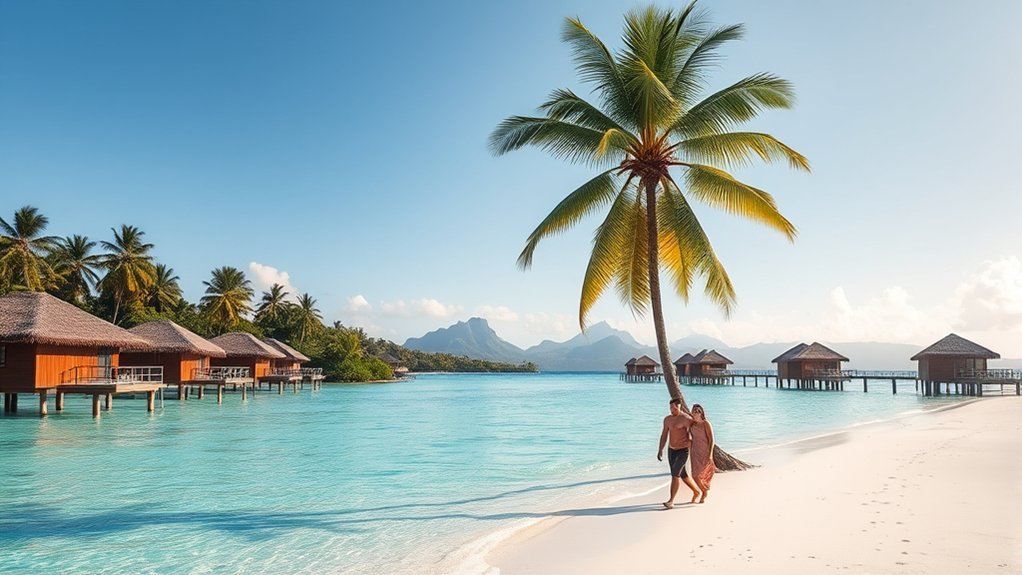
Last Updated on September 11, 2026 by Daniel Globe
Early October is one of the most balanced times to visit French Polynesia. The Society Islands are still near the end of their cooler, drier season, lagoons remain warm for swimming, and the busiest June-to-September travel period has usually eased. October is also within humpback whale season, although weather and wildlife sightings can never be guaranteed.
Quick Answer
Yes, early October is a good time to visit French Polynesia. Expect warm tropical conditions, generally lower rainfall than during the wet season, comfortable lagoon water, whale-watching opportunities, and somewhat lighter crowds than in July or August. Pack for both strong sun and short tropical showers.
Key Takeaways
- October is the final month of the cooler, drier season in the Society Islands, but rain is still possible.
- Tahiti-Faaa has a long-term October mean temperature of about 26.2°C and normal monthly rainfall of about 102 mm.
- October falls within humpback whale season, especially around Tahiti, Moorea, and the Austral Islands.
- Crowds are often lighter than during the June-to-September high season, but popular resorts and whale tours can still fill up.
- Conditions differ among the Society, Tuamotu, Marquesas, Austral, and Gambier archipelagos, so plan for the islands you will actually visit.
Disclosure: As an Amazon Associate I earn from qualifying purchases. Some links on this page are affiliate links, at no extra cost to you.
Why Visit French Polynesia in Early October?
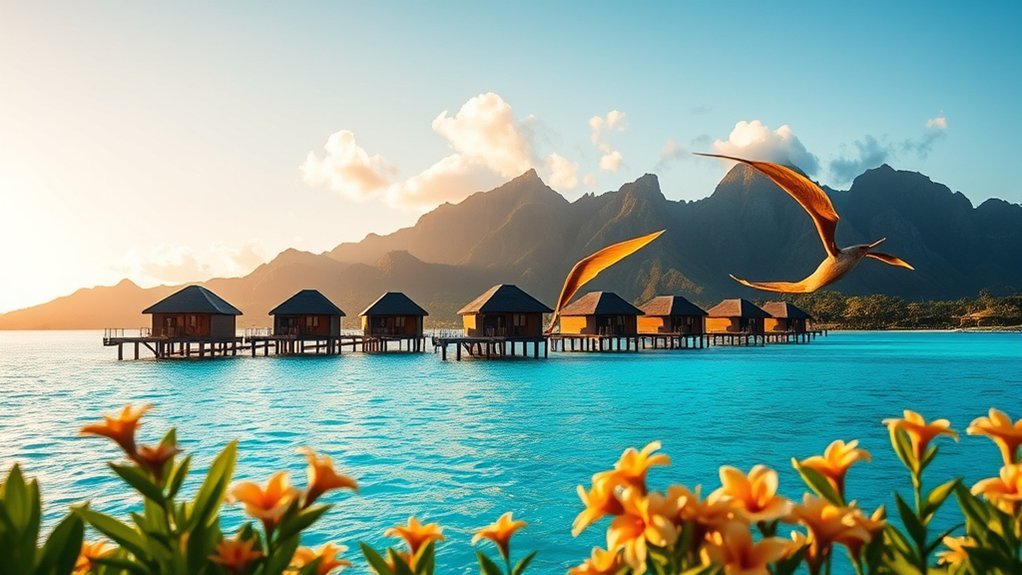
Early October gives you many of the benefits of the dry season without quite as much peak-season pressure. According to Tahiti Tourisme, the busiest period generally runs from June through September. October can therefore feel calmer, although famous resorts, overwater bungalows, and limited-capacity excursions may still be busy.
The month works especially well if you want a mix of lagoon activities and land adventures. Snorkeling, scuba diving, paddleboarding, beach days, hiking, cultural visits, and whale watching can all fit into one trip. You also get longer and warmer days as French Polynesia moves toward its wetter summer season.
October at a Glance
| Season | End of the cooler, drier season in the Society Islands |
| Tahiti-Faaa Mean Temperature | About 26.2°C in October based on long-term climate normals |
| Tahiti-Faaa Rainfall Normal | About 102 mm for the month, with large year-to-year and local differences |
| Crowd Level | Often lighter than July and August, but not necessarily quiet |
| Best For | Snorkeling, diving, hiking, lagoon trips, whale watching, and mixed-island itineraries |
What’s the Weather Like in Early October?
French Polynesia has a tropical maritime climate, but it covers a huge part of the South Pacific. Weather on Tahiti or Bora Bora cannot represent every island. Météo-France Polynésie describes May through October as the generally cooler season with lower humidity, while November through April is warmer and more humid. It also stresses that the seasonal pattern differs among the archipelagos.
Weather in Tahiti, Moorea, and Bora Bora
The Society Islands have one of the territory’s clearest wet-and-dry cycles. October is still part of the drier period, but it is also a transition month. Rainfall normally begins to increase as November approaches, so you should expect a mix of sunshine, clouds, and occasional showers rather than a full month of cloudless days.
At Tahiti-Faaa, the long-term October normal is a mean temperature of 26.2°C and monthly precipitation of 102.2 mm, according to the Japan Meteorological Agency’s ClimatView database.
Those figures are historical averages, not a forecast for your exact travel dates. Mountains, trade winds, and island orientation can create sharp local differences. One side of an island may be wet while another remains bright.
Weather in the Other Archipelagos
- Tuamotu Islands: Generally warm, breezy, and well suited to diving, with less mountain-driven rainfall because the atolls are low and flat.
- Marquesas Islands: Seasonal rainfall does not follow exactly the same pattern as Tahiti and Bora Bora. Conditions can be hotter or drier in some northern areas.
- Austral Islands: Cooler and more exposed to changing weather, with stronger winds and larger swells possible.
- Gambier Islands: Often cooler than the Society Islands, with rainfall spread more evenly through the year.
Note: Check the Météo-France forecast for each island a few days before hiking, diving, boating, or taking an inter-island flight. Monthly averages cannot predict a specific week.
What Are the Best Things to Do in October?
Snorkeling and Lagoon Trips
The lagoons remain warm enough for long swims, snorkeling trips, paddleboarding, kayaking, and boat excursions. Moorea and Bora Bora are easy choices for clear lagoon scenery, while Rangiroa and Fakarava appeal to travelers who want more dive-focused itineraries.
Visibility and currents change with tides, wind, and recent weather. Follow local guides, use flotation equipment when offered, and avoid standing on coral.
Scuba Diving
October can be an excellent month for diving because water temperatures are comfortable and the main wet season has not fully arrived. The Tuamotu atolls are known for passes, current-driven dives, sharks, rays, and large schools of fish. Choose an operator that matches the dive site to your certification and experience.
Whale Watching
October falls within humpback whale season. Tahiti Tourisme explains that humpbacks migrate to French Polynesia’s warm waters to mate, give birth, and raise young. Tahiti, Moorea, and the Austral Islands are among the main areas associated with whale excursions.
Sightings are never guaranteed. Sea conditions, whale behavior, and local rules may change whether a tour can enter the water or approach a group.
Warning: Whale observation is regulated in French Polynesia. Use an authorized operator and follow the crew’s instructions. Official guidance restricts how boats may enter the observation area and prohibits whale approaches in lagoons, bays, and passes.
Hiking and Inland Tours
Lower humidity and somewhat cooler conditions can make October more comfortable for hiking than the peak wet-season months. On Tahiti and Moorea, you can explore valleys, waterfalls, viewpoints, volcanic ridges, and archaeological sites.
Some routes cross private land or require a guide. Tropical rain can also make steep paths slippery very quickly, so do not judge trail safety only by the weather at the coast.
Markets, Food, and Cultural Experiences
Spend time at Papeete Market, visit local craft shops, try poisson cru, sample tropical fruit, and look for dance or music performances. Smaller guesthouses can also provide a closer connection to local food and community life than a self-contained resort.
Pro Tip: Schedule your most weather-sensitive boat or hiking activity early in the trip. That leaves time to move it if wind, rain, or sea conditions cause a cancellation.
What Events Happen in French Polynesia in October?
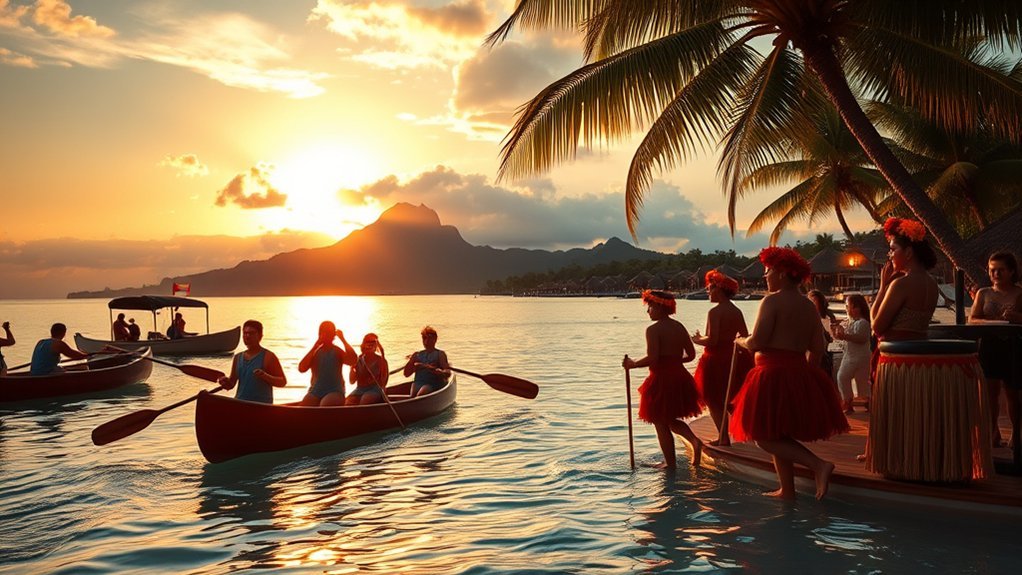
October event schedules vary by island and year. You may find dance performances, artisan markets, church celebrations, sporting events, food festivals, and municipal cultural programs, but you should not assume that the same event will run on the same dates every year.
Matavai Bay and Point Venus on Tahiti are closely connected to the history of the Bounty and other European voyages. However, replica-ship displays, ceremonies, or reenactments should be treated as special scheduled events rather than guaranteed annual attractions. Check the current Tahiti Tourisme calendar, local municipal pages, and your accommodation’s activity desk before building your itinerary around one event.
If there is no major festival during your stay, you can still explore this history through Point Venus, local museums, monuments, guided island tours, and cultural centers.
Which Islands Are Best in October?
Tahiti for Culture, Food, and Easy Arrival
Tahiti is the main international gateway and a useful first or final stop. Choose it for markets, restaurants, museums, Point Venus, waterfall valleys, surf culture, and a broader range of services. Spending at least one or two nights here also protects you from a tight international-to-domestic flight connection.
Moorea for a Balanced First Visit
Moorea combines beaches, lagoon tours, whale excursions, hiking, viewpoints, farms, and guesthouses within a relatively compact island. It is a strong option for travelers who want activity without changing hotels several times.
Bora Bora for Luxury and Lagoon Scenery
Bora Bora suits honeymoons, special occasions, overwater stays, and lagoon-focused relaxation. October can be less pressured than the middle of the high season, but premium room categories still require early booking.
Rangiroa or Fakarava for Diving
The Tuamotu atolls are best for travelers who place diving, snorkeling, marine life, and quiet island surroundings above nightlife or extensive shopping. Build some flexibility into domestic flight connections because schedules and weather disruptions can affect remote-island travel.
The Austral Islands for a Whale-Focused Trip
Rurutu is strongly associated with seasonal humpback whale observation. It also offers caves, cliffs, traditional crafts, and a quieter atmosphere. The climate can feel cooler and less predictable than Bora Bora or Tahiti, so bring a light layer and rain protection.
Where Should You Stay in French Polynesia in October?
Choose your island before choosing a hotel. A beautiful resort cannot make up for staying on the wrong island for your main interests.
- Luxury lagoon stay: Bora Bora has the widest selection of famous overwater resorts.
- Independent travel: Moorea and Tahiti offer hotels, guesthouses, vacation rentals, and easier access to shops and restaurants.
- Diving trip: Rangiroa and Fakarava have dive lodges and pensions close to the main passes.
- Whale-focused trip: Rurutu has smaller-scale accommodations and seasonal excursion operators.
- Culture and transit: Tahiti is the most practical base for markets, museums, dining, and flight connections.
The former Le Méridien Bora Bora is no longer the current resort name. The property now operates as The Westin Bora Bora Resort & Spa. Marriott lists overwater bungalows, beachside villas, Mount Otemanu views, a private lagoon, dining venues, and an Eco Centre that works with rescued and rehabilitating turtles.
For a more local and usually less expensive stay, consider a family-run pension. These properties may include breakfast or dinner and can offer a quieter experience than a large resort. Confirm airport or ferry transfers before booking, especially on smaller islands.
Are Crowds and Prices Lower in October?
October often feels less crowded than July or August because Tahiti Tourisme identifies June through September as the main high season. That does not make October a true bargain month everywhere. Whale tours, honeymoon resorts, overwater bungalows, school-holiday dates, and limited domestic flights may still sell out.
Compare flexible rates rather than assuming every shoulder-season price is low. A slightly higher refundable booking may be worthwhile when your plans depend on weather-sensitive flights or excursions.
- Reserve domestic flights before committing to nonrefundable island hotels.
- Book a whale excursion in advance, then confirm it again after arrival.
- Leave extra connection time before your international departure.
- Check whether resort rates include boat transfers, meals, taxes, or activity fees.
What Should You Pack for an October Trip?
- Light clothing: Breathable shirts, shorts, dresses, and swimwear.
- Rain protection: A compact rain jacket or poncho and a small dry bag.
- Sun protection: A hat, sunglasses, high-SPF sunscreen, and a long-sleeved swim shirt.
- Water footwear: Reef shoes or secure sandals for rocky shorelines and boat landings.
- Hiking gear: Shoes with reliable grip, water, and a small first-aid kit.
- Insect protection: Repellent and light clothing that covers your arms and legs in the evening.
- Light layer: Useful for windy boat rides, air-conditioned rooms, and cooler evenings in the Austral or Gambier Islands.
- Reusable bottle: Helpful during tours, although you should confirm whether local tap water is recommended on each island.
Pack medications, chargers, and one change of clothes in your carry-on. Checked baggage can occasionally arrive after you when an itinerary includes several flight connections.
What Are the Downsides of Visiting in October?
October is a strong travel month, but it is not perfect for everyone.
- Rainfall can begin increasing as the wet season approaches.
- Whale sightings and in-water encounters are never guaranteed.
- Luxury resorts may remain expensive even after the main high season.
- Remote island flights offer fewer choices and may be disrupted by weather.
- Mountain trails can become muddy or unsafe after a tropical shower.
- Travelers who want the lowest hotel prices may find better deals during wetter months.
Choose early October if you value a balance of weather, wildlife, and somewhat lighter crowds. Choose the middle of the dry season if minimizing rain is your highest priority, or consider the wetter season if lower prices matter more than weather certainty.
Frequently Asked Questions
Is October a good month to visit French Polynesia?
Yes. October is near the end of the cooler, drier season in the Society Islands and is suitable for beaches, snorkeling, diving, hiking, and whale watching. Rain is still possible, and conditions differ among the archipelagos.
When is the least suitable time to visit French Polynesia?
There is no single bad month, but November through April is generally warmer, wetter, and more humid in the Society Islands. Travelers who dislike tropical rain may prefer May through October. Those seeking lower prices may still prefer the wetter season.
What are the rainiest months in French Polynesia?
Rainfall varies by archipelago. In the Society Islands, the wetter season generally runs from November through April, and December and January are usually the wettest months. The Marquesas, Australs, Tuamotu, and Gambier Islands follow different patterns.
Is early October better than late October?
Early October may offer a slightly better chance of dry-season conditions, while late October moves closer to the wetter summer period. The difference is not guaranteed, so use climate averages only as planning guidance and check the forecast near departure.
Can you see humpback whales in French Polynesia in October?
Yes, October is within the seasonal humpback whale period. Sightings are common enough to support organized tours, but they are never guaranteed. Book an authorized operator and follow all local approach rules.
Do I need a rain jacket in October?
Yes. October is often pleasant, but tropical showers can occur in any season. A lightweight rain jacket, waterproof phone pouch, and small dry bag are useful for boat trips, hikes, and inter-island travel.
Conclusion
Early October is a smart time to visit French Polynesia if you want warm lagoons, outdoor activities, seasonal whale-watching opportunities, and somewhat lighter crowds than during the middle of the high season. The Society Islands are generally still within their drier period, but October is a transition month, so pack for both sunshine and tropical showers.
For the best trip, choose islands that match your priorities, reserve limited flights and excursions early, use authorized wildlife operators, and check the local forecast before heading onto the water or into the mountains.
Sources
- Météo-France Polynésie — Climate of French Polynesia — seasonal patterns and climate differences among the archipelagos.
- Japan Meteorological Agency — Tahiti-Faaa Climate Normals — October mean temperature and precipitation.
- Tahiti Tourisme — When to Visit the Islands of Tahiti — dry season, high season, activities, and island-specific travel timing.
- Tahiti Tourisme — Whale Season — humpback migration and seasonal observation opportunities.
- French Polynesia Directorate of the Environment — Marine Mammal Observation Rules — authorized approaches, observation zones, and wildlife-protection requirements.
- Marriott — The Westin Bora Bora Resort & Spa — current property name, accommodation, lagoon, dining, and Eco Centre information.
