
Last Updated on September 11, 2026 by Daniel Globe
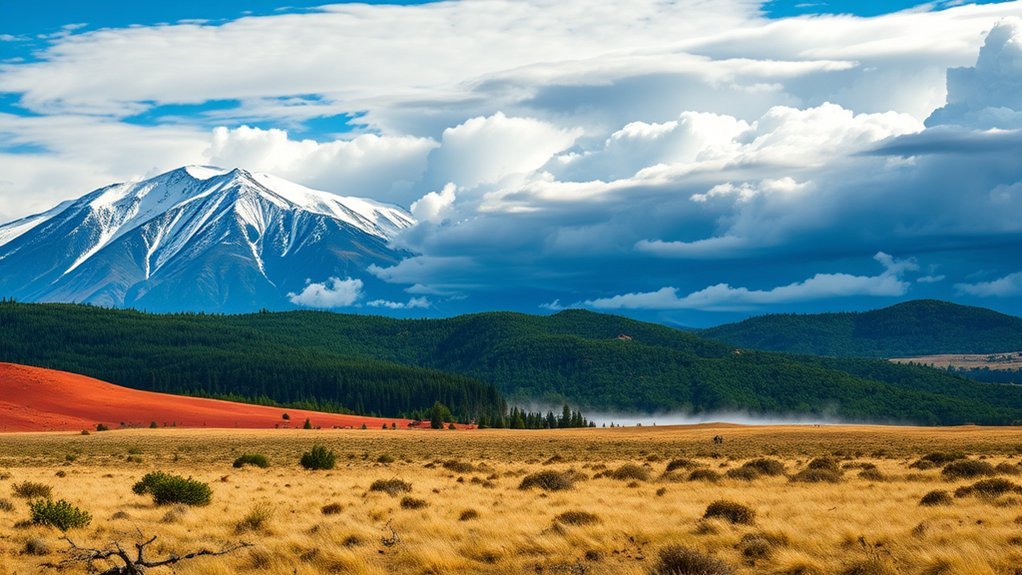
Argentina’s weather varies more than many travelers expect. The country stretches from the subtropical north to Tierra del Fuego and rises from Atlantic beaches to some of the highest peaks in the Andes. That means one trip can include humid heat, dry desert air, mountain snow, cool coastal weather, and powerful Patagonian wind.
Quick Answer
Argentina has subtropical heat in the north, a temperate climate around Buenos Aires, dry conditions near the central Andes, and cool, windy weather in Patagonia. Seasons are opposite those in the Northern Hemisphere: summer is December through February, while winter is June through August. The best time depends on your destination and activity.
Key Takeaways
- Northern Argentina is generally hotter and more humid than the south, but high-altitude areas in the northwest can be cold at night.
- Buenos Aires and the Pampas have hot, humid summers, mild-to-cool winters, and rain in every season.
- Cuyo and much of western Argentina are dry, sunny, and known for large day-to-night temperature swings.
- Patagonia is often cool, dry, and windy, while the Andean side is wetter than the eastern steppe.
- Check a short-range forecast and official weather alerts shortly before any mountain, road, or outdoor trip.
Disclosure: As an Amazon Associate I earn from qualifying purchases. Some links on this page are affiliate links, at no extra cost to you.
What Is Argentina’s Weather Like?
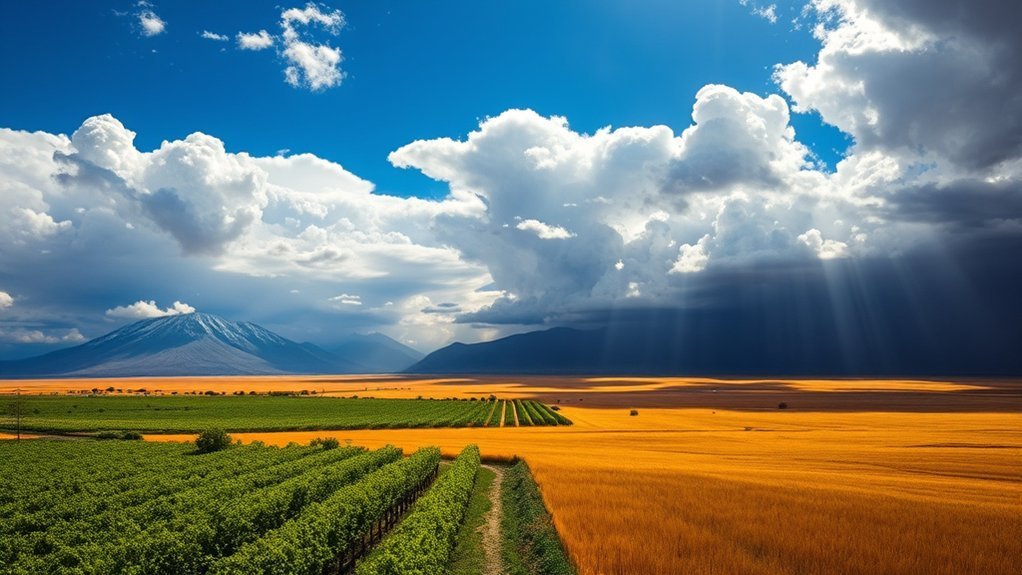
Argentina has several major climate zones because it extends roughly from 22°S to 55°S and includes large changes in elevation. The Servicio Meteorológico Nacional climate atlas shows warm subtropical areas in the north, temperate conditions across much of the center, dry climates in the west, and colder climates toward the south and at high elevations.
The country is in the Southern Hemisphere, so its seasons are:
- Summer: December through February
- Autumn: March through May
- Winter: June through August
- Spring: September through November
These dates describe the seasons, not a guaranteed daily forecast. A hot spell, cold front, storm, or strong wind can produce very different conditions from the long-term average. Mountain weather can also change within hours.
Argentina Weather by Region
The clearest way to understand Argentina’s weather is to divide the country into broad regions. Conditions still vary within each region, especially where elevation changes quickly.
| Region | Typical Weather Pattern |
| Northeast and Iguazú | Hot, humid, and rainy. Rain falls throughout the year, with frequent summer heat and thunderstorms. |
| Northwest and Puna | Warm and stormier in summer at lower elevations; dry, sunny, and much colder at night on the high plateau. |
| Buenos Aires and the Pampas | Hot, humid summers; mild-to-cool winters; rain and thunderstorms possible in every season. |
| Cuyo and Mendoza | Dry and sunny, with hot summers, cool winters, strong day-to-night changes, and occasional Zonda wind. |
| Northern and Inland Patagonia | Dry, sunny, and often windy. Summer days can be mild or warm, but nights remain cool. |
| Andean Patagonia | Cooler and wetter than the eastern steppe, with mountain rain, winter snow, forests, and rapid weather changes. |
| Tierra del Fuego and Ushuaia | Cool throughout the year, with wind, frequent cloud, short summer warmth, and winter snow or ice. |
Northern and Central Climate
Northeastern Argentina, including Misiones and Corrientes, has a humid subtropical climate. Summer days are commonly hot, and high humidity can make the heat feel stronger. Rain occurs year-round, so Iguazú Falls does not have a completely dry season. Heavy showers and thunderstorms are most disruptive during the warmer months.
Farther west, the northwest becomes more complex. Salta and Jujuy include warm valleys, wooded slopes, dry gorges, and a high plateau where nights can be cold even after a sunny day. Summer is the wetter season in many lower and middle-elevation areas, while the high puna remains dry and exposed.
Buenos Aires and the Pampas have a temperate climate. Summer afternoons often reach the upper 20s or low 30s Celsius, and hotter periods are possible. Winters are cooler but usually less severe than those in the Andes or far south. Rain can fall in every month, and strong cold fronts can cause quick temperature drops.
Cuyo and the Andes
Cuyo includes Mendoza, San Juan, and San Luis. Much of the region lies in the Andes’ rain shadow, so it is generally dry and sunny. Irrigation supports vineyards and farms that would receive too little natural rain otherwise.
Mendoza’s summers are hot and mostly dry, while winter days can be sunny and cool. Night temperatures are often much lower than daytime readings. At mountain resorts and high passes, snow, ice, and freezing temperatures can occur even when conditions in the city are comfortable.
Note: Elevation matters as much as latitude in the Andes. A forecast for Mendoza, Salta, or another low-elevation city does not describe conditions at a high pass, ski area, or mountain trail.
Patagonia and Southern Weather
Patagonia is not one uniform climate. Northern and inland areas can have pleasant or warm summer afternoons, but strong wind and cool nights are common. The eastern steppe receives relatively little rain because the Andes remove much of the moisture carried by westerly winds.
Andean Patagonia, including areas near Bariloche, San Martín de los Andes, and El Chaltén, is cooler and wetter. Winter brings snow to the mountains and nearby towns, while summer offers longer days and better access to many hiking routes.
Farther south, Ushuaia has short, cool summers. Typical summer daytime temperatures are more often in the low-to-mid teens Celsius than in the 20s, although warmer days can occur. Winter daytime readings are usually only a few degrees above freezing, with frost, snow, ice, and short daylight hours possible.
What Shapes Argentina’s Climate?
Argentina’s climate is shaped by latitude, elevation, the Andes, distance from the sea, atmospheric circulation, and nearby ocean currents. The balance of those forces changes from one part of the country to another.
Latitude and Altitude
Latitude explains much of the broad cooling from the subtropical north to Tierra del Fuego. It also controls seasonal daylight. Summer days are especially long in the far south, while winter days are short.
Altitude creates another set of climate zones. Temperatures generally fall as elevation increases, so high valleys and plateaus can be much colder than nearby lowlands. High elevations also receive stronger ultraviolet radiation. Travelers may need sun protection and warm clothing at the same time.
Andes and Ocean Currents
The Andes block and redirect air masses. In Patagonia, moisture-bearing westerly winds rise over the mountains, release rain or snow on the western side, and descend into Argentina as drier air. This helps create the dry Patagonian steppe east of the range.
Northern and central Argentina receive much of their moisture from the Atlantic and tropical South America. Warm-season low pressure can draw humid air southward into the Chaco, Littoral, and Pampas, where it supports thunderstorms and heavy rain.
Off the Atlantic coast, the warm Brazil Current flows southward and the cold Malvinas Current flows northward. They meet in the energetic Brazil–Malvinas Confluence. These currents strongly affect ocean temperatures and marine conditions, although inland weather also depends on air masses, fronts, topography, and large-scale circulation.
Wind Systems and Rainfall
Argentina’s rainfall generally decreases from the humid northeast toward the dry west. Patagonia has a separate west-to-east contrast, with wetter mountain slopes and a much drier eastern steppe.
| Climate Force | Main Effect |
| Atlantic moisture | Supports humidity, clouds, rain, and thunderstorms across much of the north, northeast, and Pampas. |
| Andes | Create high-elevation cold and major rain shadows, especially in Cuyo and eastern Patagonia. |
| Cold fronts and Pampero winds | Can bring strong southerly wind, thunderstorms, and a rapid temperature drop across the Pampas and farther north. |
| Zonda wind | Brings very dry, warm, and sometimes damaging downslope wind to parts of Cuyo and the northwest. |
| Southern westerlies | Bring frequent wind to Patagonia and mountain precipitation to the Andean side. |
Argentina Weather in Summer
Summer runs from December through February. Northern Argentina is hot and often humid, with daytime temperatures commonly above 30°C. Heatwaves can push readings above 40°C in parts of the north and center. Afternoon or evening thunderstorms may bring intense rain, lightning, hail, and short-term flooding.
Buenos Aires is hot and humid during summer. Many buildings, hotels, restaurants, and public vehicles use air conditioning, but outdoor sightseeing is usually more comfortable in the morning or evening.
Cuyo is also hot, but its air is generally drier. Sun protection is important because cloudless days and strong ultraviolet radiation are common. Mountain temperatures remain much lower than city temperatures.
Patagonia has its most accessible hiking and sightseeing weather from late spring through early autumn. Northern and inland Patagonia can have mild or warm afternoons, while Ushuaia and far-southern areas stay much cooler.
Argentina’s summer can mean humid 35°C heat in the north, dry sunshine near Mendoza, and a cool, windy hiking day in Tierra del Fuego—all at the same time.
Argentina Weather in Autumn
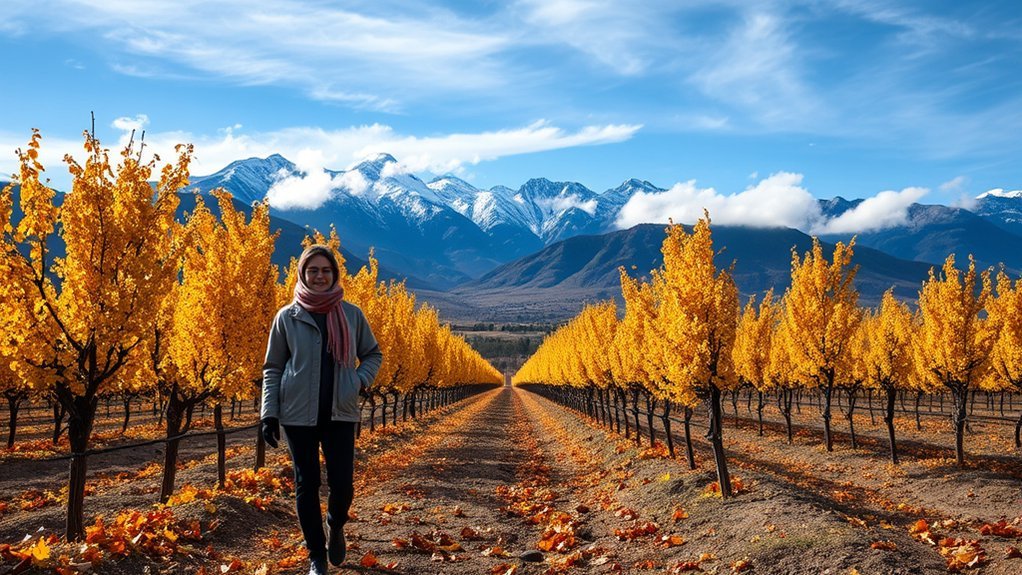
Autumn lasts from March through May. Temperatures gradually fall across the country, although March can still feel like summer in the north and center. April and May usually bring cooler mornings, more comfortable afternoons, and larger day-to-night changes.
Buenos Aires is often pleasant in autumn, with less oppressive heat than midsummer. Rain and thunderstorms remain possible, so a compact umbrella or light waterproof layer is useful.
Autumn is also an appealing time for Mendoza. Grape harvest events are centered around late summer and early autumn, while vineyard landscapes begin to change color. Nights can become cold, especially outside the city.
Patagonia cools quickly during autumn. Some seasonal services and mountain routes begin to close as snow and ice return. Travelers visiting in late April or May should check road and trail conditions rather than relying on a seasonal average.
Argentina Weather in Winter
Winter runs from June through August. Northern lowlands generally have mild days, but cold fronts can still produce chilly mornings. The northwest’s high plateau can be sunny and dry during the day while falling well below freezing at night.
Buenos Aires winters are cool and sometimes damp. Snow is extremely rare in the city, but cold southerly winds can make the air feel colder than the thermometer suggests.
Cuyo has cool, dry winter weather at lower elevations and snow in the Andes. Argentina’s main ski season normally falls between June and September, although opening dates and snow quality vary each year.
Patagonia experiences cold weather, shorter days, frost, snow, and icy roads. Conditions are most severe at elevation and in the far south. Winter can be rewarding for skiing and snowy scenery, but it requires flexible plans and suitable clothing.
Argentina Weather in Spring
Spring runs from September through November. Temperatures rise, daylight increases, and plants return to life. It is a transition season, so warm afternoons can be followed by thunderstorms, cold fronts, or strong wind.
Spring Temperatures Across Regions
Northern Argentina becomes warm quickly in spring. By late spring, some areas already experience summer-like heat. Buenos Aires generally has mild-to-warm days and cool nights, although short hot spells are possible.
Cuyo receives strong sunshine and increasing warmth, but early mornings and mountain locations can remain cold. Patagonia stays cooler, especially near the Andes and in Tierra del Fuego. Layers are useful because wind and cloud cover can change how the temperature feels.
Rainfall Patterns in Spring
Spring is commonly wetter across the northeast, the Littoral, and parts of the Pampas. Warm, humid air can support thunderstorms that produce heavy rain, strong gusts, lightning, and hail.
Cuyo and much of the west remain much drier, although isolated storms can still occur. Eastern Patagonia is also relatively dry, while the Andean side receives more rain and mountain snow.
Best Spring Travel Spots
- Buenos Aires: Mild weather supports walking tours, parks, cafés, and outdoor events.
- Mendoza: Vineyards turn green, days become warmer, and the highest summer heat has not yet arrived.
- Northwest Argentina: September and October can provide a balance of dry weather, sunshine, and manageable daytime heat.
- Patagonia: Late spring improves trail access, but wind, snow, and sudden cold remain possible.
- Iguazú Falls: Warm weather and healthy water flow create impressive views, though rain and humidity should be expected.
Pro Tip: Check both the forecast for your overnight base and the forecast for the exact elevation or park you will visit. Mountain and coastal conditions can differ sharply from the nearest city.
How Ocean Currents Affect Argentina’s Weather
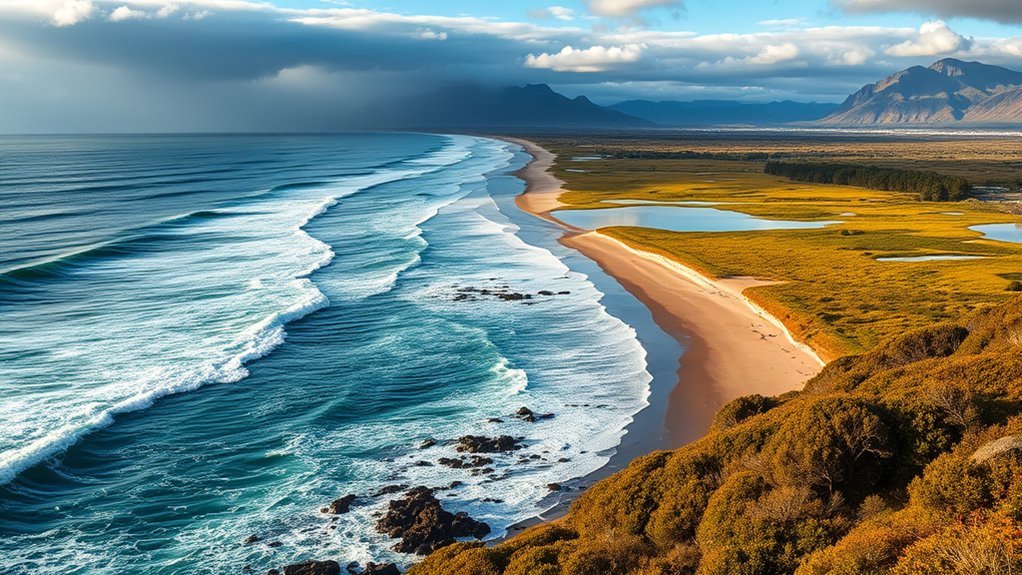
The warm Brazil Current moves southward from lower latitudes, while the cold Malvinas Current carries subantarctic water northward along the continental margin. The two meet offshore in the Brazil–Malvinas Confluence, a highly active ocean region visible in satellite measurements from NASA Ocean Color.
These currents strongly affect sea-surface temperatures, marine ecosystems, fog, and coastal water conditions. Their effect on the weather travelers experience is more indirect. Coastal temperatures are also shaped by wind direction, passing fronts, cloud cover, latitude, and distance from the ocean.
The Atlantic generally reduces day-to-night temperature swings near the coast compared with dry inland areas. It does not prevent heatwaves, cold outbreaks, storms, or frost.
How El Niño and La Niña Affect Argentina
El Niño and La Niña are opposite phases of the El Niño–Southern Oscillation, or ENSO. They begin in the tropical Pacific but can change the odds of rain, drought, heat, and storms across Argentina.
- El Niño: Often raises the chance of wetter-than-normal conditions in central and eastern Argentina during parts of the warm season.
- La Niña: Can favor drier-than-normal conditions in parts of central Argentina and southeastern South America.
- Neither phase guarantees an outcome: The strength, timing, location, and interaction with other climate systems matter.
- Local forecasts remain essential: ENSO describes seasonal probabilities, not the weather on a specific travel date.
Current outlook: As of July 2026, international climate agencies reported that El Niño conditions had developed and were expected to strengthen. ENSO outlooks change, so review the latest NOAA Climate Prediction Center discussion before using this information for seasonal planning.
Extreme Weather to Know Before You Go
Argentina can experience damaging weather in every season. The risk depends on the region and time of year.
- Heatwaves: Most common in summer across northern and central Argentina, with temperatures sometimes exceeding 40°C.
- Severe thunderstorms: The Pampas, central provinces, and northeast can receive intense rain, lightning, hail, and damaging wind.
- Flooding: Heavy rain can flood streets, rural roads, and low-lying areas, especially in humid eastern regions.
- Zonda wind: A hot, very dry downslope wind that can affect Cuyo and parts of the northwest, sometimes with damaging gusts and blowing dust.
- Patagonian wind: Strong westerly wind can disrupt hiking, driving, flights, and boat trips even when skies appear clear.
- Snow and ice: Common winter hazards in the Andes and parts of Patagonia. High mountain passes may close.
- Cold outbreaks: Antarctic air can move far north and cause sudden freezes well outside Patagonia.
Warning: Before driving, hiking, skiing, boating, or crossing a mountain pass, check the Servicio Meteorológico Nacional alert map. Yellow means potentially disruptive weather, orange means dangerous conditions, and red indicates exceptional events that may cause emergencies or disasters.
What to Pack for Argentina’s Weather
A packing list for Argentina should match the region rather than the country as a whole.
| Destination or Season | Useful Clothing and Gear |
| Northern summer | Breathable clothing, sun hat, sunscreen, insect repellent, refillable water bottle, and a light rain layer. |
| Buenos Aires | Comfortable walking shoes, a compact umbrella, light layers in spring or autumn, and a warm coat in winter. |
| Cuyo and high northwest | Strong sun protection, lip balm, water, a warm evening layer, and wind protection. Add cold-weather gear for altitude. |
| Patagonia in summer | Windproof and waterproof shell, insulating layer, quick-drying clothing, warm hat, gloves, and secure sun protection. |
| Andes or Patagonia in winter | Insulated layers, waterproof footwear, gloves, hat, warm socks, and suitable traction or snow equipment where required. |
Best Times to Visit Argentina by Region
The best travel window depends on whether your priority is comfortable sightseeing, hiking, waterfalls, wine, snow, or fewer visitors.
- Buenos Aires: March through May and September through November usually offer the best balance of comfortable temperatures and outdoor conditions.
- Iguazú Falls: March through May and August through October can be less oppressive than midsummer. Rain is possible in every month.
- Northwest Argentina: April through October is generally drier. High-elevation nights can be cold throughout this period.
- Mendoza and Cuyo: March and April are popular for harvest-season travel. Spring and autumn are comfortable for vineyards and city visits.
- Patagonia hiking: November through March offers longer days and the broadest access, but strong wind and sudden cold remain possible.
- Ushuaia: December through March is best for long daylight and most outdoor sightseeing. June through September suits snow-focused trips.
- Andes skiing: The core season is generally June through September, depending on snowfall and resort elevation.
Shoulder seasons can offer fewer visitors and lower prices, but services, ferries, roads, and trails may operate on reduced schedules. Confirm local access before booking a remote itinerary.
How Climate Change Is Affecting Argentina’s Weather
Argentina’s climate is warming, although the effects differ by region and season. The SMN State of the Climate in Argentina 2025 report found that 2025 was the country’s second-warmest year since national records began in 1961. The estimated national mean-temperature anomaly was about 0.6°C above the 1991–2020 reference period.
A warming trend raises the background risk of extreme heat, but it does not mean every season or location will be warmer than normal. Cold outbreaks, snowstorms, floods, droughts, and large year-to-year changes will continue. Travelers should use recent forecasts rather than treating historical averages as a promise.
Frequently Asked Questions
What Kind of Extreme Weather Happens in Argentina?
Argentina can experience heatwaves, severe thunderstorms, hail, flash flooding, drought, strong Zonda and Patagonian winds, cold outbreaks, mountain snow, and icy roads. The risks vary by region and season. Check SMN alerts before outdoor travel or long drives.
What Are Temperatures Like in Argentina?
Temperatures range from hot subtropical conditions in the north to cool weather in Tierra del Fuego. Buenos Aires has hot summers and cool winters, while the dry west often has large day-to-night changes. High Andes locations can remain cold or snowy even when nearby cities are warm.
Where Is It 70 Degrees All Year Round in the World?
No part of Argentina stays at exactly 70°F, or about 21°C, throughout the year. Even mild coastal or temperate destinations have cooler winters, warmer summers, and daily changes. Places marketed as having year-round spring weather still experience storms, heat, cool nights, and seasonal variation.
Is It Safe for Americans to Go to Argentina Right Now?
As of July 10, 2026, the U.S. State Department lists Argentina at Level 1: Exercise Normal Precautions. It notes that petty crime occurs in tourist areas and Buenos Aires and that crime and violence affect Rosario. Review the current Argentina travel advisory before departure because conditions can change.
Does It Snow in Argentina?
Yes. Winter snow is common in the Andes and parts of Patagonia, including ski areas near Mendoza, Bariloche, and Ushuaia. Snow is rare across the humid northern lowlands and extremely rare in central Buenos Aires.
What Is the Warmest Month in Argentina?
January is generally the warmest month across much of Argentina, but local patterns vary with latitude, elevation, and distance from the ocean. High mountains and the far south remain much cooler than the northern lowlands.
Conclusion
Argentina’s weather changes sharply by region, elevation, and season. The north can be hot and humid while Patagonia is cool and windy, and a sunny city forecast may not reflect conditions in the nearby Andes. For comfortable travel, choose the season that fits your destination, pack for rapid changes, and check official forecasts shortly before each outdoor activity or long-distance journey.
Sources
- Servicio Meteorológico Nacional — Atlas Climático de Argentina — climate zones, temperature, rainfall, wind, and regional patterns.
- Servicio Meteorológico Nacional — Estado del Clima en Argentina 2025 — recent temperature trends and climate extremes.
- Servicio Meteorológico Nacional — Weather Alerts — current warnings for rain, storms, snow, wind, and extreme temperatures.
- NASA Ocean Color — Brazil–Malvinas Confluence — direction and interaction of the Brazil and Malvinas currents.
- NOAA Climate Prediction Center — El Niño Patterns and La Niña Patterns — common ENSO rainfall effects.
- U.S. Department of State — Argentina Travel Advisory — current safety level and traveler precautions.
