
Last Updated on September 10, 2026 by Daniel Globe
Hiking 200 miles over five months can be a meaningful goal, but whether it feels ambitious depends on how often you hike, the terrain, your pack weight, weather, fitness, and whether those miles are part of a continuous backpacking trip or separate day hikes. Long-distance hiking can involve spectacular landscapes and major personal milestones, but it also requires realistic pacing, recovery, navigation, and the ability to change plans when trail conditions change.
Quick Answer
Yes, 200 miles in five months can be a substantial recreational hiking goal, but it is modest compared with a continuous thru-hike. Spread across roughly 22 weeks, 200 miles equals about 40 miles per month or 9 miles per week. Your realistic pace should reflect terrain, weather, recovery needs, pack weight, and hiking frequency.
Key Takeaways
- There is no universal “average” distance that a person should hike in five months.
- A 200-mile goal works out to roughly 40 miles per month or about 9 miles per week.
- Mountainous terrain, heat, snow, mud, elevation, pack weight, injuries, and rest days can reduce daily mileage dramatically.
- A five-month thru-hike is a very different undertaking from accumulating 200 miles through weekly or weekend hikes.
- Safety, recovery, water, navigation, permits, weather, and resupply planning matter more than forcing yourself to hit a mileage number.
At a Glance
| Time Required | Five months for the goal discussed here; actual hiking days can range from occasional weekends to nearly every day. |
| Difficulty | Highly route-dependent; 200 flat day-hike miles are not equivalent to 200 rugged backpacking miles. |
| Tools Needed | Route information, map/navigation tools, current weather and closure information, appropriate footwear, water treatment, first aid, illumination, layers, food, and emergency equipment. |
| Cost | Varies widely with existing gear, transportation, permits, food, lodging, resupply strategy, and whether the miles are day hikes or a continuous backpacking trip. |
Disclosure: As an Amazon Associate I earn from qualifying purchases. Some links on this page are affiliate links, at no extra cost to you.
How Far Can You Hike in 5 Months?
There is no single mileage number that applies to every hiker. A five-month period can represent a handful of weekend outings, a structured fitness goal, a long section hike, or a full thru-hike covering thousands of miles.
For a 200-mile goal, the math is much less intimidating than the phrase “200 miles” may sound. Five months is approximately 22 weeks, so you would need to average roughly:
| Hiking Schedule | Approx. Hiking Days | Mileage Needed |
|---|---|---|
| Every calendar day | About 150 | About 1.3 miles per day |
| 5 days per week | About 110 | About 1.8 miles per hiking day |
| 2 days per week | About 44 | About 4.5 miles per outing |
| 1 day per week | About 22 | About 9.1 miles per outing |
Note: These calculations are planning averages, not recommended daily limits. A difficult mountain mile can require far more time and effort than a level mile on a smooth trail.
For a recreational hiker, 200 miles may represent months of consistent work and a meaningful achievement. For a conditioned thru-hiker walking most days, it is a relatively short segment of a much longer route. The useful comparison is therefore not “Is 200 miles objectively a lot?” but “Is 200 miles appropriate for my route, schedule, experience, and goals?”
Assessing the Terrain: Factors That Affect Hiking Distance
Mountainous Regions: Steep Challenges Ahead
A distance that looks short on a map can take hours when the route includes steep climbing, rocky footing, loose surfaces, repeated elevation changes, river crossings, snow, or difficult navigation. Uphill travel increases effort, while technical descents can force hikers to slow down to maintain secure footing.
Altitude can add another layer of difficulty. Hikers traveling substantially higher than the elevations to which they are accustomed may need time to acclimatize and should avoid treating a planned mileage number as more important than how they are actually feeling.
Flat Trails: A Double-Edged Sword
Flat, well-maintained trails often allow faster travel, but easier terrain does not make hikers immune to overuse problems. Long hours of repetitive walking can still produce hot spots, blisters, sore feet, muscle fatigue, or joint discomfort.
The ease of the terrain can also encourage hikers to increase mileage too quickly. A sustainable pace is more useful than setting a personal record early and then losing hiking days to excessive soreness or injury.
Other Critical Factors: Trail Conditions, Weather, and Vegetation
Overgrown trails, mud, blowdowns, washed-out sections, snowfields, high water, heat, storms, poor visibility, and wildfire closures can all reduce mileage. Current conditions matter more than the pace shown in an old trip report.
Insects can also affect comfort and concentration. In tick- or mosquito-prone areas, the CDC recommends EPA-registered insect repellents and protective clothing. Follow the product label for application and reapplication rather than applying repellent on an arbitrary schedule.
Warning: Do not force a planned mileage target through severe weather, hazardous water crossings, wildfire closures, dangerous heat, worsening pain, or other conditions that make continuing unsafe. A schedule can be changed; a serious backcountry emergency is much harder to undo.
Planning Your Route: Strategies for Maximizing Mileage
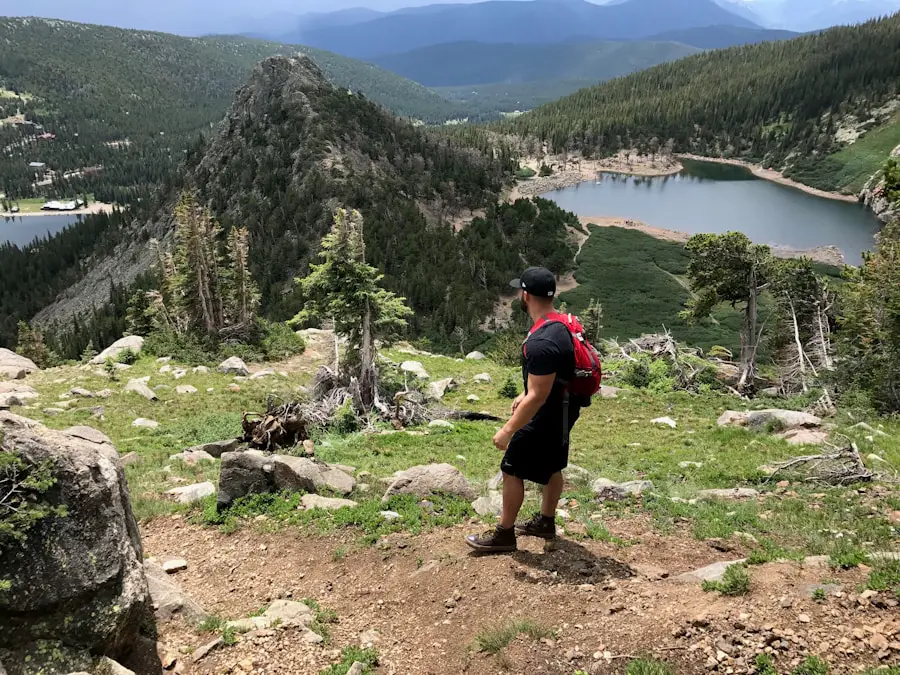
Effective route planning starts with more than drawing a line between two points. Study topographic information, elevation gain, trail surfaces, road crossings, seasonal hazards, water availability, campsites, resupply options, permit requirements, and bailout routes before deciding what daily mileage is realistic.
Digital navigation can be extremely useful, but do not assume your phone will always have cellular service or sufficient battery life. The National Park Service Ten Essentials guidance includes navigation among the core systems hikers should carry and know how to use.
Break a longer route into manageable segments rather than relying on one rigid end-to-end schedule. Waypoints can include road crossings, reliable water sources, campsites, resupply towns, trailheads, and safe exit points. This approach makes it easier to shorten a day when conditions deteriorate without losing control of the overall plan.
Pro Tip: Before committing to a long trip, complete a two- or three-night shakedown hike on similar terrain with the gear you intend to carry. It is much easier to discover footwear, pack-fit, sleep-system, or navigation problems before the main journey begins.
Gear and Supplies for a 5-Month Hiking Plan
The original packing example below illustrates how quickly the weight and cost of major items can add up. These are example figures only, not current market averages or product recommendations. Actual weight and price depend on the specific shelter, sleep system, backpack, filter, stove, season, and conditions.
| Item | Example Weight (lb) | Example Cost (USD) |
|---|---|---|
| Tent | 3.5 | $300 |
| Sleeping Bag | 2.8 | $200 |
| Backpack | 4.2 | $250 |
| Water Filter | 0.2 | $50 |
| Stove | 1.5 | $100 |
For a multi-month trek, pack fit is as important as the number on a gear list. A properly fitted backpack should keep the load stable and comfortable enough for the terrain and weight you are carrying. Footwear should also be tested before the trip because hot spots, blisters, and foot pain can quickly reduce daily mileage.
A tent or other shelter, suitable sleeping bag or quilt, sleeping pad, cooking equipment when needed, food storage, clothing layers, and navigation equipment form only part of the system. The NPS Ten Essentials framework also calls for:
- Navigation
- Sun protection
- Insulation and weather-appropriate clothing
- Illumination
- First-aid supplies
- Fire or an appropriate emergency heat/fire-starting system where permitted
- Repair kit and tools
- Extra nutrition
- Emergency shelter
- Water and water-treatment capability
Do not eliminate essential safety equipment merely to reach an arbitrary ultralight number. The goal is to remove unnecessary weight while retaining what is needed for the actual route, season, weather, regulations, and individual circumstances.
Physical and Mental Preparation: Training for Endurance
Preparing physically for extended hiking works best when mileage increases progressively rather than all at once. Walk and hike regularly, gradually add distance, and train on terrain similar to the route you expect to encounter. Strength work such as squats, lunges, step-ups, and core exercises can complement trail time, but it does not replace practice carrying your actual pack.
The Appalachian Trail Conservancy advises new thru-hikers to begin around 8 to 10 miles per day during the first week and increase mileage gradually as their bodies adapt. That is an A.T.-specific recommendation rather than a universal rule, but the underlying lesson is useful: avoid assuming that your highest training-day mileage should automatically become your first-week trail pace.
Build Recovery Into the Plan
Rest is part of long-distance hiking rather than evidence that the plan has failed. Sleep, food, hydration, foot care, and lower-mileage days can determine whether you are still hiking weeks later.
Address developing hot spots before they become large blisters. Reassess footwear, socks, lacing, pack fit, and daily mileage when pain begins to alter your gait. Persistent or severe symptoms deserve more caution than a mileage target.
Prepare for the Mental Side
Long trips also test patience and motivation. Bad weather, repetitive terrain, fatigue, missed resupply plans, and unexpected delays can make a previously exciting goal feel much harder.
Breaking the route into smaller milestones can make the challenge more manageable. Some hikers find visualization, breathing exercises, journaling, or other mindfulness practices useful for maintaining focus. These techniques do not remove physical hazards, but they can help prevent a difficult day from turning into the assumption that the entire trip has failed.
Resupply Points and Support: Navigating Logistics on the Trail
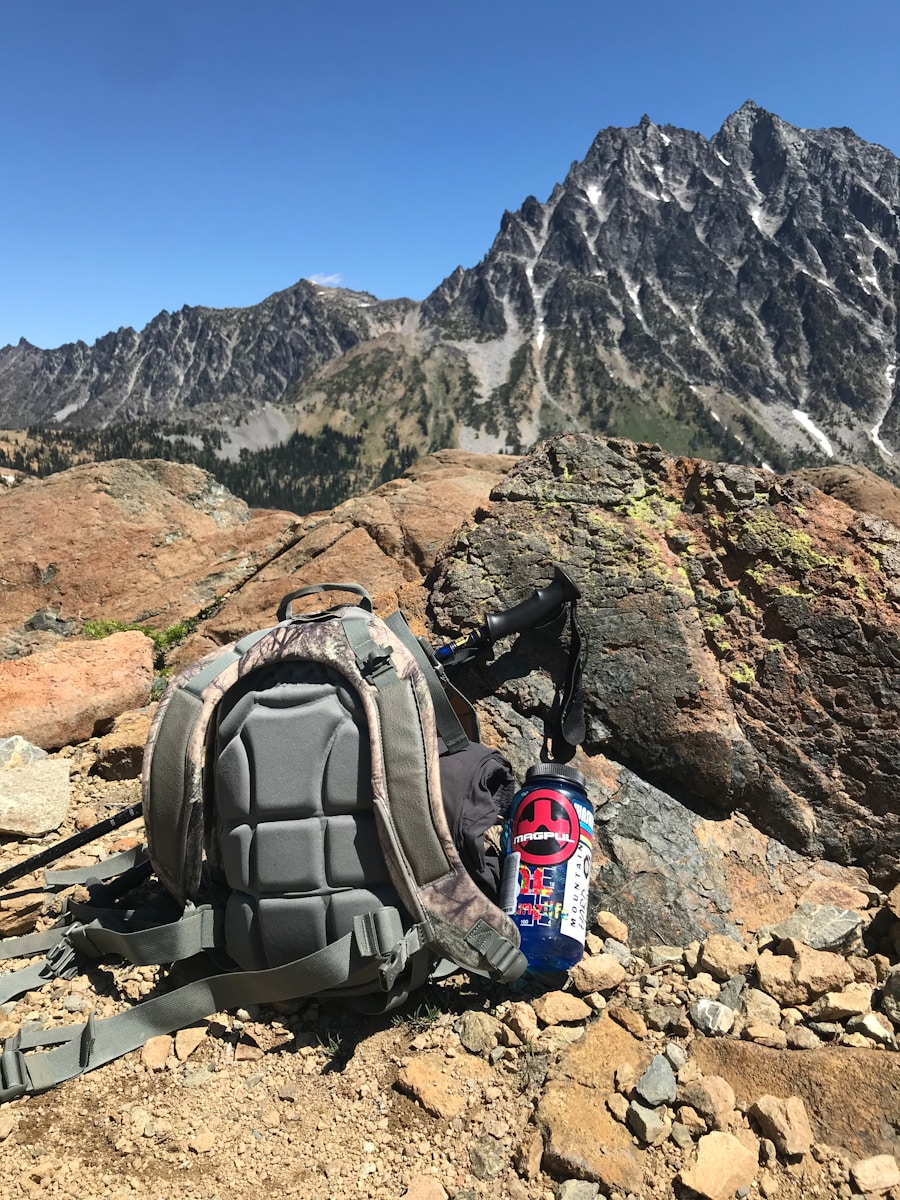
Food and water planning become increasingly important as trips grow longer. Do not assume that every trail has predictable stores, open businesses, reliable water, or transportation at convenient intervals.
Major established routes may have detailed resupply information. For example, the Pacific Crest Trail Association maintains PCT resupply information, while the Appalachian Trail Conservancy provides A.T. equipment and resupply guidance. Your own route may require a very different strategy.
Possible approaches include buying food along the route, mailing resupply boxes, arranging pickups, or combining methods. Flexibility matters because operating hours, transportation, trail conditions, appetite, and pace can change over several months.
Water deserves separate planning. Mark likely sources in advance, check current reports when available, and carry treatment appropriate for the water you expect to encounter. Seasonal sources can disappear, and unofficial water caches should never become the only thing standing between a hiker and dehydration.
Support from family or friends can be useful at planned access points, but a hiker should not depend on informal support without a backup. Shuttles, road access, phone coverage, and trailhead conditions can all change.
Managing Time and Pace: Balancing Mileage and Enjoyment
Higher daily mileage is not automatically better. A schedule that leaves no room for weather, recovery, sightseeing, gear problems, transportation delays, or changing conditions can turn a rewarding trip into a race against a spreadsheet.
Short stops for food, water, foot checks, clothing adjustments, and route confirmation can protect the rest of the day. Longer breaks or lower-mileage days may be appropriate after particularly difficult terrain.
Time for scenic viewpoints, landmarks, wildlife observation from a safe distance, or a relaxed camp can also be part of the goal. Long-distance hiking is not simply the accumulation of miles; for many hikers, the landscapes and experiences between milestones are the reason for walking them.
Context changes everything: 200 miles spread over five months can be a challenging recreational goal, while an established thru-hiker may cover that distance in a small fraction of a multi-thousand-mile season.
Permits, Weather, Closures, and Emergency Planning
Before each section, check the official land manager or trail organization for current closures, permits, wildfire restrictions, snow conditions, flooding, severe-weather hazards, and other alerts. A route that was open when you built your itinerary may not remain open five months later.
The National Park Service recommends leaving a trip plan with route information, expected timing, and contact details. For remote travel, consider what you will do if there is no cellular service. A charged phone is useful, but it should not be the only navigation or emergency plan.
Carry an emergency contact plan appropriate to the remoteness of the trip. On isolated routes, hikers may choose a satellite communicator or personal locator beacon in addition to normal navigation and emergency equipment.
Permits vary by location. Some trails cross multiple national parks, forests, wilderness areas, state lands, or other jurisdictions. Verify the rules for the specific route rather than assuming one permit covers an entire journey.
Note: A five-month plan should be treated as a living itinerary. Recheck official conditions throughout the trip instead of relying solely on information gathered before departure.
What Major Long-Distance Trails Show About Five-Month Mileage
Major U.S. trails demonstrate why a single “average distance in five months” is not very useful.
| Trail | Current Distance | Five-Month Context |
|---|---|---|
| Pacific Crest Trail | 2,650 miles | PCTA says a thru-hike generally takes about five months, depending on pace, time off, snow, weather, and seasonal timing. |
| Appalachian Trail | 2,197.9 miles in 2026 | Most thru-hikes take five to seven months, so five months is possible but toward the quicker end of the normal range. |
| Continental Divide Trail | Approximately 3,100 miles | Some hikers attempt the entire trail in one season. Covering it in roughly five months requires a demanding pace and favorable logistics and conditions. |
Those numbers should not make a 200-mile goal feel insignificant. They simply illustrate that “a lot” has to be defined in context. A person building consistency through weekly hikes may gain just as much satisfaction from reaching 200 miles as a thru-hiker does from a much larger route.
Reflecting on the 200-Mile Benchmark
Completing 200 miles gives hikers an opportunity to evaluate more than the number recorded on a watch or map. The useful questions are whether the pace was sustainable, whether recovery was adequate, which gear worked, where planning failed, and whether the experience remained enjoyable.
Long-distance hiking often requires hikers to adapt when weather changes, terrain becomes harder than expected, equipment fails, or motivation dips. Those adjustments are part of the experience rather than interruptions to it.
The 200-mile benchmark can therefore represent physical endurance, consistency, and improved judgment. It can also serve as a practical checkpoint before attempting a longer section hike. What matters most is not comparing the number with someone else’s thru-hike but understanding what it required under your own conditions.
When embarking on a 200-mile hiking journey over several months, organization can make packing easier. Our packing-cube guide offers ideas for separating and organizing equipment. If your route and local regulations make a stove appropriate, our portable camping-stove guide provides additional gear-selection ideas. Always verify current product details and route-specific fire restrictions before relying on any stove or other equipment.
Love travel? Join Our Facebook Community
Frequently Asked Questions
What is the average distance hiked in 5 months?
There is no reliable universal average because hiking frequency and goals vary too much. A recreational hiker may accumulate a few hundred miles through weekly outings, while a thru-hiker walking most days may cover more than 2,000 miles on an established long-distance trail.
Is 200 miles a lot for 5 months of hiking?
It can be. Two hundred miles equals about 40 miles per month or roughly 9 miles per week. That can be a meaningful recreational goal, especially on difficult terrain, although it is far below the mileage of a continuous five-month thru-hike.
How many miles per day is 200 miles in 5 months?
Averaged across roughly 150 calendar days, it is about 1.3 miles per day. You do not have to hike daily, however. Hiking once a week for roughly 22 weeks would require about 9 miles per outing.
What factors can affect the distance hiked in 5 months?
Important factors include fitness, elevation gain, trail surface, weather, heat, snow, altitude, pack weight, water availability, rest days, injuries, resupply logistics, closures, permits, transportation, and the number of days actually spent hiking.
What long-distance trails can be completed in about 5 months?
The 2,650-mile Pacific Crest Trail commonly takes about five months. Most Appalachian Trail thru-hikes take roughly five to seven months. The Continental Divide Trail is approximately 3,100 miles; completing it in about five months is a demanding single-season undertaking and should not be treated as a typical beginner pace.
How many 10-mile hiking days are needed to reach 200 miles?
Twenty 10-mile hiking days equal 200 miles. Spread across five months, that is roughly four 10-mile outings per month. Terrain and conditions should still determine whether 10 miles is appropriate on any particular day.
Sources
- U.S. National Park Service — Ten Essentials — navigation, water, emergency shelter, first aid, food, illumination, and other core hiking safety systems.
- U.S. National Park Service — Hike Smart — route planning, abilities, weather, alerts, trip plans, hydration, and backcountry preparation.
- Appalachian Trail Conservancy — A.T. Basics — official 2026 Appalachian Trail mileage.
- Appalachian Trail Conservancy — Thru-Hiker FAQs — typical thru-hike duration and early-trip mileage guidance.
- Pacific Crest Trail Association — Thru-Hiker FAQ — PCT distance, seasonal timing, and typical five-month thru-hike timeframe.
- USDA Forest Service — Continental Divide National Scenic Trail — approximately 3,100-mile trail length and single-season hiking context.

