
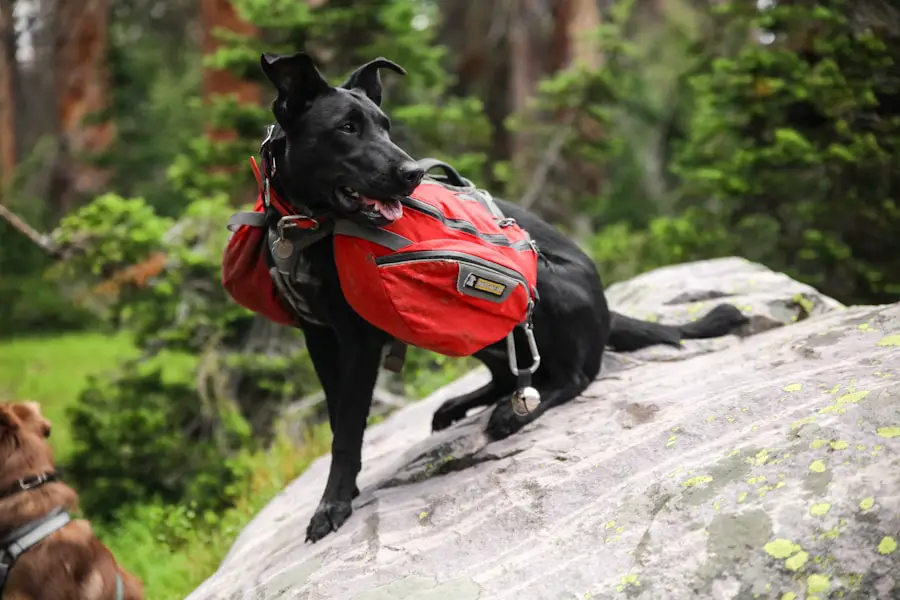
Last Updated on July 27, 2026 by Daniel Globe
At four months old, a puppy is growing quickly, becoming more coordinated, and usually eager to explore. Teething is also underway, with permanent teeth beginning to replace baby teeth. That enthusiasm can make a young puppy look ready for a real hike before its developing body, vaccination status, and stamina are ready for the same mileage an adult dog can handle.
Quick Answer
A healthy 4-month-old puppy may be able to join you for a brief, easy, self-paced trail outing if your veterinarian has cleared the puppy for that environment. Do not treat a long or strenuous hike as normal puppy exercise. Keep the terrain gentle, take frequent breaks, carry water, and turn back well before the puppy is exhausted.
Key Takeaways
- There is no evidence-based universal mileage limit for every 4-month-old puppy. Age, expected adult size, conditioning, health, terrain, pace, weather and vaccination status all matter.
- At this age, avoid turning a puppy walk into forced endurance exercise, sustained running, repeated jumping or a difficult mountain hike.
- Ask your veterinarian whether your puppy’s exact vaccination and parasite-prevention plan is adequate for the trail and local disease risks.
- Choose a short, easy, dog-legal trail with a simple turnaround route, and be prepared to carry your puppy if necessary.
- Stop for limping, paw lifting, repeated sitting or lying down, unusual lagging, excessive panting, vomiting, weakness, wobbliness or reluctance to continue.
At a Glance
| Time Required | Begin with a brief introductory outing rather than a mileage goal. Turn around while the puppy is still moving comfortably. |
| Difficulty | Easy: flat or gently rolling terrain, secure footing, little or no scrambling, and an easy exit. |
| Tools Needed | Well-fitted harness or appropriate walking equipment, leash, identification, fresh water, collapsible bowl, treats, waste bags and pet first-aid supplies. |
| Cost | Usually no extra cost beyond normal puppy gear, preventive veterinary care, and any trail or parking fee. |
Disclosure: As an Amazon Associate I earn from qualifying purchases. Some links on this page are affiliate links, at no extra cost to you.
What a 4-Month-Old Puppy Is Physically Ready For
A four-month-old puppy is still developing physically. Growth rate differs widely among breeds and individual dogs, so a single claim such as “a puppy is 30% of adult weight at four months” is not reliable for every dog. Small breeds mature sooner than many large and giant breeds.
The puppy’s skeleton is also still developing. That does not mean normal puppy movement is dangerous. Puppies need appropriate exercise, play, training and opportunities to explore. The concern is pushing a growing dog through sustained, repetitive or high-impact activity that it cannot choose to stop.
Research also suggests that the type of early activity matters. A prospective study of Newfoundlands, Labrador Retrievers, Leonbergers and Irish Wolfhounds found associations between early exercise environment and later hip dysplasia, although it does not establish a universal safe hiking distance for puppies. See the study indexed by the U.S. National Library of Medicine.
At about four months, teething is underway as well. Permanent teeth are beginning to replace puppy teeth, another reminder that a four-month-old dog is still very much in a developmental stage.
Note: There is no single evidence-based “minutes per month of age” or mileage rule that fits every puppy. Use your veterinarian’s advice, the puppy’s health and expected adult size, the type of activity, terrain, pace and recovery instead of treating an internet formula as a medical limit.
Considerations for Taking a Puppy Hiking
The first question is not simply whether a puppy is four months old. Ask whether this particular puppy is healthy enough, appropriately protected from infectious disease, accustomed to leash walking, comfortable in new environments and physically prepared for the specific trail.
Start With Veterinary Clearance
At roughly 16 weeks, some puppies are just reaching the end of their initial vaccine series. The American Animal Hospital Association canine vaccination guidelines, updated in 2024, recommend core protection against important canine diseases and now classify leptospirosis vaccination as core for dogs. Exact timing and additional vaccines depend on the puppy’s history, location and exposure risk.
Rather than assuming “up to date” automatically means ready for every trail, tell your veterinarian that you plan to hike. Ask about parvovirus risk, leptospirosis, ticks, Lyme disease where relevant, wildlife exposure and any other local concerns.
Consider Size, Health and Body Type
Breed and expected adult size matter, but energy level alone is not enough. A highly energetic puppy can still have an immature skeleton. Large and giant breeds generally remain physically immature longer than smaller dogs. Puppies with an abnormal gait, previous injury, joint problem or other health condition need individualized veterinary advice.
Short-nosed breeds can also have more difficulty coping with heat. UC Davis identifies brachycephalic airway anatomy as one factor that can increase heat-illness risk.
Choose the Outing, Not a Mileage Target
For a first trail experience, think in terms of a short exploration rather than a hike that must be completed. A gentle path where you can turn around quickly is more appropriate than committing the puppy to a loop, steep climb or distant destination.
Do not make the puppy match an adult hiking pace. Allow time to sniff and explore, and stop while the puppy still looks comfortable rather than waiting for obvious exhaustion.
Pro Tip: Your first puppy “hike” can simply be a short walk on a quiet natural-surface trail near the parking area. The goal is successful exposure to trail sights, smells and footing—not distance.
Training and Socialization for Hiking
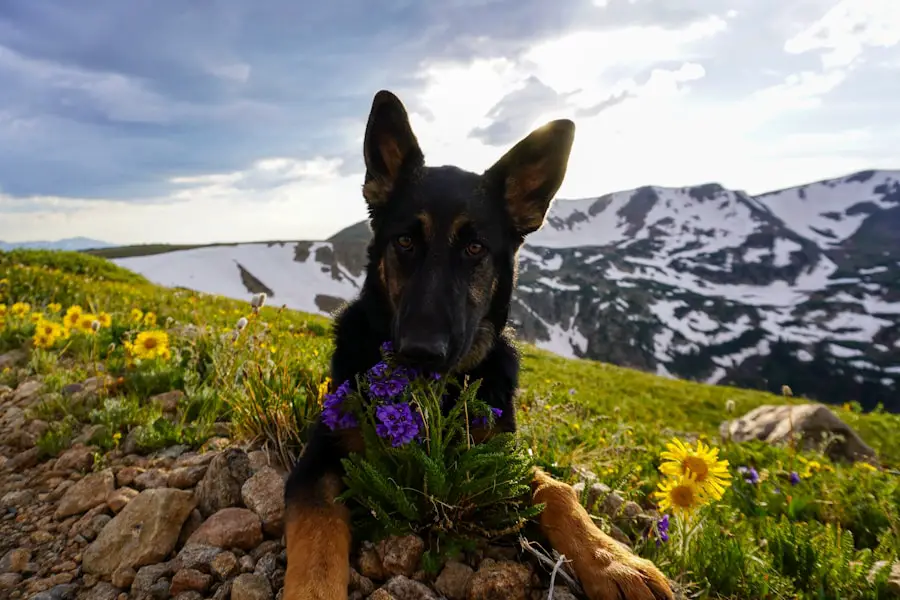
Basic training makes a trail safer. Before hiking, practice a reliable response to cues such as “come,” “leave it,” “wait” and “let’s go.” A puppy should also be comfortable walking on a leash without continuously pulling toward people, dogs or wildlife.
Positive reinforcement with food, praise and play can help the puppy associate trail experiences with good outcomes. Practice first in easy environments, then slowly introduce grass, packed dirt, gravel, bridges, people at a distance and other trail-like situations.
Socialization should not mean forcing the puppy to greet every person or dog. The goal is calm exposure. Let the puppy observe unfamiliar sights and sounds from a distance where it remains relaxed.
The American Veterinary Society of Animal Behavior supports safe puppy socialization before the entire vaccination series is finished rather than isolating puppies during an important developmental period. Well-managed puppy classes can provide controlled exposure while following vaccination and hygiene requirements.
That is different from taking a partially protected puppy to a busy public dog park where the health history of other dogs and the cleanliness of the ground are unknown.
Health and Safety Precautions for Hiking With a Puppy
| 1. Vaccinations | Confirm with your veterinarian that the puppy’s vaccine history and local disease protection are appropriate for the planned outing. |
| 2. Leash and Harness | Use secure, well-fitted walking equipment and follow the land manager’s leash rules. |
| 3. Identification Tags | Make sure identification information is current before leaving home. |
| 4. Water and Food | Carry clean water and a bowl. Bring a small amount of the puppy’s normal food or training treats when appropriate. |
| 5. Rest Breaks | Pause frequently and turn around before the puppy becomes obviously tired. |
| 6. Weather Conditions | Avoid hot, humid or otherwise extreme conditions. Shade and a mild temperature are preferable for a first outing. |
| 7. Terrain | Choose stable footing and avoid difficult scrambling, long steep descents, sharp rocks and surfaces that are hot enough to injure paws. |
| 8. First Aid Kit | Carry basic pet first-aid supplies and know how you will return to the trailhead if the puppy cannot walk. |
Ticks and Other Outdoor Exposure
The Centers for Disease Control and Prevention advises checking pets for ticks every day after outdoor exposure and discussing an appropriate tick-prevention product with your veterinarian. Check around the ears and eyelids, under the collar and front legs, between the toes and rear legs, and around the tail.
Do not let a puppy chase or investigate wildlife. Carry your own drinking water instead of relying on streams, ponds or puddles, because natural water can expose dogs to organisms and contaminants that are not obvious from appearance alone.
Watch Closely for Heat Illness
Normal panting after brief activity should improve with rest and cooling. Persistent or worsening panting deserves more attention. According to the UC Davis School of Veterinary Medicine, warning signs of heat-related illness can include weakness, muscle tremors, vomiting, diarrhea, abnormal breathing, wobbliness, confusion and seizures.
Warning: Suspected heat illness is not simply a signal to “rest for a few minutes.” Move the puppy to a cooler place and contact a veterinarian immediately. UC Davis advises that initial cooling may include room-temperature water and airflow; do not use ice water or wrap the dog in wet blankets.
Gear and Supplies for Hiking With a Puppy
A young puppy does not need complicated hiking equipment, but every item should fit securely and serve a clear purpose.
- Harness or other secure walking equipment: Choose equipment that fits correctly without rubbing the armpits, shoulders or neck.
- Leash: Use a length permitted by the trail manager. Many National Park Service locations require pets to remain on leashes no longer than six feet.
- Identification: Carry current contact information and keep the puppy’s tag secure.
- Fresh water and collapsible bowl: Bring enough for the puppy instead of depending on natural sources.
- Normal treats or food: Useful for training and a small rest-time snack.
- Waste bags: Pack out pet waste as required.
- Pet first-aid supplies: Include supplies for minor cuts and paw problems, along with your veterinarian’s contact information.
- Paw protection when genuinely needed: Properly fitted dog boots can help on abrasive or hot surfaces, but introduce them at home first and check for rubbing.
The owner should carry these supplies. A four-month-old puppy does not need to carry a loaded dog backpack. The National Park Service hiking-with-pets guidance discusses packs as an option for experienced hiking dogs rather than a basic requirement for puppies.
Choosing the Right Hiking Trail for a Puppy
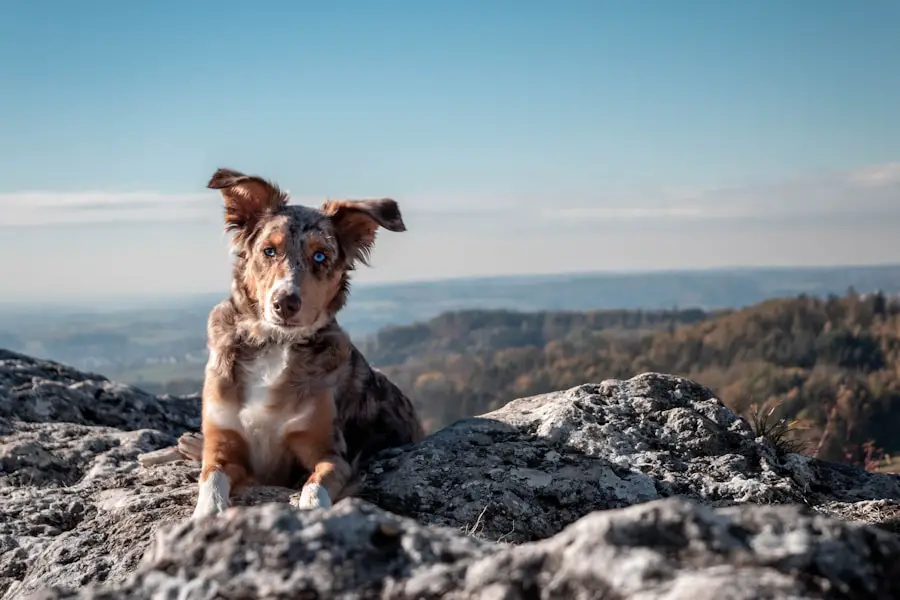
Selecting the trail is one of the most important parts of the trip. Start by confirming that dogs are actually allowed. “Dog-friendly park” does not necessarily mean every trail permits pets.
The National Park Service specifically advises visitors to check each park before arriving because many national parks restrict dogs on trails or boardwalks. Where dogs are permitted, leash rules may also apply.
For a four-month-old puppy, look for:
- a short route with an easy turnaround;
- flat or gently rolling terrain;
- stable natural footing;
- shade in warm weather;
- low crowding and enough room to create distance from unfamiliar dogs;
- no required scrambling, jumping or difficult water crossings;
- easy access to the trailhead if the puppy needs to be carried out.
Avoid choosing the hike by mileage alone. A short route with rocks, steep descents and heat can be harder on a puppy than a longer but very gentle walk. For the first few outings, stay close enough to the trailhead that ending early is simple.
The safest first puppy hike is one you are completely willing to turn around from after only a few minutes.
Tips for a Successful Hiking Trip With a Puppy
Before leaving home, let the puppy become comfortable wearing its harness and walking on leash. Practice basic cues in gradually more distracting places rather than expecting perfect trail manners on the first outing.
Let the Puppy Set the Pace
Walk slowly enough for sniffing and exploration. Do not pull a tired puppy forward simply because the trail continues. Puppies can be excited enough to keep following even after they have begun to fatigue.
Take Breaks Before They Are Needed
Pause in a comfortable location for water and observation. A break should not be used to persuade an obviously exhausted puppy to finish a route that is too demanding.
Know the Stop-Now Signs
Turn around or carry the puppy if you notice repeated sitting or lying down, unusual lagging, paw lifting, stumbling, reluctance to continue, limping or another change in gait. Excessive panting, drooling, weakness, vomiting, diarrhea, wobbliness or confusion can indicate a more urgent problem, especially in warm conditions.
Check Recovery After the Hike
Watch the puppy later that day and again the next morning. A puppy that is markedly stiff, limping, reluctant to get up, unusually quiet or painful after the outing should not simply be pushed through another walk. Contact your veterinarian for persistent or significant symptoms.
Taking photos can create lasting memories of these early adventures, but the best measure of success is a puppy that finishes the experience comfortable, confident and eager for normal activity afterward.
Alternatives to Hiking for Young Puppies
A four-month-old puppy does not need a long hike to receive useful exercise and enrichment. Short neighborhood walks in areas your veterinarian considers appropriate can build leash skills and stamina gradually. A slow sniff walk often provides more mental stimulation than trying to cover distance quickly.
Training games are another low-impact option. Practice recall, “leave it,” loose-leash walking, scent searches and calm observation of unfamiliar sights and sounds. Interactive food toys and age-appropriate play can also provide mental and physical activity without requiring sustained trail mileage.
For canine socialization, choose carefully supervised interactions with suitable dogs or a professionally managed puppy class rather than assuming a busy public dog park is the safest option. Early socialization remains valuable, but exposure should be planned around the puppy’s vaccination status and local disease risk.
If you are planning a destination trip, seasonal conditions matter just as much as trail length. For example, the existing guide to the best time to travel to Santa Fe can help you evaluate seasonal weather before planning an outing there. For a young puppy, however, your veterinarian’s clearance and the specific trail conditions should determine whether the puppy joins the hike.
Note: This guide provides general educational information. A veterinarian who knows your puppy’s breed or expected adult size, medical history, vaccination record and local disease risks is the best person to decide when that individual puppy is ready for progressively longer hikes.
Frequently Asked Questions
Is it safe to take my 4-month-old puppy hiking?
It can be appropriate for some healthy puppies to join a brief, gentle trail outing after veterinary clearance. A four-month-old should not automatically be expected to complete a long, steep or strenuous hike. Vaccination status, expected adult size, health, weather, trail surface and the puppy’s current conditioning all matter.
What precautions should I take when hiking with a 4-month-old puppy?
Ask your veterinarian whether the puppy’s vaccinations and parasite prevention are appropriate for the location. Choose an easy dog-legal trail, use secure walking equipment, carry fresh water, bring waste bags and first-aid supplies, avoid extreme weather and wildlife, and have a plan for carrying the puppy back to the trailhead.
How far can I hike with my 4-month-old puppy?
There is no universal evidence-based mileage for all four-month-old puppies. Avoid using a fixed one- or two-mile target. Start with a brief, easy outing and turn around before the puppy becomes tired. Your veterinarian can give more specific advice based on breed, expected adult size, health and development.
What signs show that my puppy is getting tired during a hike?
Watch for unusual lagging, repeated sitting or lying down, paw lifting, stumbling, reluctance to move forward or a change in gait. Stop immediately for limping. Excessive panting, weakness, vomiting, diarrhea, wobbliness or confusion—especially in warm conditions—can indicate a medical problem rather than ordinary tiredness.
What hiking gear should I bring for a 4-month-old puppy?
Bring secure, well-fitted walking equipment, a leash that complies with trail rules, identification, fresh water, a collapsible bowl, treats or a small amount of the puppy’s normal food, waste bags and basic pet first-aid supplies. Paw protection can be useful on abrasive or hot terrain if the puppy has been introduced to it properly.
Should I follow the five-minutes-per-month puppy exercise rule?
Do not treat it as a scientifically established medical formula. Puppies differ greatly in size, development, health and exercise type. A gentle sniff walk and repetitive running are not equivalent even if they last the same number of minutes. Use individualized veterinary guidance and watch how your puppy responds during and after activity.
When can my puppy start doing long hikes?
There is no single age for every dog. Skeletal maturity and conditioning vary with breed, expected adult size and individual development. Long, repetitive or strenuous hiking should be introduced only after your veterinarian considers the dog physically ready, then built up gradually rather than attempted all at once.
Sources
- American Animal Hospital Association — Canine Vaccination Guidelines — vaccination schedules, risk-based vaccines and the 2024 leptospirosis update.
- U.S. National Library of Medicine — Housing- and Exercise-Related Risk Factors for Canine Hip Dysplasia — prospective research on early exercise environment and orthopedic outcomes in four large breeds.
- Centers for Disease Control and Prevention — Preventing Ticks on Pets — tick prevention and post-outdoor tick checks.
- UC Davis School of Veterinary Medicine — Heat-Related Illness in Dogs — heat-illness signs, risk factors and emergency cooling guidance.
- National Park Service — Hiking With Pets — trail restrictions, leash safety, water, wildlife and overheating precautions.
- American Veterinary Society of Animal Behavior — Puppy Socialization Position Statement — safe early socialization and puppy-class guidance.

