
Last Updated on July 28, 2026 by Ethan Caldwell
Staining a hotel towel can feel like a minor travel mishap—until an unexpected line item shows up on your checkout statement. While hotels expect standard laundering wear and tear, permanent damage or heavy product staining often triggers automatic replacement charges.
Quick Answer
Yes, hotels can charge you for stained towels if the damage requires specialized cleaning or full replacement. Standard replacement fees range from $20 to $50 at mid-scale properties and up to $150 at luxury resorts. Stains from cosmetics, self-tanners, hair dye, and waterproof sunscreen are most frequently billed, while minor accidental stains reported quickly are often forgiven.
Key Takeaways
- Hotels possess the legal right to bill your incidentals card for towels damaged beyond reasonable, ordinary wear.
- Waterproof makeup, hair dye, self-tanner, and chemical sunscreens cause the vast majority of billed towel replacements.
- Rinsing stains immediately with cold water and notifying housekeeping before checkout can significantly reduce or eliminate damage fees.
- Under the Fair Credit Billing Act (FCBA), you have 60 days to dispute undocumented or excessive towel charges with your credit card provider.
Disclosure: As an Amazon Associate I earn from qualifying purchases. Some links on this page are affiliate links, at no extra cost to you.
Can Hotels Charge for Stained Towels?
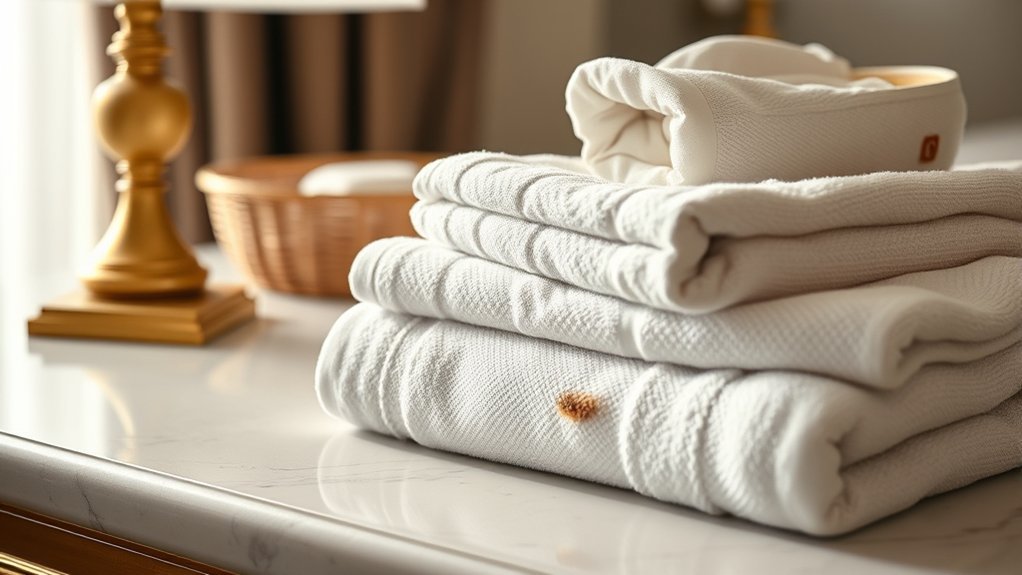
Hotels can legally charge you for stained towels if the damage exceeds standard, washable soil and their guest policy allows for incidental billing. When checking in, guests sign a registration card agreeing to pay for room damages, including ruined linens. Hotel management typically assesses charges when a towel requires specialized chemical treatment or full replacement.
While minor, water-soluble dirt is routinely handled by commercial laundry setups, deliberate or avoidable damage—such as using white bath towels to wipe off hair dye, shoes, or heavy makeup—frequently results in fees.
Major hotel chains actively enforce these policies:
* A Marriott property made headlines after posting in-room warnings stating that linens stained beyond normal cleaning would carry a $20 to $50 replacement fee per item.
* An Aloft hotel in McAllen, Texas billed a guest $80.50 for six washcloths used to remove cosmetics.
If you encounter an unfair or undocumented fee on your folio after checking out, you have legal rights to challenge it through your payment provider.
Which Towel Stains Usually Get Charged?
Hotels distinguish between operational wear and clear guest misuse. Stains that permanently bind to cotton fibers or require toxic solvents to treat almost always incur a fee.
* Makeup and Cosmetics: Waterproof foundation, long-wear lipstick, and mascara resist standard commercial detergents. They leave dark pigments that require intense bleaching, which breaks down fabric integrity.
* Sunscreens and Tanning Oils: Chemical UV filters (like avobenzone) react with iron present in laundering water, creating stubborn, rust-colored yellow stains that standard washing cannot eliminate. Self-tanners permanently dye white cotton fibers.
* Hair Dyes and Henna: Permanent or semi-permanent hair dyes instantly transfer to towel fabrics and cannot be bleached out without destroying the linen.
* Blood Stains: Minor biological stains from cuts or menstruation are generally treated with leniency by hotel staff. However, extensive, untreated blood stains that saturate the fabric will lead to disposal and replacement billing.
Note: Many modern hotels now place dark gray or black washcloths embroidered with the word “Makeup” in guest bathrooms. Using these dark cloths preserves white bath towels and eliminates stain risk entirely.
How Hotels Decide on Towel Damage Fees
Housekeeping departments evaluate linen damage using established operational guidelines. When housekeepers clear a checked-out room, stained linens are sorted into three primary categories:
1. Standard Washable: Normal dirt, food spills, or fresh blood that will dissolve during hot-water commercial washing cycles. No fee assessed.
2. Re-wash / Special Treatment: Stains requiring extra spot-treatment chemicals or secondary wash cycles. Small handling fees may apply at certain properties, though minor issues are typically absorbed as operational costs.
3. Discard / Total Loss: Towels with permanent discoloration, chemical burn, or heavy oil saturation that must be removed from inventory. The guest is billed full replacement cost.
How Much Hotel Towel Charges Cost
Towel damage costs depend entirely on property tier, linen quality, and the severity of the damage. Rates range from modest $10 washcloth replacement fees to $150 luxury bath sheet penalties.
At a Glance
| Standard Washcloth Fee | $10–$20 per item |
| Standard Bath Towel Fee | $20–$50 per item |
| Luxury Resort Bath Sheet | $80–$150 per item |
| Credit Card Dispute Window | 60 days from billing statement date (FCBA) |
Why Makeup and Sunscreen Ruin Towels
The chemical makeup of cosmetic products makes them particularly destructive to hotel linens. Understanding how these products interact with fabric highlights why hotels enforce strict policies.
Makeup Stains Set Fast
Cosmetics rely on heavy oils, waxes, and intense iron oxide pigments designed to resist sweat and moisture. When pressed into cotton towels, these hydrophobic compounds wrap tightly around inner fibers. Heat from industrial laundry dryers sets these pigments permanently into white cotton.
Sunscreen Leaves Oily Marks
Chemical sunscreens contain organic compounds like avobenzone and oxybenzone. While invisible upon application, these chemicals bind with cotton fibers. When washed in water containing trace minerals (like iron), a chemical reaction occurs that turns transparent oil spots into bright orange rust stains that heavy bleach cannot remove.
White Towels Show Damage
Hotels utilize bright white towels because they can be laundered at high temperatures with chlorine bleach to maintain hygiene. However, chemical bleaching degrades cotton fibers over time. When severe cosmetic or sunscreen stains require repeated bleach treatments, the towel fabric thins, frays, and tears, rendering it unusable for future guests.
What to Do After Staining Hotel Towels
If an accidental stain occurs during your stay, taking proactive steps can help you avoid unexpected charges upon checkout.
Pro Tip: Pack facial cleansing wipes or a personal dark microfiber washcloth in your toiletry kit. Using your own cloth for makeup, self-tanner, or hair dye eliminates any risk of hotel linen damage fees.
1. Act Quickly
Never allow a stain to dry completely or sit in a warm, closed luggage bag. Flush the affected spot with cold water immediately to prevent pigments or oils from bonding deep within the fibers.
2. Rinse and Blot
* Do Not Rub: Vigorous rubbing pushes pigments deeper into the towel weave. Gently blot the stain using a damp paper towel or tissue.
* Use Cold Water: Avoid hot water, which cooks protein stains (like blood) and sets oil-based cosmetic pigments into the fabric.
* Apply Soap Sparingly: Use gentle hand soap or facial cleanser to break up surface oils before rinsing thoroughly.
3. Notify Staff Promptly
Contact the front desk or housekeeping staff right away. Inform them about the spill and ask for a replacement. Demonstrating responsibility and allowing staff to treat the stain before it sets frequently prompts management to waive potential fees.
How Hotels Treat Stained Towels
Once stained towels enter the laundry workflow, hotel staff follow standardized operational procedures:
1. Pre-Treatment Sorting: Housekeeping separates heavily soiled or stained items from standard linen loads to prevent color bleed across large batches.
2. Enzymatic Soak: Stains are treated with concentrated enzymatic removers, emulsifiers, or oxygen bleaches before standard laundering.
3. Quality Inspection: After drying, linens pass through automated or manual inspection. Towels that retain visible stains are rejected.
4. Billing Assessment: Rejected linens are cataloged by room number, logged in the property management system, and charged against the guest’s incidental credit card hold.
How to Avoid Towel Damage on Trips
Protect yourself from surprise post-stay charges by adopting simple travel habits:
* Use Dedicated Wipes: Use disposable makeup wipes or micellar water pads to remove cosmetics before drying your face.
* Allow Sunscreen to Dry: Wait 15 to 20 minutes after applying sunscreen or self-tanner before wrapping yourself in hotel towels.
* Request Dark Cloths: Ask the front desk if they offer dark makeup washcloths or spare wiping cloths for outdoor activities.
* Isolate Stained Items: Place any accidentally stained towels in a clear pile rather than folding them back into clean stacks, allowing housekeeping to address them immediately.
When to Dispute a Towel Charge
Hotels are legally required to provide documentation for incidental charges. If you believe a towel fee was assessed unfairly, you can dispute the line item.
Warning: Always review your final itemized checkout folio before leaving the property. Disputing charges directly with hotel management while on-site is far faster and more successful than filing credit card chargebacks after departure.
Steps to Dispute an Unfair Fee:
1. Request Photo Evidence and Itemized Receipts: Ask hotel management to supply photographic proof of the damaged towel along with an itemized invoice showing the actual replacement cost.
2. Demonstrate Normal Use: Point out if the stain resulted from ordinary usage or pre-existing linen wear. If the stain was present upon check-in, notify staff immediately to avoid responsibility.
3. File a Formal Credit Card Dispute: Under the Fair Credit Billing Act (FCBA), you have 60 days from the statement date to dispute unauthorized or unsubstantiated merchant charges. Submit your correspondence record, folio, and dispute claim to your card issuer.
Frequently Asked Questions
Will I get charged if I stain hotel sheets?
Accidental bed sheet stains from food or minor body fluids are usually washed out during commercial laundering without extra fees. However, permanent damage from hair dye, fake tan, or heavy blood stains will incur replacement charges similar to towel fees.
What is the “washcloth trick” in hotels?
The “washcloth trick” refers to guests using small hotel washcloths instead of large bath towels to wipe off heavy makeup, shoes, or spills. While it protects larger linens, destroying washcloths can still trigger $10 to $20 damage charges per item if they cannot be laundered clean.
What could be staining my hotel towels yellow?
Yellow or orange towel stains are most commonly caused by chemical sunscreen ingredients like avobenzone. When these chemicals combine with iron or minerals present in laundering water, they form rust-colored stains that resist standard bleaching.
Can hotels charge your credit card after you check out?
Yes. Hotels place a temporary hold on your credit or debit card upon check-in for incidentals. If housekeeping discovers damaged linens during room cleaning after your departure, management can charge the damage fee against that credit hold.
Conclusion
Staining a hotel towel does not automatically mean you will be billed, but permanent damage from makeup, sunscreen, self-tanner, or hair dye frequently incurs fees ranging from $20 to $150. Hotels treat linens as business assets and assess damage based on whether an item can be commercially salvaged. By acting quickly to rinse accidental spills, packing facial wipes, and communicating honestly with staff, you can avoid surprise charges and keep your stay hassle-free.
Sources
- One Mile at a Time — Report on Marriott property towel replacement fee policies.
- LoyaltyLobby — Coverage of guest notices and hotel linen damage billing practices.
- View from the Wing — Analysis of Aloft McAllen $80.50 washcloth billing incident.
- Federal Trade Commission (FTC) — Official guide on consumer billing rights under the Fair Credit Billing Act.
- UponArriving — Traveler guidance on disputing hotel incidental charges.
