

Last Updated on July 28, 2026 by Caleb Warren
Keeping your passport safe while you travel doesn’t have to be complicated, but it does take a little planning. The right bag, smart storage habits, and a solid backup plan can mean the difference between a smooth trip and a stressful scramble at a foreign embassy.
Quick Answer
Store your passport in an inner zipped pocket of a slash-resistant crossbody bag or backpack, keep it against your body in crowded areas, and always carry a separate paper and digital backup copy in case it’s lost or stolen.
Key Takeaways
- Choose a bag with hidden, body-facing zipped pockets and slash-resistant straps or wire-mesh panels.
- Store your passport deep inside the main compartment, never in easily accessible outer pockets.
- Protect the physical document from water, moisture, and bending, which can damage the biometric chip and invalidate entry.
- Keep physical copies in your main luggage and secure digital copies stored offline or in encrypted storage.
- If lost abroad, report it to local police and contact the nearest consulate immediately for emergency document replacement.
At a Glance
| Recommended Tools | Anti-theft bag/backpack, waterproof sleeve, under-clothing neck wallet or money belt |
| Key Protection Methods | Body-facing zipped storage, physical/digital backups, room safe storage when non-transit |
| Primary Threats | Pickpocketing, bag slashing, accidental loss during transit, water/moisture damage |
| Emergency Replacement Window | 24–48 hours for emergency limited-validity passports at U.S. embassies |
Disclosure: As an Amazon Associate I earn from qualifying purchases. Some links on this page are affiliate links, at no extra cost to you.
Choosing the Right Bag and Anti-Theft Features
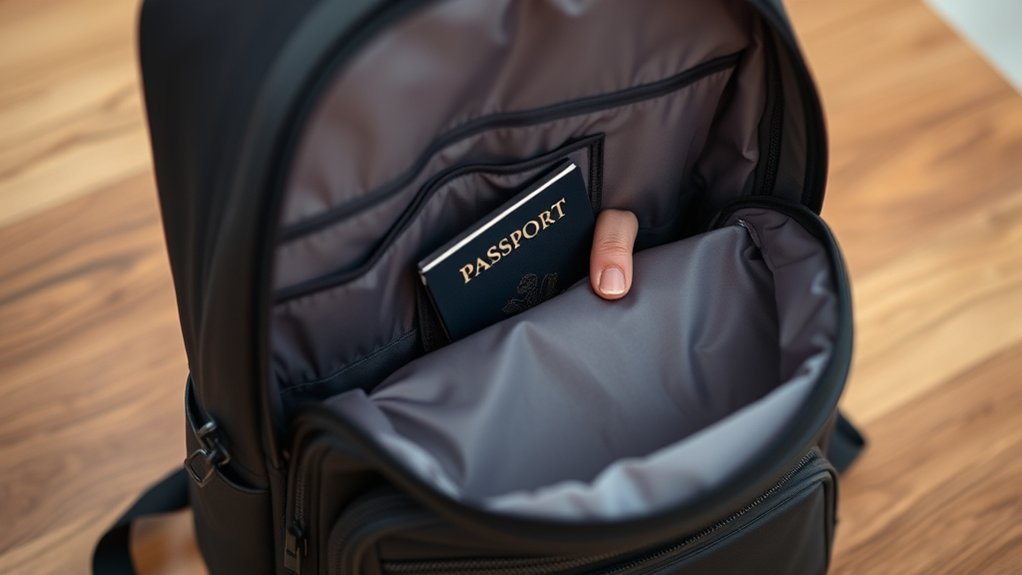
When traveling internationally, your bag is your primary line of defense. Selecting a travel backpack or crossbody bag built with modern anti-theft engineering makes it exponentially harder for pickpockets or opportunistic thieves to target your vital documents.
Look for bags that integrate these essential security details:
- Body-Facing Hidden Pockets: Zippered compartments built into the back panel of a backpack or the interior side of a crossbody bag rest directly against your body, making unauthorized access virtually impossible in crowds.
- Slash-Resistant Materials: High-density fabrics reinforced with internal wire mesh (such as eXomesh) prevent cut-and-run theft where thieves slash open the bottom or sides of a bag.
- Steel-Reinforced Straps: Flexible stainless steel cables embedded inside shoulder straps stop thieves from cutting bag straps in transit hubs or outdoor dining spaces.
- Locking Zipper Pulls: Zipper heads that clip together or lock into concealed housing add friction and delay, discouraging quick-finger pickpockets.
Best Places to Store Your Passport On Your Person
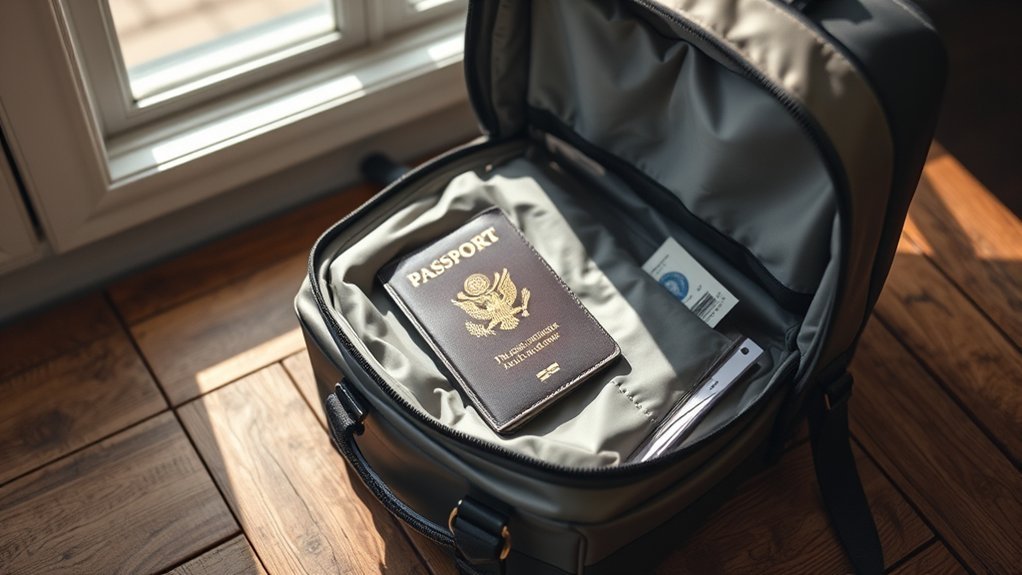
The safest physical location for your passport while in transit is deep inside an inner zippered compartment of a crossbody bag worn across your chest, or a backpack worn with the hidden back-panel pocket against your spine.
To minimize risk while moving through busy cities or transit stations:
- Bury the passport deep inside the main body of your bag rather than in outer or top-lid organizer pockets.
- Keep your passport in a dedicated compartment separate from your daily wallet, loose cash, or phone so it is never exposed when paying for items.
- In heavy crowds or crowded public transportation, swing your crossbody bag around to rest directly on your chest, resting your hand or arm over it.
Note: Never travel using only a photocopy in place of your actual passport when moving between border checkpoints — foreign border officials and legal immigration checks require the original physical document.
Hotel Safe vs. Carrying Your Passport Daily
One of the most common debates among travelers is whether to carry your passport with you everywhere or leave it secured in your accommodations. The right choice depends on local laws, your destination’s crime profile, and your daily activities.
When to Leave It in the Hotel Room Safe
In most stable destinations, storing your passport inside a locked hotel room safe (or a locked hard-shell suitcase if no safe is available) is significantly safer than carrying it through crowded tourist streets. Pickpocketing and bag snatching are far more common than hotel room burglaries. Carry a physical photocopy and a high-resolution photo on your phone for daily identification.
When You Must Carry It With You
You should carry your physical passport on your person under two specific conditions:
- Transit Days: When moving between cities, airports, train stations, or checking into new accommodations.
- Legal Mandates: Certain countries (such as Japan and several European nations) legally require foreign tourists to carry their original passport at all times for police identification checks. Research your destination’s laws prior to arrival.
Wearable Security: Money Belts, Neck Pouches, and Hidden Storage
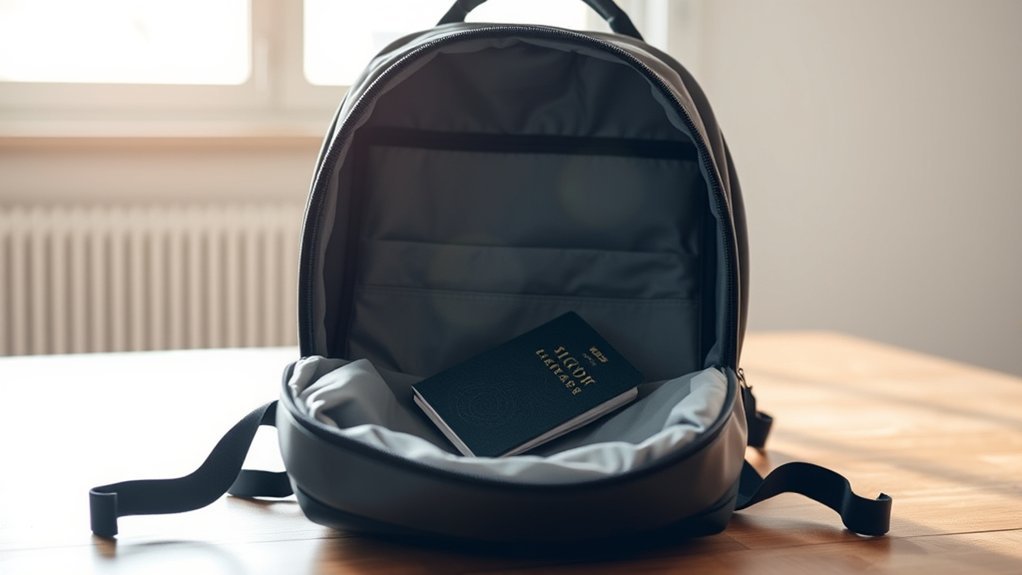
For high-risk transit hubs, night trains, or packed markets, wearable under-clothing accessories offer maximum concealment by keeping your passport directly against your skin beneath your clothing.
Under-Clothing Money Belts and Neck Pouches
- Neck Pouches: Worn under your shirt across your chest or tucked under your armpit. Choose moisture-wicking, soft fabric options to prevent irritation.
- Under-Clothing Money Belts: Strapped around your waist beneath trousers or shorts. Keep it flat against your lower abdomen; avoid overfilling it to prevent visible bulges.
- Hidden Belt Loop Pouches: Small pouches that attach to your pant belt and tuck entirely inside your waistband.
Protecting Your Passport From Water, Wear, and RFID Scams
Security is not just about stopping theft; it also means preserving the physical integrity of your passport. Modern passports contain delicate biometric RFID microchips embedded in the cover or photo page. If this chip or the machine-readable zone becomes water-damaged, creased, or torn, immigration authorities may declare the document invalid for travel.
Physical and Waterproof Protection
- Use a Waterproof Sleeve: Sweat, unexpected rain showers, or spilled water bottles inside a backpack can ruin a passport instantly. Store your passport in a clear, zip-sealing waterproof pouch or a slim protective passport cover.
- Avoid Excessive Bending: Storing a passport in a tight rear pants pocket causes severe bending, cover warping, and chip failure over time.
RFID-Blocking Technology: Fact vs. Fiction
Modern biometric passports utilize RFID chips to store your personal data and photo. While RFID-blocking sleeves and wallets are widely sold, modern passports already incorporate advanced cryptographic protection (Basic Access Control) that requires the chip to be physically opened and scanned at close range before data can be read. However, an RFID-blocking wallet or sleeve still provides an extra layer of privacy and physical protection against wear and tear.
Importance of Paper and Digital Backups
Having duplicate records of your passport’s bio-data page dramatically reduces panic and speeds up document replacement if your original passport is lost or stolen abroad.
- Physical Copies: Print two color copies of your passport photo page. Keep one in your checked luggage (separate from your daypack) and give the second to a trusted travel companion or leave it with family at home.
- Secure Digital Backups: Store a crisp photograph of your photo page in a password-protected note app or encrypted cloud storage. Emailing a copy to yourself ensures you can access it from any web browser if your phone is lost as well.
- Official Mobile Tools: Utilize official government travel applications, such as the U.S. Customs and Border Protection Mobile Passport Control (MPC) app, to streamline border re-entry procedures.
Pro Tip: Photograph your passport photo page along with any active foreign visas or entry stamps before departing. Having entry stamp dates on hand helps establish legal stay duration if your passport is missing when exiting a country.
Tips for Traveling in Crowded Areas
Crowded transit centers, street festivals, and popular sightseeing spots are prime operating grounds for pickpockets. Cultivating proactive security habits prevents opportunistic theft:
- Never Access Your Passport Publicly: Avoid pulling out your passport in open public view to retrieve cash or cards. Retrieve it only inside secure locations like banks, hotel desks, or official checkpoint lines.
- Maintain Active Control at Checkpoints: At TSA or international immigration security lines, keep your passport in your hand until cleared, then immediately return it to its hidden inner pocket before walking away.
- Be Wary of Distraction Scams: Pickpockets often work in teams where one person creates a distraction (spilling something, asking for directions, or staging a commotion) while an accomplice targets your bag. Maintain physical contact with your bag in crowded situations.
What to Do in Case of a Lost Passport Abroad
Losing a passport overseas is stressful, but following established consular steps will get you safely issued an emergency replacement document.
Losing your passport can be daunting, but with the right steps, you can manage the situation calmly and get back on track.
- Report the Theft to Local Police: File a formal police report immediately and obtain a physical copy of the incident report. While not mandatory in every country, this report provides proof of theft for embassy staff and travel insurance claims.
- Contact the Nearest Embassy or Consulate: Locate the nearest embassy or consular office for your home country and schedule an urgent appointment for lost passport replacement.
- Complete Mandatory Replacement Forms: For U.S. citizens, complete Form DS-11 (Application for a Passport) and Form DS-64 (Statement Regarding Lost or Stolen Passport).
- Gather Required Documentation: Bring your printed passport photocopy, secondary government ID (driver’s license), police report, flight itinerary, and two compliant passport photos (embassies often have photo booths nearby).
- Understand Processing Timelines:
- Emergency Passports: For immediate travel within 24–48 hours, embassies can issue an emergency limited-validity passport on-site.
- Standard Replacement Abroad: Full 10-year replacement passports processed overseas or via expedited services typically take 2–3 weeks, whereas standard domestic processing takes 6–8 weeks.
Warning: If your passport is stolen along with credit cards or personal information, contact a major credit bureau immediately to place a temporary fraud alert on your credit file to prevent identity theft.
Frequently Asked Questions
Can I store my passport in a wallet instead of a backpack?
Yes, provided it is a dedicated travel wallet that zips securely and protects the passport from creasing or moisture. Standard hip-pocket wallets are easily pickpocketed and cause severe passport bending, so keep the travel wallet in a secure interior bag pocket or under-clothing pouch.
How do I keep my backpack secure while traveling on public transit?
On trains, buses, or subways, wear your backpack on your front across your chest rather than on your back. Always engage locking zipper clips, keep your hands over the main compartments, and avoid placing your bag on floor racks or overhead bins where it is out of your direct line of sight.
What should I do if my passport gets wet or damaged?
Gently blot it with a dry cloth and allow it to air-dry naturally away from direct heat sources. Inspect the photo page, laminate coating, and electronic chip page. If the laminate is peeling, text is smudged, or pages are torn, contact your embassy — immigration authorities routinely refuse entry for water-damaged passports.
Are there specific countries with different passport storage or carrying rules?
Yes. Countries such as Japan, Spain, and South Africa legally mandate that foreign tourists carry their original passport at all times for identity verification. Check your destination’s official government entry requirements before traveling to ensure full compliance.
How often should I check my passport’s condition while traveling?
Check your passport every few days and prior to transit days to ensure it remains dry, clean, and intact. Catching minor wear or moisture early gives you time to arrange emergency consular replacement before arriving at an airport border check.
Conclusion
Safeguarding your passport comes down to combining smart anti-theft gear with consistent daily habits. By storing your passport deep within a body-facing pocket or under-clothing pouch, protecting it against water damage, and maintaining offsite paper and digital backups, you effectively eliminate travel risk. Understanding official consular replacement steps before departing transforms a potential travel crisis into a quick, manageable detour.
Sources
- USAGov — Lost or Stolen Passports — Official guidance for reporting lost or stolen travel documents abroad.
- U.S. Department of State — Lost or Stolen Passports — Official guidelines for Forms DS-11 and DS-64.
- U.S. Embassy France — Report a Lost or Stolen Passport — Embassy procedures for emergency passport issuance.
- U.S. Customs and Border Protection — Mobile Passport Control — Official mobile entry program details.

