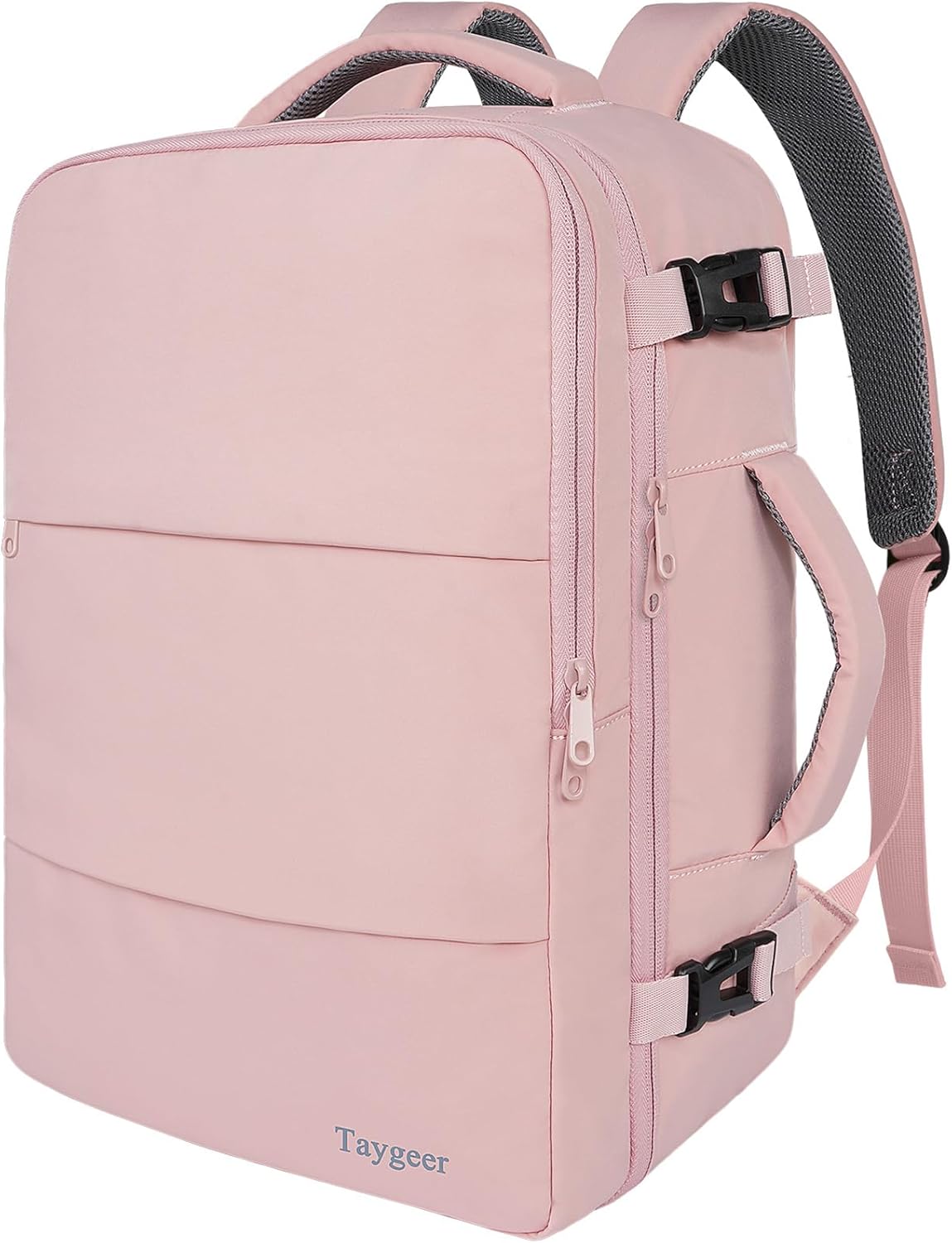
Last Updated on July 30, 2026 by Caleb Warren
The right backpack size depends on more than the number of days you will be away. Your gear bulk, season, food and water needs, travel style, and body fit all matter. A compact pack may work for a warm-weather overnight trip, while the same trip in winter may require much more space.
Quick Answer
For most travelers, 20–30 liters works for a day trip, 30–50 liters suits a typical one- to three-night trip, 50–80 liters fits many three- to five-night backpacking trips, and 70 liters or more is mainly for extended, winter, or gear-heavy travel. Always check fit and airline dimensions too.
Key Takeaways
- Use trip length as a starting point, not a strict rule; bulky gear, cold weather, and water needs can increase the required capacity.
- A 30–50L backpack is the most practical range for many one- to three-night trips.
- Fit is based mainly on torso length and hip-belt size, not height or pack capacity alone.
- Keep the loaded pack near a manageable share of your body weight rather than aiming for a fixed number such as 60 pounds.
- For flights, compare the pack’s outside dimensions with your airline’s current carry-on or personal-item limit.
At a Glance
| Time Required | 20–30 minutes to measure, compare gear, and test the load |
| Difficulty | Easy |
| Tools Needed | Flexible tape measure, planned gear, and a luggage or bathroom scale |
| Cost | $0 if you already have measuring tools and test gear |
Disclosure: As an Amazon Associate I earn from qualifying purchases. Some links on this page are affiliate links, at no extra cost to you.
Understanding Backpack Sizes
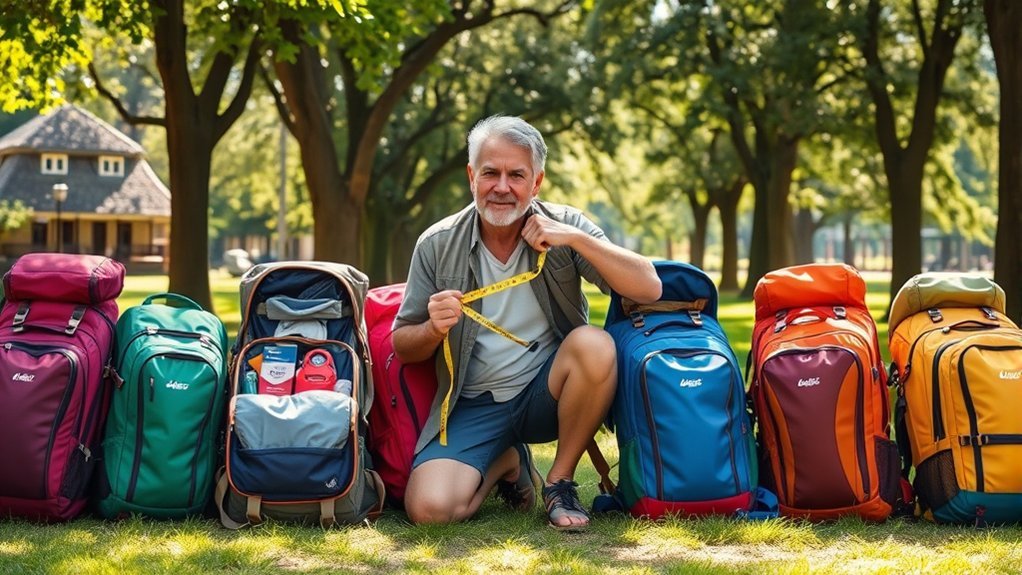
Backpack capacity is measured in liters, but the number does not tell the whole story. Shape, frame design, pockets, zipper layout, and the size of your equipment affect how much useful space you get. A tall, narrow 40L hiking pack may carry differently from a box-shaped 40L travel backpack.
It also helps to separate two common categories:
- Travel backpacks are often built for airports, hotels, laptops, and easy front-panel access. Their outside dimensions matter when you plan to fly.
- Backpacking packs are designed to carry shelter, sleep gear, food, water, and outdoor equipment over trails. A frame, supportive hip belt, and adjustable torso system matter more as the load increases.
The REI backpack-capacity guide uses 30–50L for one to three nights, 50–80L for three to five nights, and 70L or more for extended trips. These are useful starting ranges rather than rigid limits.
For many travelers, 30–50 liters is the practical middle ground: large enough for a typical short trip, but small enough to discourage unnecessary extras.
Choose a Backpack Size by Trip Duration
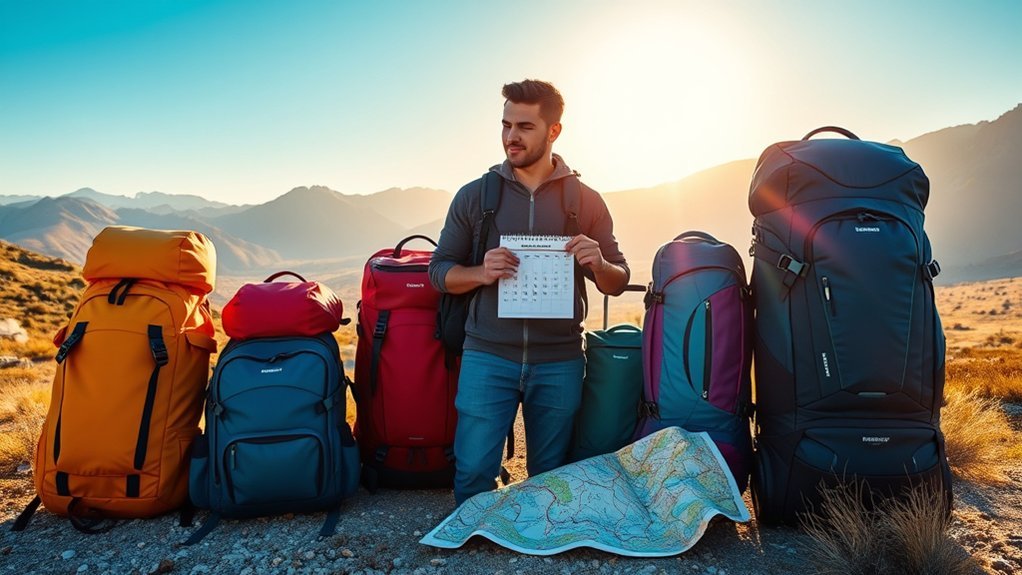
Trip duration is the easiest place to begin, but adjust the range for your gear and conditions. Warm-weather travelers with compact equipment may use the low end. Cold-weather hikers, parents, photographers, and anyone carrying group gear may need the high end.
| Trip Type | Starting Capacity | Best For |
|---|---|---|
| Day trip or city outing | 10–25L | Water, layers, snacks, camera, and daily essentials |
| Minimalist overnight | 25–35L | Compact gear, mild weather, or hut and hotel travel |
| Typical one to three nights | 30–50L | Most weekend travel and backpacking setups |
| Three to five nights | 50–80L | More food, layers, fuel, and shared equipment |
| Five or more nights | 70L+ | Extended, winter, expedition, or gear-heavy trips |
Note: A one-night trip and an overnight trip mean the same thing. Do not use separate, conflicting capacity ranges for those labels. Choose the range from the actual gear you must carry.
Evaluate the Gear You Must Carry
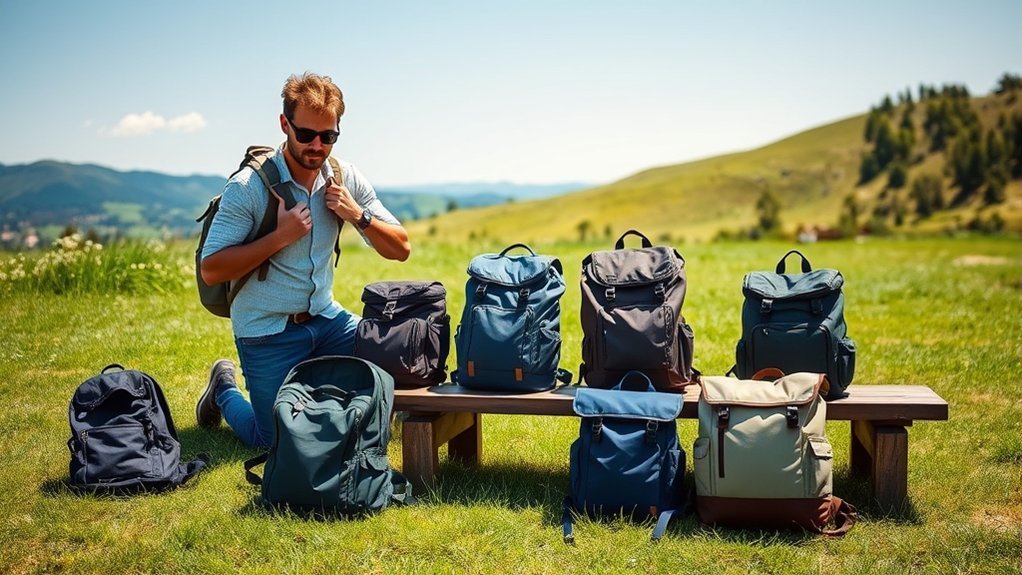
Before buying a backpack, place your planned gear on the floor or a table. For an overnight backpacking trip, that may include a tent or shelter, sleeping bag, sleeping pad, stove, fuel, food, water treatment, clothing, rain gear, toiletries, first-aid supplies, navigation tools, and small personal items such as a book or camera.
Large items usually decide the pack size. A bulky sleeping bag or tent can overwhelm a 25L pack, while compact gear may fit comfortably in 30–40L. Do not assume a small pack is impossible for every overnight trip, but do not force essential safety gear outside the pack simply to reach a lower capacity.
Pro Tip: Take your packed sleeping bag, tent, clothing, and food container when you try backpacks in a store. A realistic gear test is more useful than judging an empty pack.
How to Choose the Right Backpack Size
1. Define the Trip
Write down the number of nights, likely weather, access to food and water, and whether you will stay in hotels, huts, campgrounds, or the backcountry. A hotel trip needs less outdoor gear than a self-supported camping trip of the same length.
2. List Required Gear
Separate necessities from optional comforts. Include water, food, layers, rain protection, medication, navigation, and any destination-specific safety items before adding entertainment or duplicate clothing.
3. Estimate Capacity
Use the duration table as a starting point. If your gear is compact, test the lower end. If it is bulky or you are traveling in cold conditions, begin near the upper end. A 36L or 40L pack can be a good one-night choice, while 45–50L offers more flexibility for bulkier equipment.
4. Check the Pack’s Load Rating
Capacity and carrying comfort are different. A large frameless pack may hold plenty of gear but feel poor under a heavy load. Check the manufacturer’s recommended load range and choose a frame and suspension that can support your planned weight.
5. Check Airline Dimensions
Liters do not determine whether a backpack is a carry-on. Measure the packed bag’s height, width, and depth, including wheels, handles, stuffed pockets, or rigid frames. The Transportation Security Administration states that carry-on dimensions vary by airline, so confirm the current limit with the airline operating your flight.
6. Test the Loaded Pack
Load the backpack with your actual gear or a similar weight. Adjust it, walk for at least 15–20 minutes, climb stairs if possible, and check for pressure points, rubbing, swaying, numbness, or restricted movement. Repack or resize if the load remains uncomfortable.
Weight Considerations for Packing
There is no safe universal target such as 60 pounds. Your body size, conditioning, route, elevation, heat, water availability, and pack design all affect what is manageable. REI advises keeping a backpacking load near about 20% of body weight, while the National Park Service describes 30% as a general upper rule of thumb and recommends aiming below 50 pounds.
Warning: Do not treat 60 pounds as a normal goal for a one-night trip. For many people, that load is excessive and can increase fatigue, instability, and injury risk. Reduce nonessential items and seek personalized advice if pain, numbness, balance problems, or a medical condition affects carrying.
Weigh the complete pack after adding food and water. Water alone weighs about 2.2 pounds per liter, so a dry pack can become much heavier at the trailhead. Review every item, choose lighter versions where practical, and avoid filling extra space simply because it is available.
Ideal Backpack Sizes for One-Night Trips
For most one-night backpacking trips, 30–50L is a better general range than a narrow 36–47L rule. A 25–35L pack may work for experienced minimalist hikers, warm weather, compact sleep systems, or trips where shelter and meals are provided. A 36–40L pack often balances capacity and control, while 45–50L gives beginners or gear-heavy travelers more room.
A 60L pack can work, especially for winter gear, family equipment, photography gear, or items shared with a group. However, it is usually more capacity than one person needs for a simple overnight trip. A 70L pack is generally better reserved for long, cold, remote, or equipment-heavy journeys.
Comfort and Fit: Testing Your Backpack
A backpack that matches your trip but does not match your body is still the wrong choice. Pack sizing refers to torso and hip-belt fit, while capacity refers to liters. Two 45L packs can fit very differently.
Measure Your Torso and Hips
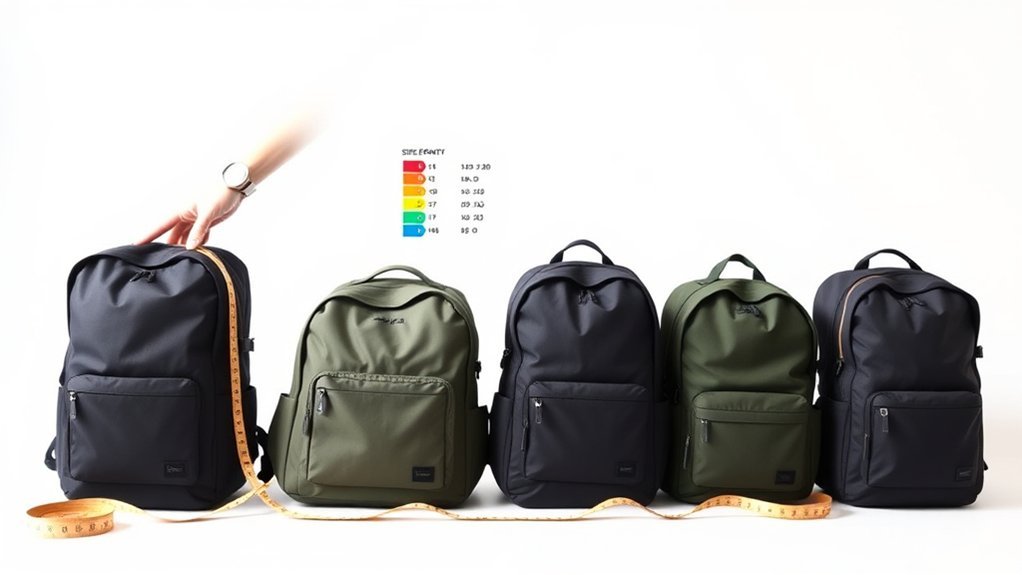
Your torso length runs from the C7 vertebra at the base of your neck to the line across the top of your hip bones. Use a flexible tape measure and a helper when possible. The REI fitting guide explains that torso length—not height—is the key measurement, and that hip circumference should also match the pack’s sizing chart.
Adjust the Straps in Order
- Loosen the hip belt, shoulder straps, load lifters, and sternum strap.
- Place the hip belt over the top of the hip bones and tighten it first.
- Snug the shoulder straps without pulling the pack away from the hips.
- Tighten the load lifters enough to bring the upper pack closer without creating a gap at the shoulders.
- Fasten the sternum strap at a comfortable chest height without restricting breathing.
The hip belt should carry most of the load, but an exact claim such as “80%” is not universal. Body shape, pack design, and terrain can change the balance.
Distribute Weight for Stability
Place dense, heavy items in the pack’s core, close to your back and near the center of gravity. Keep bulky, lighter sleep gear lower in the pack and place frequently used items near the top or in outside pockets. This approach follows the principles in REI’s backpack-loading guide.
Try Before Buying
Walk with a realistic load rather than an empty display pack. The backpack should stay close to your back without excessive side-to-side movement. Check that you can look up, move your arms, breathe deeply, and step naturally. Try nearby sizes or another model if strap adjustments cannot remove pressure points.
Organization and Accessibility Tips
Good organization reduces the time spent unloading the pack and helps keep weight balanced. The best layout depends on whether you are hiking, flying, commuting, or moving between hotels.
Packing Techniques for Efficiency
- Use packing cubes or stuff sacks to group clothing, sleep gear, food, and small items.
- Compress soft gear only as much as needed; extreme compression can create hard lumps against your back.
- Roll or fold clothing according to the space available rather than treating one method as universally better.
- Keep dense gear centered close to your back instead of placing all heavy items at the bottom.
Compartmentalization Strategies
Panel-loading travel packs make clothing and electronics easy to reach. Top-loading backpacking packs are simple and weather-resistant, but items at the bottom are harder to access. Extra dividers, zippers, and pockets improve organization but can add weight and reduce usable interior space.
Use zippered pockets for small objects, mesh sleeves for visible items, and elastic straps for gear that can safely ride outside. Keep fuel separate from food and protect sharp or hard items so they do not damage the fabric.
Quick-Access Essentials
Keep water, snacks, a map, rain protection, sunglasses, sunscreen, and a small first-aid kit where you can reach them without emptying the main compartment. On a flight, place documents, medication, chargers, and security-screening items in an accessible pocket.
Materials, Weather Protection, and Care
Nylon and polyester are common backpack fabrics because they can balance strength, weight, and cost. Fabric denier, weave, coatings, seam construction, zipper quality, and reinforced stress points matter as much as the fiber name. Ripstop weaves can help limit the spread of small tears, while higher-denier fabrics are often tougher but heavier.
“Water-resistant” does not mean waterproof. For wet conditions, use a rain cover, waterproof dry bags, or a pack liner for critical gear. Follow the manufacturer’s care label before washing. In general, empty the pack, vacuum or shake out debris, spot-clean it, hand-wash with mild cleaner when allowed, rinse well, and air-dry away from direct heat. Osprey’s official cleaning instructions also recommend removing detachable harness and hip-belt parts before cleaning when the design allows.
Personal Preferences and Packing Strategies
Personal comfort matters, but it should not override fit, safety, or required gear. Some travelers prefer a streamlined ultralight setup. Others accept more weight for a roomier sleep system, camera equipment, extra clothing, or family supplies.
| Backpack Size | Typical Use |
|---|---|
| 25–35L | Day trips, minimalist overnights, hut trips, and compact urban travel |
| 36–50L | Typical one- to three-night trips and many weekend getaways |
| 50–80L | Three- to five-night trips, cold-weather gear, or larger food loads |
| 70L+ | Extended expeditions, winter travel, family gear, or specialized equipment |
Choose the smallest pack that comfortably holds required gear and remains within its recommended load range. Leaving a little unused room is fine; overstuffing can distort the suspension, stress zippers, and make airline sizing unpredictable.
Engaging With the Backpacking Community
Advice from experienced travelers can help you compare real-world packing lists, but treat personal recommendations as examples rather than universal rules. Climate, route, skill, and equipment vary widely.
- Join local hiking groups or reputable online communities to compare complete gear lists.
- Attend a pack-fitting session or outdoor-store clinic and test several brands.
- Ask people with a similar trip, body size, and gear style what worked and what they would change.
- After each trip, note what you used, what stayed packed, and what was missing. Use that record to improve your next load.
Frequently Asked Questions
What materials are best for a durable travel backpack?
High-tenacity nylon and durable polyester are common choices. Compare denier, ripstop construction, coating, stitching, zipper quality, and reinforcement at the shoulder straps and carry handles. A well-built lower-denier fabric can outperform a poorly constructed heavier fabric.
How do I clean my backpack properly?
Empty every pocket, remove detachable parts if the manufacturer allows it, shake out dirt, and spot-clean with mild soap. Hand-wash only when the care label permits, rinse thoroughly, and air-dry away from direct heat. Do not use a washing machine, dryer, bleach, or strong detergent unless the manufacturer specifically approves it.
Can I carry a backpack on a plane?
Usually, yes, but the packed backpack must meet the operating airline’s size and weight rules. TSA does not set one universal carry-on dimension. Measure the outside of the full bag and check whether the airline classifies it as a personal item, carry-on, or checked bag.
Are hiking and travel backpacks different?
Yes. Hiking and backpacking packs prioritize suspension, ventilation, hydration compatibility, and trail comfort. Travel packs often use a suitcase-style opening, lockable zippers, laptop storage, and stowable straps. Some hybrid packs combine both designs, but fit and load support still matter.
How do I choose a backpack color or style?
Choose a color you will use confidently, then prioritize visibility, stain resistance, and the conditions of your trip. Bright colors can be easier to spot outdoors, while neutral colors may suit business or city travel. Style should come after fit, capacity, and function.
Is a 40L backpack enough for a week?
It can be enough for minimalist hotel travel when you can wash clothing and do not need camping gear. For self-supported backpacking, winter clothing, food, or bulky equipment, 40L may be too small. Build a gear list and test-pack before deciding.
Does backpack size refer to liters or body fit?
Both terms are used. Capacity in liters describes storage volume. A small, medium, or large pack size usually describes the torso-length and hip-belt range. Check both measurements because the right capacity can still fit your body poorly.
Conclusion
The best backpack is not simply the largest one you can carry. Start with trip length, lay out the gear you truly need, select a realistic capacity, and then confirm the pack’s load rating, torso fit, hip-belt fit, and outside dimensions. For many short trips, 30–50L is the most useful range, but a careful test pack is the final answer.
Sources
- REI Co-op: Backpacking Packs and Capacity Guide — trip-duration capacity ranges and fit factors.
- REI Co-op: How to Size and Fit a Backpack — torso measurement, hip sizing, and strap adjustment.
- REI Co-op: How to Pack and Hoist a Backpack — load placement and access zones.
- National Park Service: Isle Royale Packing Guide — pack-weight guidance.
- Transportation Security Administration: Carry-On Size Restrictions — airline-specific cabin-bag dimensions.
- Osprey: How to Clean Your Backpack — manufacturer care instructions.