

Last Updated on July 30, 2026 by Caleb Warren
Packing a backpack for carry-on-only travel is easier when you work in the right order: check the airline’s limits, plan for the weather and laundry access, build a small mix-and-match wardrobe, and place security items where you can reach them. The 4-3-2-1-2 clothing formula can be a useful starting point, but it should bend to your trip, body, climate, and personal style.
Quick Answer
To pack a backpack for carry-on-only travel, confirm your airline’s size and weight limits, choose a compact mix-and-match wardrobe, and keep dense items close to your back. Use packing cubes for organization, then place liquids, documents, medication, electronics, and power banks where you can reach them quickly.
Key Takeaways
- Airlines—not TSA—set carry-on and personal-item dimensions, so check the operating carrier before packing.
- Treat the 4-3-2-1-2 clothing formula as a flexible guide, not a rule or guarantee that everything will fit.
- Keep heavy, dense items centered and close to your back instead of dropping all the weight into the bottom of the backpack.
- Follow TSA’s 3-1-1 rule for ordinary liquids and keep the clear bag accessible for screening.
- Power banks and spare lithium batteries belong in the aircraft cabin and must be removed if your backpack is gate-checked.
At a Glance
| Time Required | About 30–45 minutes for planning, packing, measuring, and a final weight check |
| Difficulty | Easy |
| Tools Needed | Carry-on backpack, tape measure, luggage scale, packing cubes or pouches, and leakproof toiletry containers |
| Cost | $0 if you use what you own; optional organizers, bottles, and scales vary by brand |
Disclosure: As an Amazon Associate I earn from qualifying purchases. Some links on this page are affiliate links, at no extra cost to you.
Understanding the Carry-On Packing Strategy
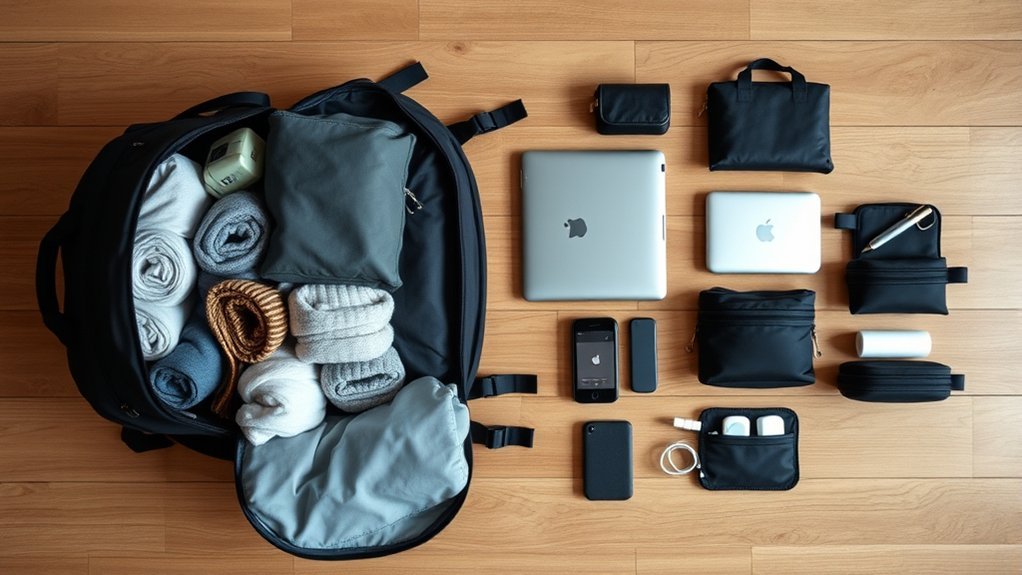
A reliable carry-on strategy starts before you choose any clothes. Check the baggage page for the airline that operates each flight, including connection segments. Carry-on size, personal-item size, weight limits, and basic-economy allowances can differ by airline, route, aircraft, and fare.
A maximum of 22 x 14 x 9 inches is used by some major U.S. carriers. For example, American Airlines currently lists that limit, including handles and wheels. It is not a universal TSA standard, and a bag that qualifies as an overhead carry-on may still be too large to count as a personal item under the seat.
Note: Measure the backpack after it is packed. Bulging front pockets, stuffed bottle sleeves, rigid frames, and overfilled top compartments can push it past the airline’s limit.
Next, check the forecast, dress code, activities, laundry access, and trip length. Then pack in this order:
- Non-negotiables: identification, travel documents, medication, glasses, payment methods, and required work or medical items.
- Clothing: a small wardrobe that works in layers and creates several outfits.
- Toiletries: solids where practical and only the liquids you will actually use.
- Technology: the few devices, cables, adapters, and batteries needed for the trip.
- Comfort items: snacks, an empty reusable bottle, sleep mask, or a compact layer for the cabin.
The 4-3-2-1-2 Clothing Formula
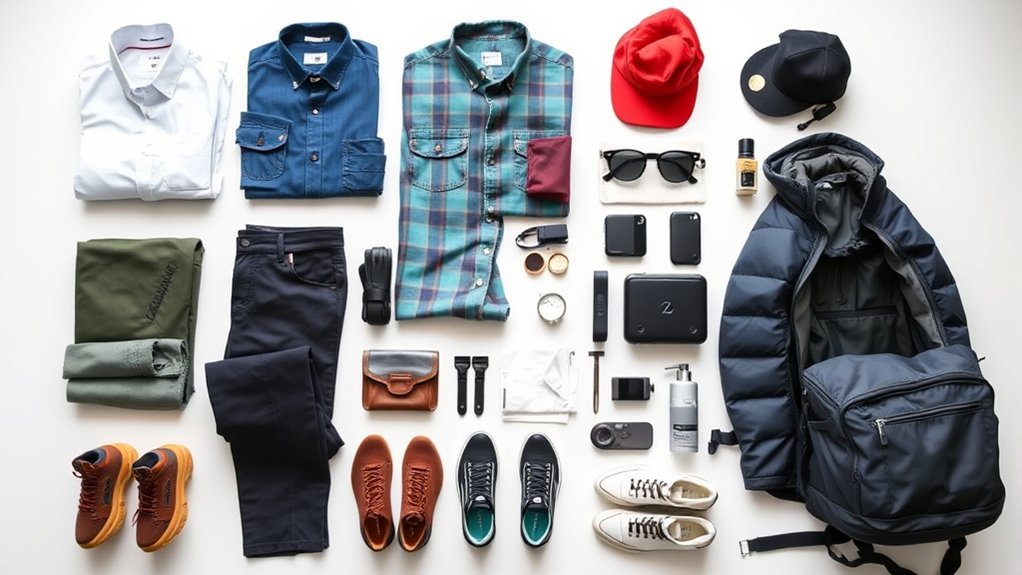
The 4-3-2-1-2 formula means four tops, three bottoms, two outerwear pieces, one dress or jumpsuit, and two pairs of shoes. It is a practical wardrobe prompt, not a proven standard. A warm-weather weekend may need less, while a cold trip, formal event, or trip without laundry may require a different mix.
Choose a simple color palette so most tops work with most bottoms. Wear the bulkiest shoes and outer layer during transit when practical. If you do not wear dresses or jumpsuits, replace that slot with another bottom, a matching set, or a one-piece outfit that suits your plans.
Essential Clothing Items
One example keeps the original neutral wardrobe idea while making it easier to adapt:
- Four tops: a cream sweater, tan sweater top, black long-sleeve shirt, and neutral basic tee—or lighter equivalents for warm weather.
- Three bottoms: jeans, a maxi skirt, and leggings. Swap any item that does not match your activities, climate, or style.
- Two outerwear pieces: a rain parka and a warm coat for a cold, wet destination. In mild weather, use a packable rain shell and light cardigan instead.
- One dress or jumpsuit: a black long-sleeve maxi dress can move from daytime to dinner. Replace it with any versatile one-piece or coordinating set.
- Two pairs of shoes: one comfortable walking pair and one activity-specific or dressier pair. Wear the heavier pair in transit.
Add underwear, socks, sleepwear, swimwear, or activity clothing according to the trip. For longer travel, plan a laundry day instead of adding a full outfit for every date.
Versatile Outfit Combinations
Mix-and-match packing works when each item earns its space. Before packing, lay everything on the bed and build at least three complete outfits. Remove pieces that work with only one other item unless they are required for a specific event.
| Category | Example Items | How to Use Them |
|---|---|---|
| Tops | Cream sweater, tan sweater top, black long sleeve, neutral tee | Layer, dress up, or wear alone |
| Bottoms | Jeans, maxi skirt, leggings | Cover casual, comfortable, and dressier plans |
| Outerwear | Rain parka, warm coat | Protect against rain, wind, and cold |
| One-piece outfit | Dress, jumpsuit, or matching set | Creates a complete outfit with little planning |
| Shoes | Walking pair and dressy or activity pair | Covers most daily and planned activities |
Pro Tip: Take a photo of each planned outfit before the trip. It reduces decision fatigue and helps you spot pieces that do not combine well.
Choosing the Right Carry-On Backpack
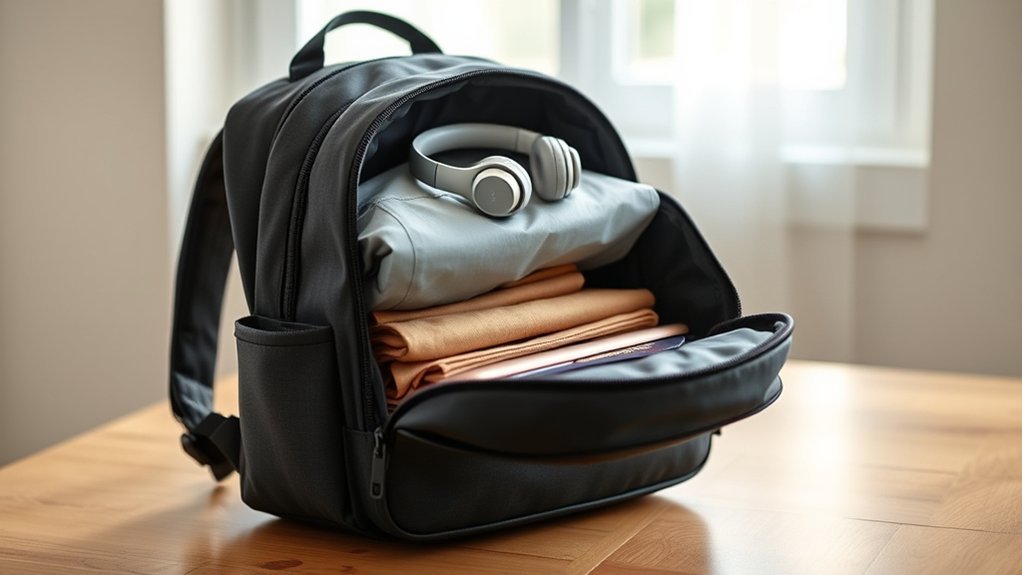
Capacity in liters is useful, but dimensions matter more at the gate. A soft 30-liter backpack can fail a sizer if it is overstuffed, while a structured 40-liter travel pack may comply if its measurements stay within the carrier’s limit. For many short trips, a 20- to 40-liter range is workable, but trip length alone does not determine the right size.
Look for lightweight, durable fabric; comfortable shoulder straps; a supportive back panel; grab handles; lockable zippers; and enough compartments to separate clean clothes, toiletries, and technology. Water-resistant fabric or a fitted rain cover can protect the contents during transfers, although water-resistant does not mean waterproof.
Measure and Fit the Backpack
- Measure height, width, and depth at the bag’s fullest points, including handles and packed pockets.
- Check both carry-on and personal-item limits if you plan to use the backpack under the seat.
- Adjust the shoulder straps so the pack sits close to your torso instead of hanging low.
- Use the sternum strap and hip belt, if fitted, to improve stability during long walks.
- Weigh the packed bag at home, especially for international or low-cost carriers that publish cabin-bag weight limits.
Warning: If a carry-on is gate-checked, remove medication, identification, valuables, fragile electronics, and all power banks or spare lithium batteries before handing over the bag.
Create a Carry-On-Only Packing List
A written list prevents last-minute extras from filling the remaining space. Adjust the quantities to the destination, trip length, and laundry plan.
- Documents and money: identification, passport when required, boarding information, payment cards, emergency contact details, and any visas or permits.
- Clothing: the 4-3-2-1-2 wardrobe or a smaller variation, plus underwear, socks, sleepwear, and activity-specific items.
- Health items: prescription medication, basic first aid, glasses or contacts, and any medically necessary supplies.
- Toiletries: toothbrush, toothpaste, deodorant, skin care, hair care, and only the makeup or grooming items you expect to use.
- Technology: phone, headphones, chargers, travel adapter, power bank, and a camera only if it adds value beyond your phone.
- Transit kit: empty reusable water bottle, dry snacks, light layer, sleep mask, tissues, hand sanitizer, and a pen.
- Backup items: one change of underwear, socks, and a top in the easiest-to-reach section for delays or spills.
Do not pack “just in case” duplicates unless the item would be difficult, expensive, or unsafe to replace. Most destinations sell basic toiletries and clothing.
Organizing Your Personal Item
Your personal item should hold the things you may need from the curb to your destination. Keep your passport or identification, wallet, phone, boarding information, medication, glasses, and one charging cable in secure but reachable compartments. Avoid placing a passport in an exposed outer pocket where it could fall out or be taken.
Use a small toiletry pouch for items you need in flight and keep the clear liquids bag easy to remove. Add a compact change of clothes for delays. A tech pouch can hold chargers, a travel adapter, and an external battery, while a collapsible or reusable water bottle saves money after you pass security. The bottle must be empty at the checkpoint unless a specific exemption applies.
Do not overfill the personal item. It still needs to fit within the airline’s published under-seat dimensions, and a crowded bag is harder to screen and use in a tight seat area.
Toiletries: Essentials for Travel
Choose the smallest routine that keeps you comfortable. Decant products only into clean, leakproof containers, label them, and avoid transferring products that require their original packaging or instructions. Place liquids in a resealable bag and keep messy items inside a second pouch for leak protection.
Solid Toiletries Advantages
Shampoo bars, soap bars, solid deodorant, and toothpaste tablets can reduce leaks and free space in the liquids bag. A product must actually be solid; creams, gels, pastes, roll-ons, and aerosols still fall under the liquids rule. Solid options also vary in performance, packaging, and lifespan, so test unfamiliar products before the trip instead of discovering a problem after arrival.
Packing Tips for Liquids
For ordinary carry-on liquids, follow the TSA liquids, aerosols, and gels rule:
- Use containers that hold 3.4 ounces (100 milliliters) or less each.
- Place the containers in one quart-size, clear, resealable bag.
- Limit the ordinary liquids bag to one per passenger.
- Keep it near the top of the backpack in case the lane requires separate screening.
- Seal bottle openings, tighten caps, and place leak-prone containers in a second small pouch.
Medically necessary liquids and certain infant or child nourishment can be allowed in larger quantities, but they may require declaration and additional screening. Review the official rules before travel rather than discarding an essential item or forcing it into the ordinary liquids bag.
Tech and Travel Essentials
Build one compact tech pouch around the devices you will truly use. Include the correct cables, a wall charger, a destination-compatible travel adapter, headphones, and an external battery. Label similar cables or use short cable ties so they do not tangle.
Power banks and spare lithium batteries require special care. The FAA PackSafe lithium-battery guidance states that spare lithium batteries and power banks must travel in carry-on baggage, with terminals protected from short circuits. If your bag is checked at the gate, remove them and keep them in the cabin. Check the battery’s watt-hour rating and airline approval requirements before bringing unusually large batteries.
Place laptops, tablets, e-readers, and large game systems where they can be removed without unpacking your clothes. TSA screening procedures vary by program and checkpoint technology. Standard screening may require electronics to be placed separately, while TSA PreCheck or a lane using newer equipment may allow them to stay inside. Follow the signs and the officer’s directions at your lane. The current overview is available on TSA’s security-screening page.
An eSIM can reduce the need for a physical SIM and may offer a better rate than roaming, but coverage, setup time, hotspot use, and device compatibility vary. If you are considering Holafly or another eSIM provider, verify the destination list, current prices, refund terms, and supported phone model directly before buying.
Pack Your Backpack Step by Step
- Lay out everything. Compare the pile with your list, forecast, activities, and laundry plan. Remove duplicates first.
- Prepare footwear. Clean the soles, place shoes in a bag, and fill empty shoe space with socks or other soft items.
- Pack low-priority soft items. Put sleepwear or a light spare layer at the bottom if you will not need it during transit.
- Center dense weight. Place shoes, a compact toiletry kit, or other heavy items close to the back panel and near the middle of your torso. This keeps the load from pulling backward and follows the same center-of-gravity principle described in Deuter’s backpack-loading guidance.
- Add clothing cubes. Use one cube for tops and bottoms and another for underwear or sleepwear. Compress only enough to create a stable shape.
- Use the top layer for access. Place the liquids bag, light jacket, snacks, and large electronics near the opening.
- Use pockets with purpose. Keep water outside when possible, place cables in one pouch, and secure documents in an internal zip pocket.
- Close, measure, and weigh. Check the packed dimensions and confirm the zippers are not under extreme strain.
- Wear and walk. Adjust the straps and walk for five to ten minutes. Repack if the load shifts, digs into your back, or feels unbalanced.
Space-Saving Techniques With Compression Packing
Compression packing cubes can reduce the volume of soft clothing and keep categories organized, but they do not reduce weight. Overcompression can create a dense, uncomfortable bag, strain zippers, and make the backpack exceed its depth limit.
- Roll flexible items such as T-shirts and leggings when that shape fits the cube well.
- Fold structured shirts, jackets, and wrinkle-prone clothes along their natural seams.
- Use vacuum bags only when you will have a reliable way to recompress them for the return trip.
- Fill small gaps with socks, underwear, or a soft pouch instead of adding more items.
- Limit yourself to a small number of cubes so the organization system does not add unnecessary bulk.
The best technique is the one that creates a flat, stable load without forcing the zippers. Rolling is not automatically better than folding, and a fully compressed bag can still be too heavy or too large.
Staying Organized During Travel
Give every item a fixed home. This makes security checks faster and prevents small items from disappearing into the bottom of the pack.
| Organizer | Best Use |
|---|---|
| Tech pouch | Chargers, adapters, cable ties, and small electronics |
| Travel essentials pouch | Hand sanitizer, tissues, sleep mask, lip balm, and other in-transit items |
| Clothing cubes | Separate tops and bottoms from underwear, sleepwear, or laundry |
| Document pocket | Passport, printed confirmations, and emergency information in a secure interior compartment |
Keep a small empty bag for laundry. Each evening, return chargers, documents, and toiletries to the same places so you do not have to rebuild the system before every checkout.
Preparing for Changes in Travel Plans
Delays, weather changes, and full overhead bins are easier to manage when critical items stay together. Pack a small change of clothes in the personal item or top section, and keep travel documents, medication, chargers, and valuables accessible.
- Bring a lightweight, foldable tote only if your fare allows another item or you plan to use it after arrival.
- Carry an empty reusable water bottle and fill it after security.
- Download boarding passes, maps, accommodation details, and key phone numbers for offline access.
- Check the destination forecast again the day before departure and replace clothing rather than simply adding more.
- Leave a little free space for food, a removed jacket, or small purchases.
Carry-On Security and Final Check
Run this check before leaving home:
- The packed bag meets the operating airline’s size and weight rules.
- The personal item also meets its separate limit.
- Liquids follow the 3-1-1 rule unless a documented exception applies.
- Power banks and spare lithium batteries are in the cabin bag with protected terminals.
- Large electronics and the liquids bag are easy to remove if directed.
- Medication, identification, valuables, and one charging option are accessible.
- The reusable bottle is empty before the security checkpoint.
- Food is packed so it can be separated for screening; solid food is generally allowed, while liquid or gel foods above the ordinary limit can be restricted.
- No prohibited sharp, flammable, or hazardous item has slipped into a pocket.
The most efficient carry-on is not the one that holds the most. It is the one that meets the airline’s rules, stays comfortable, and lets you reach the right item without unpacking everything.
Common Carry-On Packing Mistakes
- Assuming TSA sets bag size: TSA handles security screening; the airline sets cabin-bag dimensions and allowances.
- Packing to the bag’s maximum capacity: A bulging soft backpack may not fit the sizer even when its listed dimensions look correct.
- Counting compression as weight savings: Cubes make clothing smaller, not lighter.
- Putting all heavy items at the bottom: In a backpack, dense weight should stay close to the back and near the torso’s center.
- Burying checkpoint items: Liquids and electronics should be easy to reach when the lane requires separate screening.
- Leaving a power bank in a gate-checked bag: Remove it and keep it in the cabin.
- Taking two shoes for the same job: Each pair should cover a different activity or dress need.
- Ignoring the return trip: Leave room for laundry, repacking, and small purchases.
Frequently Asked Questions
What are the best fabrics for travel clothing?
Choose fabrics that match the climate and washing plan. Merino wool can resist odor, while polyester and nylon usually dry quickly. Lightweight cotton can be comfortable in dry heat but may dry slowly. Test comfort, transparency, wrinkles, and care needs before building the whole wardrobe around one fabric.
How do I choose the right size backpack?
Start with the operating airline’s maximum packed dimensions and any weight limit. Then choose a bag that fits your torso and packing list. A 20- to 40-liter backpack often works for short trips, but liters do not guarantee compliance. Measure the packed bag at its fullest points.
Can I bring food in my carry-on?
Yes. TSA generally allows solid food in carry-on bags, though an officer may ask you to separate it for screening. Liquid or gel foods larger than 3.4 ounces are generally restricted unless an exemption applies. Review TSA’s food guidance and check destination rules for fresh produce, meat, or agricultural products.
What should I do if my backpack is overweight?
Remove duplicates and low-value “just in case” items first. Wear the bulkiest allowed layer and heavier shoes, but do not overload pockets or create an uncomfortable outfit. Do not move prohibited or cabin-only items into checked baggage. If the bag still exceeds the limit, pay for the correct allowance or check an eligible bag.
Are there restrictions on electronics in carry-on luggage?
Most common personal electronics can travel in the cabin, but screening instructions and battery rules apply. Large electronics may need separate placement at standard checkpoints. Power banks and spare lithium batteries must remain in carry-on baggage, and unusually large batteries may need airline approval or may be prohibited.
Do packing cubes reduce luggage weight?
No. Packing cubes organize and compress soft items, but the contents weigh the same and the cubes add a small amount of weight. Use them to create a stable layout, not as permission to add more clothing.
How many days can I travel with the 4-3-2-1-2 formula?
There is no fixed number. It may cover a long weekend or a week when the pieces mix well and laundry is available. Climate, exercise, formal plans, and personal comfort matter more than the formula. Pack for the actual itinerary rather than trying to hit a preset trip length.
Sources
- American Airlines Carry-On Bags — current carry-on and personal-item dimensions.
- Deuter: How to Pack a Backpack — load placement and keeping heavier items close to the back.
- TSA Liquids, Aerosols, and Gels Rule — 3-1-1 limits and exceptions.
- TSA Security Screening — current checkpoint and electronics-screening guidance.
- FAA PackSafe: Lithium Batteries — cabin-baggage rules for power banks and spare batteries.
- TSA Food Guidance — rules for solid, liquid, and gel foods in carry-on bags.
Conclusion
A well-packed carry-on backpack is not simply full; it is compliant, balanced, and easy to use. Start with the airline’s exact limits, adapt the 4-3-2-1-2 formula to the itinerary, and keep security items within reach. Packing cubes, solid toiletries, and a clear pouch system can save space and reduce searching, but they cannot replace a careful edit. Measure and weigh the finished bag, protect your batteries, and take a short test walk. You will move through the airport with less strain and arrive with the items you actually need.
