
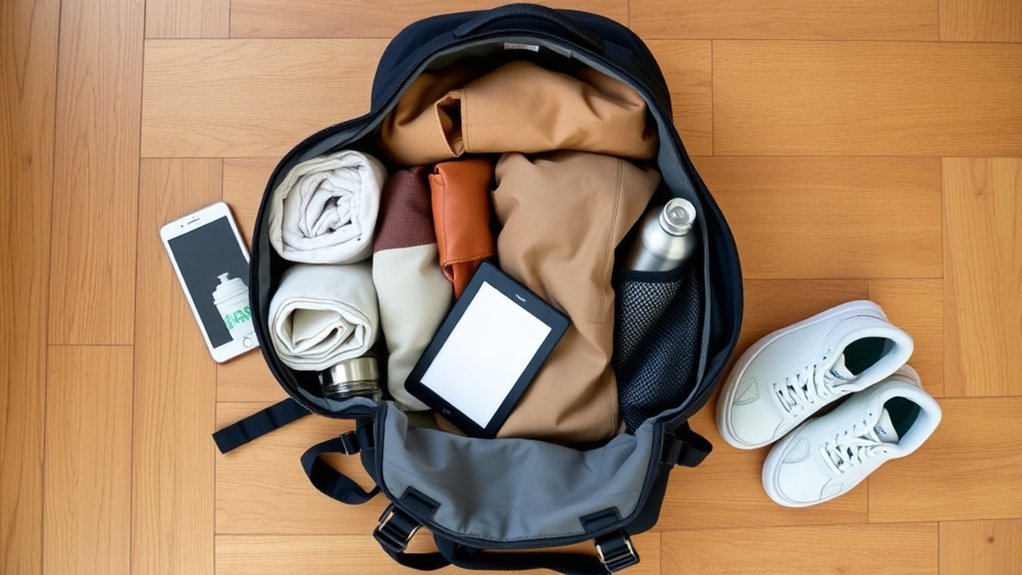
Last Updated on July 30, 2026 by Caleb Warren
One bag travel is less about owning the smallest backpack and more about building a simple system that fits your route, airline, climate, and daily needs. Start with the carrier’s current size and weight limits, then choose versatile clothing, compact toiletries, practical footwear, and only the tech you will actually use.
Quick Answer
To travel with one bag, check your airline’s limits, choose a comfortable backpack that fits those dimensions, pack a small mix-and-match wardrobe, and plan to do laundry. Keep liquids within security rules, carry power banks in the cabin, wear your bulkiest items, and leave space for food or souvenirs.
Key Takeaways
- Choose your bag by its exterior dimensions, loaded weight, and fit—not by liters alone.
- Pack three to five days of mix-and-match clothing and use laundry to extend the trip.
- Limit footwear to one worn pair and, when useful, one light second pair.
- Separate liquids, medicines, documents, electronics, and in-transit essentials for quick access.
- Measure and weigh the finished bag before leaving home, then remove “just in case” items.
At a Glance
| Time Required | 30–60 minutes for the first pack, plus a 10-minute final check |
| Difficulty | Easy to moderate |
| Tools Needed | Packing list, tape measure, luggage scale or household scale, and optional packing cubes |
| Cost | $0 when using gear you own; optional bag and organizers vary in price |
Disclosure: As an Amazon Associate I earn from qualifying purchases. Some links on this page are affiliate links, at no extra cost to you.
Check Airline Rules Before Packing
“One bag” can mean a personal item that fits under the seat or a larger carry-on that goes in the overhead bin. Those are not the same allowance. Baggage size and weight rules can change by airline, fare, cabin, route, and aircraft, so check the operating carrier for every flight before choosing your bag. The International Air Transport Association also advises travelers to confirm the airline’s own instructions.
- Find the maximum exterior dimensions: Include handles, wheels, stuffed pockets, and anything strapped to the outside.
- Check the weight limit: Some carriers weigh cabin bags even when the dimensions look acceptable.
- Confirm the fare allowance: A low fare may include only a personal item or may charge for an overhead carry-on.
- Check every segment: A partner airline on the return trip may use a different policy.
Warning: A backpack labeled “carry-on size” is not guaranteed to fit every airline’s rules. Gate agents use the bag’s real loaded dimensions and weight, not its advertised liter capacity.
For one bag travel, exterior dimensions and loaded weight matter more than the liter label.
Choosing the Right Backpack for One Bag Travel
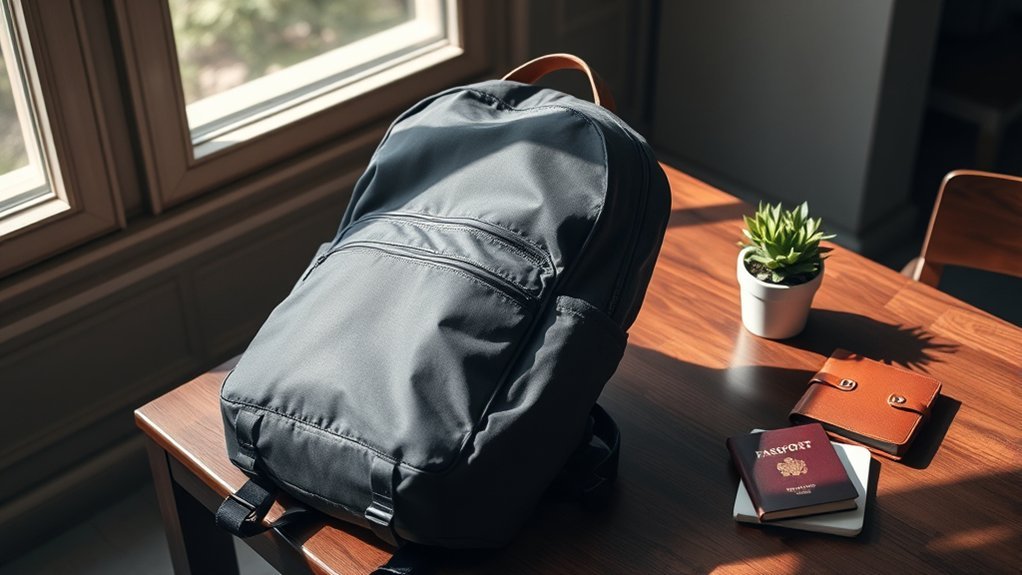
When you’re gearing up for one bag travel, the right backpack can make the trip much easier. A 40–45L pack may work for some full-size carry-on allowances, but it is not a universal target and can be too large or too heavy for stricter airlines. Many travelers are better served by a smaller bag that matches their packing list and the tightest rule on the itinerary.
Measure the bag at its fullest point and compare the numbers with your airline’s policy. Look for durable fabric, reliable zippers, a comfortable harness, and some weather resistance. “Weather-resistant” is more realistic than “waterproof” unless the maker provides a tested waterproof rating and sealed construction. A rain cover or internal dry bag can protect sensitive items in heavy rain.
Avoid bulky hiking packs with dangling straps when you expect frequent airport, train, or bus travel. A clean-sided travel pack is easier to place in a baggage sizer and less likely to snag. The Peak Design Travel Backpack is one example of an expandable travel-oriented design, but its fit, price, and dimensions still need to match your body and itinerary.
Backpack Fit and Comfort Checklist
- Torso fit: The shoulder straps should wrap comfortably without pulling away from your upper back.
- Hip belt: On heavier loads, a supportive hip belt can move some weight away from your shoulders.
- Back panel: Choose enough structure and airflow for your climate and walking distance.
- Access: Clamshell or panel loading makes it easier to see clothing than a deep top-loading tube.
- Organization: Use only enough pockets to separate documents, electronics, liquids, and small items.
- Empty weight: A heavy bag uses part of the airline’s weight allowance before you add anything.
Pro Tip: Build your packing list first and choose the bag last. Test the final load during a 30-minute walk before the trip; pressure points that feel minor at home can become painful during a long transfer.
Essential Footwear for Minimalist Travel
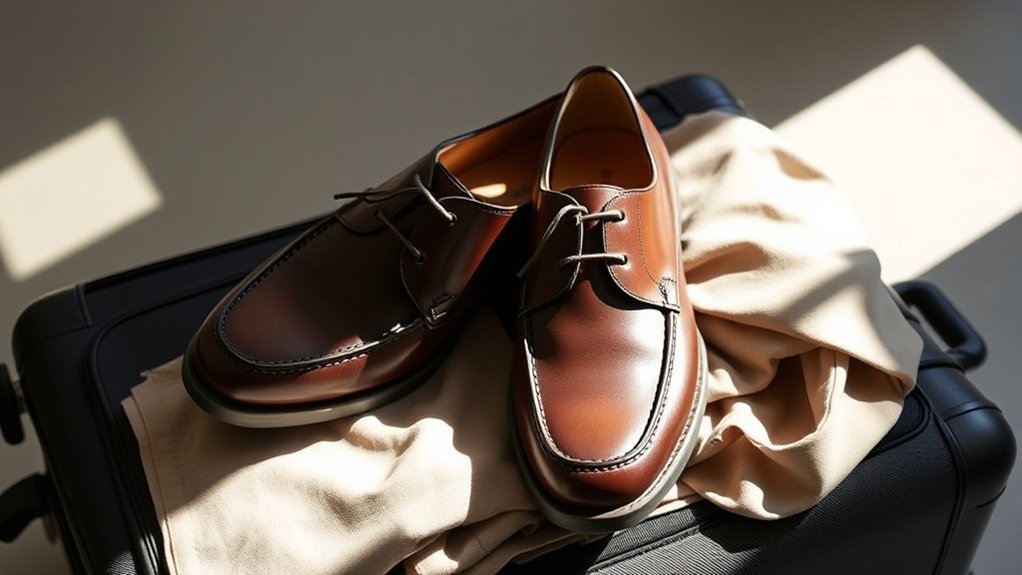
Footwear is often the bulkiest part of a one-bag setup. For most trips, wear one versatile walking shoe and pack one light second pair only when it serves a clear purpose, such as sandals for showers, beaches, or hot weather. Formal events, technical hikes, winter conditions, or specialized sports may require a different plan.
A walking shoe with moderate grip can cover streets, museums, transit, and easy trails. Multipurpose sandals such as Tevas can work for warm destinations. The Lems Trailhead and Primal Eco are examples of lightweight casual or trail-oriented shoes, but comfort is personal. Try shoes with the socks you will travel in, break them in before departure, and do not rely on an unfamiliar pair for a high-mileage trip.
Choose materials that dry reasonably fast and allow your feet to breathe. Pack two to four pairs of socks based on laundry access, and rotate them so each pair can dry fully. Aggressive hiking footwear may be worth the space for demanding terrain, but it should be selected for the activity rather than for a generic “one bag” rule.
Clothing Strategies for One Bag Travel
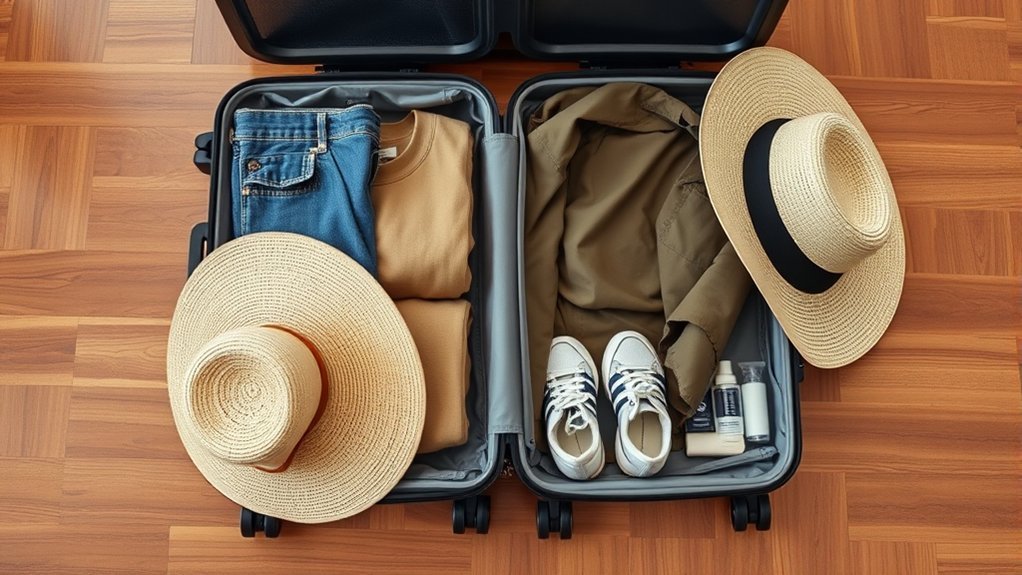
Packing light becomes easier when every garment works with several others. Build a small capsule wardrobe around a simple color palette, expected weather, local customs, and the activities on your schedule.
A useful one-bag wardrobe is designed around repeat wear and laundry, not around one outfit for every day.
- Choose versatile pieces: A practical starting point is one or two bottoms, three tops, underwear and socks for several days, sleepwear, and one layer. Adjust for climate and personal comfort.
- Consider merino wool: Merino garments often manage moisture and odor well, but they can be expensive, delicate, or itchy for some people. Synthetic or blended quick-dry fabrics can work just as well.
- Pack quick-drying fabrics: Clothing that can be washed in a sink and dry overnight reduces how many items you need.
- Use layers: A base layer, midlayer, and weather shell are usually more flexible than one bulky coat.
- Respect local dress: Pack coverage suitable for religious sites, rural communities, restaurants, or cultural events on your route.
Do not forget dependable underwear and socks. A lightweight jacket can sometimes be rolled into a pillow, but keep its main job—warmth or weather protection—in mind. Wear the bulkiest comfortable pieces on transit days without over-layering to the point of discomfort.
Sample Seven-Day One Bag Clothing List
- 3–4 tops
- 2 bottoms, such as one pair of pants and one pair of shorts or a skirt
- 4 pairs of underwear
- 3–4 pairs of socks
- 1 sleep outfit
- 1 midlayer, such as a sweater or fleece
- 1 compact rain shell or weather-appropriate jacket
- 1 worn pair of walking shoes and, if needed, 1 packable second pair
This list assumes one laundry session during the week. Add thermal layers, swimwear, formal clothing, or technical gear only when the destination and itinerary require them.
Packing Lists for Different Destinations
Your destination changes what belongs in the bag. Check the forecast close to departure, compare daytime and nighttime temperatures, review local dress expectations, and consider whether you can buy or wash basics after arrival.
Destination-Specific Essentials
Use the following examples as starting points, not fixed rules:
- Central Asia: Bring adaptable layers, a sun hat, a weather shell, and sturdy walking shoes. Temperatures and terrain can vary widely, so check the exact country, elevation, and season.
- Caribbean beaches: Pack swimwear, light clothing, sun protection, sandals, and a compact rain layer. You still need everyday clothes, medicines, documents, and footwear suitable for surfaces away from the beach.
- Colder climates: Use a warm base layer, insulating midlayer, weatherproof outer layer, gloves, a hat, and footwear suited to the expected conditions.
Local customs may call for shoulders or knees to be covered, and a neat pair of shoes may be useful for cultural events or restaurants. Laundry access also matters: frequent washing supports a smaller wardrobe, while remote routes may require an extra set of essentials.
Seasonal Packing Considerations
Tailor your list to the actual forecast and route rather than relying only on a broad regional label.
| Destination or Season | Packing Essentials |
|---|---|
| Tropical or humid | Light, quick-drying clothing; swimwear when needed; sun hat; compact rain layer; breathable footwear |
| Dry or high-elevation regions | Sun protection, layers for large temperature swings, lip balm, water capacity, sturdy shoes |
| Cold or wet regions | Thermal base layer, insulation, weatherproof shell, warm accessories, suitable footwear |
| Mixed-city itinerary | Neutral capsule wardrobe, comfortable walking shoes, neat layer, compact umbrella or shell |
When laundry access is limited, add one extra base layer rather than several complete outfits. Quick-drying fabrics and repeatable combinations keep the bag manageable.
Activity-Based Gear Choices
- Beach destinations: Add swimwear, sandals, a quick-dry towel when lodging does not provide one, and a packable tote.
- Urban adventures: Prioritize a capsule wardrobe, comfortable walking shoes, a secure day bag, and an easy-to-reach transit or payment setup.
- Hiking excursions: Bring the footwear, layers, water capacity, navigation, and safety gear required for the route. Do not assume every outdoor item is allowed through airport security.
Note: TSA allows blunt-tipped hiking poles in carry-on bags, but sharp-tipped poles are not allowed in the cabin. Security rules and airline size limits can differ outside the United States, so verify activity gear before departure.
Tips for Efficient Packing
Efficient packing is a repeatable process. Gather everything in one place, remove duplicates, pack by category, and test the completed bag before travel day.
- Write a trip-specific list: Start with documents and medicines, then add clothing, footwear, toiletries, electronics, and activity gear.
- Lay everything out: Seeing the full load makes duplicates and “just in case” items easier to spot.
- Pack dense items close to your back: This improves balance and reduces the feeling that the bag is pulling you backward.
- Use compression cubes carefully: They can reduce clothing bulk and improve organization, but they do not reduce weight.
- Wear bulky items: Jackets or boots can stay out of the bag on travel days when wearing them is comfortable and practical.
- Keep transit essentials accessible: Place your passport, phone, wallet, medicine, liquids bag, and charging cable where you can reach them without unpacking everything.
- Measure and weigh: Check the final loaded bag, including anything attached outside.
Pro Tip: Leave roughly a hand’s width of usable space rather than packing the bag completely full. The extra room makes repacking easier and gives you space for food, a light layer, or a small souvenir.
Complete One Bag Packing Checklist
- Documents: Passport or ID, visas when required, boarding details, insurance information, copies of key documents, and emergency contacts
- Money: Primary card, backup card stored separately, and a small amount of local cash when useful
- Clothing: Mix-and-match tops and bottoms, underwear, socks, sleepwear, layers, and activity-specific items
- Footwear: One worn walking pair and an optional light second pair
- Toiletries: Toothbrush, toothpaste, soap, deodorant, skin care, sun protection, menstrual products, and grooming items
- Medicines: Prescription and over-the-counter items you rely on, packed in an accessible and clearly identified way
- Electronics: Phone, compact charger, correct plug adapter, short cables, headphones, and only the devices needed for the trip
- Laundry: Detergent for a few washes, a sink stopper when needed, a light clothesline or hangers, and a breathable dirty-clothes bag
- Comfort: Refillable water bottle, sleep mask, earplugs, tissues, snacks, and a pen
- Optional day use: Packable tote or daypack, provided it still fits your ticket’s baggage allowance when carried separately
Carry-On Security: Liquids, Medications, and Batteries
For travel through U.S. airport security, the TSA liquids rule generally allows each passenger one quart-size bag of liquids, aerosols, gels, creams, and pastes in containers of 3.4 ounces or 100 milliliters or less. Other countries may use similar limits, but always check the departure airport and connection rules.
Solid soap and some other solid toiletries can save space in the liquids bag. However, products with a gel, cream, paste, or spreadable texture may still be treated as liquids. Medically necessary liquids can be allowed in larger reasonable quantities under special procedures; declare them for screening and review the current rules before travel.
Empty reusable water bottles are permitted through TSA screening and can be filled after the checkpoint. Keep the bottle empty until security has been completed.
Warning: Power banks and spare lithium batteries belong in carry-on baggage, not checked baggage. Protect spare battery terminals from short circuits and review the FAA PackSafe limits before flying with larger batteries.
Maintaining Hygiene While Traveling Light
Traveling light does not mean giving up basic hygiene. Use a compact kit, choose the smallest amount that will last until you can restock, and separate anything that can leak.
Quick Hygiene Essentials
- Compact toothbrush and toothpaste: Keep daily oral care simple and accessible.
- Body wipes: Carry a small pack for times when water is unavailable. Dispose of used wipes in the trash and do not assume “biodegradable” means flushable.
- Foldable toiletry bag: Use a small organizer for soap, nail clippers, skin care, and other essentials.
Nail clippers are generally allowed in U.S. carry-on bags, but the final decision at a checkpoint rests with security staff. Review unusual grooming tools before packing.
Portable Cleaning Solutions
A small bottle of Dr. Bronner’s soap or compact Earth Breeze laundry sheets are examples of products travelers use for hand washing clothes. Follow the product directions, test delicate fabrics first, and do not use a body soap as laundry detergent unless the manufacturer says it is suitable.
Pack travel-size toothpaste, a compact toothbrush, and a bar soap in a draining container. A quick-drying towel can be useful in hostels, camps, or lodging that does not provide towels, but it is unnecessary when reliable linens are included. Wash your face, brush your teeth, and air damp items fully before putting them back in the bag.
Simple Travel Laundry Routine
- Check the garment label and the lodging’s rules.
- Wash a small load in a sink, machine, or paid laundry service.
- Rinse thoroughly so detergent does not remain in the fabric.
- Press water out with a towel instead of twisting delicate items.
- Hang items where airflow is good and water will not damage the room.
- Pack clothing only after it is fully dry to reduce odor and mildew risk.
Benefits of Staying in Homestays
A homestay can offer local conversation, home-cooked food, and a closer look at everyday life. It can also support one-bag travel when the host provides towels, toiletries, or laundry access. Those benefits vary by property, so read the full listing and confirm what is included before relying on it.
- Local context: Hosts may explain neighborhood customs, transport, food, and practical routines.
- Personal connection: Shared spaces can create meaningful conversations, though privacy levels differ.
- Meals and facilities: Some stays include breakfast, kitchen use, or laundry, while others do not.
Booking platforms such as Booking.com and local tour companies may list homestays, but the platform does not replace careful review. Check recent feedback, cancellation terms, location, locks, transport, accessibility, and communication with the host. Before international travel, review the destination’s current U.S. Department of State Travel Advisory or the equivalent guidance issued by your country.
Budget Considerations for One Bag Travel
One bag travel can reduce costs when it helps you avoid a checked-bag or paid carry-on fee, but the savings are not guaranteed. Fees vary by airline, fare, route, payment timing, status, and bag type. Compare the complete trip price rather than assuming the cheapest base fare will remain cheapest after baggage charges.
- Use what you own first: A simple backpack and existing clothing may work better than buying an expensive travel setup.
- Check the fare before booking: Confirm whether a personal item, overhead carry-on, or neither is included.
- Budget for laundry: A small wash expense can be cheaper and lighter than packing many extra outfits.
- Avoid emergency purchases: Do not remove necessary medicine, weather protection, or safe footwear just to meet an arbitrary minimalist goal.
- Plan for the return: Leave space or know the cost of checking a bag if you expect to bring home larger items.
Minimalist travel works best when it shifts spending toward useful experiences without creating avoidable discomfort or risk.
Best Destinations for One Bag Travel
The easiest destinations for one bag travel usually have mild weather, reliable laundry, convenient transport, and easy access to basic supplies. No region is automatically suitable in every season, so compare conditions for your exact dates.
- The Caribbean: Warm-weather clothing can pack small, but rain, sun exposure, insects, water activities, and local transport may add specialized needs.
- Southeast Asia: Laundry and replacement basics are often easy to find in major travel areas, while heat, humidity, monsoon weather, temple dress, and regional baggage limits require planning.
- Central Asia: Diverse landscapes and local hospitality can be rewarding, but elevation, temperature swings, remote routes, and border requirements may demand more layers and preparation.
Choose a destination because it fits your interests, safety needs, budget, and season—not only because the wardrobe looks small. Check entry rules, health guidance, weather, transport, and current advisories before committing.
Overcoming Challenges of Minimalist Packing
Limited outfit choices, toiletries, airline restrictions, and souvenir space are manageable when you plan for them before travel day. The goal is not to own the fewest objects; it is to carry everything needed in a safe, comfortable, and compliant way.
Handling Limited Outfit Choices
- Use a capsule wardrobe: Choose colors and layers that work together.
- Repeat without apology: Most travelers can rewear outer layers when they remain clean and suitable.
- Schedule laundry: Pack for the number of days between washes, not the full trip length.
- Choose materials for the trip: Merino, synthetic, and blended fabrics each have tradeoffs in price, feel, durability, drying time, and odor control.
- Keep one backup combination: Set aside enough clean clothing for a delay, spill, or missed laundry window.
Managing Toiletry Restrictions
Start with the products you use every day, then decant only the amount needed. Solid shampoo and soap bars can free space in the liquids bag, but creams, gels, pastes, and spreadable products still fall under liquid rules. Use leak-resistant containers, label unfamiliar bottles, and place the liquids bag where it can be removed quickly.
Multi-use products can help when they genuinely suit your skin, hair, and destination. Do not replace medically necessary or proven products just to save a few ounces. Pack a small nail clipper, toothbrush, and other lightweight essentials, and confirm any sharp or unusual item with the relevant security authority.
Accommodating Souvenir Space
- Pack a collapsible tote: Use it at the destination, but remember that carrying it separately on a flight may count as another item.
- Leave room in the backpack: An underfilled bag is easier to repack and less likely to exceed dimensions.
- Choose compact souvenirs: Postcards, small crafts, and other light items are easier to carry than bulky or fragile goods.
- Know customs and security rules: Food, plants, liquids, sharp objects, and cultural artifacts may face restrictions.
- Ship or check deliberately: Compare the cost and risk before buying something that cannot travel in your cabin bag.
With a thoughtful packing strategy, you can carry your essentials and still make room for a few meaningful mementos.
What to Do if the Bag Is Too Heavy
- Remove duplicate clothing, backup toiletries, and items available at the destination.
- Move dense, nonessential items out rather than overstuffing pockets.
- Wear one bulky layer or footwear pair when it is comfortable.
- Do not move restricted items, such as a power bank, into checked baggage.
- If the bag still exceeds the rule, pay for the correct allowance or check an eligible bag instead of arguing at the gate.
Frequently Asked Questions
How do I choose the right travel-sized toiletries?
Pack only products you use regularly, estimate how much you need, and place liquids, gels, creams, pastes, and aerosols in compliant containers. Solid alternatives can save liquids-bag space, but keep medically necessary products and items that work reliably for you.
What should I do if my bag exceeds airline weight limits?
Remove duplicates and nonessential items, wear one bulky layer, and reweigh the bag. Keep power banks and spare lithium batteries in the cabin. When the bag still exceeds the allowance, buy the correct baggage option or check an eligible bag.
Can I bring a reusable water bottle while traveling?
Yes. TSA permits an empty reusable water bottle in carry-on baggage. Take it through the checkpoint empty, then fill it afterward. Check local airport rules when traveling outside the United States.
How do I handle dirty laundry while one-bag traveling?
Keep dirty clothing in a breathable or washable bag, wash small loads on a schedule, and dry every item completely before repacking. Separate damp swimwear or towels from clean clothing until they can air out.
What are the best techniques for keeping clothes wrinkle-free?
Choose wrinkle-resistant fabrics, fold or roll garments without overcompressing them, and unpack soon after arrival. Hang creased items in a steamy bathroom or use a garment steamer only when the lodging permits it.
What backpack size is best for one bag travel?
There is no universal best size. Choose the smallest comfortable bag that holds your trip-specific list and fits the strictest airline dimensions and weight limit on your itinerary. A 40–45L bag may work on some routes but can be too large for others.
Can I pack a power bank in my one carry-on bag?
Yes, within applicable battery limits. Power banks and spare lithium batteries must remain in carry-on baggage, with terminals protected from short circuits. Check the watt-hour rating and obtain airline approval when required for larger batteries.
Conclusion
One bag travel gives you more mobility when the system is realistic. Check the rules first, pack for the conditions you will actually face, plan for laundry, and protect essential documents, medicines, and batteries. A smaller load can make airports, trains, buses, and walks easier—but comfort, safety, and compliance matter more than winning a minimalist packing contest.
Sources
- International Air Transport Association: Travel and Baggage — explains that baggage size and weight rules vary by airline, cabin, and aircraft.
- Transportation Security Administration: Liquids, Aerosols, and Gels Rule — supports the U.S. carry-on liquids guidance.
- Transportation Security Administration: Liquid Medications — covers medically necessary liquid exceptions and declaration procedures.
- Federal Aviation Administration: PackSafe Lithium Batteries — supports power-bank and spare-battery cabin rules and limits.
- Transportation Security Administration: Hiking Poles — supports the distinction between blunt-tipped and sharp-tipped poles.
- U.S. Department of State: Travel Advisories — provides current destination risk and precaution information.

