
Last Updated on September 10, 2026 by Caleb Warren
Choosing the best daypack for travel is less about finding one perfect backpack and more about matching the bag to your body, itinerary, gear, and airline. Capacity matters, but external dimensions, empty weight, strap design, pocket layout, weather resistance, and laptop protection can matter just as much. A well-chosen daypack should carry what you need without feeling bulky, unbalanced, or difficult to organize.
Quick Answer
For most travelers, a 20- to 30-liter daypack offers a useful balance of capacity and portability. Choose one that fits your torso, stays comfortable when loaded, matches your airline’s dimensions, protects your electronics, and provides the pocket layout and weather resistance your trip requires.
Key Takeaways
- A 15- to 22-liter pack works well for light city use, while 23 to 30 liters gives you more room for layers, food, electronics, or hiking gear.
- Airlines regulate external dimensions, not stated liter capacity, so check the packed bag against your carrier’s current rules.
- Test the pack with realistic weight and adjust every strap before judging comfort.
- Water-resistant fabric does not make a zipped backpack waterproof in sustained rain.
- Lockable zipper pulls and hidden pockets can discourage casual access, but they do not make a soft-sided bag theft-proof.
At a Glance
| Time Required | About 20–30 minutes to measure, load, adjust, and compare a pack |
| Difficulty | Easy |
| Tools Needed | Tape measure, your laptop or tablet, and a realistic test load |
| Cost | Varies by material, harness design, warranty, and features |
Disclosure: As an Amazon Associate I earn from qualifying purchases. Some links on this page are affiliate links, at no extra cost to you.
Best Travel Daypacks to Compare
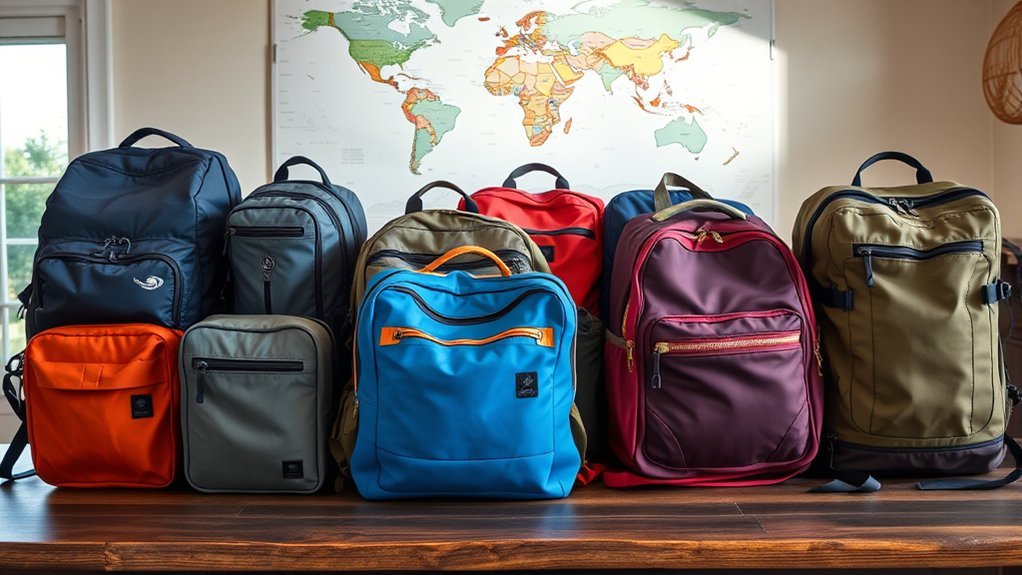
The right model depends on how much you carry and which trade-offs you can accept. The bags below represent different approaches to organization, comfort, durability, and weather resistance. Manufacturer specifications and availability can change, so check the current product page before buying.
| Daypack | Capacity | Best For | Important Consideration |
|---|---|---|---|
| Mystery Ranch Urban Assault 21 | 21L | Travelers who like fast 3-ZIP access and a rugged shape | Treat it as a legacy model and confirm condition, laptop fit, seller authenticity, and warranty coverage. Mystery Ranch introduced its newer Catalyst everyday series around the same 3-ZIP concept. |
| EVERGOODS Civic Panel Loader 24L | 24L | Laptop carry, clamshell packing, and structured internal organization | The 24L version is about 18 inches tall and weighs slightly more than three pounds empty. It fits many devices up to 16 inches, but you should still measure your laptop. |
| The North Face Recon | 30L | Travelers who want external bottle pockets, compression straps, a laptop compartment, and a removable waist belt | Its specified shell fabrics are recycled and water-repellent, but that does not mean every component is recycled or that the pack is waterproof. |
| Fjällräven Kånken Laptop 17 | 20L | Simple organization, rectangular packing, and a separate 17-inch laptop compartment | The Vinylon F fabric is water-resistant and quick-drying, not fully waterproof. The simple harness may be less supportive under a heavy load than a technical hiking harness. |
| Able Carry Daily Plus | 21L | Minimalist travel, organized electronics, and a concealed bottle pocket | The X-Pac version is water-resistant rather than waterproof. Use a rain cover or waterproof liner during prolonged rain. |
Note: Model names, materials, colors, dimensions, and stock can change. Verify the current manufacturer specification instead of relying only on a retailer listing or an older review.
Choosing the Best Daypack for Travel and Beyond
Choosing the right daypack begins with the trip, not the product name. List what you expect to carry on a typical day, including water, food, a jacket, camera gear, electronics, medications, documents, and purchases. Then choose the smallest pack that carries those items comfortably without being packed completely full.
Choose Capacity by Activity
- 10–15 liters: Best for very light sightseeing, short walks, or carrying a few personal items.
- 16–22 liters: A practical range for city touring, commuting, a tablet or laptop, water, and a light layer.
- 23–30 liters: Useful for all-day sightseeing, cold-weather layers, camera gear, family supplies, or light hiking.
- 31–35 liters: Better for bulky clothing, technical day hikes, or minimalist weekend travel, but more likely to feel large in crowds or under an airline seat.
These ranges are guidelines rather than guarantees. Pocket shape, back-panel curvature, padding, and internal dividers can make two bags with the same stated capacity hold very different loads.
Check Dimensions, Not Just Liters
A pack’s volume does not prove that it qualifies as a carry-on or personal item. The Transportation Security Administration notes that cabin-bag dimensions vary by airline. The Federal Aviation Administration also advises travelers to check their airline and remember that under-seat and overhead-bin space can be limited.
Measure the bag after packing it. Soft pockets, stuffed lids, and full bottle pockets can increase its real dimensions beyond the manufacturer’s unloaded measurements.
Evaluate Comfort and Fit
Adjustable padded shoulder straps and a supportive back panel can reduce pressure, but padding alone does not guarantee a good fit. Torso length, shoulder width, strap shape, pack depth, and load placement all affect comfort. A sternum strap can stabilize the shoulder straps, while a functional hip belt can shift part of a heavier load toward the hips.
The Osprey fit guide emphasizes torso fit and strap adjustment rather than choosing a pack by height alone. Women-specific or extended-fit designs may use different torso lengths, harness curves, strap spacing, and hip-belt shapes, but the label matters less than how the loaded pack fits your body.
Pro Tip: Test the pack with the same laptop, water bottle, jacket, and other heavy items you expect to carry. Walk for at least 10 minutes, use stairs, and check for shoulder pressure, neck rubbing, lower-back gaps, or bouncing before deciding.
Match the Organization to Your Habits
More pockets are not always better. A clamshell opening makes clothing and packing cubes easy to arrange, while a top-opening pack may be faster for hiking gear. A quick-access pocket helps with keys or transit cards, but valuable items should not sit in an exposed pocket in crowded areas.
Useful travel features may include:
- A suspended laptop sleeve that keeps the device above the bottom of the bag
- A document or tablet sleeve
- Secure internal pockets for a passport or wallet
- Water-bottle pockets that remain usable when the main compartment is full
- Compression straps for controlling bulk
- A luggage-handle pass-through
- Hydration-reservoir compatibility for hiking
- Bright lining that makes small items easier to find
How We Evaluated the Daypacks
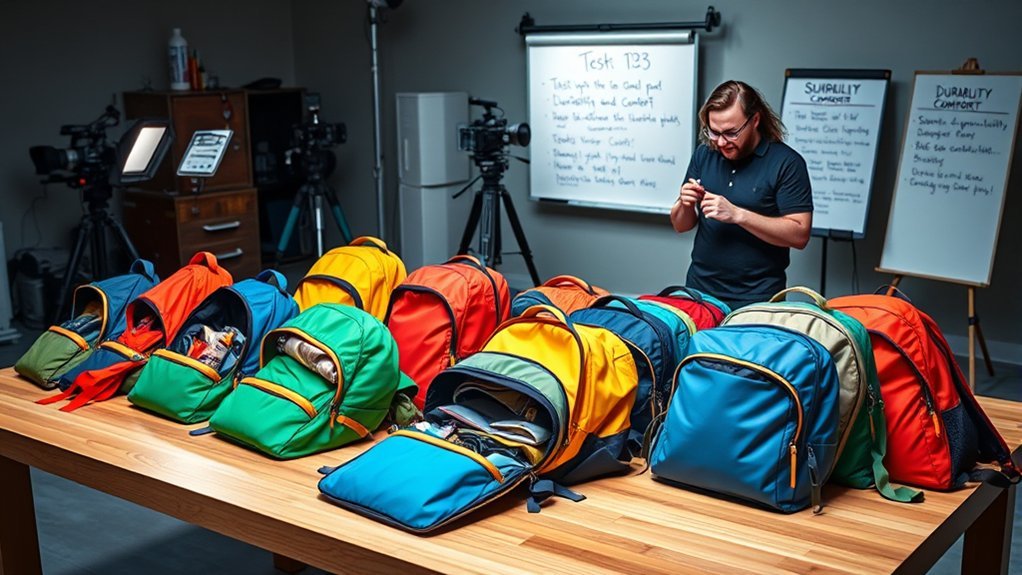
This guide does not assign unsupported numerical scores or claim that every model underwent identical laboratory testing. The comparison uses current manufacturer specifications, intended use, construction details, and a repeatable evaluation process that readers can perform in a store or at home.
Real-World Scenarios to Test
A daypack should be evaluated under the conditions in which you will actually use it. Test the following scenarios whenever possible:
- Airport movement: Pack your electronics, documents, liquids bag, headphones, and a layer. Check whether you can remove screening items without unpacking everything.
- Urban walking: Walk with a realistic load and test quick-access pockets without leaving valuables exposed.
- Public transportation: Check whether the bag remains manageable on buses, trains, and escalators.
- Light hiking: Carry water, food, rain protection, and an extra layer while checking ventilation and stability.
- Desk or café use: Remove and replace your laptop, charger, and small accessories several times.
Performance and Usability Evaluation
Use the same load when comparing two or more bags. Check the following points rather than relying on a single comfort score:
- Access: Can you reach frequently used items without emptying the main compartment?
- Balance: Does the pack pull backward or lean to one side?
- Harness comfort: Do the straps lie flat without rubbing your neck or arms?
- Ventilation: Does the back panel trap excessive heat for your climate and activity?
- Structure: Does the bag sag or collapse when partly loaded?
- Laptop protection: Is the sleeve padded, secure, and raised above the bag’s base?
- Bottle security: Does your full bottle stay in place when you bend or set the pack down?
- Hardware: Do the zippers, buckles, and adjustment points operate smoothly under load?
What Is a Traditional Daypack?
A traditional daypack is a backpack intended for several hours of activity rather than a multiday unsupported trip. It is usually smaller and lighter than a trekking pack but more supportive and organized than a basic drawstring bag. Travel versions often add laptop storage, document pockets, security-minded organization, and a shape that works in airports or cities.
Definition and Purpose
A daypack should hold the supplies needed between leaving your accommodation and returning later that day. Depending on the trip, that may include water, food, a camera, a rain layer, sunscreen, a small first-aid kit, electronics, and travel documents.
Its three main purposes are:
- Organization: Keeping essential items separated and easy to retrieve.
- Comfort: Carrying a moderate load without excessive pressure, bouncing, or heat buildup.
- Protection: Shielding the contents from routine bumps, dirt, brief rain, and casual access.
Key Features Overview
The most useful features depend on the traveler. Adjustable shoulder straps, a stable back panel, durable fabric, reliable zippers, and practical access points are a strong foundation. Laptop travelers may prioritize a suspended sleeve, while hikers may prefer hydration compatibility, compression straps, and a functional hip belt.
Security features such as interlocking zipper pulls, internal pockets, or openings positioned against the back can deter casual access. They should complement careful behavior rather than replace it.
Materials & Durability
Daypacks are commonly made from nylon, polyester, laminated composite fabrics, or specialty textiles such as Vinylon F. Material names help describe the bag, but construction quality matters just as much as the fabric itself.
- Nylon and polyester: Both can provide good abrasion resistance and low weight. Higher-denier fabrics are often tougher but may also be heavier and stiffer.
- Laminated fabrics such as X-Pac: These can resist water penetration through the fabric panel, but the complete bag may still leak through seams, zipper tracks, or openings.
- Vinylon F: Used in many Kånken models, this fabric is hardwearing, quick-drying, and water-resistant.
- Coatings and DWR finishes: These help water bead on the surface but can lose performance through dirt, abrasion, and age.
- Hardware and stitching: Reinforced stress points, smooth zippers, durable buckles, and replaceable components can extend the useful life of a pack.
Balance toughness with empty weight. A highly structured travel pack may protect electronics and carry well, but it can weigh several pounds before you add any gear. A lighter pack reduces total load but may have less padding, structure, or abrasion resistance.
The best material is not automatically the thickest or most technical one. It is the material that provides enough durability and weather protection without adding unnecessary weight for your trip.
Who and What Is a Travel Daypack Good For?
A daypack is useful for travelers who need more carrying comfort and organization than a tote or sling but do not want a full-size travel backpack. The best capacity and feature set depend on the activity.
| Traveler Type | Useful Features | Typical Capacity |
|---|---|---|
| Outdoor Enthusiasts | Hydration access, bottle pockets, compression, ventilation, rain protection | 20–35L |
| City Explorers | Secure document pocket, compact shape, quick access, comfortable straps | 15–25L |
| Laptop Travelers | Suspended sleeve, charger organization, luggage pass-through, structured base | 18–30L |
| Detachable Daypack Users | Low weight, packable construction, simple pockets | 10–20L |
| Minimalist Weekend Travelers | Clamshell opening, compression, clothing space, secure electronics storage | 25–35L |
The Good: Features That Improve a Travel Daypack
A good daypack keeps its load close to your back, makes important items easy to reach, and avoids unnecessary bulk. The following features tend to provide meaningful benefits rather than serving only as marketing points.
Essential Features to Consider
- Appropriate capacity: Enough space for your normal load with a little room left for a purchased item or removed layer.
- Comfortable harness: Adjustable straps that lie flat, a supportive back panel, and a sternum strap that does not restrict breathing.
- Useful organization: Pockets that match your actual equipment rather than dividing the bag into unusably small spaces.
- Reliable construction: Reinforced stress points, smooth zippers, and fabric suited to the environment.
- Safe electronics storage: A padded sleeve that fits your device without stretching the zipper or pressing hard against the screen.
- Practical weather protection: Water-resistant materials, covered openings, or compatibility with a rain cover.
Versatile Design Options
Opening style changes how a pack works. Mystery Ranch’s 3-ZIP layout gives access from the top and center. The EVERGOODS CPL24 uses a full panel opening for packing and internal organization. The North Face Recon combines a conventional opening with external bottle pockets and compression. The Kånken Laptop uses a simple rectangular compartment, while the Able Carry Daily Plus emphasizes a clean profile and concealed storage.
There is no universally superior design. Clamshell bags are convenient in a hotel but may require more room to open. Top loaders control loose gear well but can bury small items. Packs with many external pockets offer fast access but can become wider and less secure when every pocket is full.
Comfort and Fit Importance
A close, stable fit reduces bouncing and keeps the load from pulling backward. Shoulder straps should wrap smoothly around your shoulders without cutting into your neck or ending in an uncomfortable position under your arms. The back panel should contact your back evenly unless it is intentionally suspended for airflow.
Tighten straps in small steps. Over-tightened shoulder or sternum straps can create pressure, restrict movement, or cause numbness. If a pack remains uncomfortable after adjustment, choose another harness shape rather than assuming more padding will solve the problem.
The Bad: Daypack Features That Can Cause Problems
A larger pack is not always more useful. A bag over 35 liters may encourage overpacking, feel bulky in crowded areas, or exceed an airline’s personal-item dimensions. However, capacity alone is not the problem; a slim 35L pack may travel better than a short, deep 28L design.
Other common drawbacks include:
- Too much organization: Numerous small pockets can reduce usable main-compartment space.
- High empty weight: Thick fabric, frames, laptop padding, and hardware add weight before packing.
- Poor bottle-pocket design: A pocket may become too tight when the main compartment is full.
- Unsupported security claims: Lockable pulls do not stop a thief from cutting fabric or taking an unattended bag.
- Short or narrow straps: A pack may fit poorly over a coat or on a broader torso.
- Dark interiors: Small black items can be difficult to find inside a deep compartment.
- Waterproof marketing without waterproof construction: Coated fabric cannot compensate for unsealed seams and ordinary zippers.
Warning: Do not leave a passport, wallet, phone, or medication in an unattended daypack because the zippers can be locked. A lock may discourage casual opening, but the bag can still be cut, forced, or carried away.
Travel Daypack Recommendations and Buying Checklist
Use this process to narrow the options without being distracted by features you will not use:
- Write a realistic packing list. Include the largest and heaviest items, not only small accessories.
- Choose a capacity range. Start with the smallest range likely to hold the list comfortably.
- Check external measurements. Compare the packed dimensions with every airline you expect to use.
- Measure electronics. Compare your device’s actual length, width, and thickness with the sleeve dimensions.
- Check empty weight. Decide whether added structure and organization justify the weight.
- Load and adjust the pack. Test it with realistic weight and clothing.
- Inspect construction. Check stitching, zipper movement, buckle quality, and stress points.
- Consider rain exposure. Decide whether water resistance is enough or whether you need a liner, dry bags, or rain cover.
- Review warranty and repair terms. A repairable pack with replaceable hardware may offer better long-term value than a cheaper bag that must be discarded after one failure.
For general sightseeing and everyday travel, 20 to 25 liters is a strong starting range. Choose 25 to 30 liters when you carry a camera, cold-weather layers, family supplies, or hiking equipment. Move toward 30 to 35 liters only when the extra space serves a clear purpose and the dimensions still work for your transportation plans.
Airline, Security, and Electronics Considerations
Confirm your airline’s rules shortly before departure because limits and fare conditions can change. A bag accepted as a carry-on may be too large to qualify as a free personal item. Regional aircraft may also have less overhead space than a larger jet.
Pack screening items where they are easy to reach. The TSA travel checklist explains the 3-1-1 liquids rule for ordinary carry-on toiletries. Requirements can differ for medications and other exempt items.
Laptops, cameras, power banks, and other devices should be protected from crushing and accidental activation. Review the FAA guidance for lithium batteries in baggage, especially when carrying spare batteries or checking a bag at the gate.
In crowded places, close every zipper, keep important pockets facing your body, and move the pack to your front when conditions require it. Use an internal tether or pouch for small valuables, but keep your most critical documents on your person when practical.
Waterproof and Water-Resistant Daypacks
Water-resistant daypacks can handle splashes and brief light rain, but most ordinary zipped backpacks are not waterproof. A genuinely waterproof design usually relies on waterproof fabric, sealed or welded seams, and a closure that prevents water entry, such as a properly secured roll top.
Materials such as X-Pac, coated nylon, and Vinylon F can improve weather resistance, but the weakest point may be a zipper, seam, hydration port, or pocket opening. Manufacturers may also describe different colors or editions of the same model with different fabrics, so check the exact version.
For wet-weather travel, use one or more of these layers of protection:
- A fitted rain cover for prolonged rain
- A waterproof pack liner inside the main compartment
- Roll-top dry bags for electronics, documents, and clothing
- Resealable pouches for small items
- A separate waterproof case for a phone or camera when exposure is likely
Warning: Do not assume a laptop is protected because the outer fabric sheds water. Water can enter through zipper tracks and seams, then collect in the bottom of the bag. Use an internal waterproof layer when electronics must remain dry.
How to Pack Efficiently in a Daypack
A balanced load feels lighter and is less likely to shift while you walk. Pack in the following order:
- Place dense items close to your back. A laptop, camera, or full water reservoir should sit near the back panel rather than pulling from the outer edge.
- Use the bottom for lighter or less urgent items. A spare layer or soft pouch can cushion the base.
- Fill empty spaces without overstuffing. Small pouches can keep cables, toiletries, and first-aid supplies organized.
- Keep frequently used items accessible. Store transit cards, tissues, snacks, and a rain shell where you can reach them without exposing valuables.
- Separate liquids from electronics. Tighten bottle lids and use a sealed pouch when leakage would cause damage.
- Use compression carefully. Tighten straps enough to control movement without crushing food, lenses, or electronics.
After packing, place the bag on your back and adjust it again. A pack that felt comfortable while empty may need different shoulder, sternum, or hip-belt tension when loaded.
Daypack Cleaning and Maintenance
Follow the manufacturer’s care label because coatings, foams, laminates, and adhesives respond differently to heat and detergents. As a general routine, empty every pocket, shake out debris, wipe small marks with a damp cloth, and air-dry the pack completely before storage.
Avoid machine washing unless the manufacturer specifically permits it. For example, Fjällräven recommends cleaning a Kånken with a soft brush or sponge, lukewarm water, and mild cleaning solution, followed by air drying away from direct sunlight.
Inspect the pack after a trip for:
- Loose stitching at strap anchors and handles
- Sand or dirt in zipper tracks
- Cracked buckles or bent zipper pulls
- Peeling interior coatings
- Odor or moisture trapped in padded areas
- Abrasion on the base and bottle pockets
Repair small problems before they spread. Store the pack clean, dry, uncompressed, and away from prolonged heat or direct sunlight.
Frequently Asked Questions
How do I clean and maintain my daypack?
Empty every pocket and follow the manufacturer’s care instructions. Spot-clean most packs with lukewarm water and a soft cloth or brush, then air-dry them completely away from strong heat. Avoid machine washing, harsh detergent, bleach, and tumble drying unless the care label specifically permits them.
Can I use a daypack for weekend trips?
Yes, especially if you pack light. A 25- to 35-liter daypack can hold a compact wardrobe, toiletries, and electronics for a short trip. Bulky shoes, winter clothing, specialized equipment, or family supplies may require a larger travel bag.
What are the best daypack colors for visibility?
Bright yellow, orange, lime, and other high-contrast colors are easier to notice than dark neutral colors. Reflective details can improve visibility when light strikes them at night. Color alone is not safety equipment, so use appropriate lights or reflective gear when walking or cycling near traffic.
Are there daypacks specifically designed for women?
Yes. Women-specific packs may use a shorter torso range, differently curved shoulder straps, narrower strap spacing, and a shaped hip belt. These features can improve fit for some people, but the best choice is the loaded pack that fits your individual torso and shoulders.
How do I pack efficiently in a daypack?
Keep dense items close to your back, place soft items near the bottom, separate liquids from electronics, and reserve quick-access pockets for items you use often. Avoid filling every pocket merely because it is available, and readjust the straps after the pack is loaded.
What size daypack is best for travel?
A 20- to 30-liter daypack suits many travelers. Choose a smaller bag for light city use and a larger one for hiking gear, winter layers, camera equipment, or family supplies. Always compare the external dimensions with your airline’s rules.
Can a 30-liter daypack count as a personal item?
Sometimes, but not automatically. Personal-item limits vary by airline and fare. A slim 30-liter pack may fit one carrier’s under-seat limit while a shorter, deeper model may not. Measure the fully packed bag and compare all three dimensions with the airline’s current allowance.
Sources
- Federal Aviation Administration: Carry-On Baggage Tips — carry-on storage and airline-size guidance
- Transportation Security Administration: Carry-On Size Restrictions — confirms that cabin-bag dimensions vary by airline
- Osprey Backpack Size and Fit Guide — torso measurement and pack-fit guidance
- The North Face Recon Backpack Specifications — current capacity, dimensions, materials, and features
- EVERGOODS Civic Panel Loader Specifications — capacity, dimensions, laptop storage, materials, and construction
- Able Carry Daily Plus Specifications and Water-Resistance Guidance — capacity, laptop fit, X-Pac construction, and rain limitations
Conclusion
The best daypack for travel is the smallest bag that comfortably carries your real load, fits your body, and meets the dimensions required for your transportation plans. Compare capacity, empty weight, opening style, laptop protection, harness fit, pocket layout, and rain protection instead of choosing by brand or review score alone. Load the pack before judging it, measure it before flying, and use internal waterproof protection when important gear must stay dry.

