Last Updated on July 28, 2026 by Caleb Warren
Keeping your backpack clean isn’t complicated, but doing it right protects the fabric, zippers, and water-resistant coatings. Whether you’re refreshing a daily commuter bag or scrubbing trail grime from a technical hiking pack, hand washing is the safest and most effective method. Here is how to safely hand wash your backpack, treat stubborn stains, eliminate mold, and air-dry it without causing permanent structural damage.
Quick Answer
To clean a backpack safely, empty all pockets and remove metal frames or hydration bladders. Submerge the pack in cool water mixed with a tablespoon of mild liquid detergent or technical wash, soak for 10–15 minutes, and gently scrub dirty spots with a soft toothbrush. Rinse thoroughly and air-dry upside down with all zippers open in a shaded, well-ventilated area.
At a Glance
| Time Required | 20–30 minutes active cleaning, plus 12–24 hours air-drying time |
| Difficulty | Easy |
| Tools Needed | Bathtub or deep basin, mild detergent or tech wash, soft toothbrush, microfiber towel |
| Cost | Under $10 (gentle soap and soft brush) |
Key Takeaways
- Hand wash using cool water and gentle liquid soap—never use bleach or machine agitators.
- Remove all internal metal frames, plastic sheets, and hydration reservoirs before washing.
- Soak for 10–15 minutes, scrub dirty seams gently with a soft toothbrush, and rinse thoroughly to prevent soap residue buildup.
- Air-dry upside down in the shade with all zippers open; keep away from direct heat sources and clothes dryers.
- Treat leather trim separately and re-apply a spray-on DWR coating to technical packs after washing.
Disclosure: As an Amazon Associate I earn from qualifying purchases. Some links on this page are affiliate links, at no extra cost to you.
Preparing Your Backpack for Cleaning
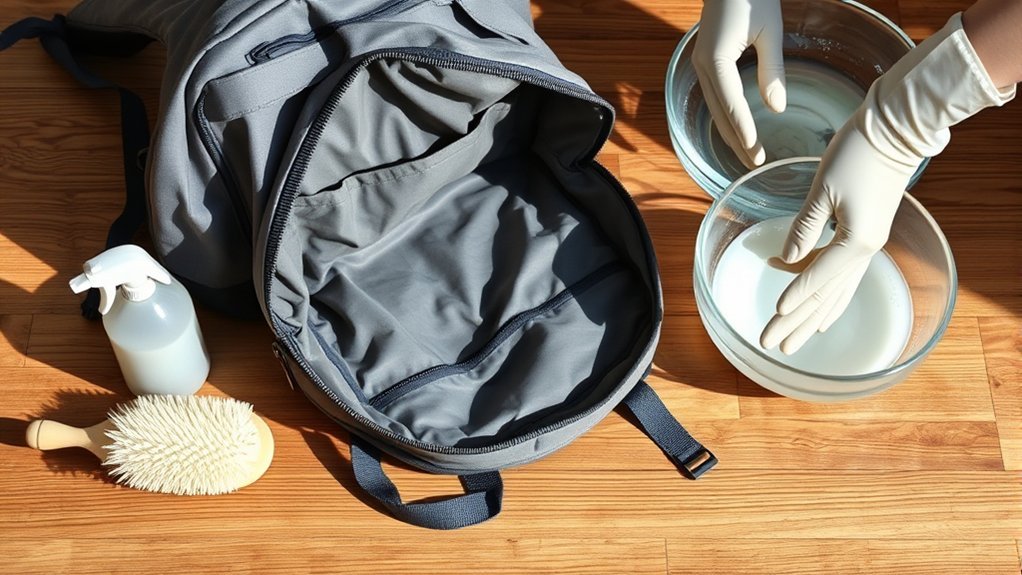
Before immersing your backpack in water, thorough preparation ensures an effective wash and protects structural components from damage.
- Completely Empty Every Pocket: Check all main compartments, interior zip pockets, and hidden stash slots. Remove coins, electronics, pens, and paper scraps that could disintegrate during washing.
- Remove Removable Hardware: If your hiking pack features removable aluminum stays, internal plastic frame sheets, or a detachable hip belt, slide them out before washing. Unclip any hydration reservoirs (bladders) and clean them separately.
- Open All Zippers and Straps: Unzip every pocket and loosen all compression straps. This allows water to flow freely through interior seams where dust and sand accumulate.
- Shake Out Loose Debris: Turn the backpack upside down over a trash bin or outdoors and give it a vigorous shake to dislodge loose dirt, crumbs, and gravel.
- Check the Care Label: Review the manufacturer’s care tag inside the main compartment for specific fabric warnings or temperature restrictions.
Note: If your backpack features leather trim, patches, or handles, keep those sections out of the soaking water whenever possible. Wipe leather elements with a damp cloth and apply a dedicated leather conditioner once dry, as prolonged soaking causes leather to dry out and crack.
The Hand Washing Process
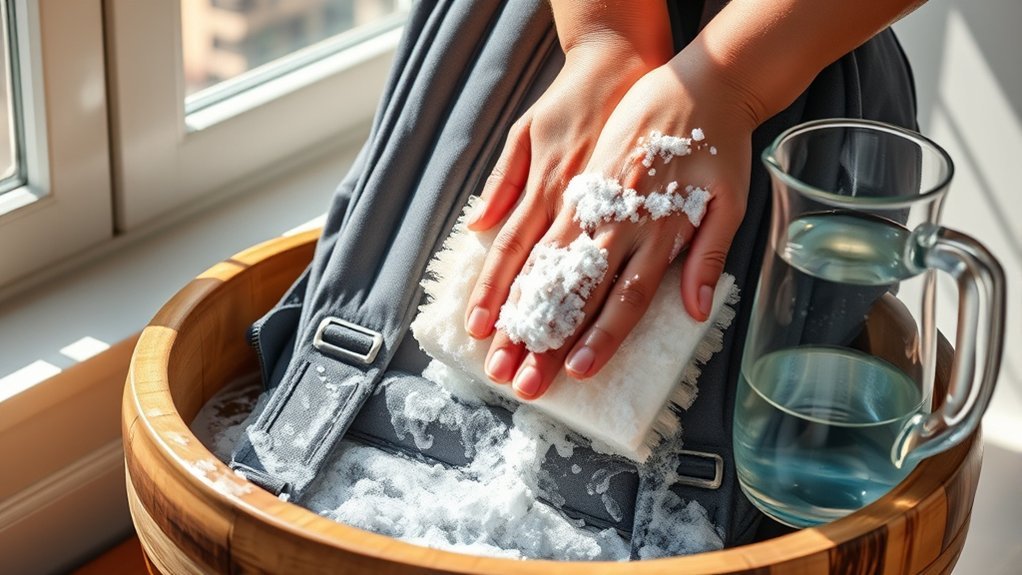
Hand washing is the safest way to clean synthetic fabrics like nylon, polyester, and Cordura without stripping protective coatings.
- Fill a Basin with Cool Water: Fill a bathtub, deep sink, or large laundry basin with cool or lukewarm water (around 80°F / 27°C). Avoid hot water, which can break down internal polyurethane waterproof linings.
- Add Mild Detergent: Mix in roughly one tablespoon of gentle, fragrance-free liquid soap or a specialized technical fabric cleaner such as Nikwax Tech Wash or Granger’s. Agitate the water with your hand until evenly mixed.
- Submerge and Soak: Submerge the backpack fully in the soapy water. Swish it gently to let water penetrate all layers, then let it soak for 10 to 15 minutes to loosen set-in dirt.
- Scrub Dirty Areas Gently: Use a soft-bristle toothbrush or soft cloth to gently clean high-contact areas, including shoulder straps, back panels, base fabrics, and zipper teeth. Pay close attention to seams where sweat and body oils collect.
- Rinse Thoroughly: Drain the soapy water and fill the tub with cold, clean water. Submerge and press down on the pack repeatedly to flush out soap. Repeat this step with fresh water until the water runs completely clear and bubble-free. Leftover soap residue attracts fresh dirt and degrades fabric coatings.
Pro Tip: If your backpack’s outer fabric no longer beads water after washing, its Durable Water Repellent (DWR) finish may need restoration. While the pack is still damp after rinsing, spray an outdoor fabric re-waterproofing treatment (like Nikwax TX.Direct Spray-On) evenly across the exterior, then wipe away any drips before hanging it to dry.
Tips for Stain Treatment & Mold Removal
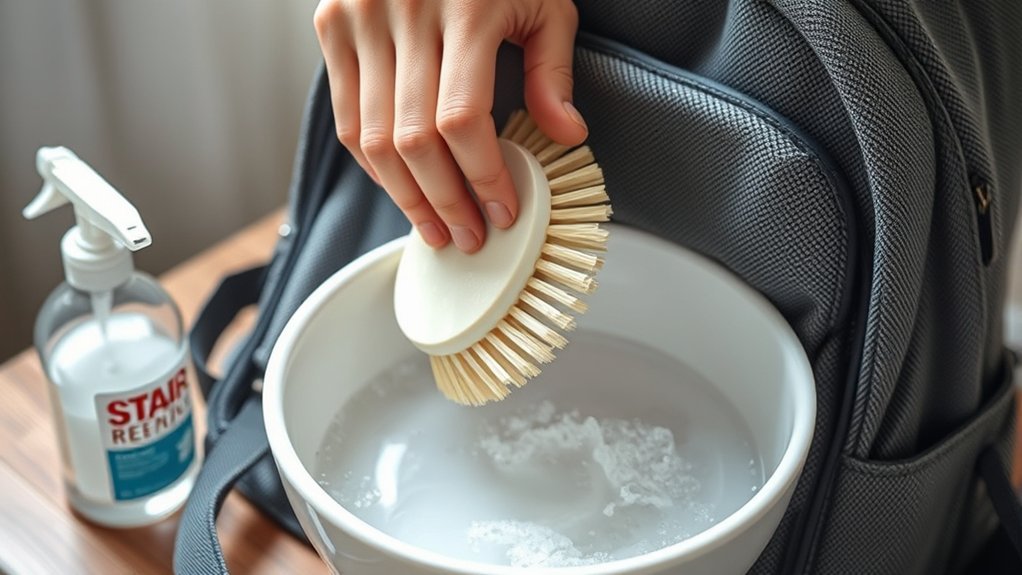
Stains and odors require targeted care to keep your pack looking fresh without harming delicate fibers.
A little spot treatment right after a stain happens saves you a full wash later.
- Spot Cleaning Food & Dirt Stains: Apply a small drop of mild dish soap directly onto stubborn grease or soil spots. Gently work it into the fabric using a soft toothbrush, let sit for 10 minutes, and blot clean with a damp microfiber cloth.
- Treating Mold and Mildew: Damp storage can cause mildew growth. Mix equal parts white vinegar and cool water in a spray bottle, mist the affected area, let sit for 15 minutes, and scrub gently before rinsing thoroughly.
- Eliminating Deep Odors: For persistent musty odors or sweat build-up, sprinkle baking soda inside all dry compartments and leave it overnight. Shake or vacuum out the baking soda before proceeding with hand washing.
- Avoid Harsh Chemicals: Never use bleach, stain-remover pens containing harsh solvents, or abrasive scrubbing pads. These strip protective coatings and weaken nylon fibers.
Drying Your Backpack Properly
Drying your backpack correctly is critical for maintaining its shape, preventing mold, and extending its lifespan.
Warning: Never put a backpack in a clothes dryer or place it directly on a radiator. High heat melts internal waterproof polyurethane linings, warps plastic buckles, and shrinks nylon webbing straps.
Follow these structured steps to safely dry your pack:
| Step | Action | Purpose |
|---|---|---|
| 1. Towel Blot | Press exterior and interior with a microfiber towel | Absorbs excess water and speeds up drying time |
| 2. Open Pockets | Unzip all compartments and pull pockets inside-out | Promotes air circulation and prevents trapped moisture |
| 3. Hang Upside Down | Hang by bottom loops in a shaded, ventilated space | Ensures water drains completely out of bottom seams |
Always hang your backpack in a well-ventilated indoor space or a shaded outdoor area. Direct sunlight causes UV degradation that fades colors and weakens synthetic fibers over time.
Maintaining Your Backpack’s Cleanliness
Routine maintenance keeps your backpack in top condition and reduces how often full hand washes are necessary:
- Regular Shake-Outs: Empty your pack weekly and shake out loose crumbs, dirt, and debris that accumulate in bottom corners.
- Immediate Spot Treatment: Wipe away mud, spilled drinks, or ink spots as soon as they occur using a damp cloth to prevent permanent staining.
- Zipper Maintenance: Periodically wipe zipper teeth with a damp cloth to clear out dust and grit. Applying a silicone-based zipper lubricant keeps sliders moving smoothly.
- Proper Storage: Store your dry backpack in a cool, dry place away from direct sunlight and humidity to prevent mildew growth and fabric breakdown.
Frequently Asked Questions
Can I use bleach to clean my backpack?
No, you should never use bleach on a backpack. Bleach breaks down synthetic fibers like nylon and polyester, causes severe discoloration, and strips protective polyurethane and DWR coatings. Always use mild soap or technical fabric cleaner instead.
How often should I wash my backpack?
For daily school or commute bags, a thorough washing every 3 to 6 months is usually ideal. For hiking and backpacking packs, wash once or twice per season after heavy trail exposure, or whenever you notice visible dirt, salt build-up from sweat, or persistent odors.
Is it safe to machine wash my backpack?
Machine washing is generally risky and not recommended by major pack manufacturers like Osprey and REI. The central agitator and high spin cycles can snap plastic buckles, tear mesh pockets, bend internal frame stays, and strip waterproof coatings. Stick to hand washing for best results.
What types of detergent are best for backpacks?
Use a gentle liquid detergent free from dyes, fragrances, optical brighteners, and fabric softeners. For technical outdoor packs, specialized non-detergent fabric washes such as Nikwax Tech Wash or Granger’s Performance Wash clean effectively without damaging water-resistant finishes.
Can I use fabric softener on my backpack?
No, never use fabric softener on a backpack. Softeners leave behind a waxy chemical coating that clogs breathable fabric pores, reduces water repellency, and breaks down Durable Water Repellent (DWR) treatments over time.
Conclusion
Taking proper care of your backpack takes only a little time, but it preserves fabric strength, protects zippers, and maintains water-resistant coatings for years of reliable use. By following these hand-washing, spot-treatment, and air-drying steps, you’ll keep your bag clean, fresh, and ready for your next daily commute or wilderness adventure. Happy cleaning!
Sources
- REI Co-op — Backpack Care Guide — General cleaning, storage, and maintenance standards for outdoor backpacks
- Osprey Packs — Care & Repair — Manufacturer guidelines on preserving technical pack materials, frame stays, and coatings
- Nikwax — Waterproofing Care Guides — Technical wash and Durable Water Repellent (DWR) coating maintenance protocols