
Last Updated on July 24, 2026 by Caleb Warren
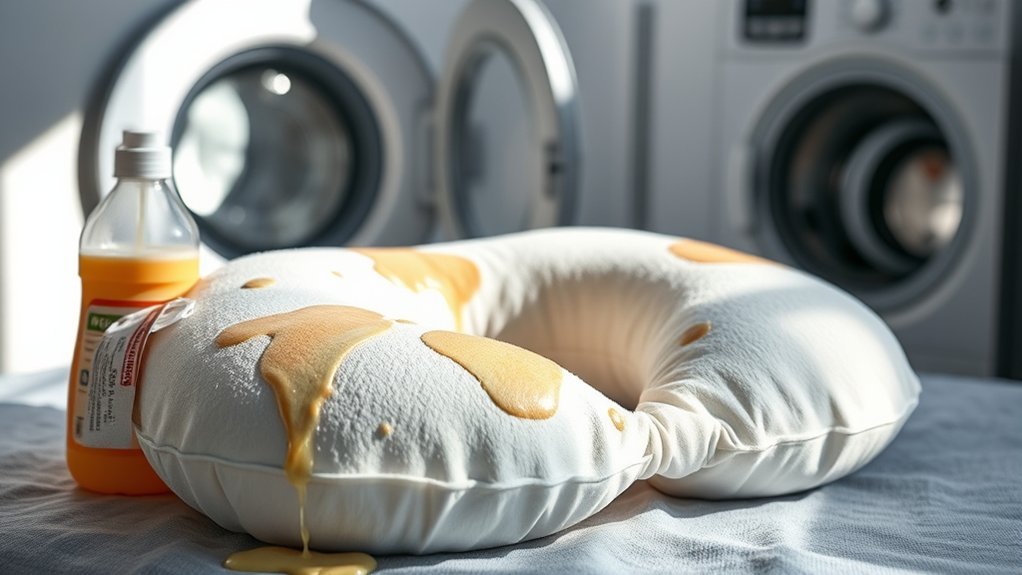
Cleaning your memory foam travel pillow correctly is essential for maintaining its contouring support and keeping it free from airport germs, sweat, and allergens. Because viscoelastic memory foam breaks down when exposed to heavy water agitation or high dryer heat, knowing how to spot clean the core and wash the removable cover safely will extend your pillow’s lifespan for years of comfortable journeys.
Quick Answer
To clean a memory foam travel pillow, unzip and machine wash the outer cover in cold water. Spot clean the inner memory foam core using a cloth dampened with lukewarm water and mild detergent—never submerge the foam or place it in a washing machine or dryer. Allow the foam core to air dry flat away from direct heat for 24 hours.
Key Takeaways
- Never Submerge Memory Foam: Machine washing or soaking saturates the foam cell structure, leading to physical breakdown and mold growth.
- Wash Covers Separately: Unzip and wash the removable fabric cover on a gentle, cold machine cycle.
- Spot Clean Core Stains: Blot stains gently using mild soap and a damp washcloth; avoid rubbing or soaking.
- Deodorize with Baking Soda: Sprinkle baking soda over the foam core to absorb sweat and travel odors before vacuuming.
- Air Dry Completely: Dry flat on a clean surface in a ventilated area for up to 24 hours before uncompressing or repacking.
At a Glance
| Time Required | 15 minutes active cleaning (plus 24 hours air-drying time) |
| Difficulty | Easy |
| Tools Needed | Mild liquid detergent, lukewarm water, microfiber washcloths, baking soda, vacuum with upholstery attachment |
| Cost | $0 – $5 (using standard household items) |
Disclosure: As an Amazon Associate I earn from qualifying purchases. Some links on this page are affiliate links, at no extra cost to you.
Common Mistakes When Cleaning Memory Foam Travel Pillows
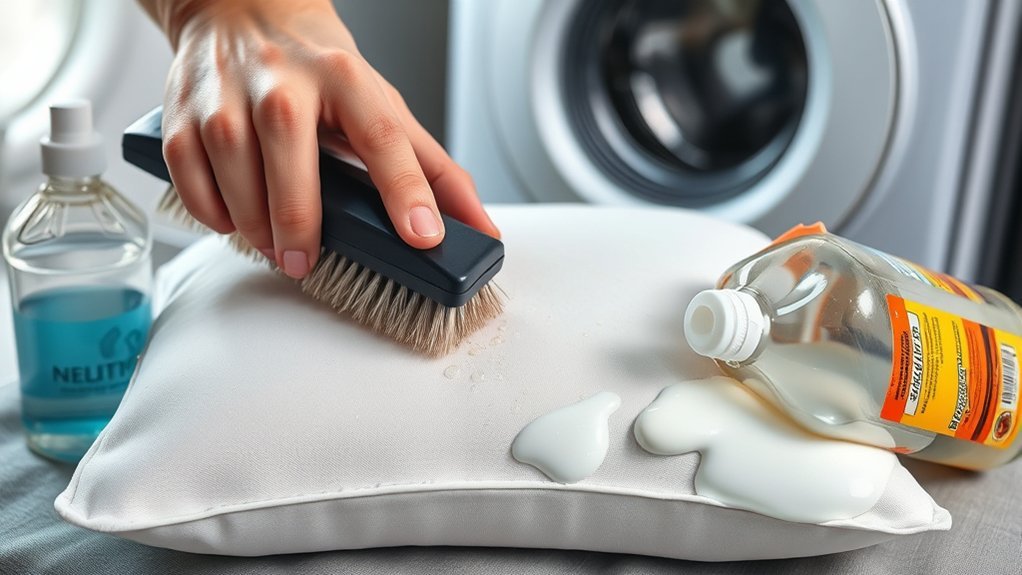
When cleaning your memory foam travel pillow, making simple mistakes can ruin its ergonomic structure. The most frequent error travelers make is tossing the entire pillow into the washing machine. The vigorous spin cycles and agitation shred open-cell memory foam internally, causing it to lose its supportive shape.
Another frequent mistake is using standard tumble dryers. High heat causes viscoelastic foam to melt, harden, or warp permanently. Furthermore, using harsh bleach or chemical stain removers damages the foam fibers, leading to discoloration and material degradation. Always check your pillow’s care tag before attempting any cleaning method.
Warning: Never wring, twist, or squeeze a memory foam pillow core tightly when damp. Squeezing wet memory foam tears its internal cellular structure, permanently ruining its ability to bounce back and support your neck.
Why You Should Avoid Washing in a Machine
Solid memory foam is composed of polyurethane with additional chemicals that increase its viscosity and density. This material acts like a dense sponge. When submerged in a washing machine, it absorbs massive quantities of water. The weight of trapped water combined with machine spinning causes severe structural tearing.
“Memory foam’s open-cell structure holds moisture deeply. Machine washing saturates the interior, making complete drying almost impossible and creating an ideal environment for internal mold and mildew.”
If you own a shredded memory foam travel pillow, machine washing is only safe if the foam clusters are completely sealed inside an airtight, waterproof inner liner. However, even for shredded foam, hand cleaning and air drying remain the safest methods recommended by bedding experts.
Washing the Removable Cover vs. Cleaning the Core
To keep your travel pillow hygienic without damaging the foam, you must treat the outer cover and the inner foam core as two distinct components:
- The Outer Fabric Cover: Most travel pillows feature a zippered fleece, velour, or cotton cover. Unzip the cover and machine wash it on a gentle cycle with cold water and mild detergent. You can tumble dry the fabric cover on low heat unless specified otherwise.
- The Memory Foam Core: The core should never enter a washing machine or dryer. Clean the core exclusively through spot cleaning, surface deodorizing, and proper ventilation.
Note: Washing the removable fabric cover after every major trip prevents facial oils, makeup, and airport germs from reaching the inner memory foam core.
Effective Spot Cleaning Techniques for Memory Foam Pillows
When spills or stains occur on the inner foam core, prompt spot cleaning prevents deep absorption. Follow these three steps to safely remove stains:
- Mix a Gentle Cleaning Solution: Combine 1 cup of lukewarm water with 1/2 teaspoon of mild liquid dish soap or gentle laundry detergent. Do not use harsh chemicals or enzyme cleaners.
- Blot Lightly (Do Not Rub): Dip a clean microfiber cloth into the solution and wring it out until it is slightly damp. Gently dab and blot the stained area. Work from the outside of the stain inward to avoid spreading it.
- Rinse Soap Residue: Dampen a second clean cloth with clear lukewarm water and blot the area again to remove remaining soap residue. Excess soap left in memory foam can attract dirt over time.
Pro Tip: For persistent odors caused by sweat or food spills, mix equal parts distilled white vinegar and water in a spray bottle. Mist the area lightly from 12 inches away, then blot dry with a towel.
How to Properly Dry Your Memory Foam Pillow
Thorough drying is vital after cleaning a memory foam pillow. Because moisture trapped inside foam promotes mildew and fungal growth, ensure the pillow is completely dry before using or storing it.
- Lay Flat to Dry: Place the pillow flat on a clean, dry towel or drying rack in a room with high airflow. Turning the pillow over every few hours ensures balanced evaporation.
- Avoid Direct Heat and Sunlight: Keep the pillow away from radiators, heat vents, and direct sunlight. Direct UV light and high ambient heat degrade viscoelastic material.
- Allow Full 24 Hours: Even if the surface feels dry to the touch, memory foam holds moisture deep within its center. Allow at least 24 full hours of air drying.
- Speed Up the Process: Place a room fan near the pillow or use a blow dryer strictly on its cool/no-heat setting to accelerate surface drying safely.
Best Practices to Keep Your Memory Foam Pillow Fresh
Regular maintenance reduces the need for deep spot cleaning and keeps your travel pillow fresh throughout your journeys:
- Baking Soda Deodorizing: Every few weeks, sprinkle a generous layer of baking soda over the bare memory foam core. Let it sit for 30 to 60 minutes to absorb trapped moisture and body odors, then vacuum it thoroughly using an upholstery brush attachment.
- Use a Protective Travel Bag: Store your travel pillow in a breathable cotton travel pouch when navigating airports, trains, or hotels to block surface dust and dirt.
- Air Out After Travel: Unpack your travel pillow immediately upon returning home. Allow it to sit in a well-ventilated space for a few hours before storing it away in your luggage.
Sanitizing Your Travel Pillow After Flights
Airplane seats and travel hubs host high concentrations of surface bacteria. To sanitize your memory foam travel pillow safely after a trip without dampening the foam:
- Sanitize the Fabric Cover: Unzip the outer cover and wash it in warm water with a disinfectant laundry sanitizer.
- Fabric Refreshing Mist: Lightly mist the bare memory foam core with an antibacterial fabric spray or diluted rubbing alcohol (70% isopropyl alcohol mixed 1:1 with water) from at least 12 inches away. Allow it to air dry fully in a ventilated room.
Frequently Asked Questions
Can I use bleach to clean my memory foam pillow?
No, you should never use chlorine bleach or harsh chemical solvents on memory foam. Bleach breaks down the polyurethane foam fibers, causing permanent disintegration. Instead, use a mild liquid soap solution for stains or baking soda for deodorizing.
How often should I clean my travel pillow?
You should wash the removable outer cover after every major trip or every 2 to 3 weeks during extended travel. Deodorize and spot-clean the inner memory foam core every 2 to 3 months or immediately whenever spills occur.
Is it safe to use fabric softener on memory foam?
No, avoid using fabric softeners on memory foam or its plush covers. Fabric softeners leave a chemical residue that reduces the foam’s breathability and clogs moisture-wicking properties on technical travel fabrics.
Can I put my memory foam pillow in the dryer?
No, never put a memory foam pillow core in a clothes dryer. The high heat warps, hardens, or melts viscoelastic foam. Always air dry the foam core flat on a ventilated surface away from direct heat sources.
What should I do if my memory foam pillow develops a tough stain?
For stubborn stains like coffee or sweat marks, create a paste of equal parts baking soda and water. Apply it gently to the stain, let it sit for 15 minutes, then dab away with a damp microfiber cloth and allow the foam to air dry completely.
Conclusion
Taking care of your memory foam travel pillow requires minimal effort once you understand the basic rules: protect the foam from machine washing and high dryer heat, launder the removable cover regularly, and spot clean the core as needed. By practicing these simple maintenance steps, you will keep your travel pillow fresh, hygienic, and ready to provide neck support on every adventure.
Sources
- Sleep Foundation — Comprehensive care and cleaning guidelines for memory foam pillows
- Tempur-Pedic Official Product Care — Manufacturer instructions for viscoelastic material maintenance
- Amerisleep Hygiene Guide — Best practices for spot cleaning and odor removal in foam bedding
