
Last Updated on July 24, 2026 by Caleb Warren
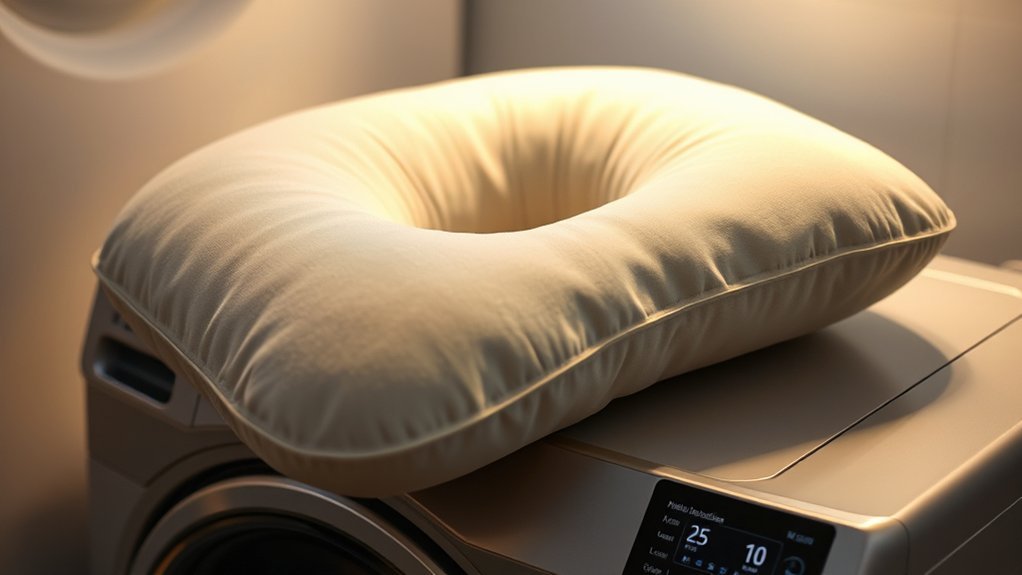
You should never put a memory foam travel pillow in the dryer. The intense heat generated by modern dryers will warp, melt, or permanently degrade viscoelastic polyurethane foam, destroying its structural integrity and ergonomic support. To clean your travel pillow safely without causing damage, gentle hand washing with lukewarm water and a mild detergent followed by flat air drying is the only recommended method.
Quick Answer
No, you cannot put a memory foam travel pillow in the dryer. Heat breaks down the internal cell structure of memory foam, leading to crumbling, loss of shape, or melting. Instead, hand wash the pillow using lukewarm water and mild detergent, roll it in a towel to absorb moisture, and let it flat air dry in a well-ventilated space for at least 24 hours.
Key Takeaways
- Heat Kills Memory Foam: Machine drying, radiators, and direct sunlight cause irreversible structural damage to polyurethane foam.
- Hand Wash Only: Submerge and gently massage the pillow in lukewarm water mixed with a teaspoon of mild detergent.
- Never Wring or Twist: Squeeze out water gently or use the towel-roll technique to prevent internal tearing.
- Complete Air Drying is Essential: Allow at least 24 to 48 hours of flat air drying to prevent mold and mildew growth.
At a Glance
| Time Required | 15 minutes washing + 24–48 hours air drying |
| Difficulty | Easy |
| Tools Needed | Lukewarm water, gentle/eco-friendly detergent, clean towels, large basin or sink |
| Cost | $0 – $5 (household supplies) |
Disclosure: As an Amazon Associate I earn from qualifying purchases. Some links on this page are affiliate links, at no extra cost to you.
The Risks of Using a Dryer for Memory Foam Pillows

When caring for your travel gear, tossing your memory foam pillow into the clothes dryer might seem like a quick drying solution. However, doing so will almost certainly result in irreversible damage. Memory foam is constructed from open-cell polyurethane, a heat-sensitive synthetic material that cradles your neck by responding to body heat and pressure.
Warning: High dryer temperatures exceed the heat tolerance of polyurethane memory foam. Machine drying can melt, crack, or warp the inner core, rendering the pillow lumpish, uncomfortable, and void of manufacturer warranties.
The mechanical agitation inside a tumble dryer combined with ambient heat causes the foam’s polymer bonds to crumble. Additionally, twisting or wringing out excess water prior to or during drying further compromises its internal structure. Air drying is the only safe procedure to protect your pillow’s lifespan.
How to Properly Hand Wash Your Memory Foam Travel Pillow
Proper cleaning maintains ergonomic support and hygiene without damaging the delicate foam cells. Follow this step-by-step hand-washing routine:
- Remove External Cover: Unzip and strip off the fabric cover. Machine wash the cover separately according to its care label.
- Prepare the Basin: Fill a clean sink, tub, or large basin with lukewarm water (never hot water).
- Add Gentle Detergent: Mix in 1 teaspoon of gentle liquid laundry detergent per gallon of water until fully dissolved.
- Submerge and Massage: Submerge the foam core completely. Gently press and squeeze the foam for 5 to 10 minutes to allow soapy water to penetrate dirt and oils deep inside. Avoid aggressive scrubbing.
- Rinse Thoroughly: Drain the soapy water and refill with clear, lukewarm water. Gently compress the foam repeatedly until the water runs completely clear and free of suds.
Pro Tip — The Towel-Roll Method: Never twist or wring out memory foam. Instead, lay the wet pillow flat on a clean, dry white bath towel. Roll the towel up with the pillow inside, then press down firmly with your hands. The towel absorbs 70–80% of excess water without straining the foam fibers.
Best Detergents for Cleaning Memory Foam Pillows
Selecting the correct soap prevents fabric degradation and skin irritation. Memory foam acts like a giant sponge, meaning residual chemicals remain trapped if aggressive formulas are used.
- Eco-Friendly Liquid Laundry Soap: Free from harsh dyes, optical brighteners, and synthetic fragrances.
- Baby Shampoo or Wool Wash: Formulated for delicate materials and gentle enough to avoid breaking down foam polymers.
- Avoid Bleach and Fabric Softeners: Chemical bleaches destroy polyurethane fibers, while fabric softeners leave a greasy film that clogs open cells and degrades breathability.
How to Dry Your Memory Foam Pillow the Right Way
Air drying requires patience, but executing it correctly prevents internal moisture buildup that can invite mold and mildew growth.
Ideal Drying Conditions
Place your freshly washed pillow flat on a clean, dry towel or breathable drying rack. Ensure the surrounding environment meets these key conditions:
- High Ventilation: Position the pillow near an open window, ceiling fan, or oscillating floor fan to maximize airflow.
- Flat Support: Keeping the pillow flat prevents sagging or distortion while heavy with moisture.
- Shaded Area: Keep the pillow away from direct sunlight. Ultraviolet (UV) rays degrade polyurethane foam, turning it brittle and yellowed over time.
Recommended Drying Duration
Allow a minimum of 24 to 48 hours for the pillow core to dry completely throughout. Humidity levels, ambient room temperature, and air turnover directly influence drying speed.
Note: Perform a moisture test before replacing the outer cover. Deeply press down into the center of the foam core with both hands. If the foam feels cold or damp to the touch, allow an additional 12–24 hours of drying time.
How to Keep Your Memory Foam Travel Pillow in Top Shape
Consistent care preserves freshness between deep washes and prevents premature structural wear.
Regular Cleaning Schedule
For optimal travel hygiene, wash your pillow’s outer cover after every trip. Deep wash or spot clean the inner memory foam core every 2 to 3 months depending on usage frequency and exposure to sweat or outdoor elements.
Proper Storage Techniques
Store your travel pillow uncompressed in a cool, dark, dry closet. Avoid leaving it tightly compressed inside a travel sack or suitcase for extended periods, as prolonged compression weakens foam rebound ability.
Spot Cleaning Stains & Dry Deodorizing
When full submersion isn’t necessary, spot cleaning saves time:
- Dab Stains Gently: Mix a few drops of mild soap with water. Dip a clean cloth into the solution and gently dab (do not rub) the stain until it lifts.
- Deodorize with Baking Soda: To remove trapped odors without water, sprinkle a generous layer of baking soda over the foam. Let it sit for 2 hours, then vacuum thoroughly using a clean upholstery attachment.
When to Replace Your Memory Foam Pillow?
Even with meticulous care, memory foam travel pillows eventually lose their resiliency. According to bedding care experts, travel pillows typically last between 2 and 3 years.
| Sign of Wear | Description | Action Needed |
|---|---|---|
| Noticeable Lumps or Cracks | Internal foam core has flaked, cracked, or lost uniform shape. | Replace immediately. |
| Decline in Support | Waking up with neck pain or stiffness during travel. | Evaluate foam resilience; replace if flat. |
| Persistent Odor | Musty smells remain despite baking soda treatment or washing. | Replace (indicates deep core mold/bacteria). |
| Allergy Flare-ups | Increased sneezing or itchy eyes when resting on the pillow. | Replace with a fresh hypoallergenic core. |
Frequently Asked Questions
Can I machine wash my memory foam travel pillow?
No. The severe agitation and spinning cycle of a washing machine tear viscoelastic foam, creating internal tears and destroying its structural integrity. Only hand wash the foam core, though removable fabric covers can usually be machine washed.
How often should I clean my memory foam travel pillow?
Wash the removable cover after every trip. Hand wash the inner memory foam core every 2 to 3 months, or sooner if exposed to sweat, food spills, or environmental allergens during travel.
Can I use bleach on my memory foam pillow?
Never use chlorine bleach or oxygen bleach on memory foam. Harsh chemicals dissolve polyurethane polymers, causing the foam to crumble and discolor. Stick to mild liquid laundry detergent or specialized fabric cleansers.
Is it safe to sleep on a wet memory foam pillow?
No. Resting on a damp memory foam pillow traps moisture inside open foam cells, creating an ideal breeding ground for mold, mildew, and dust mites. Always ensure the pillow is 100% dry before use.
What are signs my memory foam pillow needs replacing?
Signs include noticeable lumps, permanent indentations that fail to rebound, persistent damp or musty odors, visible cracking in the foam core, or waking up with cervical neck stiffness during trips.
Can I use a hair dryer on a cool setting to dry memory foam?
You may use a hair dryer ONLY if it has an absolute “cool shot” setting with zero heat enabled. Even mild warm air held close to foam can degrade its surface structure. Using ambient room fans is much safer.
Conclusion
While placing a memory foam travel pillow in the dryer may seem convenient, high heat and mechanical tumble drying destroy polyurethane foam structure. Embracing gentle hand washing, towel-roll water extraction, and proper flat air drying preserves ergonomic comfort and extends your travel pillow’s lifespan for years of comfortable journeys.
Sources
- Sleep Foundation — How to Clean and Care for Memory Foam Bedding
- American Cleaning Institute — Safe Washing and Drying Guidelines for Specialty Foams
- Cleveland Clinic — Pillow Lifespan, Hygiene, and Ergonomic Support Guidelines
