
Last Updated on July 30, 2026 by Caleb Warren
Overpacking usually starts before anything goes into your backpack. It happens when you pack for every possible situation instead of the trip you are actually taking. A clear bag limit, a realistic checklist, versatile clothing, and one final test can help you carry less without leaving behind the items that truly matter.
Quick Answer
To avoid overpacking a backpack, plan for your destination, weather, activities, and access to laundry. Set a size and weight limit before packing, choose clothes that work in several outfits, limit shoes and toiletries, keep heavy items close to your back, and remove anything packed only for an unlikely “what if.”
Key Takeaways
- Pack for confirmed activities and likely weather, not every possible emergency.
- Use a short checklist and a mix-and-match wardrobe instead of packing a separate outfit for each day.
- Check airline bag limits and security rules before choosing your backpack and toiletry containers.
- Keep dense items near the middle of the backpack and close to your back for better balance.
- Finish by weighing the bag, carrying it for several minutes, and removing low-value extras.
At a Glance
| Time Required | 20–45 minutes for planning, packing, and a final test |
| Difficulty | Easy |
| Tools Needed | Packing checklist, backpack, optional luggage scale, packing cubes or zip-top bags |
| Cost | $0 with items you own; about $10–$25 if you add small containers or a basic luggage scale |
Disclosure: As an Amazon Associate I earn from qualifying purchases. Some links on this page are affiliate links, at no extra cost to you.
Assessing Your Trip: Destination and Duration
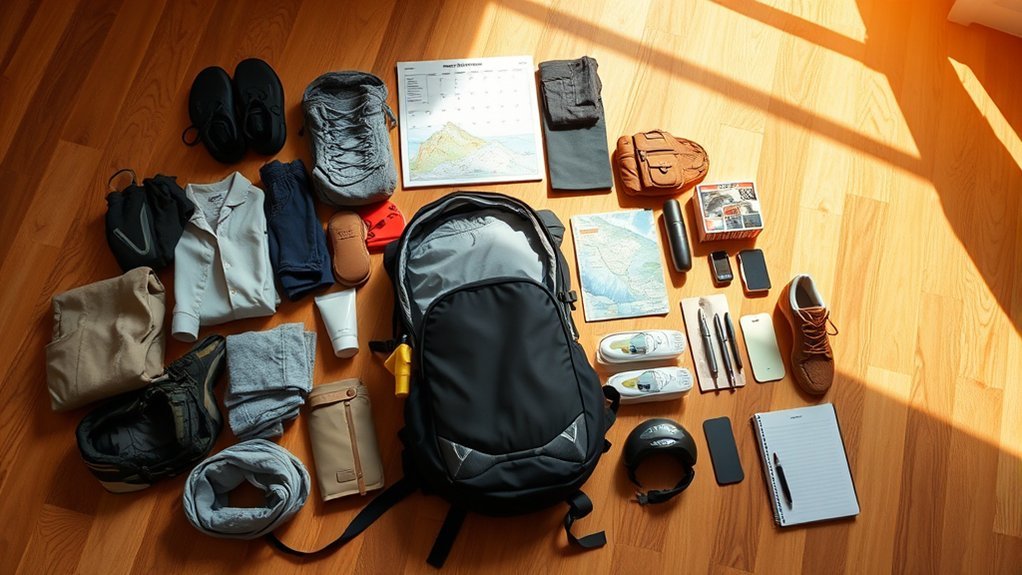
Start with the facts of your trip: destination, duration, transportation, planned activities, dress expectations, and access to laundry. A beach weekend, a business trip, and a cold-weather city break require different packing lists. Check the forecast through a reliable service such as the National Weather Service shortly before departure, then plan for the most likely conditions rather than every rare possibility.
For a trip of about five days or less, three tops and two bottoms can be a useful starting point when the pieces coordinate and can be reworn. It is not a universal rule. Add or remove clothing based on weather, activities, cultural expectations, personal needs, and whether you can wash items during the trip.
Research your accommodation before packing. Confirm whether it provides towels, shampoo, a hair dryer, laundry equipment, an iron, or other bulky items. Do not assume these amenities will be available; check the listing or contact the property.
Set a Clear Bag Limit Before Packing
Choose the backpack and its limit before you make the final packing list. A larger bag can invite more “just in case” items. For air travel, check the size, weight, and item-count rules for every airline on your itinerary. The U.S. Department of Transportation notes that there is no single federal carry-on size standard, so airline limits can differ by carrier and aircraft.
Note: A soft backpack may fit a measuring frame only when it is not overstuffed. Leave some unused room for easier closing, repacking, and small purchases during the trip.
Set two limits:
- Space limit: Everything must fit inside the closed backpack without strained zippers or items hanging from the outside.
- Weight limit: The loaded bag must stay within your carrier’s allowance and remain comfortable enough for you to lift and carry safely.
Products Worth Considering

Extra Shoe Bag & Wet Pocket: Large carry on backpack for women includes a bonus shoe bag to keep shoes separate from clothes and prevent dirt from spreading in your bag. The wet pocket of suitcase school backpack for travel purse is ideal for storing swimsuits, toiletries, helping keep the rest of your items dry. The thoughtful design makes the travel laptop backpack for shcool women perfect for travel, everyday use. The travel backpack with water bottle pocket fits a Stanley 30 oz (900ml) cup
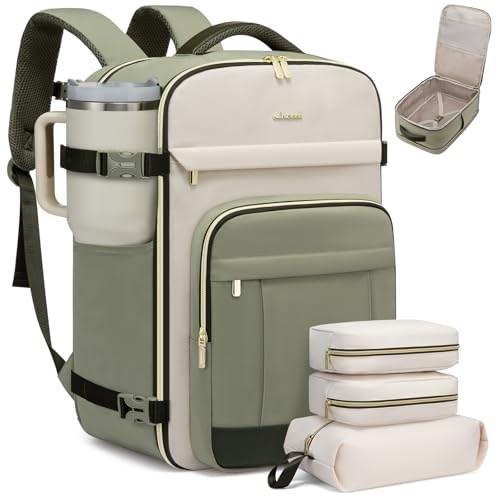
Airline-Approved Carry-On Size: This travel backpack (18x14x8 inches) is perfect for budget airlines like Spirit, Frontier, and Jet Blue, fitting seamlessly under seats and in overhead compartments. Ideal for hassle-free travel

【Versatile & Airline-Approved】Sized at 18 × 14 × 8 inches, this carry-on backpack fits perfectly under the seat or in the overhead bin. Approved by Spirit, Frontier, JetBlue, and other budget airlines, it's the ideal personal item for hassle-free air travel.
Creating a Packing Checklist
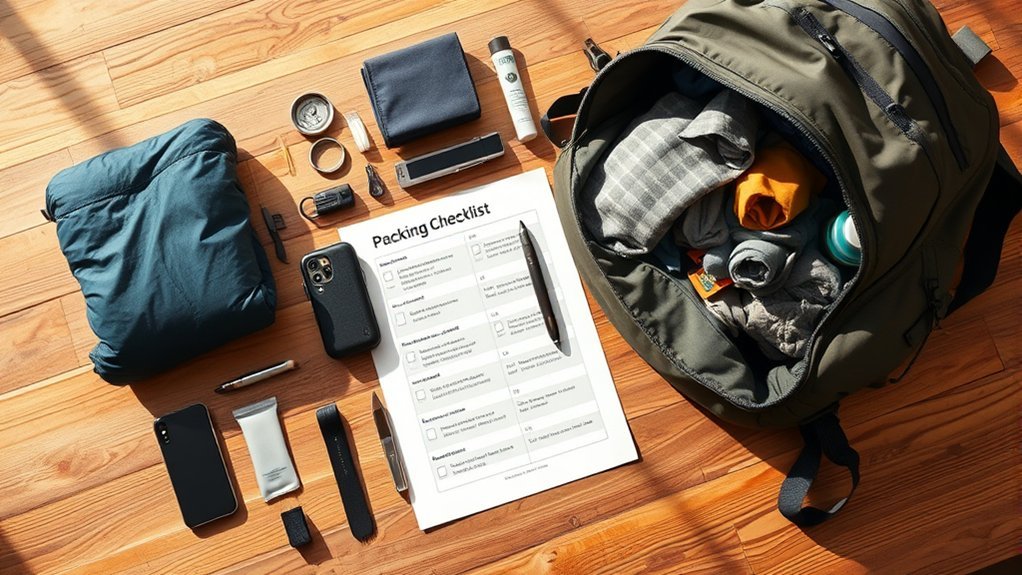
A short packing checklist prevents last-minute additions and makes it easier to spot duplicates. Build the list around your destination, trip length, activities, weather, transportation, accommodation, and personal needs. Separate true essentials from optional items, then pack the essentials first.
Use this simple template as a starting point:
| Category | Essentials | Notes |
|---|---|---|
| Clothing | Coordinating tops, bottoms, underwear, sleepwear, weather layer | Match the forecast and activities |
| Toiletries | Toothbrush, daily hygiene items, medicines | Confirm accommodation supplies and security rules |
| Electronics | Phone charger, required adapter, optional camera | Charge devices and keep power banks in carry-on baggage |
| Documents | ID, tickets, reservations, required travel documents | Keep originals protected and copies separate |
After each trip, note what you used, what you missed, and what stayed untouched. Updating one master checklist is more reliable than starting from memory every time.
Products Worth Considering

Efficient Design: A4 size 8.27" X 11.69", large-font notebook with 50 pages to simplify packing.

Keep small items organized and separated in 3 transparent compartments

Categories include ''Basics'' (phone/tablet, headphones, passport, etc.); ''Clothes'' (underwear, socks, shoes, etc.); ''Toiletries'' (soap, toothbrush, eyeglasses, etc.); and ''Additional Items'' (travel documents, insect repellent, gloves, prescription, camera, etc.).
Use a Wear-Count and “Just in Case” Test
Before an item earns space in your backpack, ask how often you expect to use it. Clothing should normally work with more than one outfit, and gear should support a confirmed activity. An item packed for one unlikely event is often the first thing to remove.
- Wear-count test: Can this top, layer, or pair of shoes be used at least twice?
- Duplicate test: Do you already have another item that does the same job?
- Replacement test: Could you buy, borrow, rent, or do without it at the destination?
- Consequence test: What would realistically happen if you left it at home?
Pack for the trip on your calendar, not for every trip that could possibly happen.
Choosing Versatile Clothing
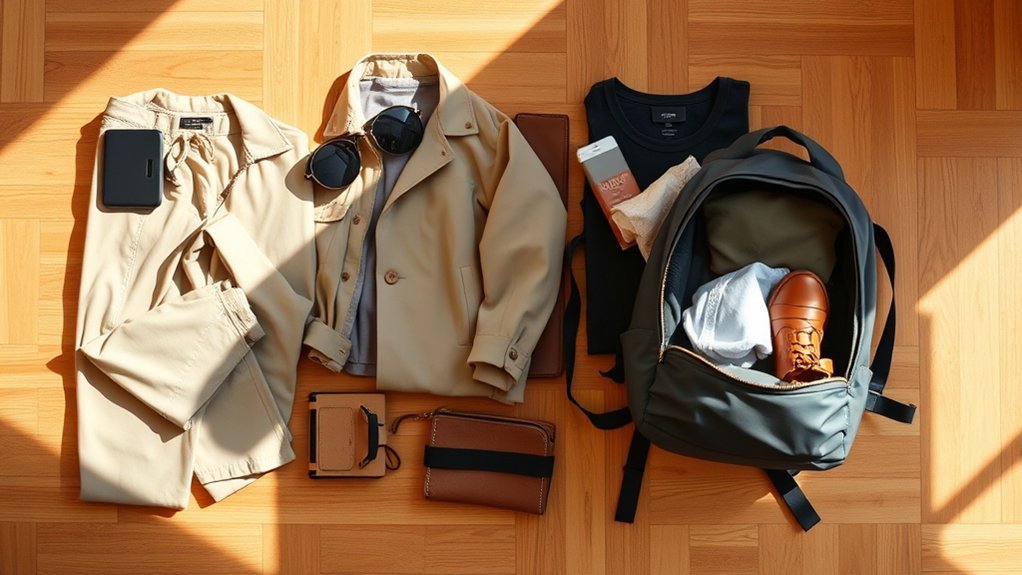
Versatile clothing creates more outfit combinations with fewer pieces. Start with comfortable items that suit your real itinerary, then check that the colors, layers, and shoes work together. A small capsule wardrobe is usually more useful than several complete outfits that cannot be mixed.
Essential Wardrobe Pieces
A polished T-shirt, a sleeveless tank top, and a cotton button-down can cover casual outings, layering, and a dressier meal when they fit your destination and personal style. Pair them with neutral bottoms such as linen-blend trousers and versatile shorts. A bathing suit can also work as a base layer or bodysuit when the fabric and setting make that practical.
Do not pack an item only because it looks useful on a generic travel list. Choose pieces you already wear comfortably at home. Familiar clothing lowers the chance that you will carry something all trip without using it.
Neutral Color Palette
Black, white, gray, navy, tan, and other coordinating shades make it easier to mix tops, bottoms, layers, and shoes. You do not need a completely monochrome wardrobe, but a limited palette reduces decision fatigue and makes a small clothing set more flexible.
- A polished T-shirt for casual use or dressing up
- Linen-blend trousers that can move from daytime to dinner
- Neutral shorts that pair with several tops
- Simple accessories, such as a crossbody bag and understated footwear
Plan Laundry for Longer Trips
Trip length does not have to equal the number of outfits you carry. For longer travel, pack a smaller clothing cycle and plan when you will wash it. Check for a washer, nearby laundromat, hotel service, or a safe place to hand-wash and dry quick-drying items.
A simple approach is to carry enough clothing to bridge the time between wash days, plus one clean backup set. Pack a lightweight laundry bag or use an empty packing cube to separate worn clothing from clean items.
Pro Tip: Test hand-washed clothing at home before relying on it during a trip. Some fabrics stay damp much longer than expected, especially in humid weather or rooms with poor airflow.
Smart Toiletries and Liquids Packing
Toiletries can become heavy quickly because many small bottles add up. Pack only what you use daily, check what your accommodation supplies, and choose solid or compact products when they work for you. Keep medicines and a small personal first-aid kit based on your health needs and planned activities.
Products Worth Considering

Leak Proof Travel Bottles: 3-layer leak-proof design prevents liquid leakage or spillage, offers protection to your luggage and cloths. Opal shape allows no liquids stuck in the bottle corner and helps you to get the last drop out without wasting any privacy products.Leak proof travel bottles for you

Leakproof Design: The bottle mouth thread design is matched with disc top black caps lids to seal tightly and safe perfectly without liquid leakage.

【Useful Travel Accessories】This is a practical travel toiletry container set inside a zipper bag, which includes 16 items:4 Travel Bottles+4 Travel Jars+2 Spray Bottles+2 Spoons+1 Funnel+1 Clean Brush + 1 Page Label + 1 Clear Toiletry Bag. Different accessories for your different needs!
Essential Toiletries Only
- Toothbrush, toothpaste, and floss
- Daily skin, hair, and personal hygiene items
- Prescription and necessary over-the-counter medicines
- Compact first-aid supplies suited to the trip
- Optional solid perfume or another small personal-care item you will actually use
The CDC recommends tailoring a travel health kit to your health history and trip. For international travel, medicines may be regulated differently by destination, so keep them in original labeled containers and check local entry rules before departure.
Smart Liquids Storage
For flights departing from U.S. airports, the TSA 3-1-1 rule generally limits carry-on liquids, gels, creams, aerosols, and pastes to containers of 3.4 ounces or 100 milliliters or less, placed in one quart-size clear bag per passenger. Exceptions can apply to medically necessary liquids and certain other items. Rules outside the United States may differ.
Decant ordinary toiletries into reusable travel-size bottles only when the original packaging is not needed for identification or legal reasons. Tighten caps, use leak-resistant containers, and place leak-prone items in a sealed zip-top bag. Compact, multipurpose makeup products can also reduce bulk.
Warning: Do not decant prescription medicine into an unmarked travel bottle for international trips. Keep medicine in its original labeled container and confirm destination rules before you travel.
Efficiently Organizing Footwear and Accessories
Shoes are among the bulkiest items in a travel backpack, so choose pairs that cover several activities. Low-profile sneakers may work for walking, transit, and casual meals. Sandals or flip-flops can be useful for beaches, showers, or warm weather, but pack them only when the itinerary supports them.
- Limit yourself to one packed pair when possible, plus the pair you wear in transit.
- Use a washable shoe bag or sealed bag to keep soles away from clothing.
- Pack a workout set only when exercise is part of your real plan.
- Use a small crossbody bag for frequently needed items such as sunscreen, bandages, and travel documents.
- Bring a compact umbrella or rain shell only when the forecast or destination makes it useful.
- Choose accessories that serve more than one purpose and match several outfits.
Avoid putting dirty footwear in a laptop compartment. That space is designed to protect electronics and is better kept clean, dry, and easy to access.
Organize Electronics, Documents, and Snacks
Carry only the devices you expect to use. One phone, one compact charger, and one multi-port adapter may replace several separate accessories. Wrap or bundle cables so they do not tangle, and keep frequently used electronics near the top of the backpack for security screening and transit.
The Federal Aviation Administration requires spare lithium batteries and power banks to stay in carry-on baggage, not checked baggage. Protect the terminals from short circuit, and remove these items if your backpack is gate-checked.
Keep identification, tickets, reservations, and other required documents in a protected pouch. For international travel, the U.S. Department of State recommends making copies of important travel documents and storing copies separately from the originals.
Lightweight, nonperishable snacks such as trail mix or energy bars can fit easily in a backpack. When flying from a U.S. airport, solid foods are generally allowed, but liquid or gel foods may be subject to the TSA liquids limit. Check the TSA food guidance for the specific item.
Mastering Tetris-Style Packing Techniques
A Tetris-style approach can reduce wasted space, but weight distribution matters more than filling every gap. Put light, soft, less-needed items near the bottom. Place dense items in the middle of the backpack and close to your back. Keep items you need during transit near the top or in an easy-access pocket.
Rolling can work well for T-shirts, underwear, and other soft items, while flat folding may work better for structured clothing. Packing cubes organize categories and can limit how much you bring, but they do not remove weight. Compression can reduce volume, yet over-compressing may encourage you to carry more than is comfortable.
Fill small gaps with socks, underwear, or other soft items, and keep the load balanced from side to side. Avoid hard objects pressing directly against your back. A well-packed backpack should close without force and should not bulge unevenly.
Do a Final Weigh-and-Walk Test
Once everything is packed, close every zipper and weigh the backpack if your airline has a weight limit. Then wear it for 10 to 15 minutes, walk around, climb a flight of stairs if safe, and practice lifting it into an overhead-height position.
During the test, check for shoulder pressure, poor balance, sharp objects against your back, and items shifting inside. If the bag feels uncomfortable at home, it will not become easier after a long travel day.
Pro Tip: Lay out your optional items beside the packed bag. Add one only when you can name the specific time and place you will use it.
Final Packing Tips for a Minimalist Approach
A minimalist packing list should still meet your health, safety, weather, and activity needs. The goal is not to carry the fewest possible items; it is to remove low-value extras while keeping the essentials that make the trip safe and comfortable.
- Use three tops and two bottoms as a starting formula for a short trip, then adjust it to your needs.
- Check accommodation amenities before packing towels, toiletries, a hair dryer, or similar items.
- Limit footwear to versatile pairs and wear the heaviest or bulkiest suitable pair during transit.
- Store ordinary liquids in travel-size containers and isolate anything that may leak.
- Wear your bulkiest appropriate jacket or layer on the travel day when practical.
- Keep a little empty space so the backpack remains easy to close and repack.
- After the trip, remove unused items from your master list unless they served an important emergency or safety purpose.
Frequently Asked Questions
How can I determine the weather at my destination?
Check a reliable forecast shortly before departure and review daily highs, lows, rain chances, wind, and any severe-weather alerts. For U.S. destinations, Weather.gov is an authoritative source. Pack a flexible layer or rain item for likely conditions instead of bringing gear for every possible weather event.
What items can I leave out to save space?
Common cuts include duplicate shoes, bulky towels supplied by the accommodation, full-size toiletries, extra gadgets, and clothing that works with only one outfit. Keep required medicine, documents, weather protection, and safety items that match your trip.
How do I choose a suitable backpack size?
Choose a backpack that fits your torso and holds the planned load without being overstuffed. For air travel, compare its packed dimensions and weight with every airline on your itinerary. A slightly smaller bag can help control overpacking, but it still needs enough room for required items.
Can I pack food or snacks in my backpack?
Yes. Lightweight, nonperishable snacks are practical for many trips. For U.S. airport screening, solid foods are generally allowed, while liquid or gel foods may fall under the 3-1-1 liquids rule. International destinations may also restrict fresh produce, meat, seeds, or other agricultural products.
What should I do if I forget an essential item?
First decide whether the item is truly necessary. Many ordinary toiletries, clothing basics, and chargers can be bought or borrowed at the destination. For medicine, identification, visas, or safety-critical gear, contact the relevant pharmacy, airline, embassy, accommodation, or local authority for the correct next step.
Do packing cubes prevent overpacking?
Packing cubes improve organization and can create a useful space limit when each category gets one cube. However, compression cubes can also make it easier to add more weight. Use them to control categories, not as permission to fill every available inch.
How heavy should a travel backpack be?
There is no single ideal weight for every traveler. The bag should stay within airline limits, match the backpack’s intended load, and remain comfortable for you to lift and carry. A loaded walk test is more useful than relying on one universal number.
Conclusion
A lighter backpack starts with better decisions, not clever squeezing. Plan around the real trip, use a short checklist, choose versatile clothing, limit shoes and liquids, follow travel rules, and place weight where the backpack carries it best. When the bag is packed, weigh it, walk with it, and remove the items that do not earn their space. You will travel with less clutter while keeping the essentials close at hand.
Sources
- U.S. Department of Transportation: Tips on Avoiding Baggage Problems — carry-on size, weight, and airline-specific limits
- Transportation Security Administration: Liquids, Aerosols, and Gels Rule — U.S. carry-on liquid limits
- Federal Aviation Administration: PackSafe Lithium Batteries — power bank and spare-battery rules
- U.S. Department of State: International Travel Checklist — destination research and document-copy guidance
- CDC Yellow Book: Travel Health Kits — medicines and personal first-aid planning
- Osprey: Volume and Packing — backpack load placement and keeping heavy items close to the spine
