
Last Updated on July 24, 2026 by Daniel Globe
Tipping hotel housekeeping can feel unclear because the expected amount depends on the country, the hotel, and how often your room is serviced. In the United States, a practical starting point is $2–$5 for each day housekeeping cleans your room. You can leave more for a suite, extra requests, or a room that requires substantially more work.
Quick Answer
In the United States, tip hotel housekeeping about $2–$5 per room for each day service occurs. Leave the money daily in an envelope or with a note marked “Housekeeping.” Consider tipping more for a suite, a large group, special requests, or unusually difficult cleanup. Check local customs when traveling abroad.
Key Takeaways
- A practical U.S. guideline is $2–$5 per room for each day housekeeping provides service.
- Tip on service days rather than leaving one large amount at checkout because employee assignments may change.
- Increase the amount when a suite, kitchen, pet, large group, special request, or difficult cleanup creates extra work.
- Clearly label a cash tip so it is not mistaken for money accidentally left behind.
- Tipping customs vary widely. It is not customary in Japan and is generally optional in Britain, France, and Brazil.
- Do not assume a resort fee or service charge goes to housekeeping. Ask the hotel what the charge covers.
What’s in This Article
- How Much Should You Tip Hotel Housekeeping?
- Factors That Affect the Tip Amount
- What to Do When Housekeeping Is Not Daily
- How Tipping Customs Differ Around the World
- How to Leave a Tip for Hotel Housekeeping
- Cashless Tips and Other Alternatives
- When You May Decide Not to Tip
- Why Housekeeping Tips Matter
- How to Give Feedback About Housekeeping Service
- Frequently Asked Questions
Disclosure: As an Amazon Associate I earn from qualifying purchases. Some links on this page are affiliate links, at no extra cost to you.
How Much Should You Tip Hotel Housekeeping?
For a standard hotel room in the United States, $2–$5 per service day is a reasonable range. The AAA hotel tipping guide cites the American Hotel & Lodging Association’s guidance of $1–$5 per night. More recent etiquette advice often centers near $5 when full housekeeping is provided.
These amounts are customs rather than mandatory charges. Your tip can reflect the amount of work performed, your budget, and the hotel’s tipping policy.
| Situation | Suggested U.S. Tip |
| Routine cleaning of a standard room | $2–$5 per service day |
| Suite, kitchenette, family room, or several occupants | Start near $5 and increase for the added workload |
| Extra towels, bedding, toiletries, or another special request | Add a few dollars when housekeeping handles the request |
| Unusually difficult cleanup | Tip above the normal range based on the additional work |
| No housekeeping service that day | No daily tip is necessary |
The amount should apply to the room, not automatically to each guest. However, more occupants usually create more towels, bedding, trash, and bathroom work, so a higher room tip may be appropriate.
Factors That Affect the Tip Amount
Use the normal range as a starting point, then consider the actual work involved. A standard room occupied by one careful guest may require less time than a suite used by a family for several days.
Room Size and Number of Guests
Suites, connecting rooms, kitchen areas, sofa beds, and rooms with several occupants can require more cleaning and restocking. Consider starting at the upper end of the normal range.
Special Requests
Extra bedding, repeated towel deliveries, spill cleanup, pet-related cleaning, or help with an unexpected problem may justify an additional tip. Tip the person who completes the request when possible.
Condition of the Room
You do not need to make the bed or clean the bathroom before leaving. However, placing trash in bins, keeping personal belongings off the floor, and avoiding preventable messes make the room safer and easier to service.
Hotel Type
Luxury hotels may involve larger rooms, evening turndown service, or more detailed room preparation. A higher tip may be reasonable when the service level and workload are greater, but the room price alone does not create a fixed tipping requirement.
What to Do When Housekeeping Is Not Daily
Many hotels no longer provide automatic daily cleaning during every stay. Your room may be serviced every second or third day, or only after you request it.
- If your room is cleaned: Leave a tip on that service day.
- If you decline cleaning: You do not need to leave a daily housekeeping tip for a service that did not occur.
- If you request only towels or supplies: A small tip is appropriate when a staff member delivers them.
- If you tip only at checkout: Label the money clearly and understand that the departure-room cleaner may not be the person who assisted you earlier.
- If the property pools tips: Ask the front desk how to direct a gratuity to the housekeeping team.
Note: Base the tip on the days housekeeping actually serves your room, not automatically on every night in the reservation.
How Tipping Customs Differ Around the World

Tipping etiquette is not universal. Check an official tourism source or ask the hotel before applying U.S. customs abroad.
| Destination | General Housekeeping Guidance |
| United States | A voluntary tip of about $2–$5 per service day is customary at many hotels. |
| Japan | Japan National Tourism Organization says tipping is not customary and may cause confusion. Pay the stated bill unless the property gives different instructions. |
| France | Tipping is modest and optional. France’s official tourism site suggests approximately €1.50 per day for chambermaids. |
| Britain | VisitBritain says tipping is not expected in hotels, although guests may leave something for especially good service. |
| Brazil | Visit Brasil says tips are not mandatory, but a small tip is customary for hotel staff who provide additional services. |
Customs can also vary within a country and by property type. Resorts, all-inclusive hotels, cruise-style properties, and luxury hotels may follow their own gratuity policies. Ask the front desk when the policy is unclear.
How to Leave a Tip for Hotel Housekeeping
Cash remains the clearest direct method at hotels that do not offer an official digital option. Follow these steps:
- Use local currency. Staff may have difficulty exchanging foreign coins or small foreign notes.
- Label the tip. Place it in an envelope or beside a note that says “Housekeeping, thank you.”
- Leave it somewhere visible. A desk, bedside table, or hotel-provided gratuity envelope is usually clearer than cash mixed with personal belongings.
- Tip after each service day. This improves the chance that the person who cleaned the room receives the gratuity.
- Check the hotel’s policy. Some properties pool tips or direct electronic gratuities to a team.
Pro Tip: Keep several small bills with your travel documents at the start of the trip. This makes daily tipping easier and avoids leaving one large note that staff may not be able to divide.
Do not leave loose cash beside your wallet, passport, jewelry, or other valuables and assume its purpose will be obvious. A housekeeper may avoid taking unmarked money because it could appear to have been forgotten accidentally.
Cashless Tips and Other Alternatives
Some hotels offer an official QR code, mobile app, payment link, or front-desk system for digital gratuities. Ask whether you can select housekeeping or a named employee before completing the payment.
Warning: Use only a QR code or payment page confirmed by the hotel. Do not enter card information through an unofficial sticker, handwritten link, or unverified message.
When no cashless tipping system is available, you can still support good work by:
- Giving a specific compliment to the housekeeping supervisor or front desk.
- Completing the hotel’s post-stay survey and naming the employee when known.
- Sending a brief email to hotel management.
- Mentioning excellent cleanliness and service in an honest public review.
Gift cards, food, alcohol, and personal items are less reliable alternatives. Hotel rules may prevent employees from accepting them, and the item may not suit the recipient. Ask the property before offering a non-cash gift.
When You May Decide Not to Tip
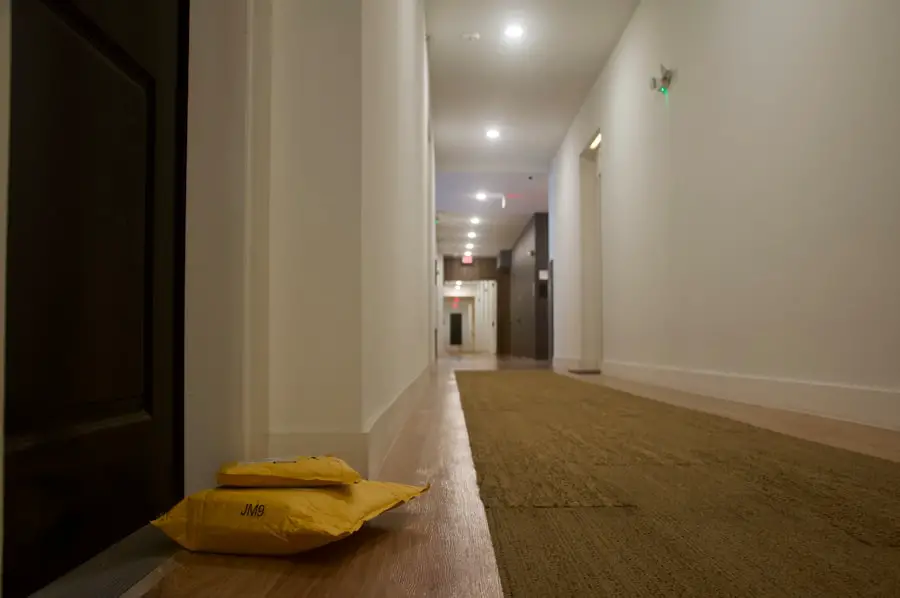
A housekeeping tip is normally voluntary. You may decide not to leave one in the following situations:
- No housekeeping service occurred: You declined service or kept the “Do Not Disturb” sign active.
- Local custom discourages tipping: This applies in destinations such as Japan.
- An explicit housekeeping gratuity is included: Confirm that the charge actually covers housekeeping rather than assuming a general resort fee does.
- The service had a serious problem: Report an unclean room, ignored request, safety concern, or damaged item so the hotel has an opportunity to correct it.
Note: Check your hotel bill carefully. A resort fee, destination fee, or general service charge does not automatically mean housekeeping received a gratuity.
If the room is not clean, contact the front desk promptly and explain the specific issue. Give the hotel a reasonable opportunity to reclean the room, replace an item, or move you before deciding how to respond.
Why Housekeeping Tips Matter
A tip is a direct way to recognize work that often takes place while guests are outside the room. It may supplement a housekeeper’s earnings, but tips are not guaranteed and should not be described as a fixed part of every worker’s pay.
Housekeeping is also physically demanding. Workers repeatedly stand, bend, reach, lift linens, move supplies, make beds, and clean bathrooms. Data from the U.S. Bureau of Labor Statistics cover maids and housekeeping cleaners across several workplaces, including hotels and hospitals.
In 2025, maids and housekeeping cleaners spent an average of 95.2% of the workday standing, while work in low postures was required for more than 95% of workers, according to the U.S. Bureau of Labor Statistics.
Whether or not you tip, you can reduce unnecessary work by placing trash in bins, following hotel rules for used towels, reporting spills promptly, and keeping personal items clear of surfaces that need cleaning.
How to Give Feedback About Housekeeping Service
When a housekeeper provides excellent service, give hotel management specific information. Include the employee’s name when available, the date of service, and a brief example of what the person did well.
Useful feedback might mention that the room was exceptionally clean, a special request was handled quickly, lost property was protected, or a problem was resolved with care. Specific details are more useful than saying only that the service was “good.”
You can provide feedback through:
- The front desk or housekeeping supervisor
- The hotel’s post-stay survey
- A guest-service email address
- The hotel brand’s customer-care form
- An accurate public review
A named compliment may become part of internal recognition or performance feedback, although bonuses, awards, and promotions depend on the employer’s policies. For a complaint, describe what happened without attacking the employee personally and state what resolution you need.
Frequently Asked Questions
What is the standard tip for hotel housekeeping?
In the United States, $2–$5 per room for each day housekeeping provides service is a practical starting range. Leave more when a suite, large group, special request, pet, kitchenette, or difficult cleanup creates extra work.
Should I tip housekeeping every day or at checkout?
Tip on each day your room is serviced when possible. Housekeeping assignments may change during your stay, so a single checkout tip may go only to the employee who prepares the room after you leave.
Do I tip when my room is not cleaned every day?
Tip for the days housekeeping actually cleans or services the room. You do not need to leave a daily tip when you decline service, although you may tip separately when staff deliver towels, bedding, or supplies.
Where should I leave the housekeeping tip?
Place cash in an envelope or beside a note marked “Housekeeping.” Leave it in a visible place such as the desk or bedside table and keep it separate from your wallet, passport, and other personal belongings.
Can I tip hotel housekeeping without cash?
Ask whether the hotel provides an official QR code, app, payment link, or front-desk tipping system. Confirm that the payment can be directed to housekeeping and use only a payment method verified by the property.
Does a resort fee mean housekeeping is already tipped?
Not necessarily. Resort fees often pay for property amenities or operating costs. Ask whether your bill contains a separate housekeeping gratuity or service charge and whether that money is distributed to housekeeping employees.
Should I tip hotel housekeeping outside the United States?
Check local customs first. Tipping is not customary in Japan, is generally not expected in British hotels, and is usually modest and optional in countries such as France and Brazil. The hotel can explain its local policy.
Tipping hotel housekeepers does not need to be complicated. In the United States, leave about $2–$5 for each day your room is serviced, clearly mark the money for housekeeping, and increase the amount when the work is unusually demanding. When traveling abroad, follow local customs and ask the hotel when its policy is unclear.
Sources
- AAA Club Alliance: Tipping at Hotels — U.S. housekeeping gratuity guidance.
- U.S. Bureau of Labor Statistics: Maids and Housekeeping Cleaners — occupational duties and physical-demand data.
- Japan National Tourism Organization: Tipping in Japan — official guidance on Japan’s non-tipping culture.
- France.fr: Money Matters in France — official French tourism tipping guidance.
- VisitBritain: Accommodation Options — official guidance stating that hotel tipping is not expected in Britain.
- Visit Brasil: Taxes and Tips — official guidance on optional hotel tipping in Brazil.

