

Last Updated on July 25, 2026 by Daniel Globe
Hotel stay limits define the maximum consecutive length of time a guest can occupy a room. While standard hotels often cap uninterrupted stays at 28 to 30 days to avoid legal tenancy complications, extended-stay properties welcome guests for several months or even years. Understanding these duration limits, legal thresholds, and pricing structures is essential whether you are traveling for an extended business assignment, relocating, or planning a long-term vacation.
Quick Answer
Most traditional hotels enforce a maximum stay limit of 28 to 30 consecutive days to prevent guests from establishing legal tenant rights. However, extended-stay hotels are legally structured for long-term residency, allowing guests to stay for months or years. In many cities, staying past 30 consecutive days exempts guests from local hotel occupancy taxes.
Key Takeaways
- Legal Limits: Standard hotels cap stays at 30 days because continuous occupancy in many jurisdictions grants guests legal tenant protections.
- Tax Savings: In many U.S. states and cities, staying continuously past 30 days converts your stay into a non-transient residence, waiving local hotel occupancy taxes (saving 10%–18%).
- Extended-Stay Hotels: Extended-stay brands offer apartment-style amenities like full kitchens, laundry, and tiered weekly/monthly discounts tailored for long visits.
- Hotel Reset Rules: Traditional hotels requiring stays over 30 days may ask guests to check out for 24 hours or switch room numbers to reset continuous occupancy tracking.
Factors That Influence Hotel Length of Stay Limits
Hotels adjust their maximum stay rules based on demand, operational requirements, and location. While transient boutique hotels rely on high guest turnover to maximize daily room rates, extended-stay brands optimize their operations for consistent, high-occupancy long visits.
Primary factors influencing length-of-stay policies include:
- Travel Intent and Demographics: Business districts and medical hubs attract guests needing weeks of lodging, whereas resort areas prioritize short-term vacationers.
- Seasonal Demand and Events: During peak tourist seasons or major events, hotels enforce strict stay limits to prevent single guests from blocking higher-paying daily bookings.
- Property Operational Models: Daily housekeeping and full-service dining favor short stays, while self-service facilities (like guest laundromats and kitchenettes) cater to long-term guests.
Note: Hotel revenue management systems often apply Length of Stay (LOS) controls. During high-demand periods, hotels may set a Minimum Length of Stay (MinLOS) to guarantee occupancy, or a Maximum Length of Stay (MaxLOS) to prevent selling rooms at discounted long-term rates when peak pricing is active.
Maximum Length of Stay Across Different Hotel Types
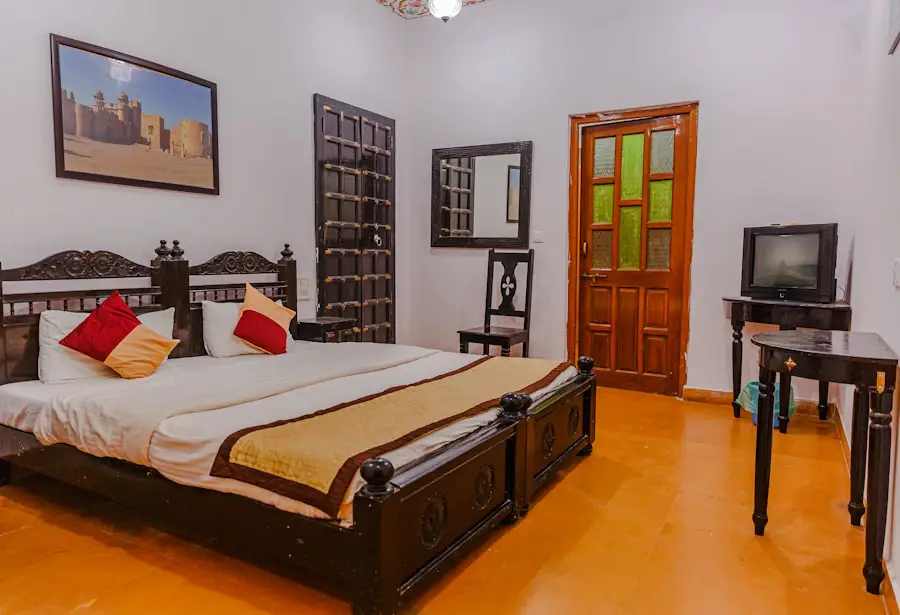
Maximum stay allowances depend on the property’s operational category and target market segment:
- Extended-Stay Hotels: Designed specifically for visits lasting weeks or months. Properties like Residence Inn, Homewood Suites, and Extended Stay America place no artificial upper limit on stays, provided account balances are settled regularly.
- Traditional & Luxury Hotels: Generally cap stays at 14 to 30 days. Luxury properties prioritize room rotation and high food and beverage turnover, making extended residential stays less aligned with their operational model.
- Boutique Hotels: Focus on curated, short-term guest experiences. Due to limited room counts, boutique hotels rarely accommodate requests beyond two consecutive weeks.
- Budget Motels & Independent Lodges: Policy varies heavily. Some independent motels allow long-term residency, while others impose strict 14-day limits to maintain guest turnover and security standards.
Comparing Traditional Hotels vs. Extended-Stay Properties
Extended-stay hotels differ fundamentally from traditional lodging in facilities, pricing, and guest experience:
| Feature | Traditional Hotel | Extended-Stay Hotel |
| In-Room Kitchen | Mini-fridge & coffee maker only | Full kitchen, stove, microwave, dishwasher |
| Housekeeping | Daily service included | Weekly or bi-weekly full service |
| Laundry | Valet / per-item dry cleaning | On-site guest laundry facilities |
| Pricing Structure | Nightly rates fluctuate daily | Tiered discounts (7+ days, 30+ days) |
Legal and Regulatory Considerations for Long-Term Stays
Legal regulations play a significant role in how long standard hotels allow guests to stay continuously. In many jurisdictions across the United States and internationally, occupying a commercial hotel room for 30 consecutive days automatically converts the guest’s status from a transient visitor to a legal tenant under local housing law.
This legal shift alters the rights and responsibilities of both parties:
- Establishment of Tenant Rights: Once tenancy is established, a hotel cannot simply check out a non-paying or overstaying guest. The operator must go through formal judicial eviction procedures, which can take months.
- Transient Occupancy Tax (TOT) Exemptions: Municipalities levy lodging taxes (typically 10% to 18%) on short-term stays. After 30 consecutive days of occupancy, guests are generally classified as permanent residents according to state tax guidance, making the remainder of their stay tax-exempt.
- The “28-Day Reset” Rule: To avoid triggering legal tenancy while maintaining guest safety, some standard hotels require guests staying near 30 days to check out for 24 to 48 hours or complete a formal room reassignment.
Warning: Attempting to evade hotel check-out procedures or refusing to sign updated registration agreements after 30 days can lead to immediate account suspension or trespassing citations. Always clarify stay length agreements directly with hotel management before reaching the 30-day mark.
Mandatory Room Inspection and Wellness Check Policies
A common misconception among long-term hotel guests is that keeping a “Do Not Disturb” sign on the door guarantees uninterrupted privacy. For safety, security, and liability reasons, major hotel chains enforce mandatory room access policies.
Hotels typically mandate that staff enter and inspect every guest room at least once every 3 to 7 days, regardless of guest requests. These checks ensure:
- Guest safety and physical well-being.
- Prevention of property damage or illicit activities inside the room.
- Basic sanitation and pest control maintenance.
Tips for Extending Your Hotel Stay
Actionable Strategies for Extending Your Stay
| Step | Action | Implementation Detail |
| 1 | Early Communication | Notify the front desk management several days prior to your scheduled check-out to lock in room availability. |
| 2 | Leverage Loyalty Status | Mention hotel loyalty tier status. Priority room availability is frequently granted to elite members during high-occupancy periods. |
| 3 | Inquire About Weekly Rates | Ask sales management to convert daily rates to long-stay contracted pricing tiers. |
| 4 | Be Flexible With Room Types | Agreeing to swap room categories mid-stay increases the chance of securing space when single categories are sold out. |
| 5 | Utilize Hotel Amenities | Take advantage of long-term perks such as business center services, breakfast packages, and fitness centers to maximize value. |
Negotiating Long-Term Rates with Hotels

When booking stays exceeding 7 to 14 nights, standard published nightly rates rarely represent the best deal. Hotel General Managers and On-Site Sales Managers have authorization to discount room rates for extended bookings.
Follow these strategies during negotiation:
- Contact On-Site Sales Directly: Avoid national reservation call centers. Speak directly with the hotel’s local sales manager or General Manager, who handle extended corporate and long-stay agreements.
- Highlight Off-Peak Timing: Negotiate during shoulder or off-peak seasons when hotel occupancy drops. Hotels prefer guaranteed revenue from a long-term guest over an empty room.
- Request Fee Waivers: In addition to discounting room rates, request waivers for recurring daily costs such as parking fees, Wi-Fi charges, resort fees, and pet deposits.
- Set Up Periodic Payment Cycles: Agreeing to automated weekly billing reduces the credit card hold burden and provides the hotel with predictable cash flow.
Pro Tip: When negotiating stays of 30 days or longer, explicitly ask the hotel sales manager if local lodging tax will be removed from your bill after day 30. Confirming this in advance ensures your invoice drops automatically once residency status shifts.
Benefits and Challenges of Long-Term Hotel Stays
Extended hotel stays offer unique convenience, though they also require lifestyle adjustments compared to renting an apartment.
“Extended-stay hotels combine the operational convenience of daily hospitality services with the functional autonomy of apartment living.”
Benefits
- Zero Long-Term Leases: No multi-month lease commitments, security deposits, or credit checks required.
- All-Inclusive Pricing: Utilities, high-speed internet, cable, and maintenance are bundled into a single invoice.
- Convenience Perks: Access to on-site fitness facilities, swimming pools, regular housekeeping, and complimentary breakfast.
Challenges
- Space Constraints: Standard hotel rooms offer limited square footage and storage compared to residential apartments.
- Cost Accumulation: Without negotiated long-stay rates or kitchen facilities, daily dining out and incidental laundry costs add up rapidly.
- Transient Environment: Frequent turnover of neighboring guests can lead to occasional noise disturbances or a reduced sense of privacy.
Alternatives to Long-Term Hotel Stays
If hotel stay limits or pricing make long-term hotel living unfeasible, consider these temporary lodging alternatives:
- Corporate Housing: Fully furnished apartments rented on a month-to-month basis, specifically tailored for business relocation and temporary assignments.
- Furnished Vacation Rentals: Platforms like Airbnb and Vrbo offer fully equipped homes and apartments with built-in discounts for weekly and monthly bookings.
- Serviced Apartments: Hybrid lodging properties that combine residential apartment layouts with hotel-style front desk and concierge services.
Planning Your Long-Term Hotel Stay Step-by-Step
To ensure a smooth extended hotel stay, complete the following checklist before checking in:
- Establish a Budget: Account for lodging costs, daily food expense reductions via kitchenettes, and parking charges.
- Verify In-Room Amenities: Confirm the presence of essential appliances such as full-size refrigerators, stovetops, and dedicated workspaces.
- Confirm Property Housekeeping Schedule: Ask how frequently deep cleaning occurs and how towel exchanges are handled during extended visits.
- Review Mail and Package Delivery Options: Ensure the front desk accepts guest deliveries and incoming mail if you plan to stay longer than two weeks.
Frequently Asked Questions
What is the typical length of stay at a hotel?
The average length of stay depends heavily on the traveler type. Business guests typically stay for 1 to 3 nights, leisure travelers stay 2 to 7 nights, and guests at extended-stay properties average stays of 7 to 30 days or longer.
Is there an absolute maximum length of stay at a hotel?
Most traditional hotels enforce a continuous stay limit of 28 to 30 days to prevent guests from establishing legal tenancy rights. However, extended-stay hotels generally have no maximum stay cap as long as room payments remain current.
Can I stay at a hotel for several months?
Yes, staying at a hotel for several months is common, particularly at extended-stay properties. These hotels provide residential amenities like full kitchens, laundry facilities, and weekly billing options tailored for multi-month visits.
Are there legal restrictions on how long you can stay in a hotel?
While national statutory limits do not exist, local landlord-tenant laws dictate that staying longer than 30 continuous days grants guests legal tenant status. To avoid legal complications, traditional hotels may require guests to re-register or switch rooms near the 30-day mark.
What are the tax benefits of staying in a hotel for more than 30 days?
In many U.S. municipalities, staying past 30 consecutive days reclassifies the guest as a permanent resident. This reclassification waives local Transient Occupancy Tax (TOT), saving guests between 10% and 18% on their total lodging bill.
Sources
- American Hotel & Lodging Association (AHLA) — Lodging industry operating standards and occupancy policies
- Legal Information Institute (LII) — Overview of innkeeper laws and landlord-tenant legal thresholds
- Cornell Center for Hospitality Research — Hotel revenue management policies and length-of-stay controls
