
Last Updated on August 26, 2026 by Caleb Warren
For most travelers, a 30-40 liter carry-on backpack offers the best balance of packing space and airline compatibility, with roughly 35-40 liters being a practical target for one-bag travel. However, the number of liters on the product label does not determine whether a backpack is allowed on board. Airlines primarily check the bag’s packed exterior dimensions, and some also impose weight or fare-specific limits.
Quick Answer
A 35-40L backpack is a practical carry-on size for most travelers. Choose 20-30L for lighter trips, while 40-45L gives more space but sits closer to many airlines’ size limits. Always compare the backpack’s fully packed height, width, depth, and weight with the operating airline’s current rules.
Key Takeaways
- 35-40L is the practical sweet spot for many travelers who want an overhead-bin carry-on.
- Airlines enforce external dimensions and sometimes weight, not the backpack’s advertised liter capacity.
- A 40L backpack can be too large if it is unusually tall or deep, while a well-shaped 45L bag may fit some airline limits.
- A personal item is different from a standard carry-on and normally has smaller under-seat dimensions.
- Check the operating airline, fare, route, and aircraft before flying because cabin-bag rules vary.
Disclosure: As an Amazon Associate I earn from qualifying purchases. Some links on this page are affiliate links, at no extra cost to you.
Understanding Carry-On Backpack Sizes
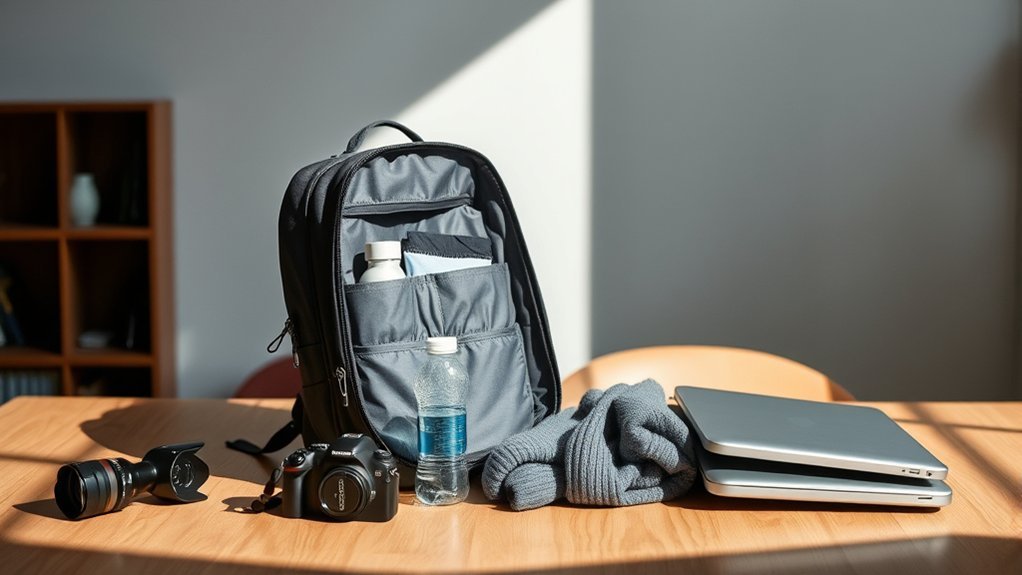
Carry-on travel backpacks commonly fall somewhere between about 20 and 45 liters, but capacity alone does not tell you whether a bag is flight-compatible. A 35L backpack designed around airline dimensions may fit comfortably in an overhead bin, while a tall 35L hiking pack can exceed an airline’s height limit.
For reference, American Airlines currently limits a standard carry-on to 22 x 14 x 9 inches (56 x 36 x 23 cm), including handles and wheels. A perfect rectangular box with those dimensions would have a theoretical volume of about 45 liters, but real backpacks lose usable space to curved corners, padding, frames, straps, and tapered panels. That is why a backpack advertised as 45L is not automatically compliant.
| Capacity | Best For | Carry-On Consideration |
|---|---|---|
| 20-30L | Overnights, weekends, minimalist packing | Easy overhead size, but not automatically small enough to qualify as a personal item. |
| 30-35L | Short trips and light one-bag travel | A strong choice when airline flexibility matters. |
| 35-40L | Most one-bag travelers | Good balance of capacity and overhead-bin compatibility when dimensions comply. |
| 40-45L | Longer trips, bulky clothing, extra equipment | Near the upper end of many carry-on designs; check packed depth carefully. |
| Over 45L | Gear-heavy or checked-bag travel | Higher risk of exceeding cabin-baggage dimensions once fully packed. |
Liters vs. Dimensions: Why Bag Shape Matters
A backpack’s liter rating measures internal capacity, while an airline cares about the bag’s outside size. Two 40L backpacks can therefore have very different dimensions. A hiking backpack may be narrow but tall, while a travel backpack may be shorter, wider, and shaped more like a suitcase.
Soft backpacks also change shape when packed. Stuffing a jacket or shoes into an already-full bag can push its depth beyond an airline’s limit even though the backpack’s advertised capacity has not changed.
Note: Measure the backpack after packing it. Published dimensions for an empty or lightly filled soft-sided bag may not match its dimensions when every compartment is full.
Recommended Liters for Different Travel Styles
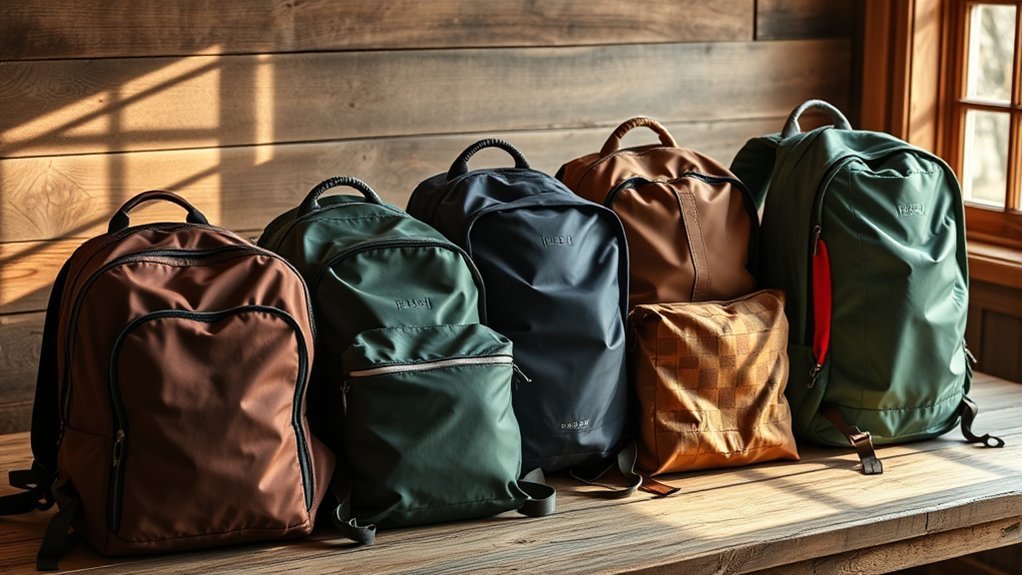
Choosing the right capacity depends on how much you pack, how often you change locations, the climate at your destination, and whether you plan to use a separate personal item.
- Minimalist travelers: 20-30L. Suitable for short trips, warm-weather clothing, and travelers comfortable rewearing or washing clothes.
- Light one-bag travelers: 30-35L. A useful middle ground for several days of clothing, toiletries, a laptop, and small accessories.
- Most carry-on travelers: 35-40L. Offers more flexibility for shoes, electronics, layers, and packing cubes without immediately moving into oversized-bag territory.
- Maximum-space travelers: 40-45L. Useful when you need bulkier clothing or equipment, but dimensions and weight require closer attention.
- Over 45L. Better treated as a gear-heavy or potentially checked-baggage category unless the specific packed dimensions meet every flight’s cabin-bag rules.
Pro Tip: If you regularly fly several airlines, choose your backpack around the strictest carrier you commonly use rather than the most generous one.
Personal Item vs. Carry-On Backpack
A personal item and a standard carry-on bag are not the same thing. The personal item normally goes under the seat, while the larger carry-on normally goes in the overhead bin. A 25L backpack might qualify as a personal item on one airline but be too tall or deep on another.
For example, American Airlines currently limits personal items to 18 x 14 x 8 inches, while its standard carry-on limit is 22 x 14 x 9 inches. Air Canada lists different dimensions for its standard and personal items and also applies fare-specific rules to certain Economy Basic itineraries.
This distinction matters especially on lower fares where a standard overhead carry-on may not be included. Before buying a backpack specifically to avoid baggage fees, confirm what your ticket actually includes.
Choosing the Right Backpack Features
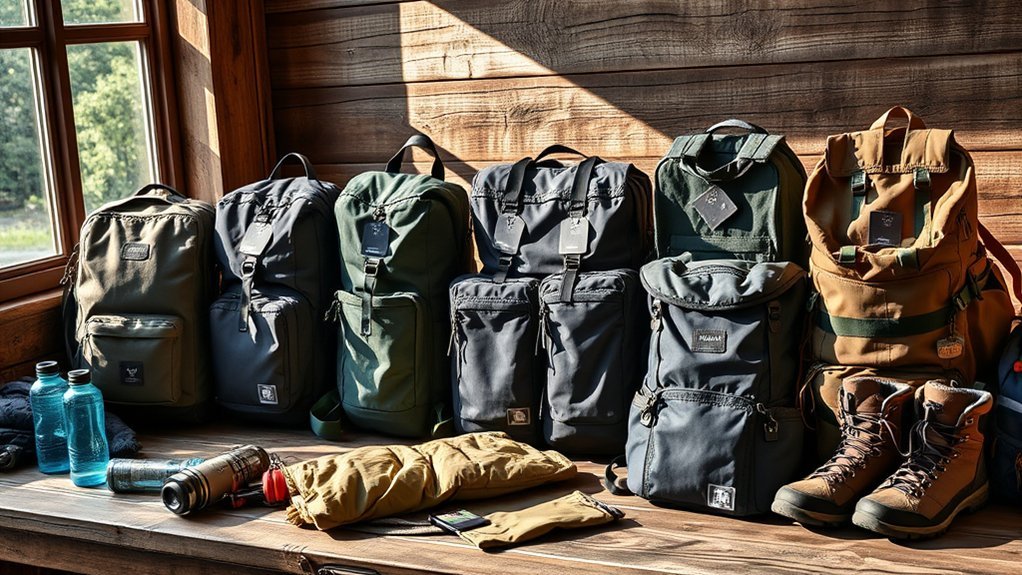
Capacity is only one part of choosing a useful carry-on backpack. Look for a design that makes the available space easy to carry, organize, and keep within airline limits.
- Compression straps: Help control depth when the bag is not completely full.
- Comfortable shoulder straps: Important when you are walking through airports or between hotels and public transportation.
- Supportive back panel: Helps distribute the load and prevents hard objects from pressing into your back.
- Clamshell or panel opening: Makes a travel backpack easier to pack like a suitcase.
- Padded laptop compartment: Useful for travelers carrying electronics and can make airport access easier.
- Useful rather than excessive organization: Too many padded pockets can reduce usable packing space and increase empty bag weight.
- Low empty weight: Especially important when flying an airline with a strict cabin-baggage weight allowance.
Expandable backpacks can be convenient, but expansion also increases the bag’s depth. A backpack that meets an airline limit while compressed may exceed it when the expansion zipper is opened.
How to Measure Your Backpack Before Flying
Measure your bag after packing it for the trip, not while it is empty.
- Place the packed backpack on a flat surface.
- Measure its total height from the lowest point to the highest point.
- Measure the widest part from side to side.
- Measure the deepest point from the back panel to the front of the packed bag.
- Include rigid handles, wheels, frames, and any parts that cannot be compressed.
- Compare all three measurements with your airline’s published allowance.
- If the airline has a weight limit, weigh the fully packed backpack as well.
Do not assume that squeezing a soft bag into a smaller shape will always be accepted. Airport bag sizers and gate staff may require the bag to fit without excessive force.
Tips for Packing Efficiently
Efficient packing helps a smaller backpack work for a longer trip and reduces the chance that an expandable bag becomes too deep for the airline’s limit.
- Use packing cubes to group clothing and prevent loose items from expanding into unused corners.
- Pack clothing that can be combined into several outfits.
- Wear your bulkiest practical shoes or outer layer during travel.
- Use travel-size toiletries or solid alternatives where appropriate.
- Keep frequently needed documents, medication, and electronics easy to reach.
- Use compression carefully; compressing clothing saves internal space but can encourage you to add more weight.
- Leave a little unused space rather than filling every expandable compartment before departure.
For flights departing through U.S. security checkpoints, the Transportation Security Administration travel checklist states that carry-on liquids, gels, and aerosols generally need to follow the 3-1-1 rule, with containers of 3.4 ounces or less placed in a quart-size clear bag.
Warning: If your carry-on backpack is taken from you for gate checking, remove spare lithium batteries and power banks first. Current FAA guidance requires spare lithium batteries and portable chargers to remain in carry-on baggage rather than checked baggage.
Airline Regulations and Restrictions
There is no single worldwide carry-on backpack size or weight limit. According to airline-industry guidance, the operating carrier establishes its cabin-baggage size and weight rules. If your itinerary includes several airlines, compare every flight and plan around the most restrictive applicable allowance.
| Airline Example | Standard Carry-On Dimensions | Weight Example |
|---|---|---|
| American Airlines | 22 x 14 x 9 in (56 x 36 x 23 cm) | No general maximum is stated on the cited carry-on size page. |
| Air Canada | 21.5 x 15.5 x 9 in (55 x 40 x 23 cm) | No stated weight limit, but you must be able to place the bag in the overhead bin without assistance. |
| Lufthansa | 55 x 40 x 23 cm for a standard carry-on | 8 kg per standard carry-on under the cited rules. |
| Emirates Economy | 55 x 38 x 22 cm | 7 kg under the cited Economy allowance. |
The best carry-on backpack is not simply the biggest bag advertised as “carry-on size.” It is the largest bag you actually need that remains within the dimensions, weight, fare rules, and aircraft restrictions for your trip.
Warning: Airline policies can change, and codeshare flights may be operated by a different carrier than the airline name shown prominently on your booking. Check the operating carrier’s current baggage page before departure.
Frequently Asked Questions
What Are the Best Materials for Lightweight Carry-On Backpacks?
Ripstop nylon and lightweight polyester are common choices because they can provide a useful balance of low weight, abrasion resistance, and water resistance. Fabric quality, denier, coatings, stitching, zippers, and reinforcement also matter, so material name alone does not determine durability.
Can I Use a Duffel Bag Instead of a Backpack?
Yes. Airlines generally care about the bag’s dimensions, allowance, and weight rather than whether it has backpack straps. A soft-sided duffel can work well as a carry-on if its packed size stays within your airline’s limits, although a backpack may be more comfortable for longer walks.
How Do I Measure My Backpack’s Dimensions?
Pack the backpack as you intend to travel, then measure its maximum height, width, and depth from the outermost points. Include rigid handles, wheels, frames, and bulging pockets. Compare those measurements with the operating airline’s current allowance.
Are There Backpacks Specifically Designed for Electronic Devices?
Yes. Many travel and commuter backpacks include padded laptop or tablet sleeves, cable pockets, and quick-access compartments. Choose enough protection for your equipment without adding unnecessary padding and weight, especially if your airline has a strict cabin-bag weight limit.
What Is the Average Weight of a 40-50 Liter Backpack?
There is no reliable category-wide average because weight varies greatly with the frame, harness, fabric, padding, wheels, laptop protection, and other features. Check the manufacturer’s listed empty weight for the exact model and subtract that weight from any airline cabin-baggage allowance when planning your load.
Is a 40L Backpack a Good Carry-On Size?
Yes, a well-shaped 40L travel backpack is a practical choice for many travelers. However, 40L does not guarantee compliance. Check the bag’s packed height, width, and depth against the airline’s limit and weigh it when your carrier publishes a cabin-baggage weight restriction.
Is a 45L Backpack Too Big for Carry-On?
Not automatically, but 45L is near the upper end of carry-on-oriented travel backpacks. Some 45L bags fit certain airlines when packed carefully, while others exceed the permitted depth or height. A 35-40L bag generally gives you more margin when flying multiple carriers.
Will a 30L Backpack Count as a Personal Item?
Sometimes, but capacity alone cannot answer this. A 30L backpack can still be too tall or deep for an airline’s under-seat personal-item limit. Compare the backpack’s actual packed dimensions with the personal-item measurements listed for your fare and airline.
Sources
- American Airlines — Carry-On Bags and Size Limits — supports current American carry-on and personal-item dimensions.
- Air Canada — Carry-On Baggage — supports dimensions, weight handling, and current Economy Basic restrictions.
- Lufthansa — Carry-On Baggage Rules — supports current personal-item, standard carry-on, and 8 kg limits.
- Emirates — Carry-On Baggage Rules — supports current Economy dimensions and weight allowance.
- Transportation Security Administration — Travel Checklist — supports U.S. 3-1-1 carry-on liquids guidance.
- Federal Aviation Administration — Airline Passengers and Batteries — supports current lithium-battery and power-bank carry-on requirements.
Conclusion
For most travelers, a 35-40L carry-on backpack provides a useful balance of capacity, comfort, and airline flexibility. Travelers who pack very light may prefer 20-30L, while a 40-45L backpack can provide extra space if its packed measurements stay within the airline’s limits.
The most important rule is to look beyond liters. Measure the backpack’s height, width, and depth after packing, check its loaded weight when required, and verify the operating airline and fare before departure. Doing that will prevent far more baggage problems than simply choosing a pack labeled “carry-on size.”

