Last Updated on July 30, 2026 by Caleb Warren
Carry-on backpack rules for international flights are not controlled by one worldwide standard. Your allowance depends on the operating airline, fare, cabin, aircraft, route, departure airport, transfer airport, and destination. Checking all three rule layers—airline baggage, security screening, and customs—before packing can prevent gate fees, confiscated items, and missed connections.
Quick Answer
An international carry-on backpack must fit the size, weight, and item allowance shown for your specific ticket. Check every operating airline, then follow the security rules at each departure or transfer airport. Keep documents, medicine, valuables, power banks, and spare batteries accessible in case the backpack is gate-checked.
Key Takeaways
- There is no universal international carry-on backpack size or weight limit.
- Check the operating airline for every flight segment, including codeshare flights.
- Ordinary liquids are commonly limited to containers of 100 milliliters or 3.4 ounces, but bag and screening procedures vary by country.
- Power banks and spare lithium batteries belong in the cabin and must be removed before a bag is gate-checked.
- Food may pass airport security but still be restricted or declarable at your destination.
At a Glance
| Time Required | 15–30 minutes to verify the itinerary, measure the bag, and review restricted items |
| Difficulty | Easy, but each flight segment must be checked separately |
| Tools Needed | Tape measure, luggage scale, booking confirmation, and airline or airport website |
| Cost | $0 if you already have measuring tools; a basic luggage scale usually costs about $10–$30 |
Disclosure: As an Amazon Associate I earn from qualifying purchases. Some links on this page are affiliate links, at no extra cost to you.
Understanding Carry-On Backpack Regulations
International carry-on rules become easier to understand when you separate them into three categories. Each category is controlled by a different authority, and satisfying one does not automatically satisfy the others.
1. Airline Baggage Allowance
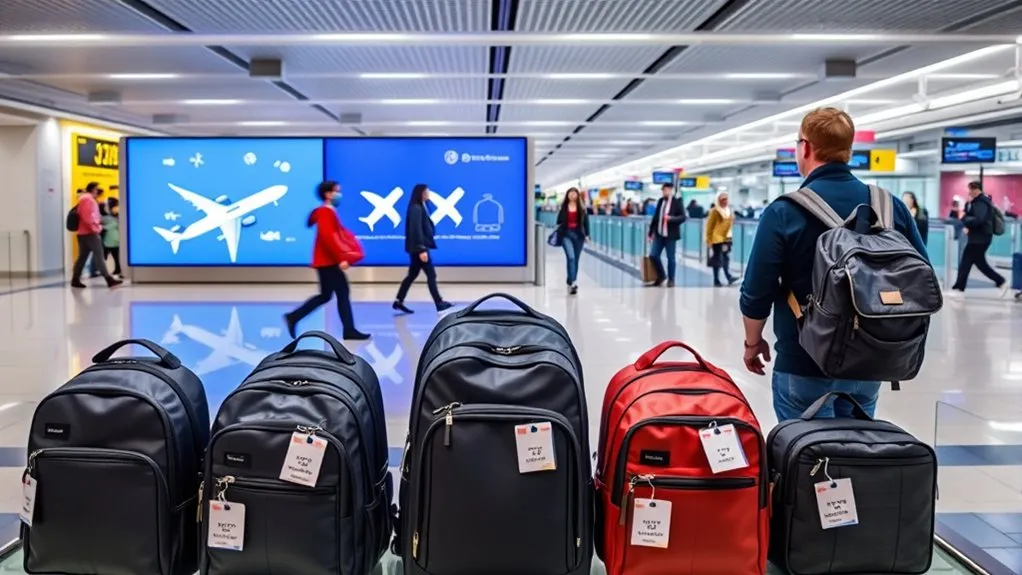
Your airline controls the number, size, and weight of bags you may bring into the cabin. The allowance may change with your fare, cabin, route, aircraft, or frequent-flyer status. The International Air Transport Association confirms that cabin-baggage allowances remain airline-specific.
2. Airport Security Screening
The government or security authority at each airport controls liquids, electronics, sharp objects, powders, and other restricted items. TSA rules apply at U.S. checkpoints. A departure or connection in Europe, Asia, Africa, South America, or another region may involve different screening procedures.
3. Customs and Biosecurity
Your destination controls what may legally enter the country. Food, plants, seeds, animal products, medicines, and high-value purchases may require declaration or may be restricted even when airport security allowed them onto the aircraft.
Note: A security officer decides whether an item may pass the checkpoint. A customs officer separately decides whether it may enter the destination country.
Check the Operating Airline on Every Segment
For codeshare flights, the airline name shown most prominently on your ticket may not be the airline operating the aircraft. Review the flight details for wording such as “operated by.” Check the operating carrier’s baggage page for each segment and pack to the most restrictive allowance on the itinerary.
This step matters on connecting trips. A backpack accepted on the first long-haul flight may be too large or heavy for a regional connection.
Size and Weight Restrictions for Backpacks
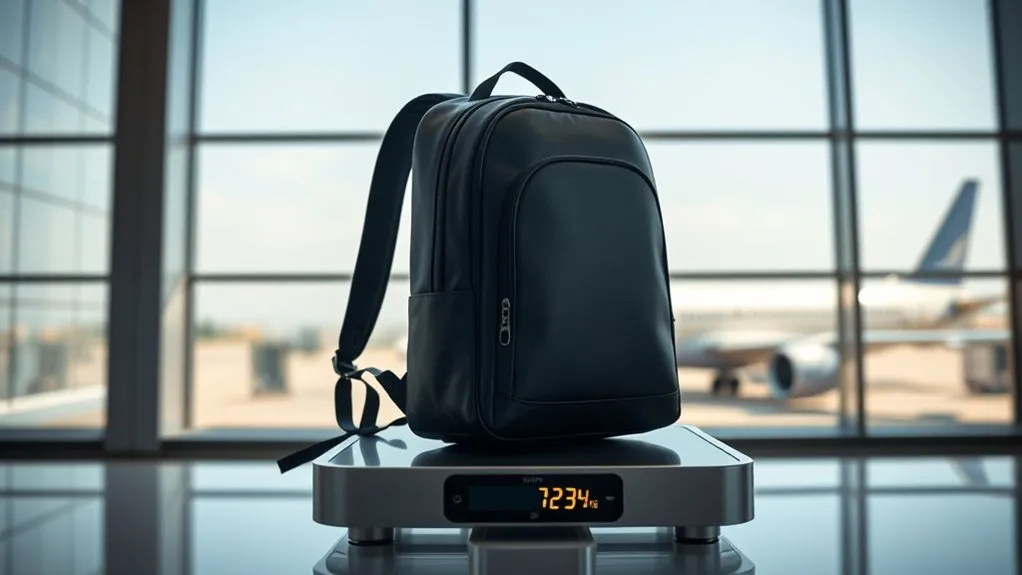
There is no single maximum size that works for every international airline. As a general reference, IATA notes that many airlines use limits near 56 × 45 × 25 centimeters, or 22 × 18 × 10 inches, but this is not a guaranteed allowance. Some airlines use smaller dimensions, lower weight limits, or personal-item-only fares.
Current Airline Examples
The following examples were checked on July 30, 2026. They show why travelers should not rely on one universal figure.
| Airline and cabin | Published example | Important caveat |
| Emirates Economy | 55 × 38 × 22 cm; 7 kg | Route and cabin exceptions apply; Premium Economy has a different weight allowance. |
| Lufthansa long-haul Economy | 55 × 40 × 23 cm; 8 kg, plus a personal item up to 40 × 30 × 15 cm | Some selected short- and medium-haul Economy Basic fares include only a personal item. |
How to Measure a Carry-On Backpack
- Pack it first. An empty soft-sided backpack can expand beyond its listed dimensions after loading.
- Measure the full height. Include any handle, rigid frame, or top pocket that cannot compress.
- Measure the widest and deepest points. Include filled side pockets, front pockets, straps, and attached gear.
- Secure loose straps. Straps that hang outside the airline sizer can create boarding problems.
- Test compression. A soft bag may fit a sizer only if it is not packed solid.
How to Check the Weight
Weigh the backpack after packing everything, including water, electronics, charging cables, toiletries, and items placed in outer pockets. Leave a small margin below the airline’s limit because home scales may differ from airport scales.
Warning: Do not assume a backpack is allowed because it fits another airline’s sizer. Check the booked fare and every operating carrier before departure.
Security Rules for Carry-On Backpacks
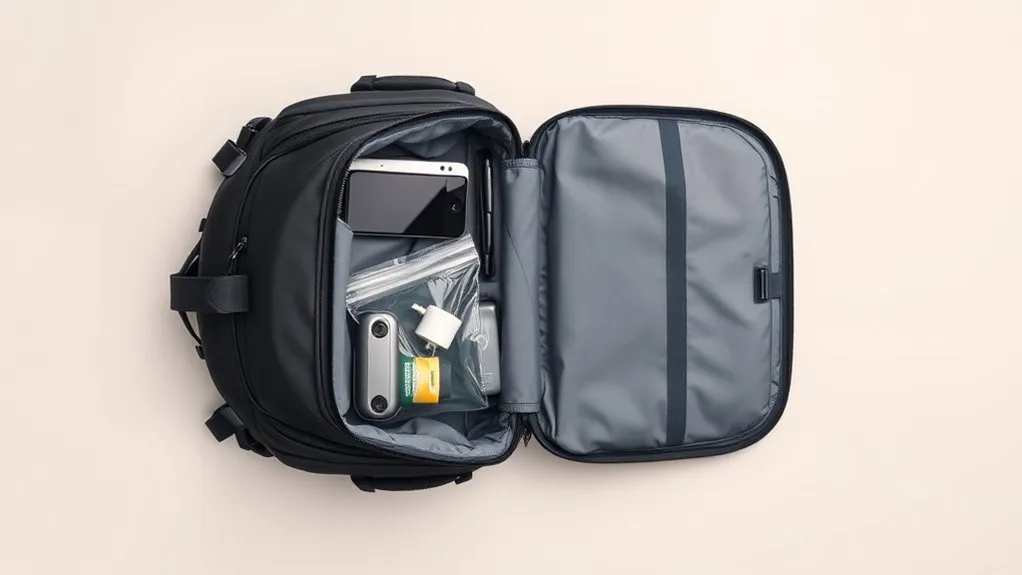
Security rules depend on the checkpoint you are using. For a flight departing from the United States, consult the TSA What Can I Bring database. For a departure or connection elsewhere, check the airport or national aviation-security authority.
Liquids, Aerosols, Gels, Creams, and Pastes
At U.S. checkpoints, ordinary liquids must generally be in containers holding no more than 3.4 ounces or 100 milliliters, with the containers placed in one clear quart-sized bag. A half-full 200-milliliter bottle is not acceptable because the container itself exceeds the limit.
Across the European Union, current general guidance also limits ordinary liquids to containers of no more than 100 milliliters, normally placed in one transparent, resealable one-liter bag. Check the airport before traveling because presentation and screening procedures may differ.
Medically necessary liquids, liquid medicine, baby food, breast milk, formula, and special-diet products may qualify for exceptions. Declare them to the screening officer and allow time for additional inspection. Review the TSA liquids rule or the applicable authority before departure.
Electronics and Powders
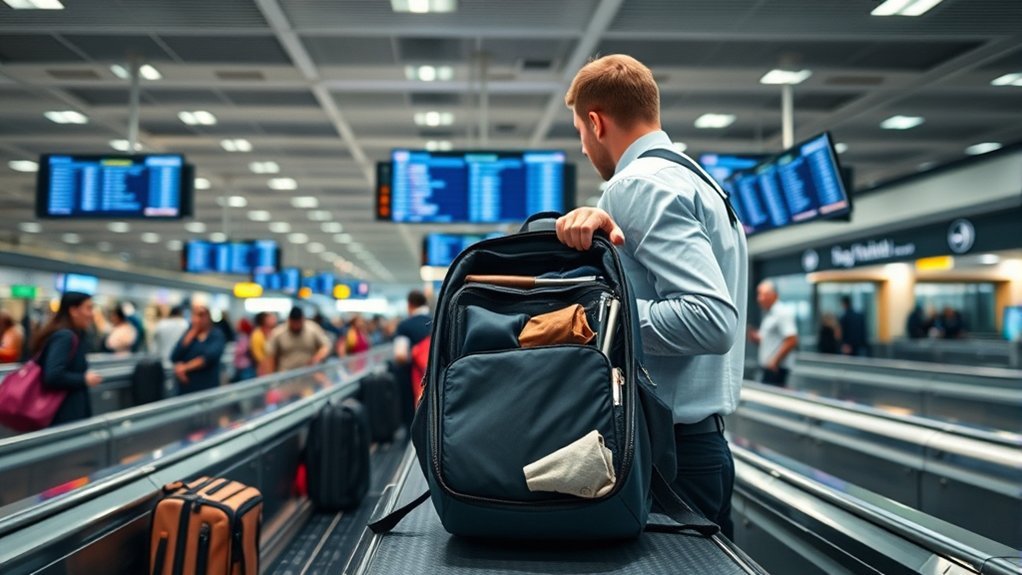
In a standard TSA screening lane, travelers are commonly instructed to remove electronics larger than a phone and place them in a separate bin. TSA PreCheck procedures and newer screening systems may allow some items to stay inside the bag. Other countries use their own procedures.
Pack laptops, tablets, cameras, and game consoles in an easy-access compartment. Do not bury them beneath clothing, and follow the instructions given at the checkpoint rather than assuming the process will match your previous trip.
Large quantities of powder may require separate screening on some routes. Keep nonessential powders in checked baggage when practical and verify the applicable rule with the departure airport.
Sharp, Flammable, and Prohibited Items
Knives, large cutting tools, explosives, fuels, and many self-defense items are prohibited in carry-on baggage. However, not every object with a sharp edge is automatically banned. Small scissors, nail clippers, and grooming tools may be treated differently. Search for the exact item on the government security website and check local law as well as airline policy.
Lithium Batteries, Power Banks, and Electronic Devices
Power banks and spare lithium batteries require special handling because a damaged battery can overheat and start a fire. Under current FAA PackSafe guidance, spare lithium batteries and power banks must be carried in the cabin rather than in checked baggage.
- Power banks and spare batteries: Carry them in your cabin baggage and protect the terminals from contact with metal.
- Standard lithium-ion limit: Most personal batteries are limited to 100 watt-hours or less.
- Larger batteries: Batteries above 100 Wh and up to 160 Wh generally require airline approval, with limits on the number of spares.
- Damaged or recalled batteries: Do not travel with batteries that are swollen, leaking, overheating, damaged, or subject to a safety recall.
- Installed batteries: Protect devices against accidental activation and physical damage.
Warning: If your backpack is taken at the gate and placed in the aircraft hold, remove all power banks, spare lithium batteries, electronic cigarettes, medicine, travel documents, valuables, and devices you need during the flight.
Packing Essentials for Your Backpack
Pack for both normal travel and the possibility that your main carry-on will be gate-checked. Keep the items you cannot afford to lose in a smaller personal item whenever your fare allows one.
Keep These Items Accessible
- Passport, visa documents, boarding passes, and travel insurance details
- Prescription medicine and any medically necessary supplies
- Wallet, keys, jewelry, and other valuables
- Phone, laptop, camera, and charging cables
- Power banks and spare batteries
- One change of underwear and a lightweight shirt
- Glasses, contact-lens supplies, and essential toiletries
- Headphones, snacks, and an empty refillable water bottle
Place your liquid bag and any items likely to need separate inspection near the top or in an external compartment. Keep your passport in a secure pocket that is easy for you to reach but difficult for someone else to open unnoticed.
Pro Tip: Prepare a small “gate-check pouch” containing your passport, medicine, power bank, spare batteries, wallet, and valuables. You can remove it in seconds if the airline takes your backpack at boarding.
Food, Medicine, and Duty-Free Purchases
Food in a Carry-On Backpack
Solid snacks such as sandwiches, crackers, fruit bars, and chocolate are generally easier to take through security than liquid or gel foods. Yogurt, sauces, spreads, dips, and similar foods may be treated as liquids and may need to meet the container limit.
Passing security does not mean the food is legal to import. Countries may restrict meat, fruit, vegetables, dairy, seeds, plants, and other agricultural products. For example, U.S. Customs and Border Protection requires travelers entering the United States to declare agricultural items for inspection.
Medication
Keep medicine in your carry-on rather than checked luggage. Bring enough for the journey and reasonable delays. Original labeled packaging and a copy of the prescription can make inspections easier, especially for controlled substances, injectable medicine, or destinations with strict drug-import laws.
Check the embassy, health ministry, or customs authority for your destination before carrying prescription medicine internationally. A medicine that is legal at home may be controlled or prohibited elsewhere.
Duty-Free Liquids
Duty-free liquids larger than 100 milliliters may be accepted when they remain sealed in an approved security tamper-evident bag with the receipt visible inside. Do not open the bag before completing all required security screenings.
Connecting airports may rescreen you and may apply different rules based on where and when the item was purchased. Confirm the transfer-airport policy before buying a large bottle, particularly when changing terminals or collecting and rechecking baggage.
Tips for Choosing the Right Backpack
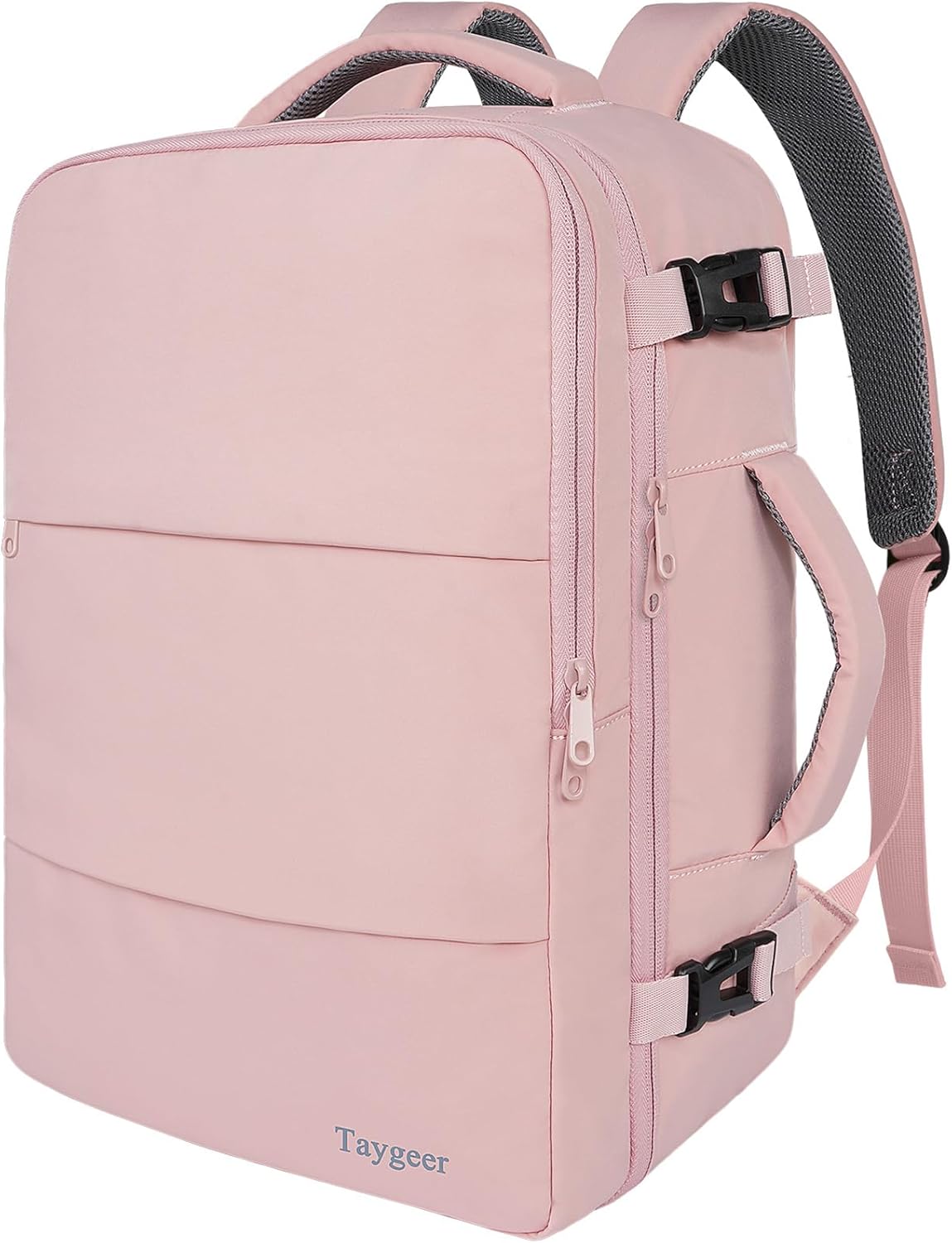
Choose a backpack based on the strictest allowance in your itinerary rather than a generic “international carry-on” label. Capacity in liters does not prove compliance because two bags with the same capacity can have different shapes and external dimensions.
- Compliant dimensions: Compare the packed external measurements with the airline’s limits.
- Low empty weight: A lighter backpack leaves more of the allowance for your belongings.
- Clamshell opening: A suitcase-style opening makes security checks and hotel unpacking easier.
- Protected electronics compartment: Look for padding and a false bottom that keeps the device away from the floor.
- Compression straps: These help control depth but should not be used to force an overloaded bag into compliance.
- Comfortable harness: Padded shoulder straps, a sternum strap, and an appropriate hip belt can improve comfort.
- Lockable zippers: These can discourage casual tampering, although valuables should still remain under your control.
- Weather resistance: Water-resistant fabric and covered zippers can protect documents and electronics from light rain.
A soft-sided bag can be easier to fit into an airline sizer, but it should not be stuffed beyond its designed shape. A rigid frame, overloaded pockets, or attached shoes can make an otherwise compliant bag too large.
Advantages of Using a Backpack as Carry-On
A backpack leaves both hands free for documents, a phone, or a child’s hand. It is also easier than wheeled luggage on stairs, cobblestones, public transportation, and uneven streets.
Multiple compartments can keep electronics, clothing, and travel documents organized. A compliant backpack may also help you avoid checked-baggage fees when your ticket includes cabin baggage. However, a carry-on allowance is not guaranteed with every fare, and overhead space may still run out.
Backpacks are especially useful for travelers who need to move between trains, buses, and airports. Their flexibility is valuable, but it should not be used as a reason to overpack.
Potential Drawbacks of Carry-On Backpacks
Carry-on backpacks are not ideal for every traveler. They can become uncomfortable when overloaded, provide less crush protection than hard luggage, and look more casual in some business settings. They may also be more difficult to organize if they lack a full-opening design.
Limited Fragile Item Protection
A soft backpack usually provides less resistance to crushing and punctures than a hard-shell case. Wrap fragile items in clothing or padded sleeves, place them near the center of the bag, and prevent them from moving. Avoid placing glass, cameras, or delicate electronics against an exposed outer panel.
Never assume that a cabin bag will remain with you. If overhead bins fill, the airline may place even a compliant backpack in the hold. Keep irreplaceable, fragile, and high-value items in your personal item when possible.
Potential Shoulder Strain
An overloaded or poorly adjusted backpack can strain your shoulders and back. Improve comfort with these steps:
- Stay below the airline limit: A legal weight can still be uncomfortable, so pack only what you can carry safely.
- Center dense items: Place heavier items close to your back and near the vertical center of the backpack.
- Adjust the harness: Tighten the shoulder, sternum, and hip straps so the load does not swing.
- Use both shoulder straps: Carrying the pack on one shoulder creates uneven loading.
- Take breaks: Remove the pack while waiting at the gate or during long terminal stops.
Gate-Check Risk
Limited overhead-bin space, aircraft changes, and full flights can result in a last-minute gate check. This may expose the backpack to rougher handling and delay access to its contents. Pack with this possibility in mind even when your bag is within the published allowance.
Smart Packing Techniques for Air Travel
Efficient packing is not only about fitting more into the backpack. The goal is to stay within the limit, protect important items, and reach anything needed at security or during the flight.
Efficient Packing Methods
- Build a packing list: Remove “just in case” duplicates before loading the bag.
- Use packing cubes: Separate clothing, underwear, sleepwear, and accessories.
- Roll or fold by fabric: Rolling works well for many casual garments, while structured clothing may pack better folded.
- Wear bulky items: Wear the heaviest suitable shoes and outer layer when practical.
- Fill small gaps: Place socks or charging cables inside shoes, but avoid creating hard pressure points.
- Leave expansion room: A completely full backpack is harder to close, inspect, and fit into a sizer.
Organizing Essentials Effectively
Use zones so you know where everything is located:
- Security zone: Liquids, large electronics, medicine, and travel documents
- In-flight zone: Headphones, snacks, sweater, charger, and sleep items
- Clothing zone: Packing cubes arranged by category
- Emergency zone: Change of clothes, essential medicine, and backup payment method
- Battery zone: Power banks and protected spare batteries in an accessible pouch
Do not place dense objects at the far outer edge of the backpack. Keeping weight close to your body improves balance and makes the bag feel more stable.
Final Preflight Checklist
- Open the booking and identify the operating airline for every segment.
- Confirm whether your fare includes a carry-on bag, a personal item, or both.
- Measure and weigh the backpack after it is fully packed.
- Check security rules for the departure and transfer airports.
- Verify destination restrictions for food, medicine, plants, and agricultural products.
- Protect power-bank and spare-battery terminals and keep the batteries accessible.
- Place documents, medicine, valuables, and one basic change of clothes in your personal item when possible.
- Recheck the airline and airport websites shortly before departure in case the rules have changed.
The safest packing limit is the most restrictive rule that applies anywhere on your itinerary—not the most generous allowance shown by one airline.
Frequently Asked Questions
Can I bring food in my carry-on backpack?
Solid food is often allowed through airport security, while liquid or gel foods may need to meet the applicable liquid limit. Destination customs rules are separate. Declare food and agricultural products when required, even if the items passed security.
Are there restrictions on carrying electronics?
Most personal electronics are allowed, but screening procedures vary. Standard TSA lanes commonly require devices larger than a phone to be removed. Pack electronics for easy access, make sure they can power on if requested, and check battery limits before traveling.
What happens if my backpack exceeds the size or weight limit?
The airline may charge a gate fee, require you to check the backpack, or refuse it as cabin baggage. Gate fees can be higher than baggage purchased in advance. Remove batteries, medicine, documents, and valuables before handing the bag over.
Can I pack a duty-free purchase in my backpack?
Usually, but oversized duty-free liquids should remain sealed in the approved tamper-evident bag with the receipt. Connecting airports may rescreen the purchase, so check the transfer rules before buying and do not open the security bag.
Are there special rules for international flights?
Yes. International itineraries may involve different airline allowances, security authorities, transfer procedures, customs rules, and medicine restrictions. Check each operating carrier, every airport where you pass through security, and the destination customs authority.
Can a power bank go in checked baggage?
No. Power banks and spare lithium batteries must remain in the aircraft cabin. Protect their terminals from short circuits and remove them if your carry-on backpack is gate-checked.
Does a personal item count as my carry-on?
It depends on the airline and fare. Some tickets include one overhead carry-on plus one smaller personal item, while some basic fares include only a personal item. Check the exact baggage allowance attached to your booking.
Sources
- International Air Transport Association — Passenger Baggage Rules — airline-specific allowances, cabin storage, gate checking, batteries, and international baggage guidance
- Transportation Security Administration — Liquids, Aerosols, and Gels Rule — U.S. liquid limits, exceptions, and duty-free liquid requirements
- Transportation Security Administration — What Can I Bring? — item-specific U.S. carry-on and checked-baggage restrictions
- Federal Aviation Administration — PackSafe Lithium Batteries — power-bank, spare-battery, watt-hour, and gate-check rules
- European Commission — Information for Air Travellers — EU hand-luggage security and liquid guidance
- U.S. Customs and Border Protection — Bringing Food into the United States — agricultural declarations and destination-entry restrictions
Conclusion
A carry-on backpack can make an international trip easier, but only when it matches the rules attached to your actual itinerary. Check the operating airline for every segment, measure and weigh the packed bag, review security rules at each airport, and confirm destination restrictions for food and medicine.
Keep documents, medicine, valuables, power banks, and spare batteries accessible in case the backpack is gate-checked. A few minutes of verification before departure can prevent fees, delays, confiscated items, and unnecessary stress at the airport.